Quick answer
Never leave a pet unattended on a plugged-in heated blanket, and treat any cord as a chew hazard. For most dogs and cats, a self-warming mat that reflects body heat is the safer everyday option; reserve heated blankets for supervised, low-setting cuddle time only.
Why heated blankets carry extra risk for pets
Heated blankets are designed for human skin, which tolerates sustained warmth differently than a pet's coat and thinner belly skin. A dog or cat that cannot move away, or that falls asleep on a warm surface, can overheat or develop hot spots before you notice. The bigger danger is the cord: pets chew, and a live cord can cause burns or electric shock.
Cats are especially drawn to warmth and may knead or suck on blanket fabric, which puts teeth near wiring. Dogs may chew simply because the cord moves or tastes like plastic. That is why heated blanket safety with pets is less about the blanket's temperature setting and more about supervision and cord control.
How to judge whether your pet can share a heated blanket
Ask three questions before you plug anything in. First, can your pet stand up and walk away easily? Second, will your pet leave a cord alone when you are not watching? Third, does your pet have thin skin, mobility limits, or a condition that makes temperature regulation harder? If any answer is no or unsure, skip the heated blanket.
Size and coat matter too. A small, short-haired pet loses heat faster and gains it faster, so it can overheat quickly on a blanket set for a human. A thick-coated breed may not need added heat at all. When in doubt, test with the blanket off first and watch how your pet settles.
What to do if your pet chews cords or fabric
A chewed cord is the clearest heated blanket chew risk, and it is not something you can train away in one session. If your pet has ever chewed a phone charger, shoe, or lamp cord, assume a heated blanket cord is also at risk. Unplug and store the blanket when you are not in the room.
Do not rely on cord covers alone. A determined chewer can work through plastic, and the cover does not remove the shock hazard. The safer path is to remove the corded product from your pet's reach entirely and use a no-power warming option instead.
Safer warmth options when you cannot supervise
For overnight or alone-time warmth, a self-warming pet mat is the practical alternative. It reflects the pet's own body heat rather than adding external heat, so there is no cord, no plug, and no setting to get wrong. That makes it a better match for crates, floor spots, and senior pets that nap for hours.
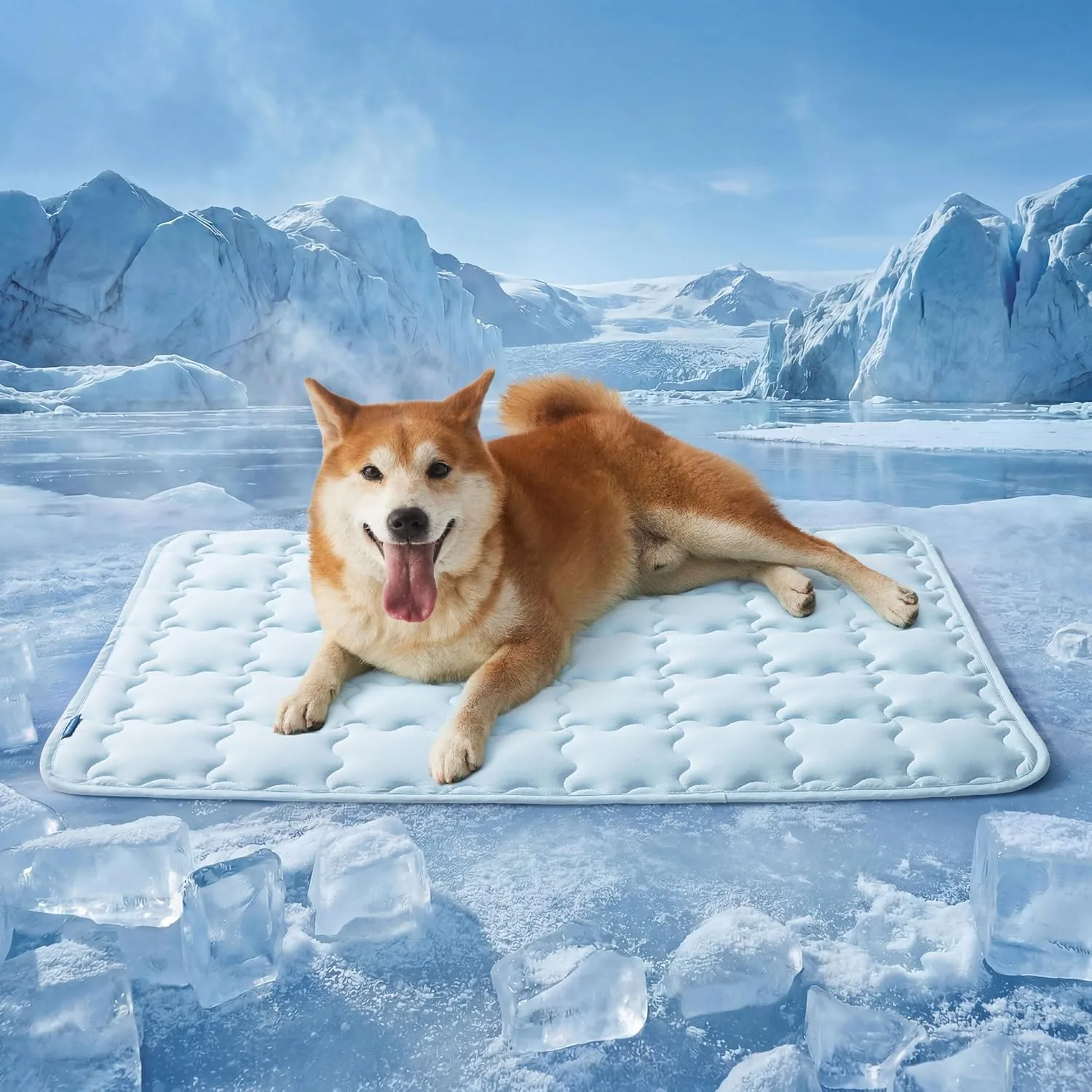
If your pet runs hot or you live in a warm climate, a cooling mat can be the better seasonal choice. The point is to match the product to the pet's real need, not to default to the warmest option available.
Step-by-step: safer warmth for your pet
- 1. Check your pet's chewing history first: Before buying or using any heated blanket, review whether your pet has chewed cords, cables, or fabric in the past year. If yes, treat corded warmth as off-limits. Checkpoint: any past cord chewing means no unsupervised heated blanket use.
- 2. Choose a no-power mat for alone time: For crates, overnight, or when you leave the house, use a self-warming mat that reflects body heat rather than a plugged-in blanket. Place it on a flat, non-slip surface. Checkpoint: if it has a cord, it should not be in the crate when you are away.
- 3. Set up supervised heated blanket time only: If you use a heated blanket with your pet, keep it on the lowest setting, lay it flat with no bunched fabric, and keep the cord fully out of reach behind furniture or under a rug edge. Common mistake: letting the pet lie on a folded blanket, which concentrates heat and raises burn risk.
- 4. Watch for overheating signals: During supervised use, look for panting, restlessness, trying to move away, or excessive seeking of cool floors. These are signs to turn the blanket off and let your pet cool down. Checkpoint: if your pet moves off the blanket repeatedly, the heat is too much.
- 5. Store the blanket unplugged after every use: Unplug the blanket, let it cool, and fold it away where your pet cannot reach the cord. Do not leave it plugged in on a bed or sofa as a permanent pet spot. Common mistake: leaving the blanket plugged in 'just in case,' which keeps the chew and shock risk active.
Pet-safe warmth products worth knowing
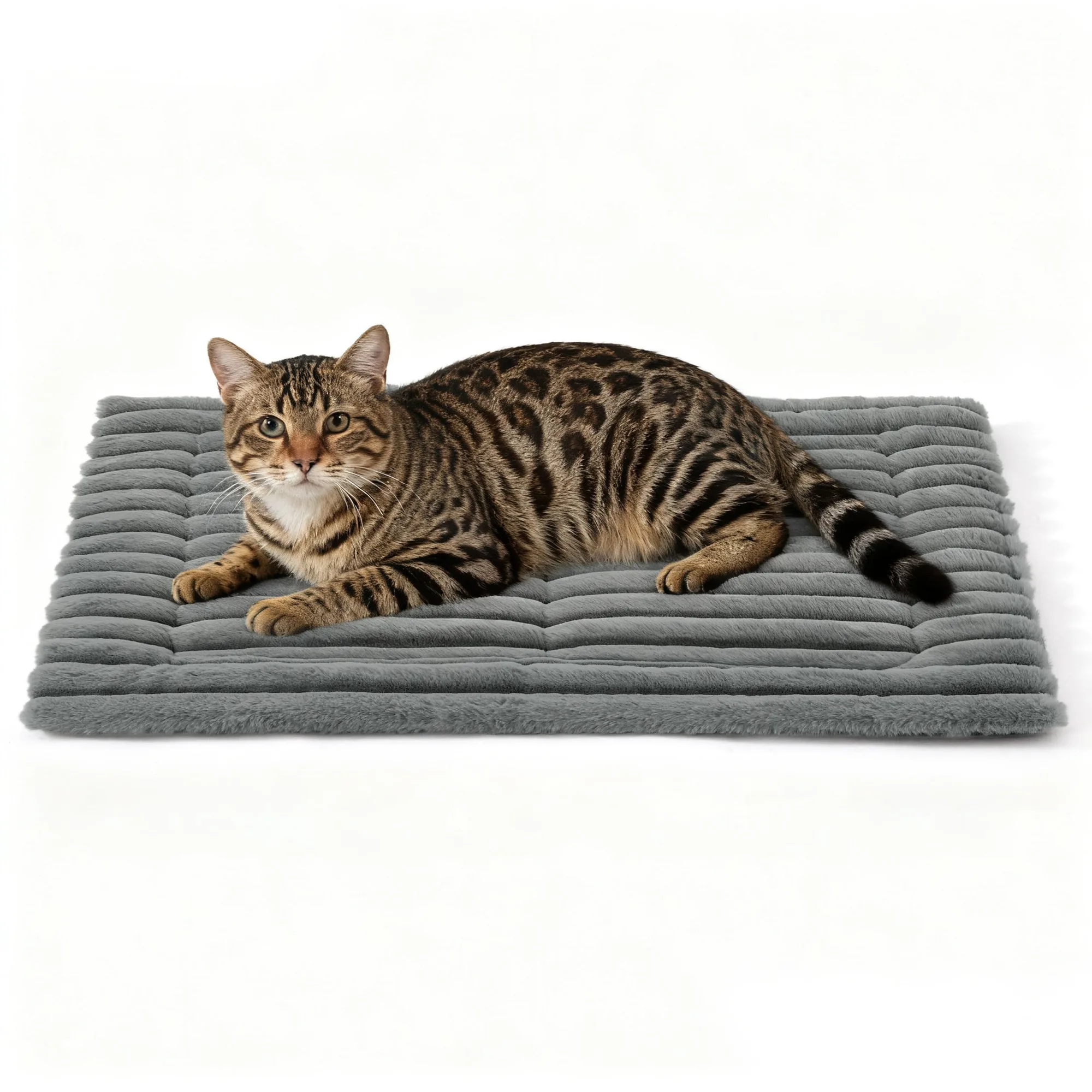
- ComfyFleece® Self-Warming Dog Mat: ComfyFleece® Self-Warming Dog Mat uses energy-saving self-warming technology that absorbs, holds, and reflects pets' body heat, with no external power required. No cord means no chew or shock risk, so it can stay in a crate or favorite nap spot even when you are not watching.
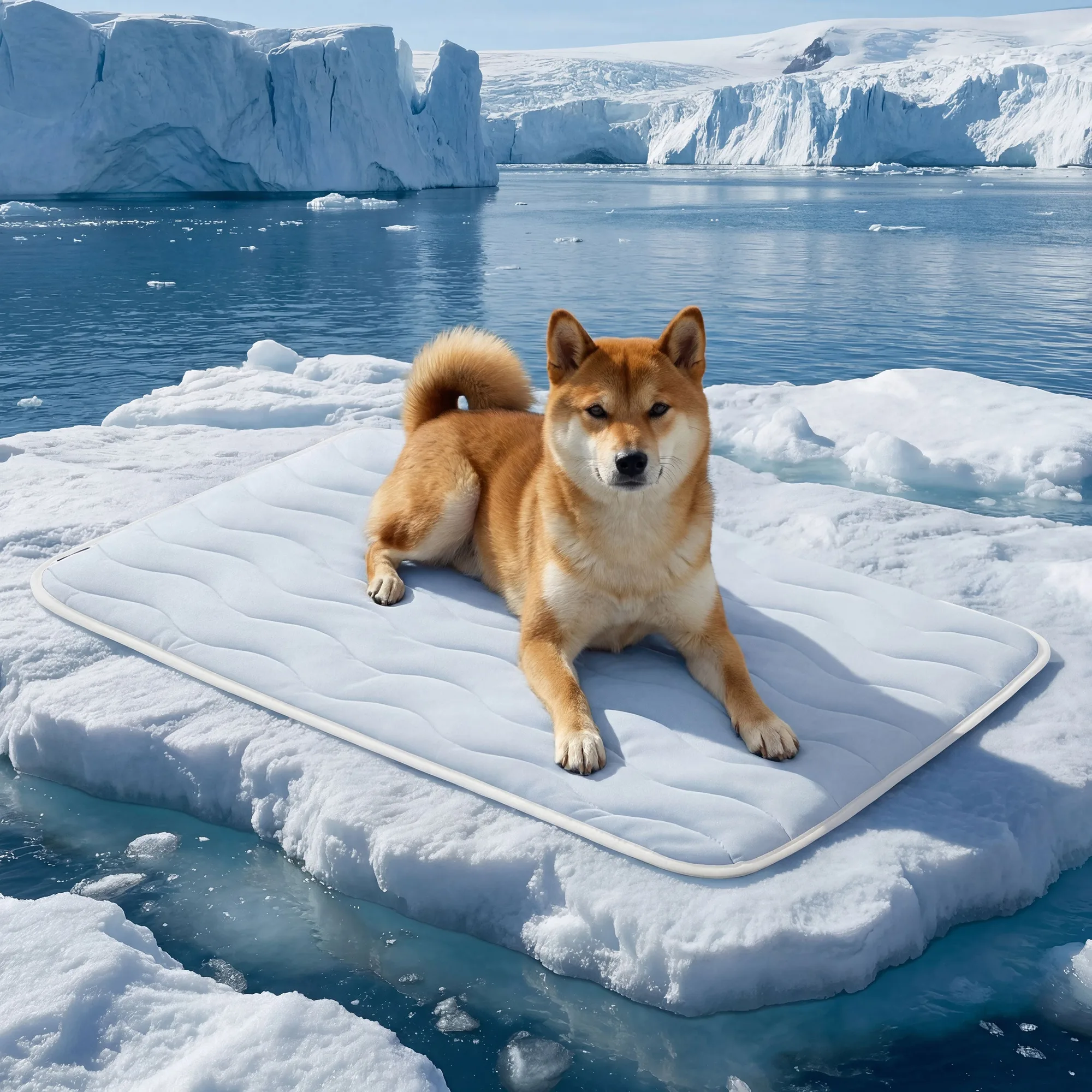
- Wave Cooling Dog Mat: Wave Cooling Dog Mat has a cool-to-the-touch fabric and a non-slip bottom with machine-washable construction. A useful option for pets that overheat easily or for warm months when added heat is the wrong choice.
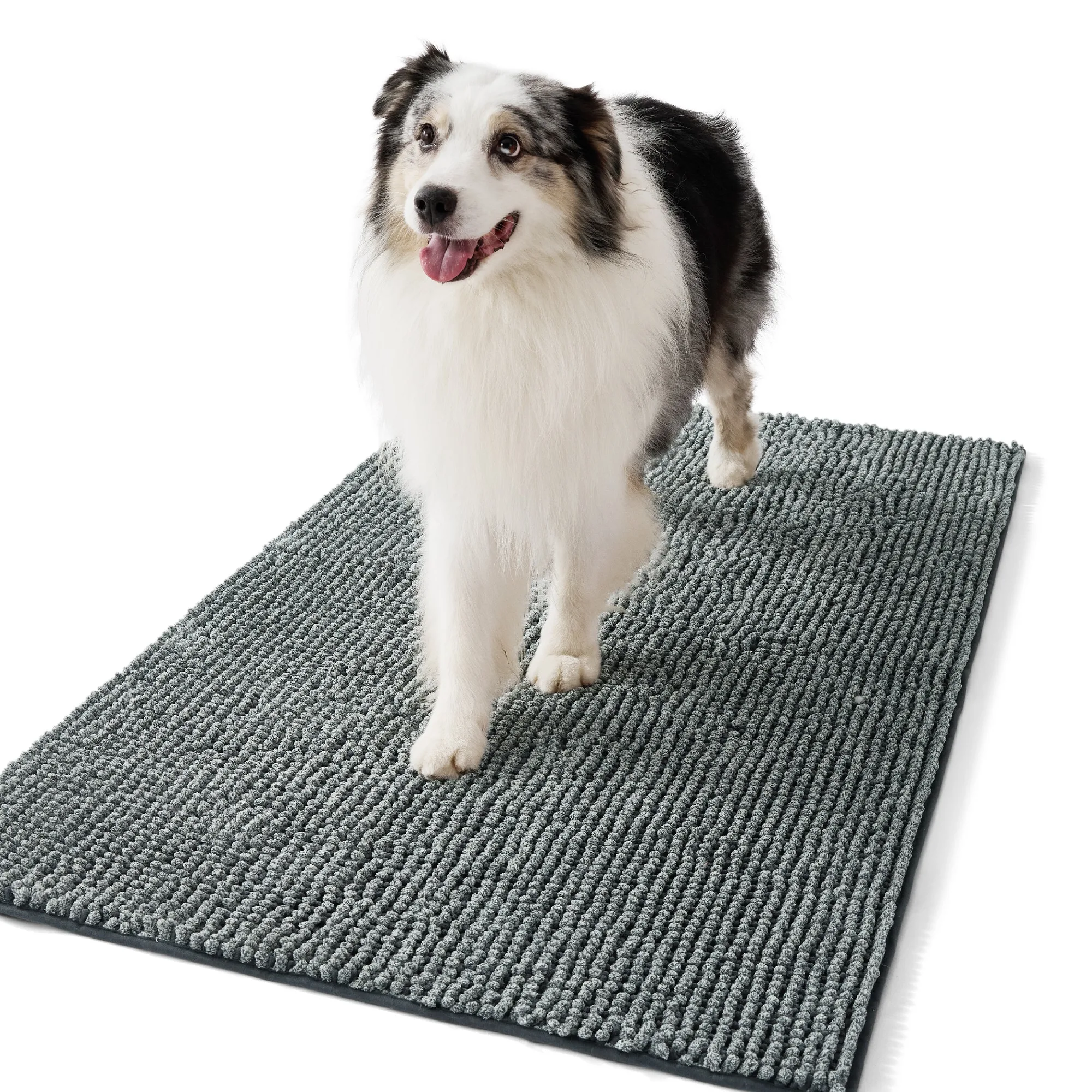
- Dog Doormat For Muddy Paws: Dog Doormat For Muddy Paws uses staggered chenille fibers and 1600gsm high-density microfibers to trap mud, dirt, water, and debris, with a non-slip TPR backing. Keeps the area around your pet's sleeping spot drier and cleaner, which matters if you are managing wet paws near bedding.