Quick answer
A heated mattress pad warms you from below, so it's better for cold rooms, couples, and anyone who wants consistent, full-body warmth without a heavy layer on top. A heated blanket wraps you in warmth and is easier to move from couch to bed, but it can feel bulky and may leave your back cool. For most people, a heated mattress pad is the better primary choice for sleeping; a heated throw works best as a supplemental layer.
If you're tired of climbing into a cold bed, you've probably weighed a heated blanket against a heated mattress pad. Both plug in and both warm you up, but they deliver heat in opposite directions—one from above, one from below. That difference shapes how warm you actually feel, how well you sleep, and how much you'll use each one.
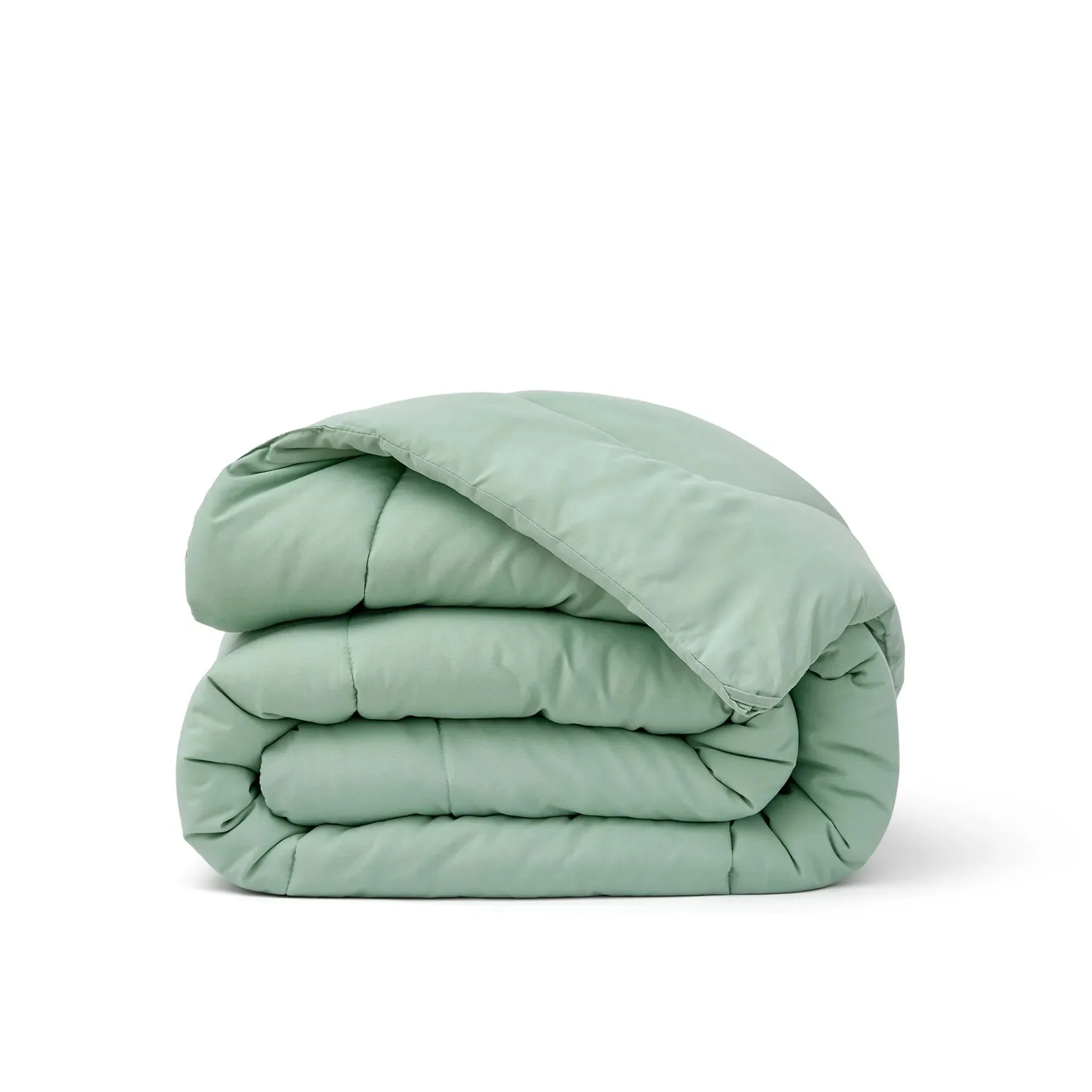
This comparison breaks down the real trade-offs so you can pick the right heated bedding for your room, your sleep style, and your budget. We'll also look at how a heated throw fits into the mix and when a non-heated layer like a Down Alternative Comforter makes more sense.
Down Alternative Comforter
How heated blankets and heated mattress pads actually warm you
A heated mattress pad lies flat on your mattress under the fitted sheet. Its wires or heating elements warm the surface beneath you, so heat rises into your body and stays trapped under your blankets. Because the heat source is below you, it warms your whole body evenly—back, shoulders, and legs—without needing to drape anything over you. This is the core heated mattress pad benefit: consistent, full-contact warmth that doesn't shift when you move.
A heated blanket, by contrast, sits on top of you like a regular blanket. It warms the air around your body and the top layer of your bedding. You can wrap it around your shoulders, take it to the couch, or fold it at the foot of the bed. The trade-off is that heat comes from one direction, so your back may stay cool against the mattress, and the blanket can feel heavy or restrictive if you're a restless sleeper.
- If you hate a cold mattress against your back, a heated mattress pad solves that directly.
- If you want warmth you can carry to the sofa, a heated blanket or heated throw is the more flexible pick.
Warmth, coverage, and comfort compared
Heated mattress pads typically cover the whole sleeping surface, so two sleepers get consistent warmth across the bed. Many models have dual controls, letting each side set its own temperature—a real advantage if you sleep hot and your partner sleeps cold. The pad stays in place under the sheet, so there's nothing to adjust at night. The downside is that it's tied to the bed; you can't take it to the couch, and you'll still want a comforter or blanket on top to trap the heat.
Heated blankets and throws are more portable and often feel cozier because the soft fabric is right against you. But coverage varies: a throw covers your lap or torso, while a full-size heated blanket covers more of the bed. They can be harder to share, since one control usually governs the whole blanket. If you want a heated throw blanket comparison, look at size, cord length, and whether the controller is easy to reach from bed.
- Couples who run different temperatures should prioritize a dual-control heated mattress pad.
- Solo sleepers who want warmth plus portability can pair a heated throw with a regular comforter.
Energy use, safety, and maintenance
Both heated blankets and heated mattress pads use similar wattage—often in the 60–100 watt range for a full or queen size—so running either one for a few hours costs roughly the same. The bigger factor is how long you leave it on. Using a timer or auto-off feature keeps energy use predictable and reduces the risk of overheating. Always follow the manufacturer's instructions for safe use, and never bunch a heated product under pillows or other bedding.
Maintenance differs slightly. Most heated mattress pads are designed to lie flat and may be spot-clean only, while many heated blankets are machine washable after the controller is unplugged. Check the care label before buying. If you want a washable, non-electric layer for extra warmth, a Down Alternative Comforter with box-stitching keeps filling in place and can be used year-round.
- Look for auto-off and adjustable heat settings on either product.
- Unplug the controller before washing, and follow the care tag exactly.
When a non-heated layer is the smarter buy
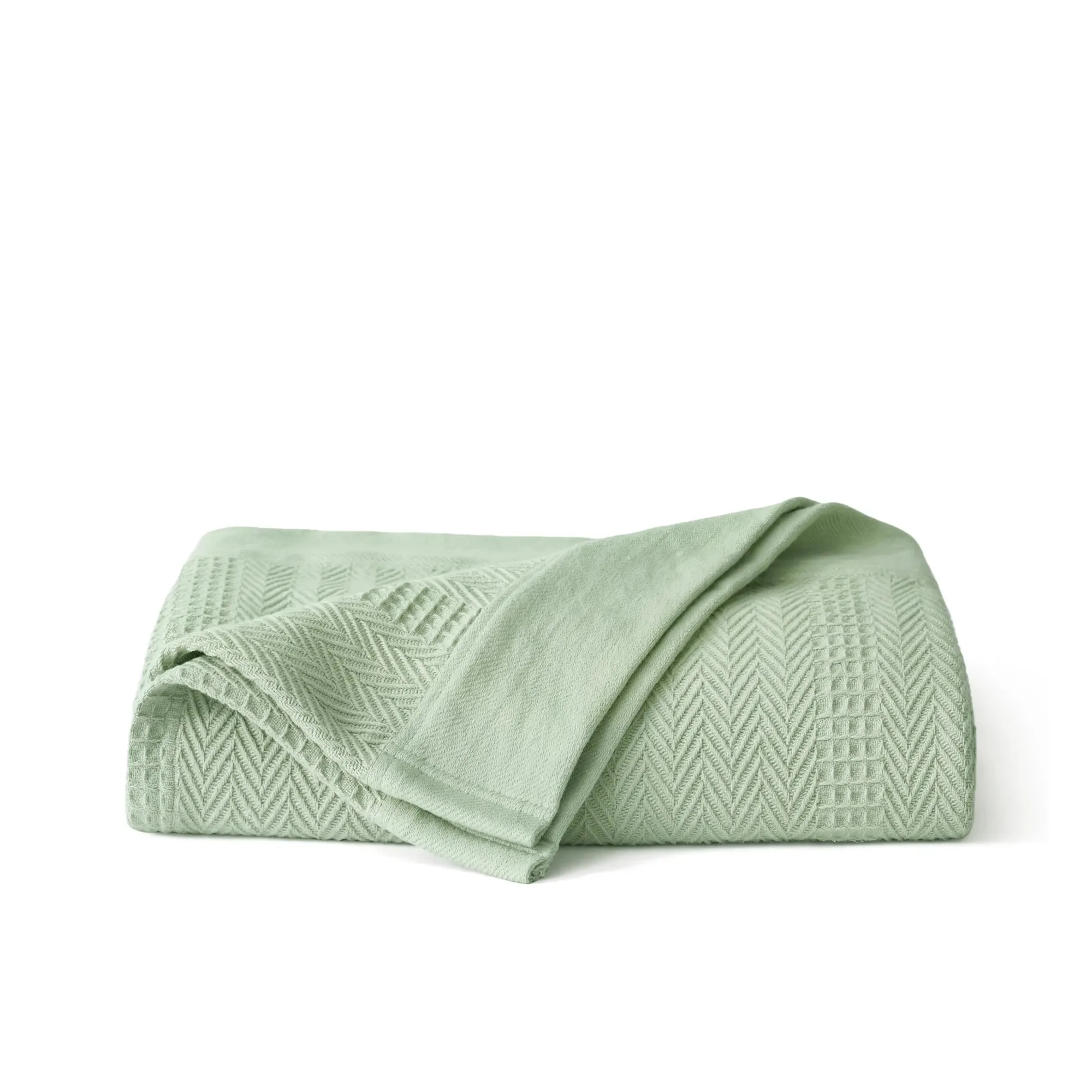
If your room is only mildly cool, you may not need electric bedding at all. A well-made comforter or blanket can trap your body heat effectively and costs less to run. The Down Alternative Comforter uses GentleSoft filling that balances winter warmth and summer coolness, and its box-stitching prevents cold spots. For a breathable, all-season option, the Organic Cotton Waffle Herringbone Blanket is GOTS and OEKO-TEX certified organic cotton that softens with every wash.
Organic Cotton Waffle Herringbone Blanket
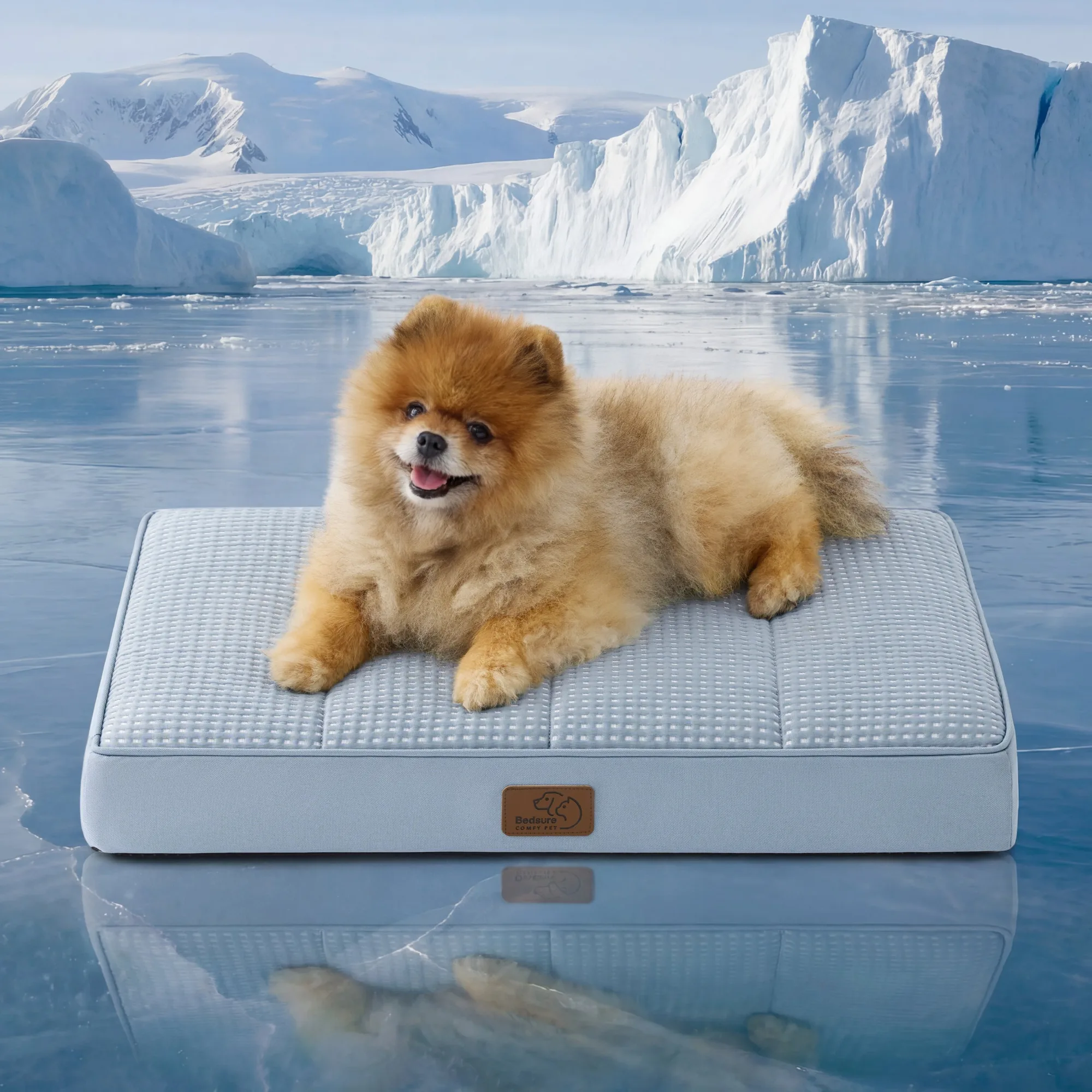
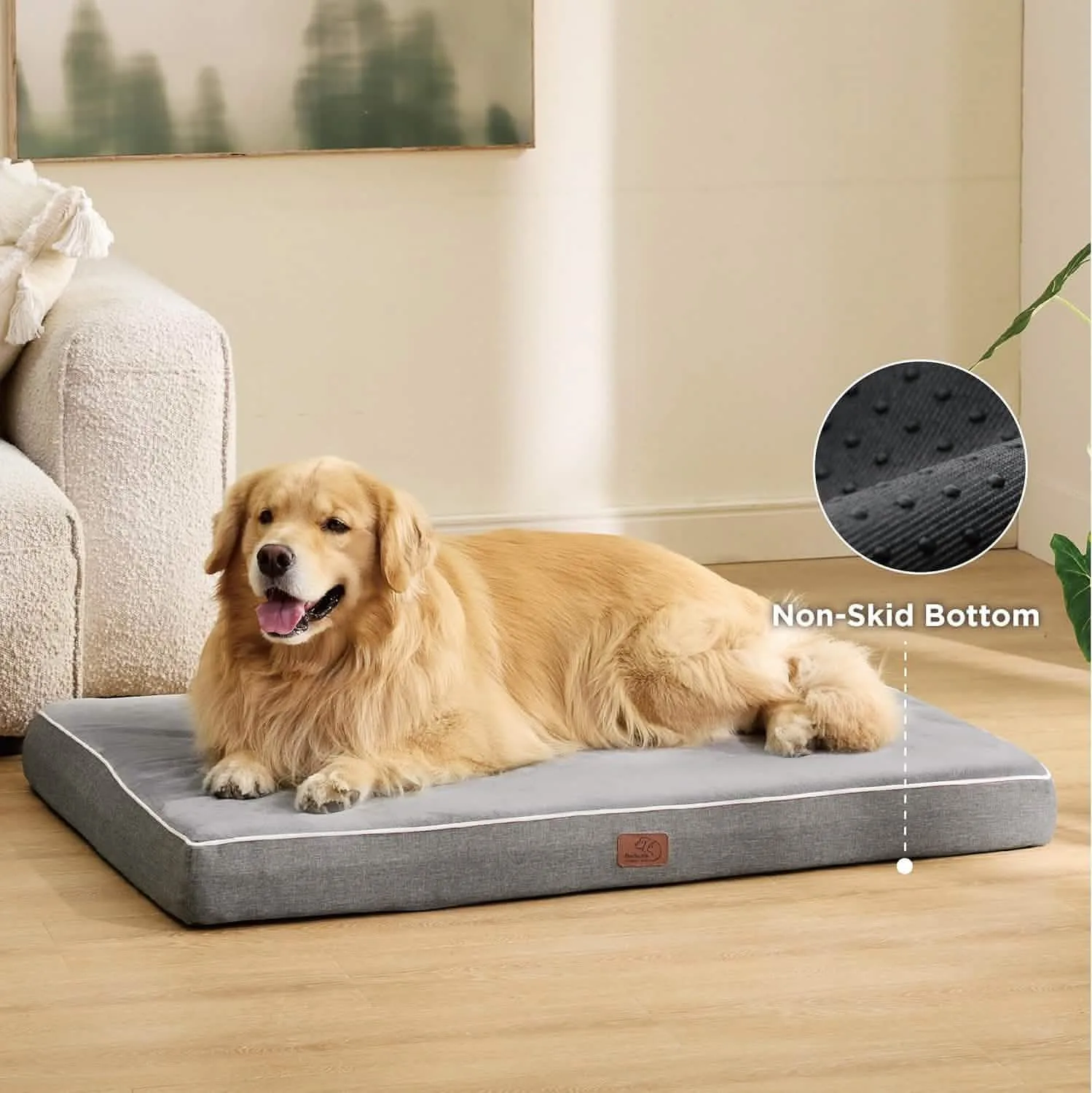
For pets, the Orthopedic Cooling Dog Bed and Orthopedic Memory Foam Dog Bed offer supportive foam for joints, while the Rectangle Pet Bed provides raised bolsters and a non-slip base. These aren't heated, but they show how targeted materials—cooling fabric, memory foam, high-loft fiber—can address comfort without electricity. The same logic applies to your bed: sometimes the right fabric beats a plug.
- Try a breathable organic cotton blanket first if you overheat easily.
- Use a heated mattress pad or blanket only for the coldest months to extend its life.
Trade-offs to weigh before you buy
- Heat direction: A heated mattress pad warms from below for full-body coverage; a heated blanket warms from above and may leave your back cool. Choose a pad for even warmth, a blanket for portability.
- Sharing the bed: Heated mattress pads often offer dual controls so each sleeper sets their own temperature; heated blankets usually have one control for the whole blanket. Couples with different preferences should lean toward a pad.
- Portability: A heated blanket or throw moves from bed to couch easily; a mattress pad stays on the bed. If you want warmth while reading or watching TV, add a throw.
- Maintenance: Many heated blankets are machine washable after unplugging; heated mattress pads may be spot-clean only. Check the care label before committing.
Product facts that matter for this choice
- Down Alternative Comforter: GentleSoft filling balances winter warmth and summer coolness, and box-stitching locks filling in place to prevent cold spots. If you want warmth without electricity, this comforter traps heat evenly and works year-round, making it a strong non-heated alternative.
- Organic Cotton Waffle Herringbone Blanket: 100% GOTS and OEKO-TEX certified organic cotton, breathable for summer and warm for winter, softening with every wash. A breathable layer like this can reduce the need for electric heat if your room is only mildly cold, and it's gentle for sensitive skin.
- Orthopedic Memory Foam Dog Bed: Dual-layer high-density memory foam with a soft top layer distributes weight and relieves pressure on joints; not recommended for pets with chewing behavior. Shows how targeted foam support works for pets, mirroring how a heated mattress pad supports your body from below.
- Orthopedic Cooling Dog Bed: Cool-to-the-touch fabric absorbs body heat, with a 3-layer breathable structure for airflow. A reminder that cooling materials exist for warm sleepers—useful if you overheat and only need spot warmth from a heated throw.
Which heated bedding is right for you?
Best for
- People in cold rooms who want consistent, full-body warmth all night
- Couples who sleep at different temperatures and need dual controls
- Anyone who dislikes the feel of a heavy blanket on top
Not for
- Sleepers who want warmth they can carry to the couch or travel with
- Those who prefer a cozy, wrap-around layer directly against the skin
- People who only need occasional warmth and would do fine with a breathable cotton blanket or down alternative comforter
For most cold-room sleepers, a heated mattress pad delivers more even, consistent warmth and better sharing options than a heated blanket. But if portability and a cozy top layer matter more to you, a heated blanket or throw is the better fit. Match the choice to how you actually sleep, and you'll stay warm without wasting energy.