Quick Answer
HEMA-free gel polish is formulated without hydroxyethyl methacrylate, a common acrylate monomer that some people develop sensitivities to. TPO-free means it also skips trimethylbenzoyl diphenylphosphine oxide, a photoinitiator. If you have sensitive nails or a known acrylate reaction, choosing HEMA-free and TPO-free formulas is a smart starting point — but it does not guarantee zero reaction risk.
If you've spent any time browsing gel polish lately, you've seen the labels: HEMA-free, TPO-free, HPMA-free. They sound reassuring, but what do they actually mean? And do they matter for your nails, or are they just marketing buzzwords?
Let's cut through the confusion. This guide breaks down the most common claims about HEMA-free gel polish, gives each one a clear verdict, and explains what to look for when your nails need a gentler option.
What HEMA and TPO Actually Are
HEMA stands for hydroxyethyl methacrylate. It's a small-molecule acrylate monomer widely used in gel polish, acrylics, and nail adhesives because it helps formulas cure hard and bond well. TPO, or trimethylbenzoyl diphenylphosphine oxide, is a photoinitiator — the ingredient that helps the gel react to UV or LED light and set. Both are common in traditional gel systems.
Some people develop an allergic response to acrylates after repeated skin contact, and HEMA is one of the more frequently cited culprits. TPO has also drawn attention as a potential sensitizer. That's why you now see HEMA-free and TPO-free gel polish options. But removing one or two ingredients doesn't automatically make a formula hypoallergenic — it just removes specific known triggers.
- HEMA = hydroxyethyl methacrylate, a small acrylate monomer
- TPO = trimethylbenzoyl diphenylphosphine oxide, a photoinitiator
- HEMA-free and TPO-free labels tell you what's not in the bottle, not everything that is
Myth: HEMA-Free Means You Can't Have a Reaction
Verdict: False. HEMA-free gel polish can still contain other acrylates like HPMA or TMPTA, which may also trigger sensitivities in some people. A HEMA-free label is a useful filter, not a guarantee. If you've had a confirmed acrylate allergy, patch testing and professional guidance still matter.
That said, HEMA-free formulas are often a better starting point for sensitive nails because they remove one of the most common sensitizers. Many brands, including options at La Catrina Nails. TX, also skip TPO and sometimes HPMA and TMPTA. The more of these you can avoid, the lower your exposure to known triggers — but 'lower' isn't 'zero.'
- Check the full ingredient list, not just the front label
- If you've reacted before, introduce one new product at a time
- When in doubt, consult a dermatologist before using any gel product
Myth: TPO-Free Is Just a Marketing Gimmick
Verdict: Partly false. TPO is a legitimate photoinitiator used in many gel formulas, and it has been identified as a potential contact sensitizer. For someone with sensitive nails or a history of reactions, avoiding TPO is a reasonable precaution, not just hype. However, TPO-free doesn't mean the polish is automatically safe for everyone — other ingredients can still cause issues.
If you're specifically trying to reduce your exposure to known acrylate sensitizers, looking for both HEMA-free and TPO-free on the label makes sense. It narrows the field to formulas that have removed two common triggers.
- TPO-free is meaningful if you're trying to avoid known sensitizers
- It's not a free pass — read the rest of the ingredient list too
- Combine HEMA-free and TPO-free for a more targeted approach
Myth: Sensitive Nails Need to Give Up Gel Polish Entirely
Verdict: Not necessarily. Many people with sensitive nails do fine with HEMA-free, TPO-free formulas when they apply carefully and avoid skin contact. The key is proper application: keep gel off your cuticles and surrounding skin, cure fully, and don't pick or peel your manicure. Sensitization often develops from repeated skin exposure, not from the product sitting on the nail plate itself.
If you're new to gel or coming back after a reaction, start with a simple set using a HEMA-free and TPO-free polish. La Catrina Nails. TX carries several options that fit this category, so you can test one color before committing to a full collection.
- Apply precisely — avoid flooding cuticles or sidewalls
- Cure according to the lamp and polish instructions
- Never peel or pick gel off; that damages the nail and increases risk
Myth: All HEMA-Free Polishes Perform the Same
Verdict: False. HEMA-free formulas vary widely in pigment load, cure speed, and wear time. Some are thin and need multiple coats; others are highly pigmented and cover in one or two. The absence of HEMA doesn't tell you anything about color payoff, durability, or how the polish behaves with different lamps.
When you're shopping, look for specific product details. For example, Love Triangle ~ Korean Gel Polish ~ HEMA/TPO/HPMA/TMPTA Free is described as a dusty rose with mauve undertones — a bold yet balanced shade. That kind of color description helps you choose based on what you actually want, not just the free-from list.
Love Triangle ~ Korean Gel Polish ~ HEMA/TPO/HPMA/TMPTA Free
- Read color descriptions and finish details, not just ingredient claims
- Consider cure time and lamp compatibility if you're using a specific lamp
- Sample a single shade before buying a full set
Myth-Busting Verdicts: HEMA-Free Gel Polish Claims
- HEMA-free means no reaction risk: HEMA-free formulas can still contain other acrylates like HPMA or TMPTA that may cause sensitivities in some people. Verdict: False. Use HEMA-free as a filter, not a guarantee.
- TPO-free is just marketing: TPO is a real photoinitiator that has been identified as a potential sensitizer, so avoiding it can be a meaningful precaution for sensitive users. Verdict: Partly false. It's a legitimate consideration, but not a complete solution.
- Sensitive nails can't use gel polish at all: Many people with sensitive nails do well with HEMA-free, TPO-free formulas when they apply carefully, avoid skin contact, and cure properly. Verdict: Not necessarily. Technique and product choice both matter.
- All HEMA-free polishes perform the same: Formulas differ in pigment, cure speed, and wear time regardless of whether they contain HEMA. Verdict: False. Judge each polish on its own description and performance.
HEMA-Free and TPO-Free Options to Know
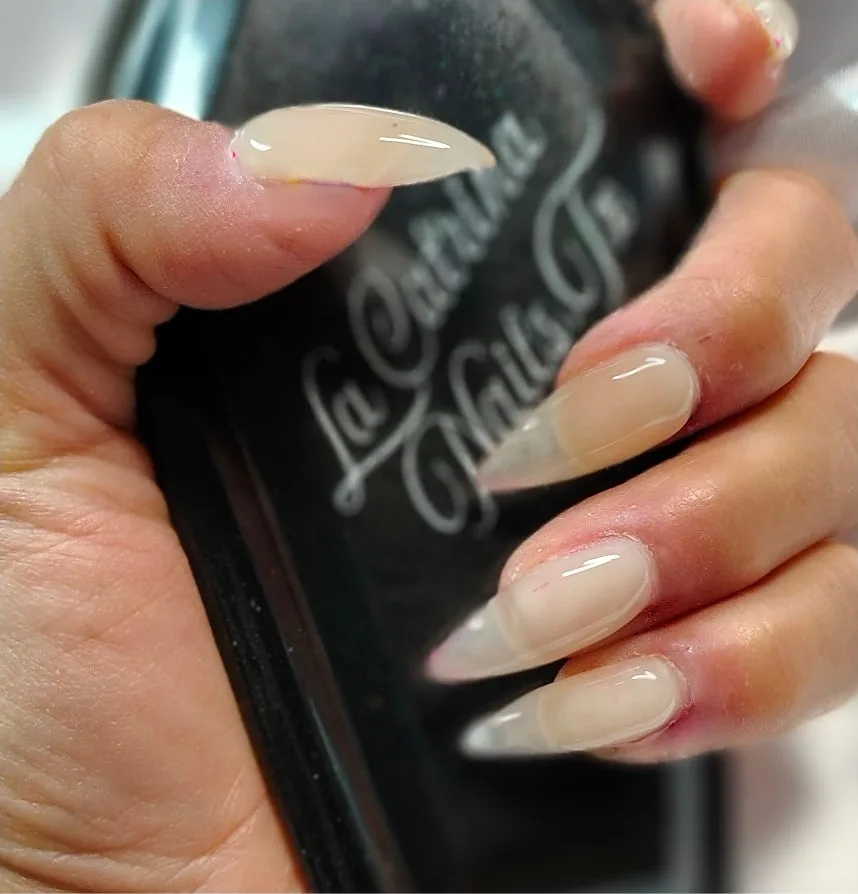
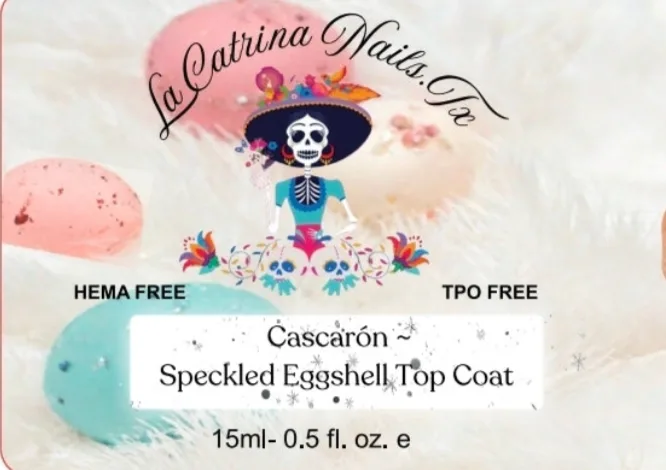
- Cascarón ~ Eggshell Top Coat~HEMA-Free and TPO Free Gel polish: A translucent top coat with fine black flecks that creates a speckled eggshell effect over any gel color. Lets you add a seasonal or playful finish without introducing a separate colored polish that might contain ingredients you're avoiding.
- #1 Crush ~HEMA-Free and TPO Free Gel polish: An electrifying fuchsia shade described as capturing intense, unfiltered devotion. A bold, high-impact color option for anyone building a HEMA-free and TPO-free collection who doesn't want to sacrifice saturation.
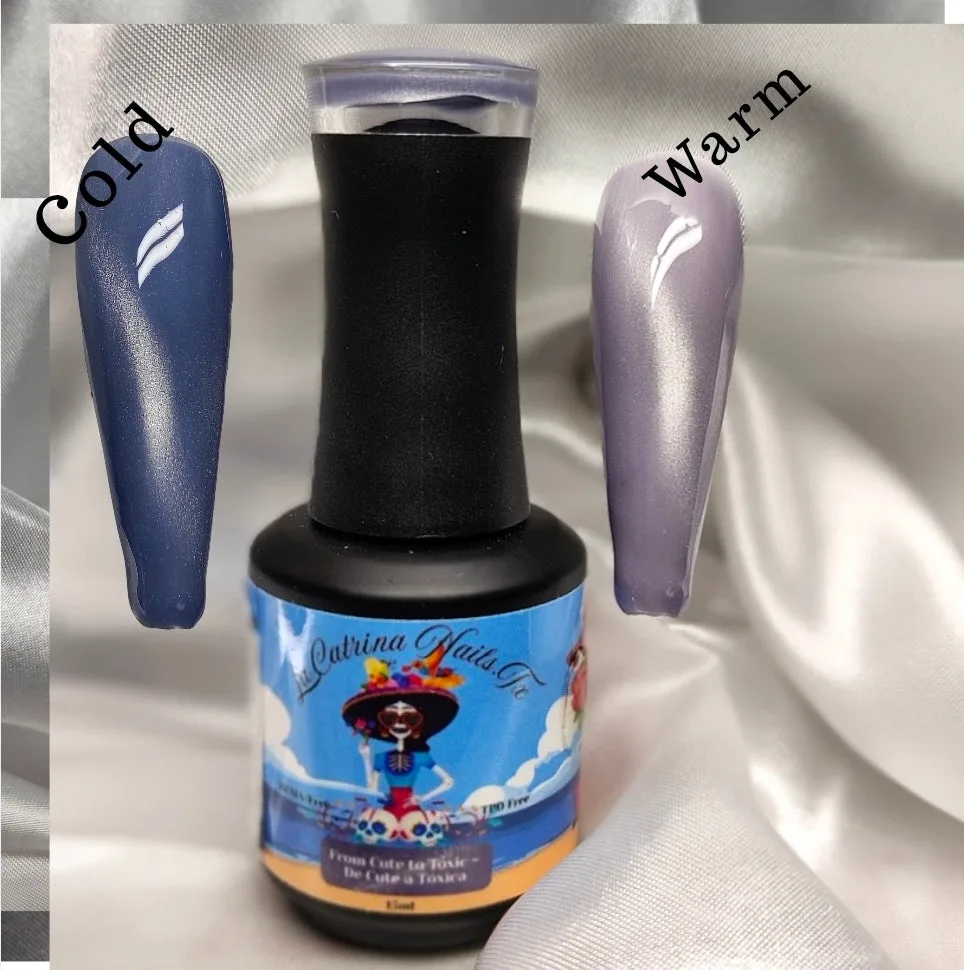
- From Cute To Toxic ~ De Cute a Tóxica ~Thermal Changing Cat Eye Gel Polish ~ HEMA-Free and TPO Free: A thermal-changing cat eye gel polish that shifts between two shades with temperature changes. Shows that specialty effects like thermal and cat eye finishes are available in HEMA-free and TPO-free formulas, so sensitive-nail users aren't limited to basic cremes.
- La Llorona ~Re-Release ~Glow In The Dark ~ HEMA-Free and TPO Free Gel Polish: A translucent pale yellow glow-in-the-dark gel polish inspired by Hispanic folklore. A novelty finish that still meets HEMA-free and TPO-free criteria, useful for seasonal sets or themed manicures.
HEMA-free and TPO-free labels are useful tools for anyone with sensitive nails or a history of gel polish allergies — but they're not magic bullets. Read full ingredient lists, apply carefully to avoid skin contact, and introduce new products one at a time. If you're ready to explore HEMA-free and TPO-free options, La Catrina Nails. TX has a range of shades and finishes to get you started.