Quick answer
Herbal tea is a comfort measure, not an antihistamine. It can ease throat tickle, sinus dryness, and the general misery of allergy season, but it will not stop a histamine response. If your main symptom is sneezing and itchy eyes, an over-the-counter antihistamine will do more than any tea. If your main symptom is a raw throat, post-nasal drip, or sinus pressure, a warm cup of nettle or a lemongrass-feverfew blend can genuinely help you feel better while you ride out the season.
Symptom check: which tea for which allergy complaint
Allergy season hits people differently. Some get the classic sneeze-and-itch combo, others get a plugged sinus headache, and some just feel scratchy and worn down. Match the tea to the complaint instead of grabbing whatever is in the cupboard.
For a raw, tickly throat and post-nasal drip, choose a mucilage-rich or demulcent herb. Nettle leaf is the traditional pick, and it is the most studied herb for hay fever, though the evidence is modest. For sinus pressure and dryness, choose a warming, aromatic blend with cardamom or ginger to encourage steam and thin mucus. For the general fog of allergy season, a gentle lemongrass-feverfew blend gives you a bright, herbaceous cup that is easy to drink several times a day.
- Sneezing and itchy eyes: tea is a comfort measure only; antihistamines do the heavy lifting.
- Raw throat and post-nasal drip: nettle leaf or another demulcent herb, warm and unsweetened.
- Sinus pressure and dryness: warming aromatic blends with cardamom, ginger, or a touch of lemon.
- Allergy fog and low energy: a light lemongrass-feverfew cup, more for ritual than chemistry.
How to brew an allergy-season cup that actually helps
The brewing method matters as much as the herb. For nettle leaf and other leafy herbs, use water just off the boil, about 200°F, and steep covered for 8 to 10 minutes. Covering the cup keeps the volatile oils in the tea instead of in the air. For a sinus-focused cup, lean over the mug and breathe the steam for a minute before you sip. That steam is doing as much work as the tea.
Keep the cup unsweetened or lightly sweetened with honey. Sugar can thicken mucus and work against what you are trying to achieve. If you are drinking tea for a dry, irritated throat, add a teaspoon of honey after the tea has cooled slightly; honey coats the throat and is a well-established cough soother.
Do not drink the same herb all day every day for weeks. Rotate between nettle, lemongrass blends, and plain warm water with lemon. Herbal tea is a gentle nudge, not a treatment protocol.
What herbal tea cannot do for hay fever
Herbal tea will not block histamine. It will not replace a nasal steroid spray, an antihistamine, or allergy shots. If you are sneezing fifteen times in a row, itching, or wheezing, tea is the wrong tool. Wheezing in particular is a red flag: see a doctor rather than self-treating with herbs.
Nettle tea for allergies has some traditional backing and a small amount of preliminary research, but the studies are not strong enough to call it a proven remedy. Treat it as a supportive habit, not a cure. The same goes for feverfew, which is better known for migraine prevention than for hay fever, so do not expect it to clear your sinuses.
If you are pregnant, nursing, or taking blood thinners, check with a clinician before making nettle or feverfew a daily habit. Feverfew in particular can interact with blood-thinning medication.
Allergy symptom diagnosis: cause, action, and stop point
- Sneezing, itchy eyes, runny nose: This is a histamine response. Herbal tea will not stop it. Take an antihistamine if your symptoms interfere with sleep or daily life, and use tea only as a warm, soothing ritual alongside it. If symptoms persist more than a few days or worsen, see a clinician rather than adding more herbs.
- Raw throat and post-nasal drip: Mucus dripping down the back of your throat irritates it. Brew nettle leaf or a lemongrass-feverfew blend, steep covered for 8 to 10 minutes, and add honey once it has cooled slightly. Drink two to three cups a day. If your throat is so sore you cannot swallow, or you see white patches, stop self-treating and get checked for strep or another infection.
- Sinus pressure and facial pain: Congestion and swelling block sinus drainage. A warming aromatic tea with cardamom or ginger, plus steam inhalation from the mug, can ease pressure. Pair it with a saline rinse if your doctor approves. If pressure comes with fever, tooth pain, or symptoms lasting more than 10 days, you may have a sinus infection and need medical care.
- Wheezing or shortness of breath: This is not a tea problem. Wheezing during allergy season can signal asthma or a severe reaction. Do not try to brew your way through it. Seek medical attention promptly. Herbal tea is not appropriate here.
Teas that fit an allergy-season routine
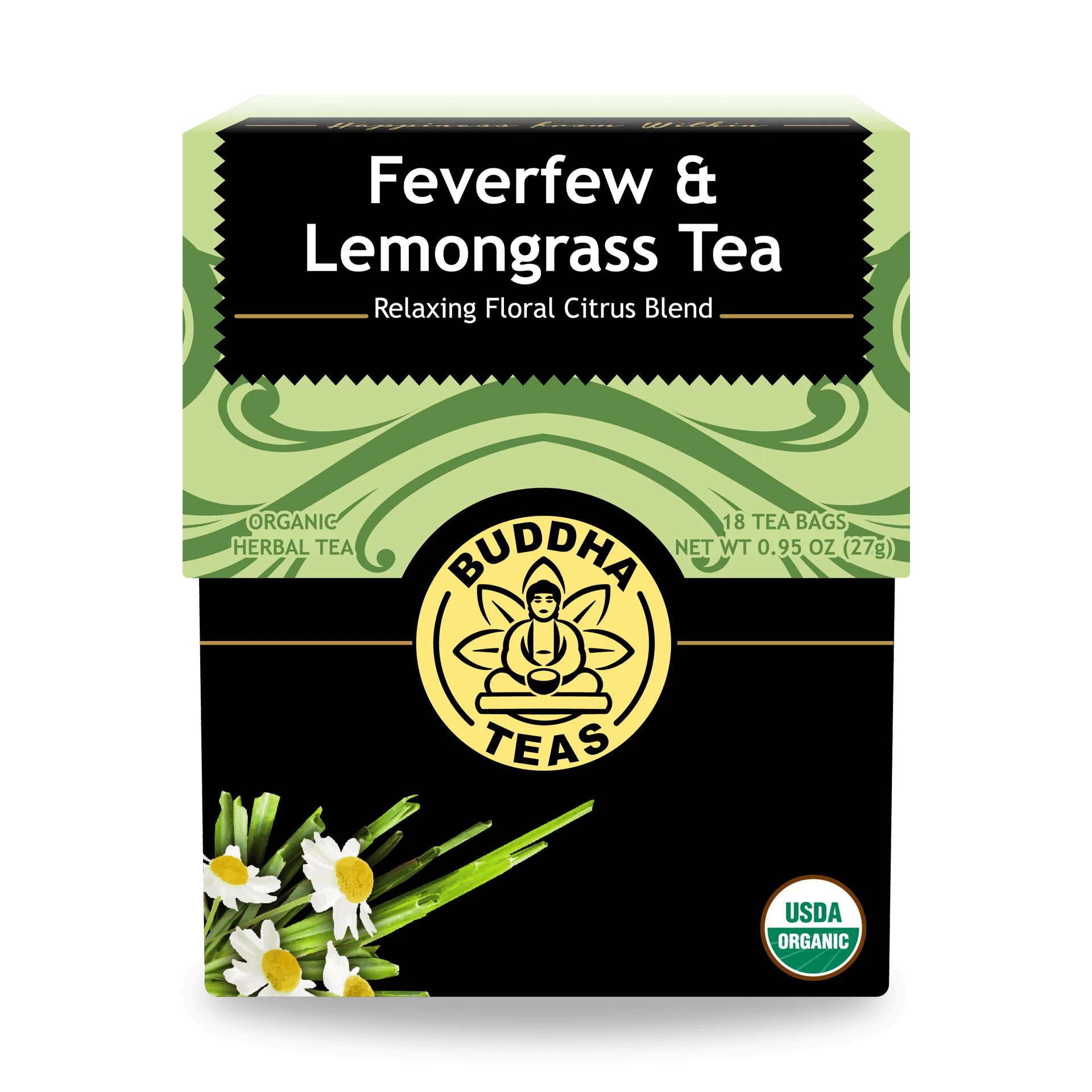
- Feverfew Lemongrass Tea: Feverfew Lemongrass Tea balances citrusy lemongrass with the bold character of feverfew, with no artificial flavorings. A bright, clean cup that is easy to drink when your throat is raw and you want something gentle but not bland; the lemongrass gives it a light citrus lift without added sugar.
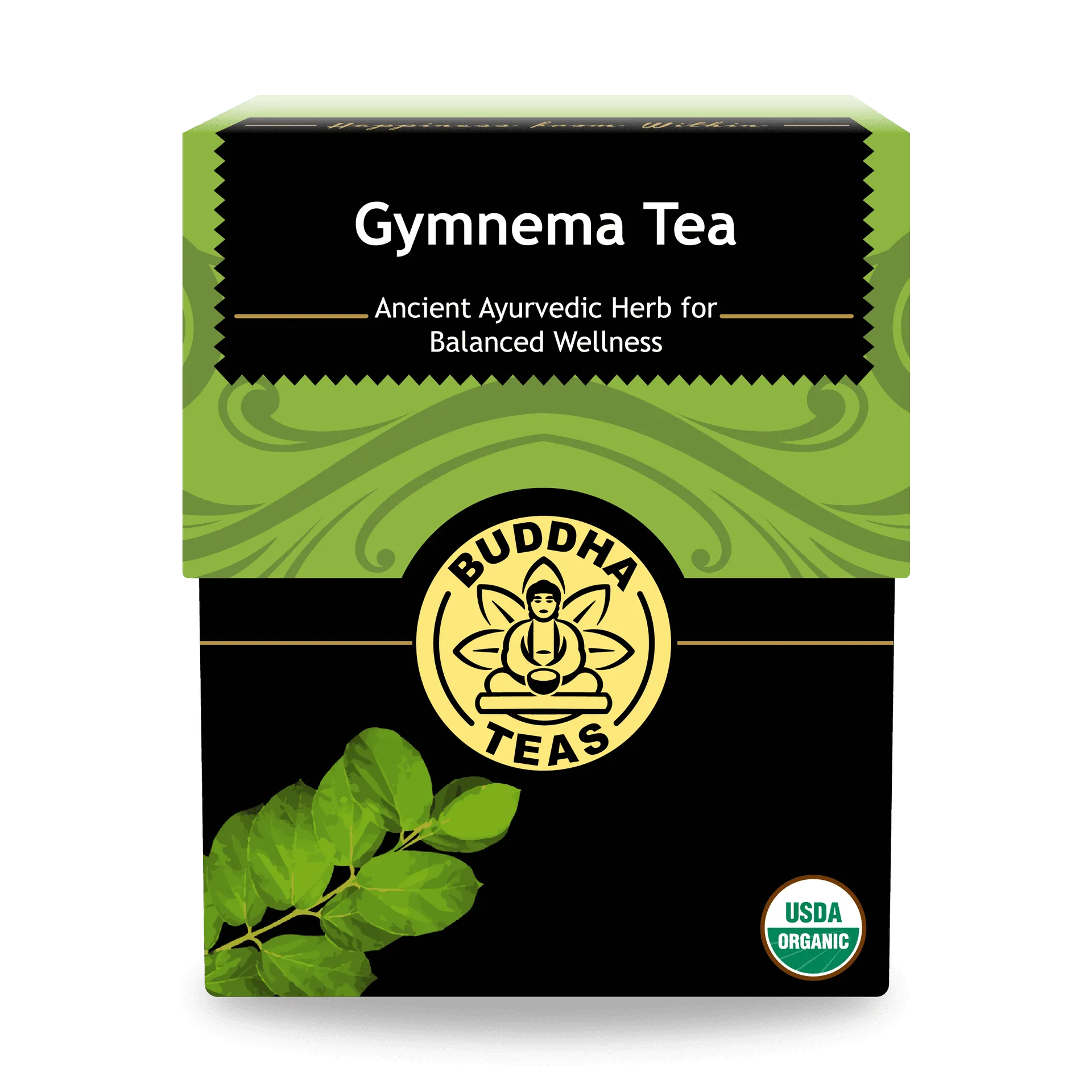
- Gymnema Tea: Organic Gymnema Leaf Tea is a single-ingredient tea delivered in bleach-free and plastic-free tea bags. If you want a plain, additive-free cup during allergy season and prefer to avoid synthetic flavorings, this is a straightforward option, though gymnema is traditionally used for blood sugar support rather than allergy symptoms.
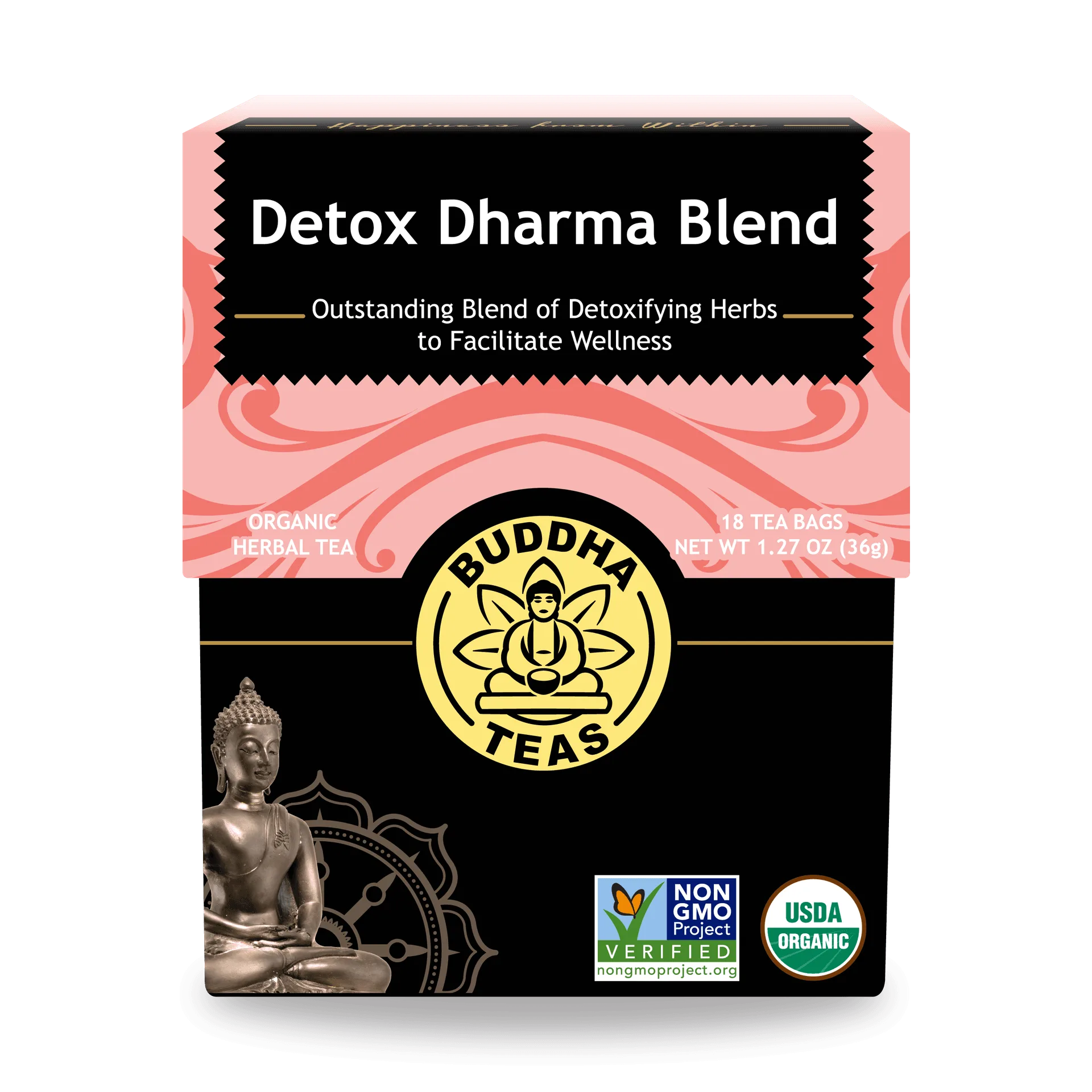
- Detox Dharma Blend: Detox Dharma Blend is a warming, root-forward infusion with pure botanicals and zero hidden additives, packaged in compostable materials. The warming spice profile can make a comforting cup when sinus pressure has you feeling chilled and congested, and the eco-friendly packaging matters if you are drinking several cups a day through allergy season.