Quick answer
https://maisoncrivellidz.com/products/hibiscus-mahaj-d-347560Hibiscus Mahajád is the warmer, more enveloping choice: a honeyed, sunlit floral for evening and cool weather. Rose Saltifolia is the fresher, more crystalline choice: a Centifolia rose lifted by salty marine air, ideal for daytime and warm months. Neither is objectively better, but if you want a floral extrait that feels cocooning, pick Hibiscus Mahajád; if you want one that feels crisp and transparent, pick Rose Saltifolia.
How the two florals differ in character
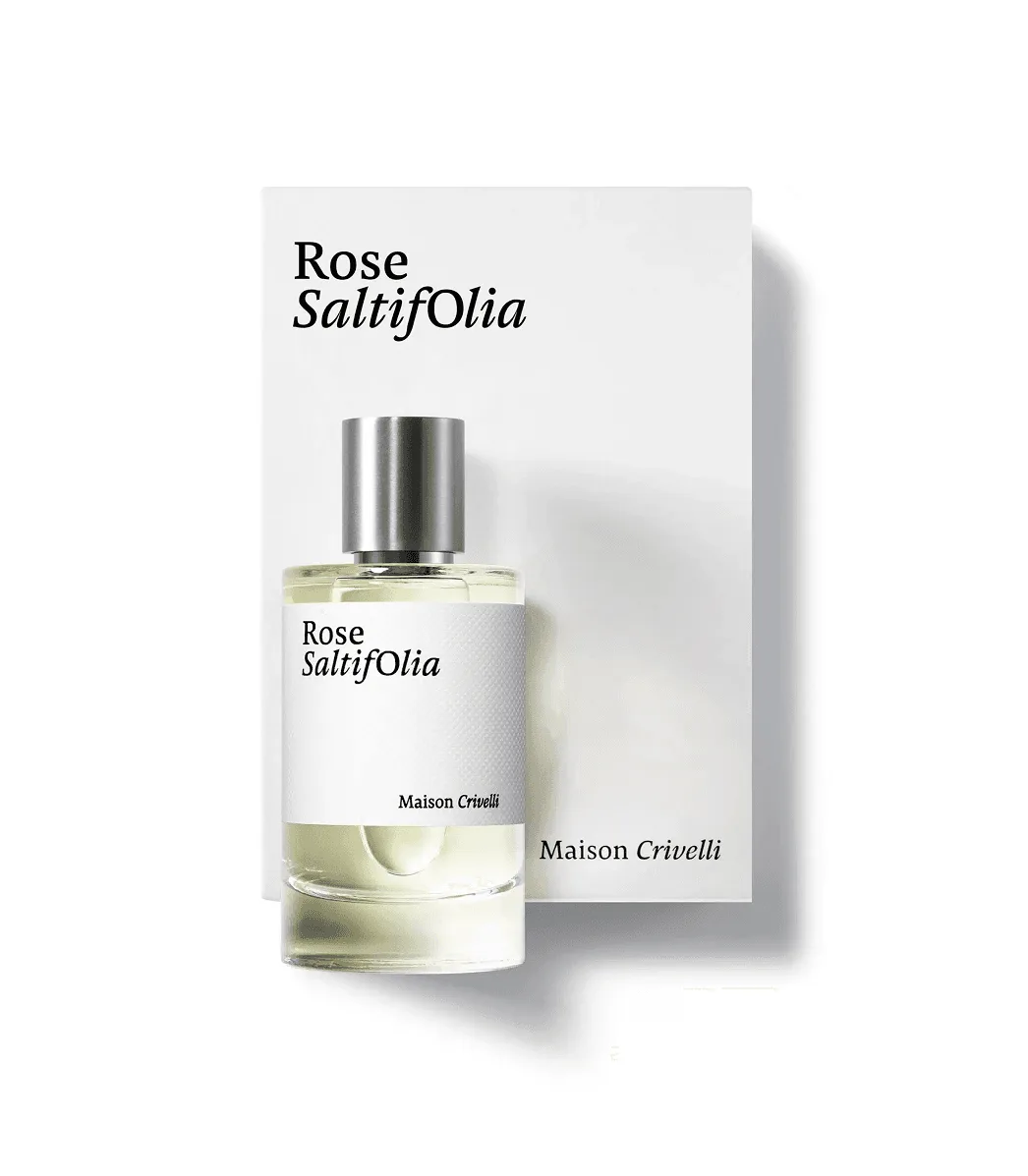
Hibiscus Mahajád and Rose Saltifolia sit at opposite ends of the floral spectrum. Hibiscus Mahajád uses hibiscus as its central flower, giving a rounded, nectar-like quality that reads as warm and slightly exotic. Rose Saltifolia builds on Centifolia rose, a variety known for its rich, honeyed facets, but pairs it with a salty seaweed absolute that pulls the rose in a sparkling, almost mineral direction. The result is a rose that feels like sea air rather than garden potpourri. If you are deciding between the two, focus less on the flower name and more on the finish: Hibiscus Mahajád dries down soft and enveloping, while Rose Saltifolia stays bright and saline.
Occasion, season, and wear time
Both are extraits de parfum, so expect a concentrated composition that sits close to the skin and lasts through a working day or an evening. The difference is in how they perform in different conditions. Hibiscus Mahajád's warmth can feel heavy in high heat, so it works best in autumn, winter, or air-conditioned evenings. Rose Saltifolia's salty freshness is more forgiving in warm weather and reads as polished in daytime settings, from the office to a seaside lunch. If you want one floral for year-round wear, Rose Saltifolia is the more flexible; if you want a signature for cooler months, Hibiscus Mahajád delivers more presence.
How to test both before committing
Skin chemistry changes florals more than almost any other family, so test on skin rather than paper. Apply one spray to each inner wrist in the morning and live with it for a full day; hibiscus and rose can both shift noticeably after the first hour. If you are unsure between the two, the Coffret Découverte Extraits de Parfum lets you sample 1.5 ml vials of Maison Crivelli extraits, and the purchase value comes back as a gift code toward a future order. That makes it a low-risk way to compare Hibiscus Mahajád and Rose Saltifolia side by side before buying a full bottle.
Trade-offs at a glance
- Scent character: Hibiscus Mahajád is warm, honeyed, and enveloping; Rose Saltifolia is crisp, saline, and crystalline. Choose by finish, not by flower: warm vs fresh.
- Season and occasion: Hibiscus Mahajád suits cool weather and evening wear; Rose Saltifolia suits warm weather and daytime. If you need one floral for year-round daytime, Rose Saltifolia is the safer pick.
- Testing path: The Coffret Découverte Extraits de Parfum provides 1.5 ml samples and a gift code equal to its value toward a future order. Sample both on skin before buying a full bottle.
Product facts that shape the choice
- Rose Saltifolia: Rose Saltifolia is built on a Centifolia rose paired with a salty seaweed absolute, inspired by a walk by the sea among freshly opened roses. The marine note keeps the rose bright and saline rather than sweet, which makes it easier to wear in warm weather and daytime settings.
- Coffret Découverte Extraits de Parfum: The Coffret Découverte Extraits de Parfum contains 1.5 ml samples of Maison Crivelli extraits and includes a gift code equal to its purchase value for a future order. It is the most practical way to compare Hibiscus Mahajád and Rose Saltifolia on your own skin without committing to a full bottle.
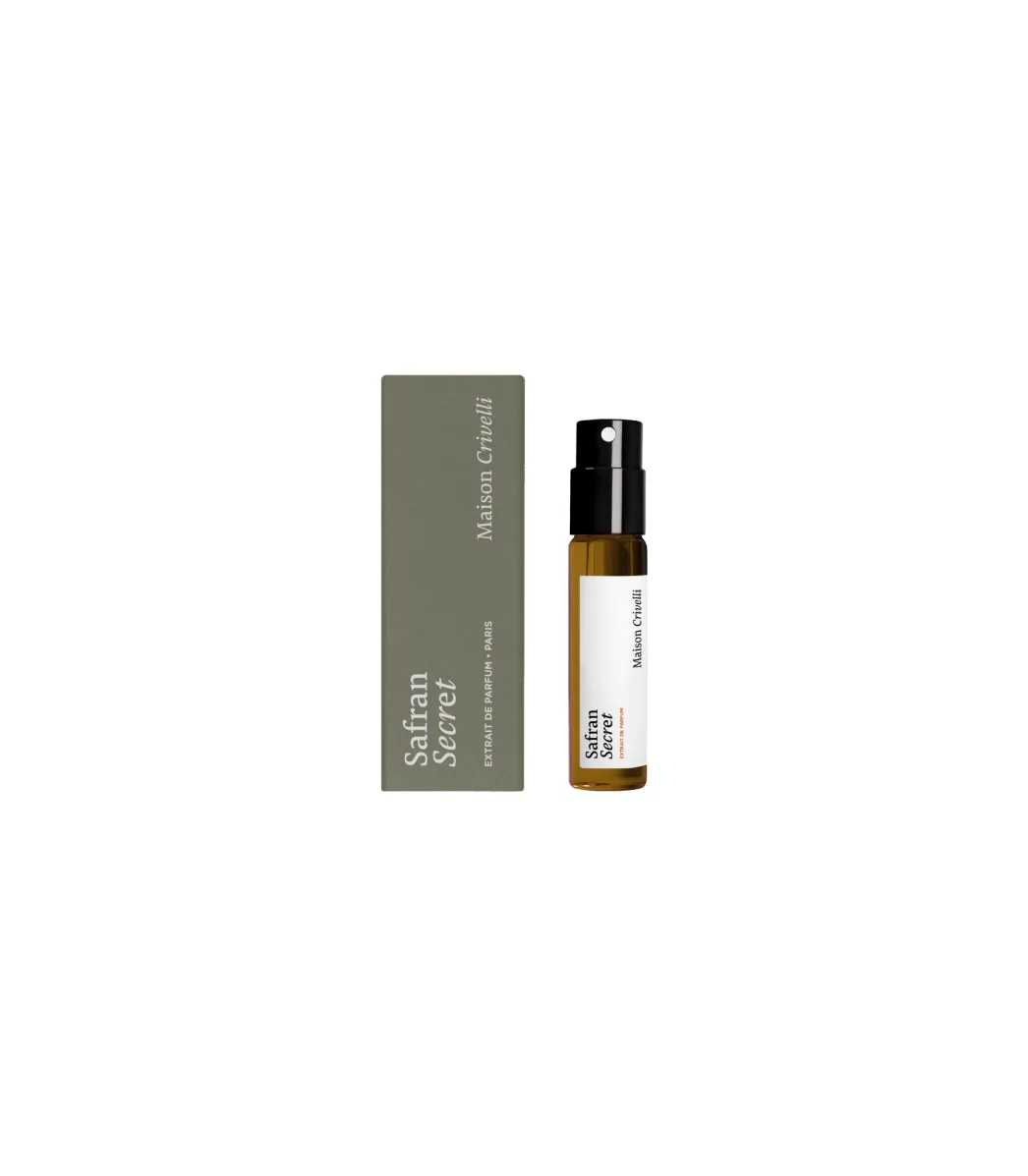
- Safran Secret: Safran Secret is part of the Mystères Olfactifs collection and was inspired by Thibaud Crivelli discovering saffron fields covered in thick fog. If neither floral feels right, this spicier extrait is a grounded alternative within the same house for anyone who prefers warmth without a sweet floral profile.
Which floral fits you
Best for
- Evening and cool-weather wear where you want a warm, enveloping floral
- Anyone who prefers a honeyed, slightly exotic floral over a fresh rose
- Shoppers building a small extrait wardrobe around one signature scent
Not for
- High-heat daytime wear where a fresh, saline floral is more comfortable
- Anyone who dislikes sweet or nectar-like florals
- Shoppers who want a single year-round floral without testing on skin first