Quick answer
Choose a high protein smoothie box if your main goal is muscle recovery, satiety, or hitting a daily protein target. Choose a regular smoothie subscription if you want variety, fruit-forward flavors, and a lower cost per serving. There is no single best protein smoothie delivery for everyone; the right pick depends on your protein needs and budget.
Smoothie subscriptions are not all built the same. Some are designed around protein, with added powders or high-protein ingredients, while others focus on fruit, greens, and overall variety. Knowing which type matches your goals can save you money and help you get the results you want.
This comparison breaks down the trade-offs between high protein smoothie boxes and regular smoothie subscriptions. You will see how they differ in protein content, cost, convenience, and who each one suits best, so you can decide with confidence.
What you get in each type of box
A high protein smoothie box typically includes ingredients or mixes formulated to deliver a meaningful amount of protein per serving. That might mean added protein powder, Greek yogurt, or high-protein bases. A regular smoothie subscription usually centers on whole fruits, vegetables, and sometimes boosters, but protein is not the main selling point.
Because protein is the focus, high protein boxes often have a narrower flavor range. Regular boxes tend to offer more variety, including seasonal fruits and limited-edition blends. If you get bored easily, variety may matter as much as protein content.
- Check the label for protein grams per serving, not just the word 'protein' on the box.
- If you want both, look for a regular box and add your own protein powder.
Cost per serving and value
High protein smoothie boxes usually cost more per serving because protein ingredients are more expensive. Regular smoothie subscriptions often cost less per serving, especially when they focus on frozen fruit and simple blends. That said, if a high protein box replaces a separate protein powder purchase, the total cost may even out.
Consider how many servings you will actually use each week. A cheaper box that goes unused is worse value than a pricier one you finish. Both types typically offer free shipping or discounted first boxes, so factor that into your comparison.
- Calculate cost per gram of protein if protein is your priority.
- Compare the total number of servings, not just the box price.
Convenience and lifestyle fit
Both high protein and regular smoothie boxes save time compared to shopping and prepping from scratch. High protein boxes may be more convenient if you struggle to hit protein goals, because the work of measuring and blending is done for you. Regular boxes are often simpler, with fewer steps and less cleanup.
If you travel or have a busy schedule, look for shelf-stable options or single-serve packs. Frozen smoothie kits need freezer space, which can be a dealbreaker in a small kitchen. Think about your storage before you subscribe.
- Check whether the box ships frozen or shelf-stable.
- Make sure you have freezer space if you choose frozen kits.
Trade-offs at a glance
- Protein per serving: High protein boxes deliver more protein per serving, but often at a higher cost and with fewer flavor options. Regular boxes may have little to no added protein. If you need 20+ grams per shake, go high protein. If you just want fruit, regular is fine.
- Flavor variety: Regular smoothie subscriptions usually win on variety, with rotating fruits and seasonal blends. High protein boxes tend to stick to a smaller set of flavors. Choose regular if you get bored easily; choose high protein if you value consistency.
- Cost per serving: Regular boxes are often cheaper per serving. High protein boxes cost more but can replace a separate protein powder purchase. Compare cost per gram of protein if that is your main goal.
- Convenience: Both save time, but high protein boxes may require less measuring. Regular boxes can be simpler if you add your own protein. Pick the one that fits your morning routine, not just the label.
Product facts that matter
- The Ultimate Candy Box Birthday Box & Snack Box | Sweet Snacks Treat Box Cookies Candy College Snack Box | Free Shipping!: Includes over 15-25+ candies per box, with a classic mix of candy, cookies, chocolate, and more. This is a snack-focused box, not a smoothie subscription. It shows that Cratejoy carries a wide range of food boxes, so if you want a treat box alongside your smoothie routine, you can find one.
- DeveloPLAY Box: Subscription boxes curated by a Pediatric Occupational Therapist with specific tools and toys for sensory and motor development. This is a developmental toy box, not a smoothie box. It illustrates that Cratejoy specializes in niche subscription categories, so for smoothies you may need to look at food or fitness boxes specifically.
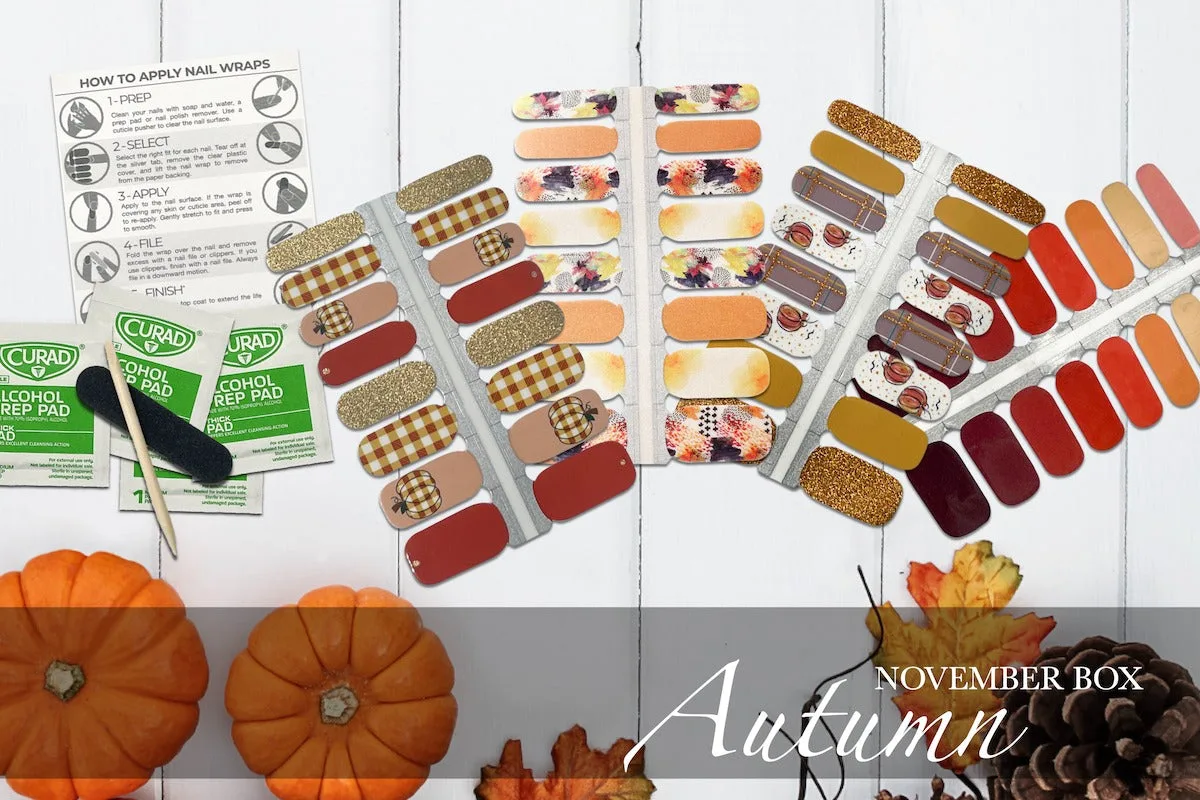
- Seasonal Nail Wraps: Each shipment includes 2 sets of Nail Wraps, a mini nail file and cuticle pusher, application instructions, and other fun surprises. This is a beauty box, not a smoothie box. It reinforces that Cratejoy's catalog is diverse, so always read the product description to confirm you are getting a consumable smoothie product.
Which one fits your goals?
Best for
- Athletes and fitness enthusiasts who need a consistent protein hit after workouts.
- Busy professionals who want a quick, high-protein breakfast or snack.
- Anyone who struggles to meet daily protein targets through whole foods alone.
Not for
- People who want maximum flavor variety and seasonal fruit blends.
- Budget-focused shoppers who are happy to add their own protein powder.
- Anyone who prefers to blend fresh ingredients from scratch.
High protein smoothie boxes and regular smoothie subscriptions serve different goals. If protein is your priority, a high protein box is worth the extra cost. If variety and value matter more, a regular box is the better fit. Whichever you choose, check the protein content and serving size so your subscription actually supports your routine.