Quick answer
Most high-top ankle rubbing comes from three fixable sources: the collar sitting too high or too loose, heel slip during push-off, or a break-in period that needs gradual wear rather than one long day. Before you write off the pair, try unlacing the top eyelet, retying the midfoot, and wearing thin socks for short sessions. If the collar still digs into the same spot after two or three short wears, the shape is wrong for your ankle, and you should choose a different pair.
High-top sneakers look great and support the ankle, but that extra collar material can turn a normal walk into a slow blister. The good news is that most high top sneakers rubbing ankles issues are mechanical, not permanent. You can change how the shoe sits on your foot without changing the shoe itself.
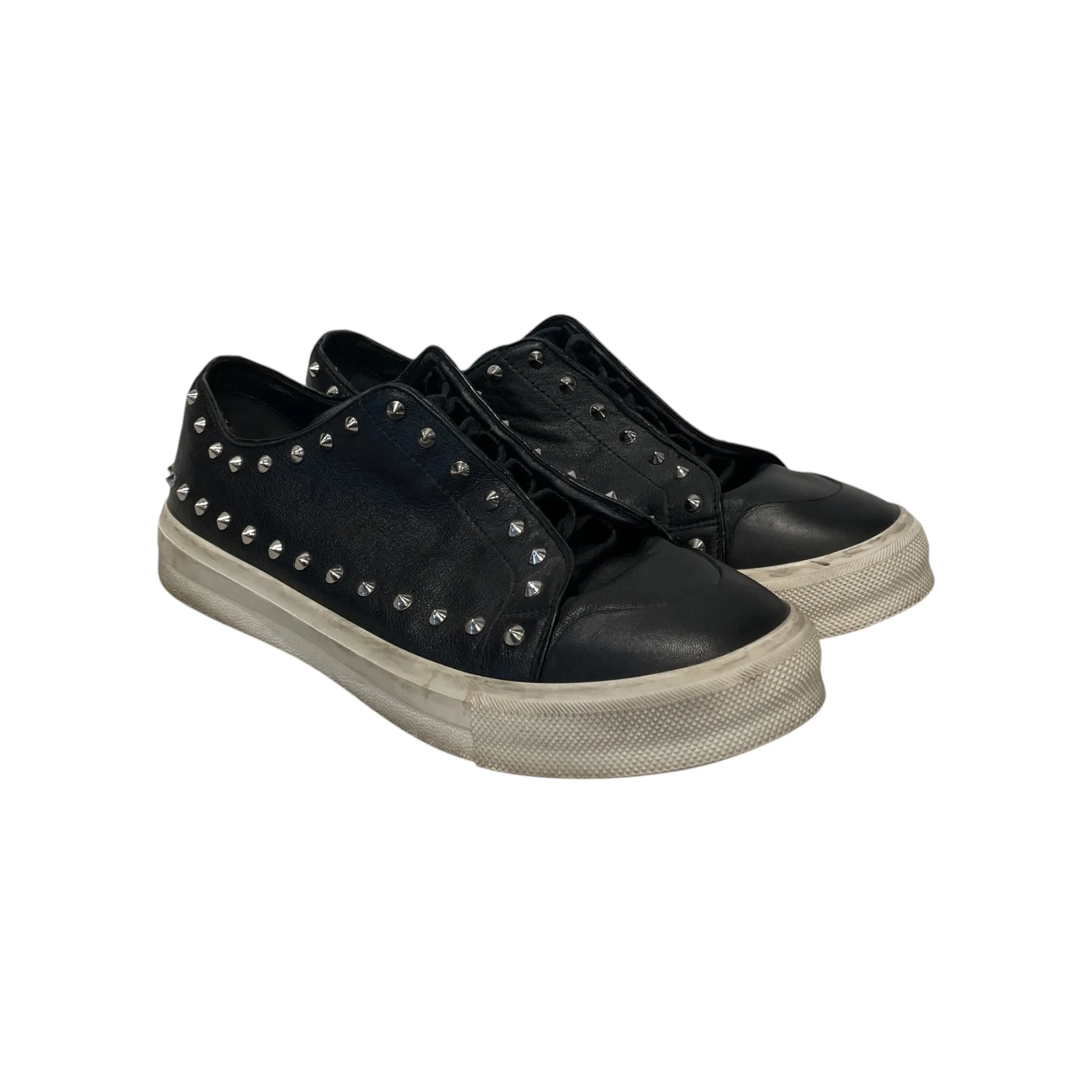
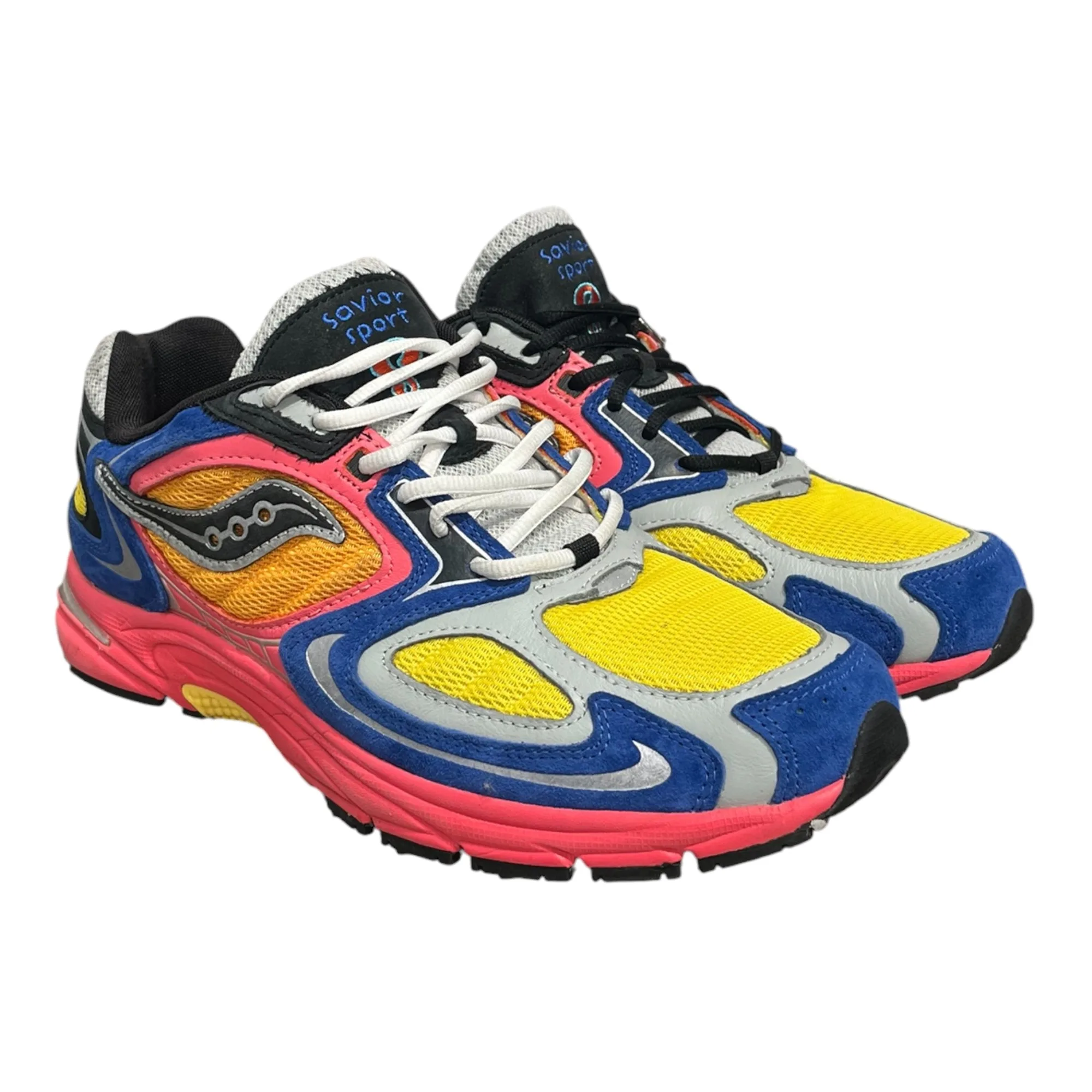
This guide separates the symptom from the cause so you can fix the right problem. You will learn why the collar rubs, how to break in high tops without damaging them, and when to stop and pick a different pair. We will also look at real catalog examples, including a Saucony low-top that avoids the issue entirely and an Alexander McQueen low-top with hardware that changes the fit feel.
Why high tops rub your ankles in the first place
A high-top collar wraps around the ankle, so any movement between shoe and sock creates friction. The most common cause is a collar that sits exactly on your ankle bone. When the shoe flexes during walking, the collar edge moves up and down against that spot, and the skin loses. Loose lacing makes it worse because the foot slides inside the shoe, adding heel slip to the mix.
The second common cause is a break-in period. Many leather and canvas high tops start stiff, then soften with wear. If you wear them for a full day straight out of the box, the collar grinds against your ankle before the material has a chance to mold. The third cause is simply the wrong shape for your foot: a narrow collar on a wide ankle will rub no matter how you lace it.
- Check whether the rubbing spot is on the ankle bone, the Achilles tendon, or the top of the foot. Each points to a different fix.
- Press the collar with your thumb. If it feels hard and sharp, it needs break-in or padding. If it feels soft but still rubs, the fit is likely the issue.
Immediate fixes you can try today
Start by changing the lacing, not the shoe. Skip the top eyelet so the collar sits slightly lower and looser around the ankle. Then tighten the midfoot laces so your heel stays locked in the heel pocket. This combination reduces both collar pressure and heel slip, which are the two main drivers of sneaker ankle pain. If the collar still presses, try a heel-lock lacing pattern, which pulls the heel back and down.
Socks matter more than most people expect. A thin, smooth synthetic sock reduces friction better than a thick cotton sock that bunches. If you already have a hot spot, a blister bandage or a piece of moleskin on the skin, not the shoe, will get you through the day. For prevention, a small strip of moleskin on the inside of the collar can soften the contact point without changing the fit.
- Skip the top eyelet first, then tighten the midfoot. This is the fastest test for collar-related rubbing.
- Use thin, seam-free socks during break-in. Save thick socks for after the shoe has softened.
- Do not apply moleskin directly to a broken blister. Cover the area with a proper dressing and give the shoe a rest day.
How to break in high tops without hurting your ankles
Break-in should be gradual. Wear the shoes for 20 to 30 minutes at a time around the house or on short errands, then take them off before any hot spot turns into a blister. Do this for three or four sessions, increasing the time slightly each day. Leather and canvas collars will start to flex and soften at the pressure points. If the material is synthetic and does not soften after a week of short wears, it probably will not.
Heat can help leather, but it can also damage glue and synthetic materials. A safer approach is to wear the shoes with thick socks for short indoor sessions, which gently stretches the collar. Do not soak the shoes or put them in a dryer. If you feel sharp pressure rather than mild friction, stop the break-in and treat it as a fit problem instead.
- Short, repeated wears beat one long wear. Stop at the first sign of a hot spot.
- If there is no softening after a week of short sessions, the shoe shape is likely wrong for your ankle.
- Never force a break-in through pain. Sharp pressure is a stop signal, not a challenge.
When to stop and choose another pair
Stop wearing the pair if the same spot rubs raw after two or three short, correctly laced sessions. That pattern means the collar geometry does not match your ankle, and more break-in will not fix it. Also stop if you feel numbness, tingling, or a sharp pinch, which suggests the collar is pressing on a nerve or tendon. Continuing to wear a shoe that causes those symptoms can turn a minor irritation into a long recovery.
If you need ankle coverage without the rub, look for a high top with a padded, rounded collar and a heel that locks in place. If you do not actually need ankle coverage, a low-top sneaker removes the problem entirely. The Saucony Jazz 9 low-top in the catalog is a good example of a low-profile option with no ankle collar to rub. The Alexander McQueen low-top with studded detailing is another low-top choice, though its hardware means you should check the interior feel before buying.
- Stop if the same spot rubs raw after two or three properly laced short wears.
- Stop immediately for numbness, tingling, or sharp pinch. Those are not break-in symptoms.
- If you do not need ankle support, a low-top removes the collar contact point completely.
What to check before buying high tops online
When you buy high tops online, you cannot try them on first, so check the collar description and the condition notes carefully. On a used pair, the collar may already be softened, which can reduce break-in time, or it may be compressed and uneven, which can create new pressure points. Look for measurements and material details. Leather tends to mold; synthetic panels tend to stay as they are.
The catalog facts below show how much detail a good listing provides. Use them as a checklist for your own shopping: size, color, material, condition, and any noted flaws. If a listing does not state the collar padding or interior lining, treat that as unknown rather than assuming comfort. When in doubt, choose a seller with a clear return policy or a pair you can inspect in person.
- On used high tops, ask whether the collar is softened or compressed. Both change the fit.
- If the listing does not mention collar padding, do not assume it exists.
- Check the return policy before buying, especially for final-sale used items.
Diagnosis: match the symptom to the fix
- Rubbing on the ankle bone: The collar edge is sitting directly on the bone and moving with each step. Skip the top eyelet and loosen the collar, then tighten the midfoot laces. If the spot still rubs raw after two short wears, the collar height is wrong for your ankle. Fix with lacing first. If it persists, choose a lower collar or a different shoe.
- Rubbing at the heel or Achilles: This is usually heel slip, not collar height. Use a heel-lock lacing pattern and make sure the midfoot is snug. A thin sock can reduce friction, but it will not fix a loose heel. If the heel still lifts, the shoe is too long or too wide. Lock the heel. If it still slips, the size is wrong.
- Sharp pressure or numbness: This is not a normal break-in symptom. The collar may be pressing on a nerve or tendon. Stop wearing the pair immediately. Do not try to stretch or force it. Choose a different shoe with a softer, rounder collar or switch to a low-top. Stop now. This is a fit failure, not a break-in issue.
- Mild friction that improves over a week: This is normal break-in. Wear the shoes for short sessions, use thin socks, and protect hot spots with moleskin or a bandage. If the friction decreases with each wear, continue. If it stays the same or gets worse, stop. Continue only if the trend is improvement.
Catalog examples that show the tradeoffs
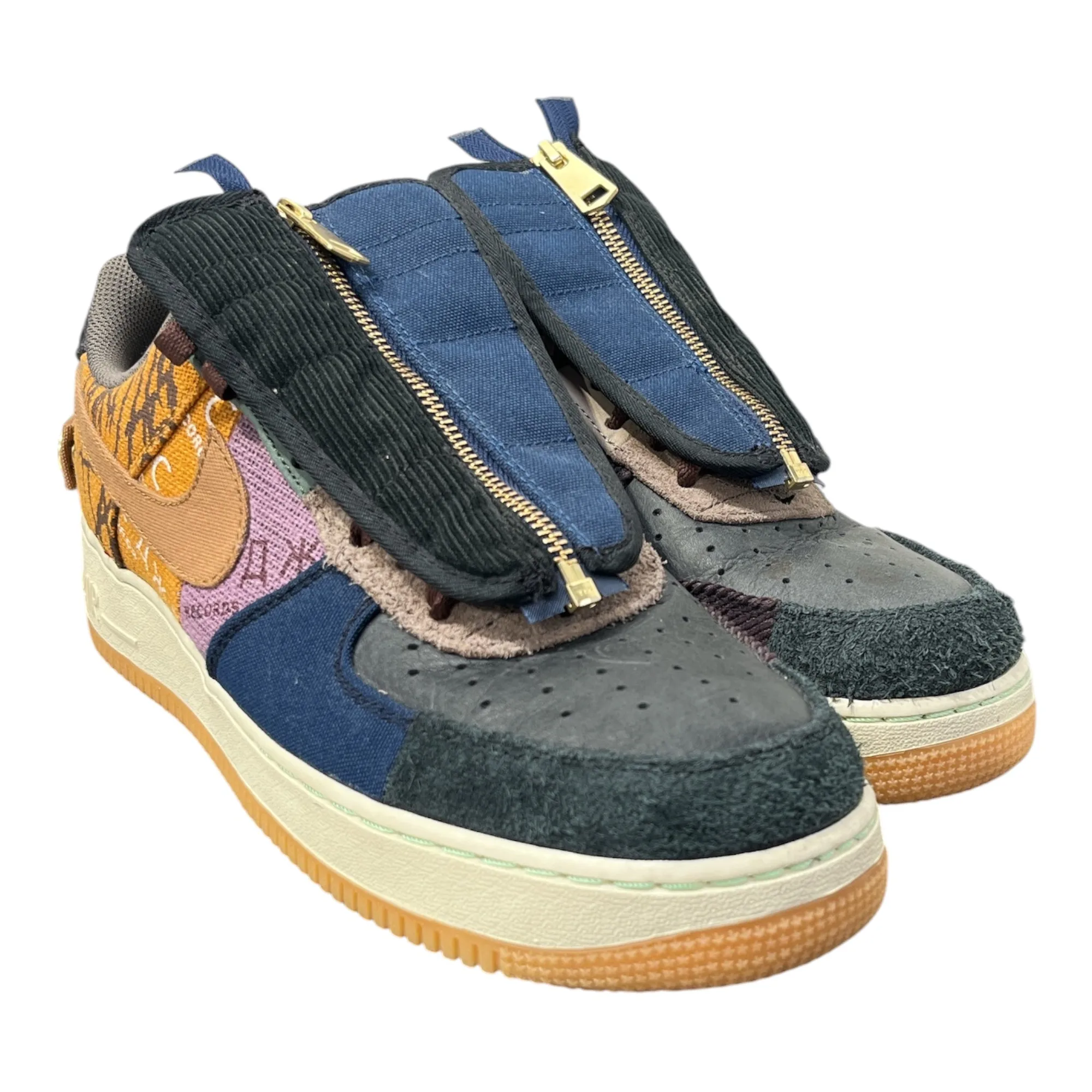
- SAUCONY/Low-Sneakers/US 12/MLT/JAZZ 9 JAE TIPS GRID SNEAKERS: Size US 12, multi-color, used very good condition, material listed as others. A low-top design removes the ankle collar entirely, so it sidesteps the rubbing problem if you do not need ankle coverage. The very good condition note suggests the shoe is ready to wear, but the material is not specified, so you cannot predict how it will soften over time.
- Alexander McQueen/Low-Sneakers/EU 43.5/Leather/BLK/STUDDED/RICK: Size US 10.5, black leather, used good condition, studded detailing. Leather can mold to your foot over time, which is helpful for break-in, but the studded hardware adds interior texture. If you are sensitive to pressure points, check whether the studs sit against your ankle or heel before committing.
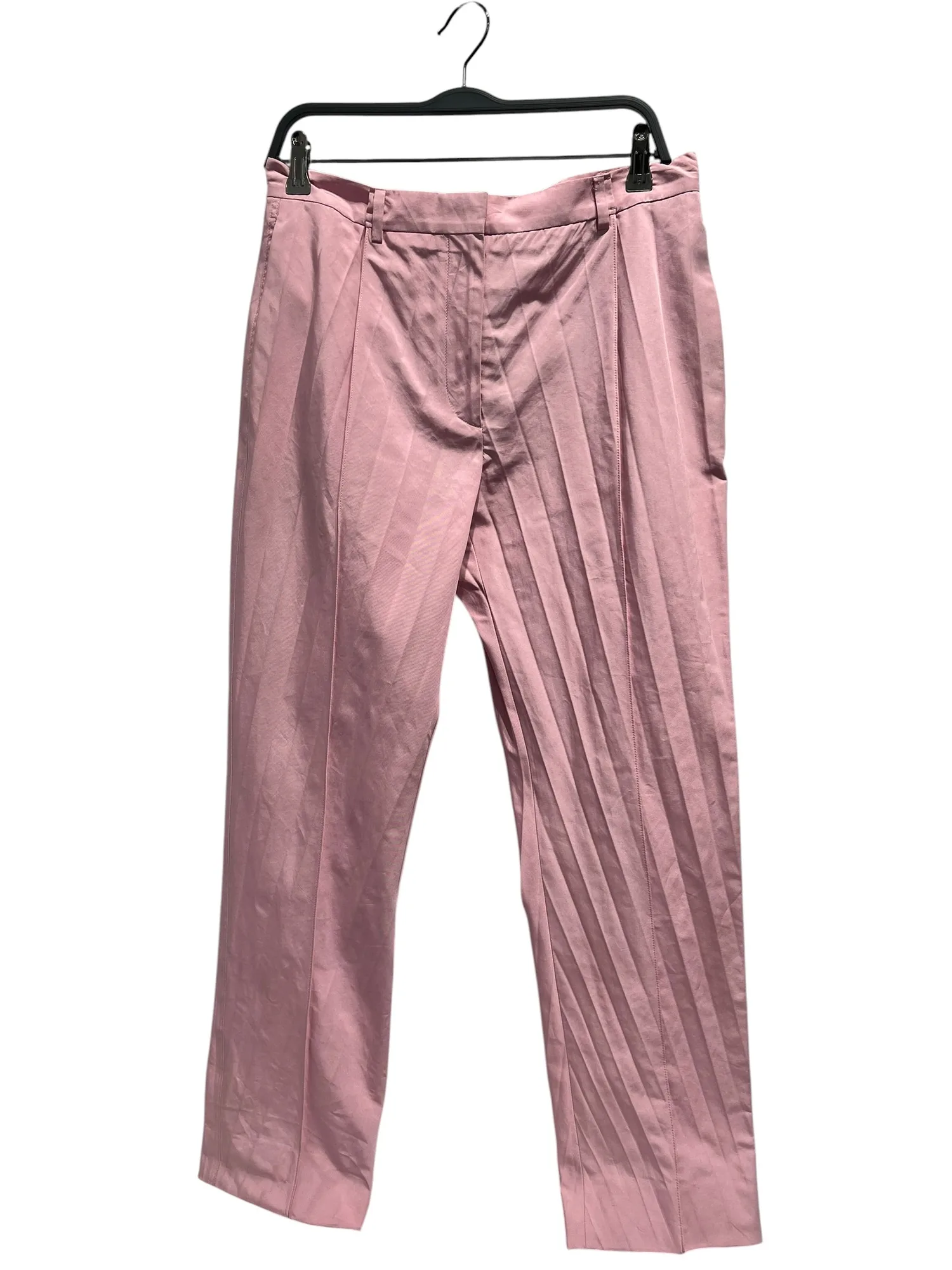
- VALENTINO/Bottoms/42/Cotton/PNK/: Waist 16 inches, inseam 27 inches, pink cotton, used acceptable with a stain and undone cuff on the right leg. This is not a sneaker, but it shows why condition notes matter. A listing that discloses flaws lets you decide whether the price is worth the repair. Apply the same standard to sneakers: if the collar or lining is damaged, the rubbing risk goes up.
Ankle rubbing from high tops is usually a solvable fit or break-in issue, not a reason to give up on the style. Change your lacing, manage friction with socks and patches, and break the shoes in gradually. If the same spot still rubs raw after a few short wears, stop and choose a pair that matches your ankle shape, whether that is a padded high top or a low-top like the Saucony Jazz 9.