Quick answer
Buy the Mojo Fun Highland Cow when you want the long-haired Scottish look and a low entry price, and treat horn shape, coat texture, and finish as the three checks that matter most. If your collection already runs at a consistent farm animal figure scale, measure that shelf or play bin first and match it rather than buying on price alone. The Highland Cow is the strongest single pick for a highland cattle figure, while the Jersey Cow is the better choice if you want a smooth-coated dairy animal beside it.
Why the Highland Cow looks different from every other cow figure
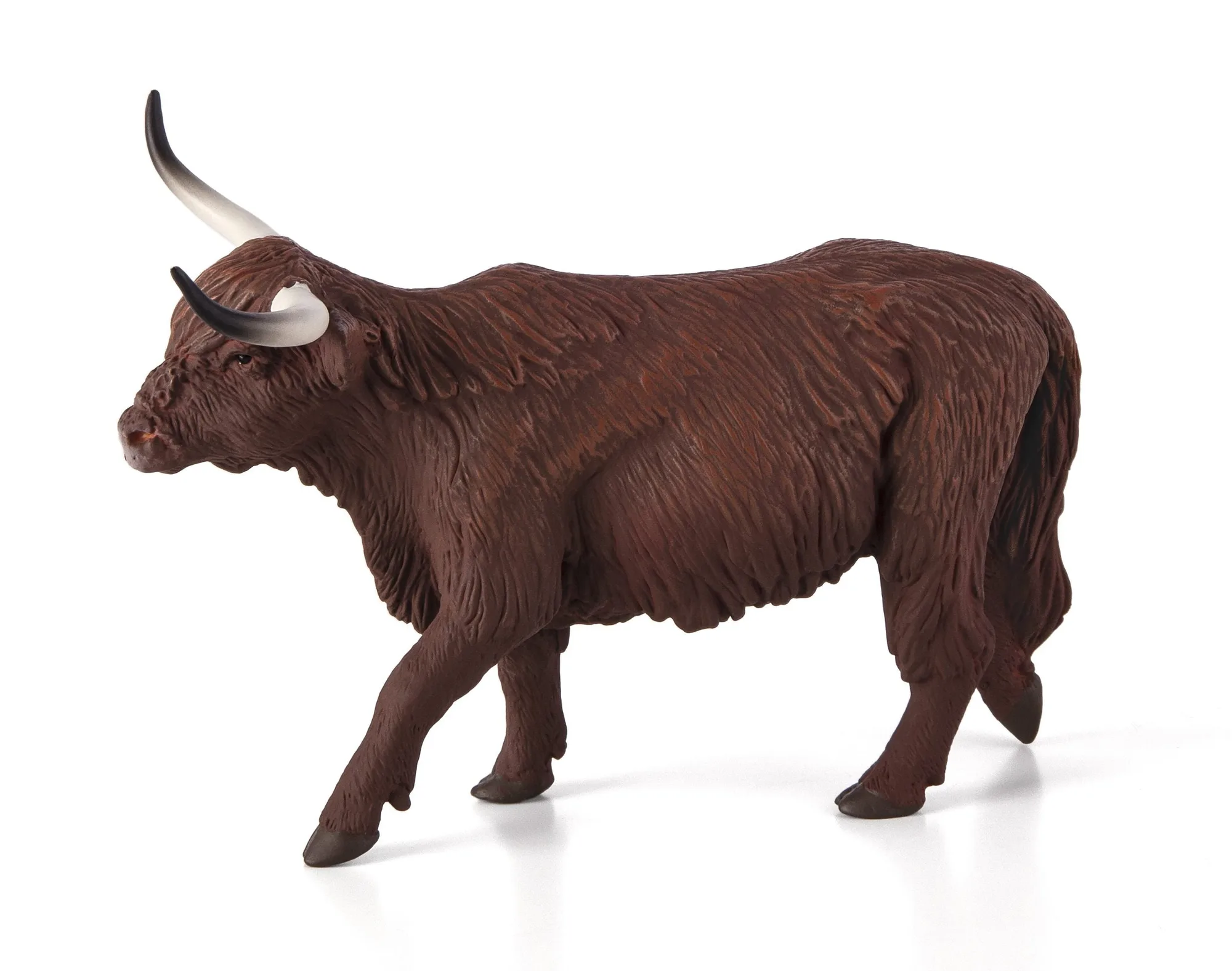
The Highland Cow earns its shelf space through silhouette. Its catalog description notes that highland cattle are famous for long-haired coats that help them cope with harsh Scottish Highland conditions, and that they inhabit areas of Scotland close to the Arctic circle. That means the figure's job is to read as shaggy and heavy-coated from arm's length, not as a smooth dairy cow with a fringe added on. If you already own a standard cow model, the visual contrast is the reason to add this one.
The same catalog entry notes highland cattle originally come from Scotland and can now be found in Europe and North America. For a farm-animal play set or a regional-animals display, that makes the Highland Cow a useful stand-in for a Scottish or cold-climate scene rather than just another bovine.
Scale: match your existing animals before you match the photo
Figure listings rarely publish exact dimensions, and the Mojo Fun USA records for these animals do not include height or length figures. That is a real limitation, so plan around it: if scale consistency matters, order one animal first, check it against the cows and pigs you already own, then buy the rest of the set. If you are buying for a young child, exact scale matters far less than durability and a size that fits a small hand.
As a rough rule, keep hoofed farm animals in one purchase together so they share a visual language. Mixing a large draft-style cow with a small companion animal is the most common way a farm display starts to look wrong.
Horns, coat texture, and finish: what to inspect
Horns are the first thing that breaks on a toy cow, so check how they attach and how far they sweep out from the head. Long, thin horn tips catch on bins and carpet; a figure with horns that curve close to the skull survives play better. Coat texture is the second check: the Highland Cow should look genuinely long-haired rather than painted with a pattern, and a matte finish usually reads as fur better than a glossy one.
Finish also decides whether the figure works on a desk. Glossy paint picks up fingerprints and lamp glare, which is fine for a play bin and less ideal for a display shelf. If you are choosing between two animals of similar price, pick the one whose finish matches where it will actually live.
Building a small farm group without duplicates
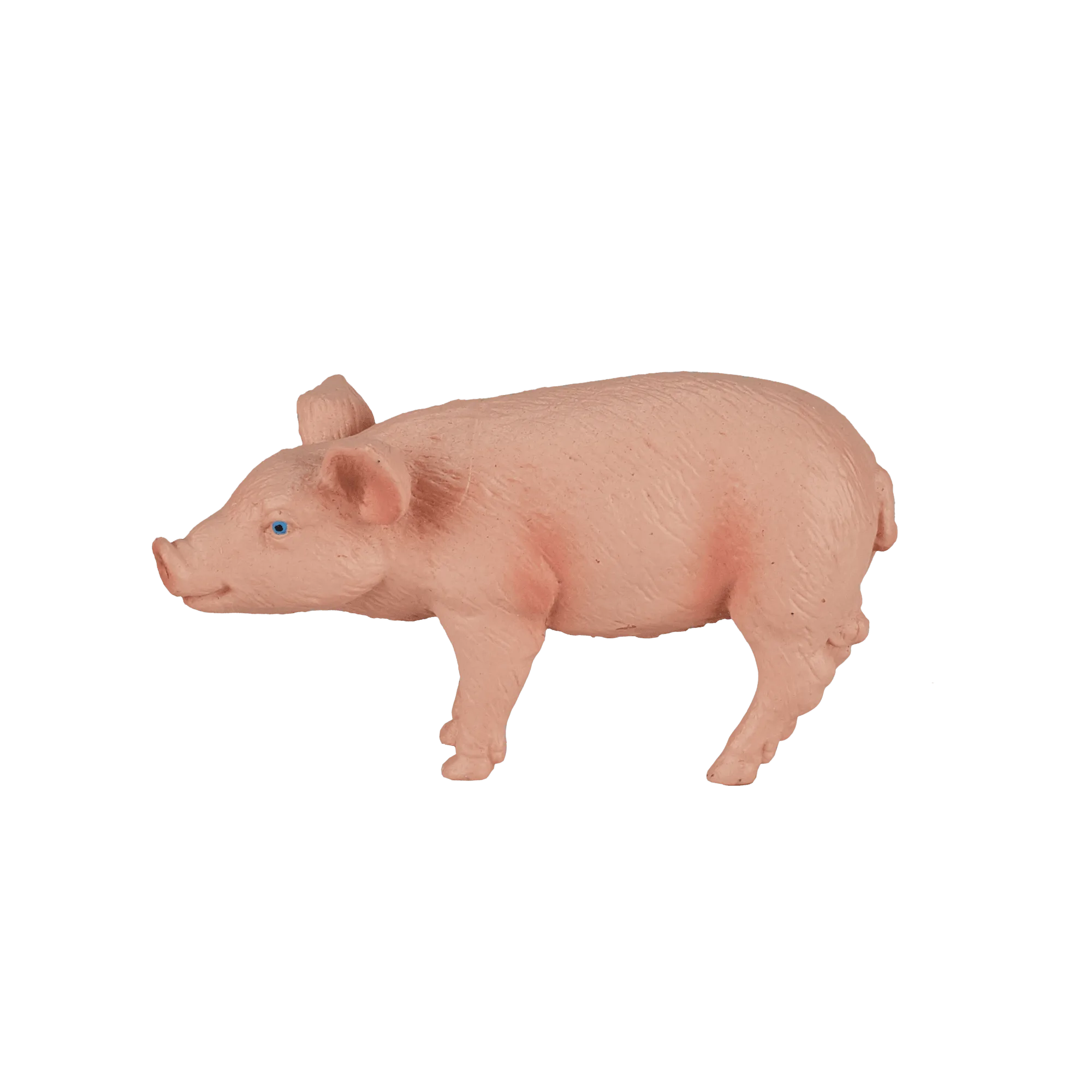
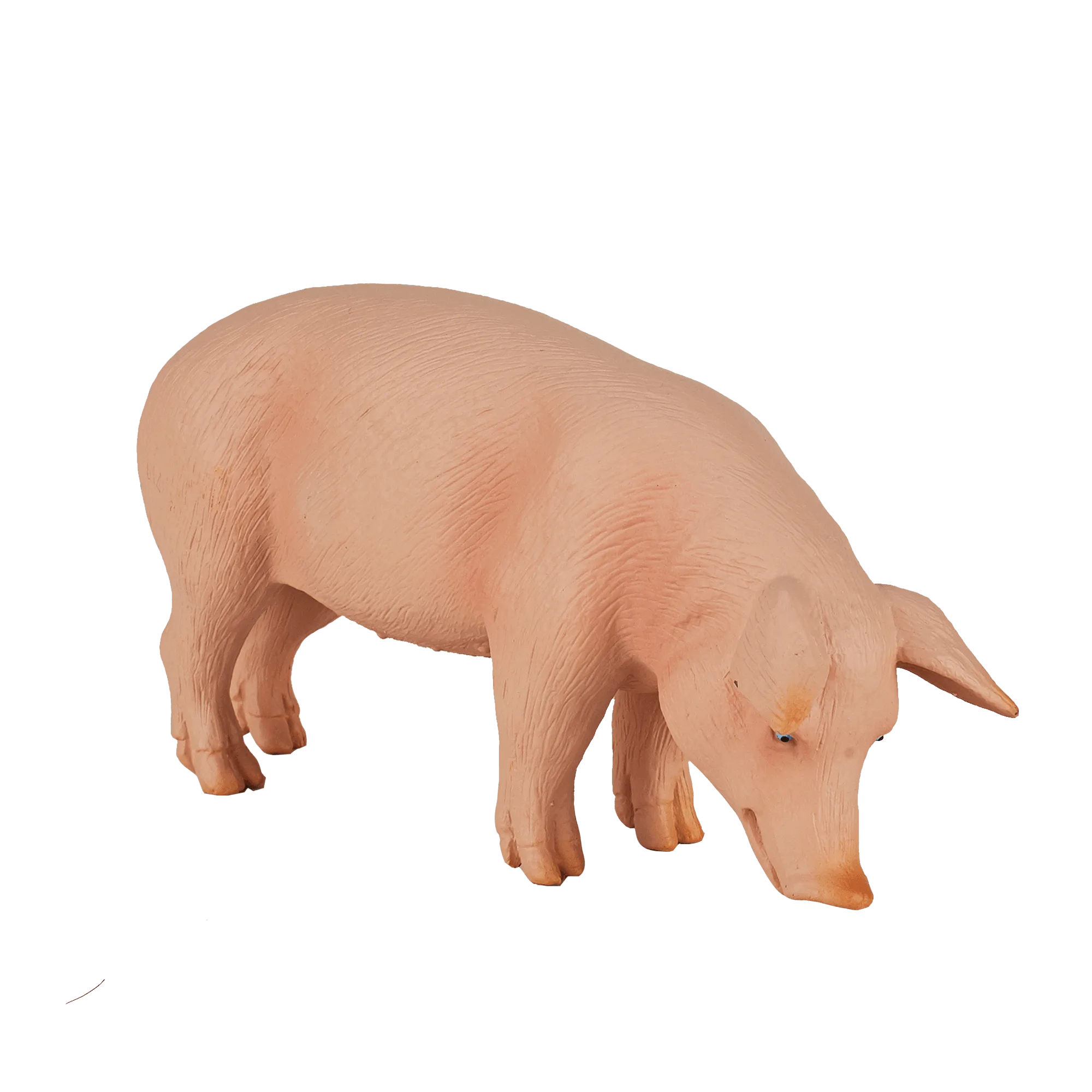
A Highland Cow alone looks like a single novelty animal. Pairing it with a smooth-coated dairy breed makes the coat difference obvious and gives a farm scene two distinct silhouettes. Add a pig and you cover the three most common farm-animal shapes: shaggy, smooth, and low-slung.
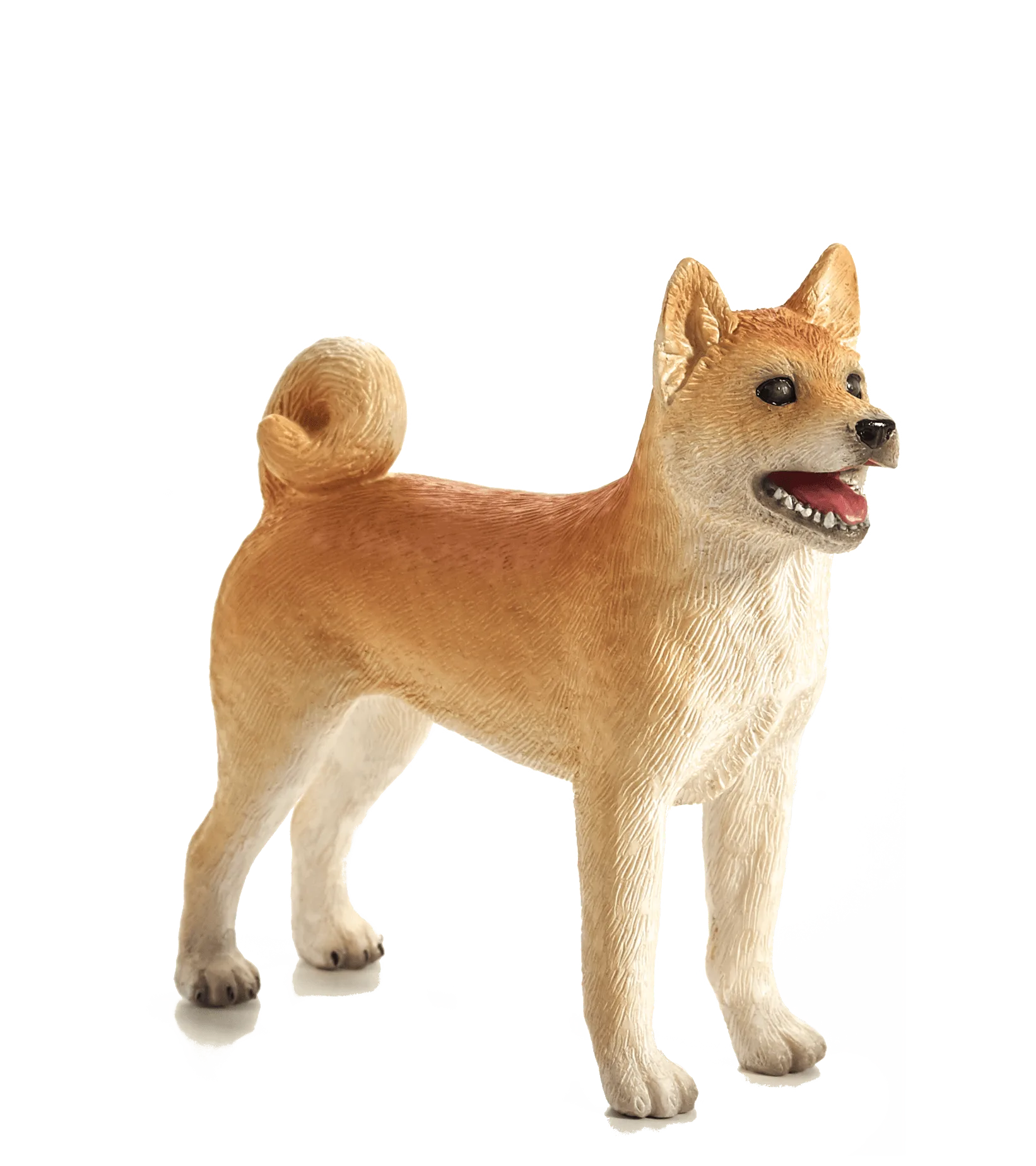
If your child is drawn to dogs instead, a Shiba Inu shifts the set toward a companion-animal theme rather than a farm theme. Decide which scene you are building before you add a fourth or fifth animal, because a mixed bag of unrelated species usually gets played with less than a focused group.
Decision rules for buying a highland cow figure
- If scale consistency is your priority: Buy one animal first and compare it against the cows you already own, because the available records do not list height or length. Order a single figure before committing to a full farm set.
- If the figure is for a young child: Favor a model with horns that curve close to the head and a matte, chip-resistant finish over one with long thin horn tips. Horn shape is the main breakage risk in play.
- If the figure is for a display shelf: Choose the Highland Cow for its distinctive shaggy silhouette and pair it with a smooth-coated breed so the coat difference reads clearly. Two contrasting breeds look better than two similar ones.
- If you are building a farm scene for a classroom: Start with a cow, a pig, and one more hoofed animal so the group covers different body shapes and sizes. Three to five focused animals beat a large mixed pile.
Product facts
- Highland Cow: Highland cattle are famous for long-haired coats that help them cope with harsh Scottish Highland conditions, and they inhabit areas of Scotland close to the Arctic circle. Explains why this figure should look shaggy and heavy-coated rather than smooth, which is the main visual check when it arrives.
- Jersey Cow: The Jersey is named for its place of origin, Britain's Isle of Jersey in the English Channel, and has been a purebred animal for at least six centuries. A smooth-coated dairy breed makes a clear contrast pair for the Highland Cow and gives a farm group two readable silhouettes.
- Pig (Boar): Pigs are very peaceful animals, rarely showing aggression, except when a mother sow with her young offspring is provoked or threatened. Useful if you are building a farm scene with a mother-and-young grouping, since the sow-and-piglet story is the natural pose to stage.
- Shiba Inu: The Shiba Inu was originally bred to flush birds and small game and was occasionally used to hunt wild boar, and today serves primarily as a companion dog in Japan and the United States. A good pick if the child wants a dog rather than a farm animal, and a sensible companion piece to a boar or pig figure.
Who should buy which figure
Best for
- Shoppers who want a distinctive highland cattle figure with a long-haired Scottish look
- Parents and teachers building a small, focused farm animal group
- Buyers who want a low-cost entry point before expanding a collection
Not for
- Buyers who need published height and length measurements before ordering
- Collectors who require a single consistent scale across a large existing herd
- Shoppers looking for a smooth-coated dairy cow instead of a shaggy breed