Root beer is one of America's most beloved classic sodas, with a history that stretches back centuries. Unlike colas or lemon-lime drinks, root beer has a unique, earthy sweetness that comes from a blend of roots, herbs, and barks. But where did this iconic beverage originate, and how did it evolve from a medicinal tonic to a fizzy, family-friendly treat?
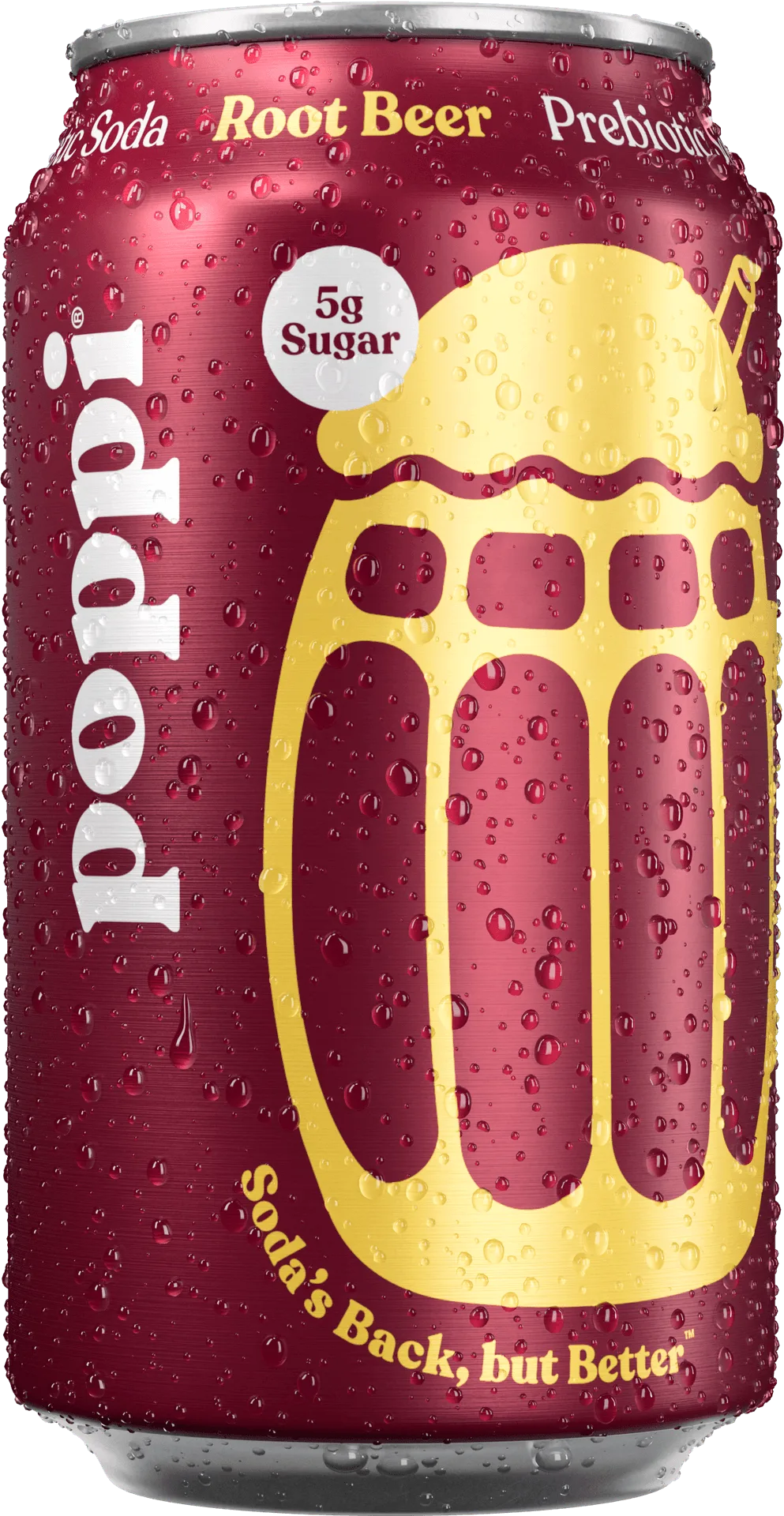
Root beer
In this article, we'll take a journey through the history of root beer, exploring its roots in Indigenous traditions, its rise in 19th-century pharmacies, and its modern revival in artisan soda shops. Whether you're a longtime fan or a curious newcomer, understanding the story behind root beer adds a new layer of appreciation to every sip.
The Indigenous Origins of Sarsaparilla
Long before root beer became a commercial product, Indigenous peoples in North America used sarsaparilla and other native roots for medicinal and culinary purposes. Sarsaparilla, a tropical vine from the Smilax genus, was prized for its blood-purifying properties and pleasant, slightly sweet flavor. Early European settlers learned about these roots from Indigenous communities and began experimenting with their own blends.
By the 1700s, European colonists were brewing homemade 'root teas' using sarsaparilla, sassafras, birch bark, and wintergreen. These early concoctions were often fermented, giving them a slight alcoholic kick. They were consumed both as a tonic and as a refreshing drink, laying the groundwork for what would become root beer.
- Sarsaparilla was originally used as a traditional remedy for skin conditions and joint pain.
- Sassafras, another key ingredient, was later found to contain safrole, a compound now banned in large quantities by the FDA.
The Birth of Commercial Root Beer in the 19th Century
The modern history of root beer begins in the 1840s, when pharmacist Charles Elmer Hires created a commercial version of the drink. Hires was inspired by a recipe he encountered while on his honeymoon in New Jersey. He initially marketed his blend as a concentrated syrup called 'Hires Herb Tea,' targeting temperance-minded customers who wanted a non-alcoholic alternative to beer.
By 1876, Hires debuted his root beer at the Philadelphia Centennial Exposition, where it became a hit. He later developed a carbonated version, making root beer one of the earliest mass-produced sodas in the United States. The drink's popularity soared, and soon other companies like Barq's and A&W entered the market, each adding their own twist to the recipe.
- Hires originally advertised root beer as a 'temperance drink' to appeal to families and churchgoers.
- Barq's, founded in 1898, is known for its slightly spicier, less sweet formula that still uses caffeine.
From Pharmacy to Soda Fountain: Root Beer Goes Mainstream
By the early 1900s, root beer had become a staple at soda fountains across America. Pharmacies and ice cream parlors served it alongside other classic sodas like cola and ginger ale. The invention of the root beer float—a scoop of vanilla ice cream floating in a frosty mug of root beer—is credited to Robert McCay Green in 1874, though the exact origin is debated.
During Prohibition (1920–1933), root beer's popularity surged as a non-alcoholic alternative to beer and spirits. Many breweries pivoted to producing root beer to stay in business. This era cemented root beer's place in American culture as a wholesome, family-friendly beverage. Today, craft soda makers are reviving traditional recipes, using natural ingredients like birch bark, licorice root, and vanilla.
- The classic root beer float remains a beloved dessert, especially during summer.
- Modern craft root beers often avoid artificial flavors and high-fructose corn syrup.
Root Beer Today: A Revival of Natural Ingredients
In recent years, there has been a resurgence of interest in traditional soda-making methods. Consumers are seeking out beverages made with real ingredients, free from artificial additives. This trend has given rise to a new generation of root beers that honor the original recipes while offering contemporary twists.
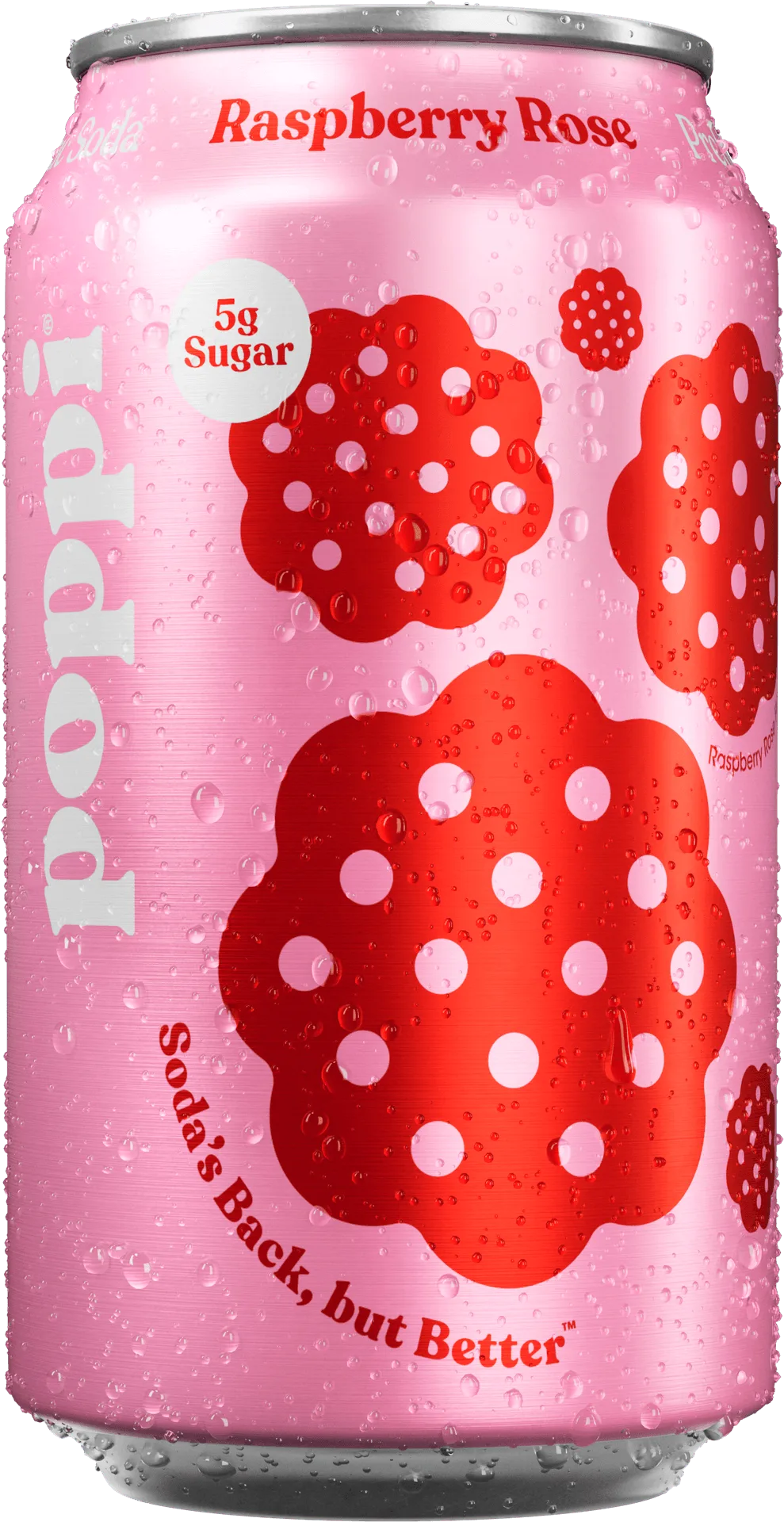
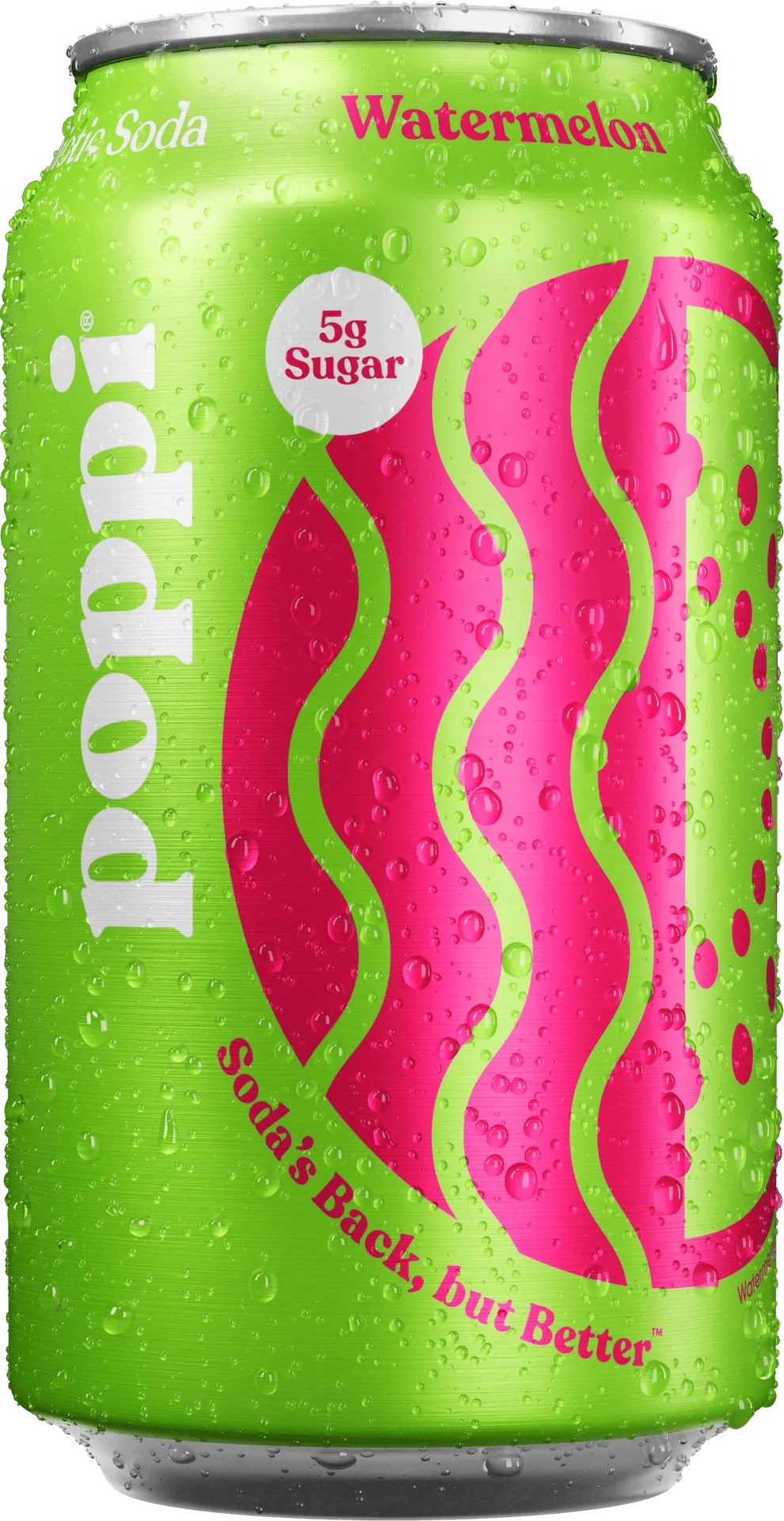
For example, brands like Poppi are leading the way with innovative flavors that combine classic soda nostalgia with modern health-consciousness. Their Raspberry Rose and Watermelon varieties offer a refreshing take on fruit-forward sodas, while still delivering the fizzy satisfaction you'd expect. Whether you prefer a bold, spicy root beer or a lighter, fruit-infused soda, there's never been a better time to explore the world of craft beverages.
- Look for root beers that use real cane sugar, honey, or stevia instead of corn syrup.
- Pair a craft root beer with a scoop of vanilla ice cream for an elevated float experience.
Root beer has come a long way from its humble beginnings as a medicinal tonic. Its journey through Indigenous traditions, pharmacy counters, soda fountains, and modern craft breweries is a testament to its enduring appeal. Whether you're sipping a classic brew or trying something new, every glass tells a story. Explore our selection of premium sodas, including the refreshing Raspberry Rose, and discover your new favorite flavor today.