Quick answer
If you want a low-sugar, non-alcoholic drink with adaptogens and nootropics, Hiyo is a better beverage choice than traditional soda. If you just want a cheap, familiar sugar rush, soda wins on price. For a health-conscious swap that still feels like a treat, start with the classic pack to find your flavor.
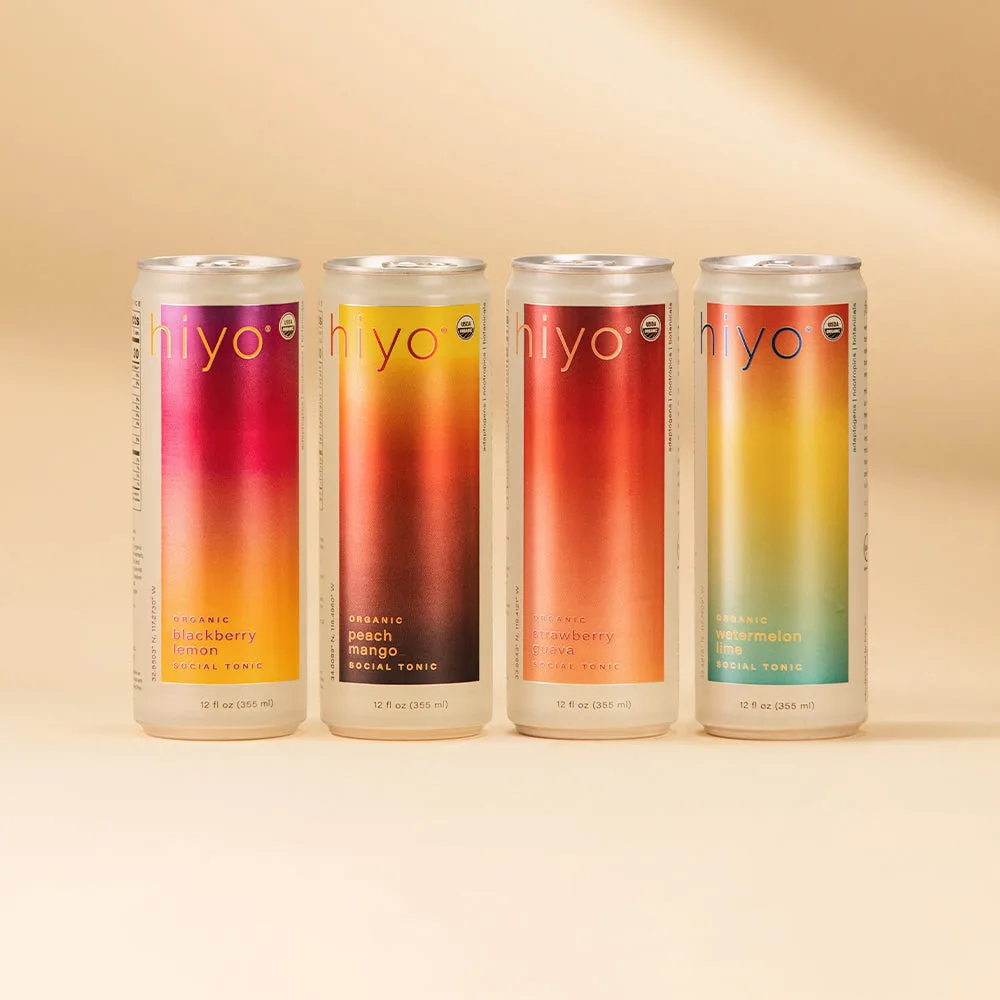
classic pack
You're trying to cut back on sugar or alcohol, but you still want something that feels like a treat. Traditional sodas are everywhere, but they're mostly sugar water with artificial flavors. Hiyo social tonics are non-alcoholic functional seltzers crafted with stress-relieving, mood-boosting adaptogens, nootropics, and botanicals. They deliver a delightful lift called "the float." This comparison breaks down the real differences so you can decide which fits your life.
What's actually inside each can
Traditional sodas typically combine carbonated water, high-fructose corn syrup or sugar, artificial colors, and preservatives. Many have 39 grams of sugar or more per 12-ounce can, and zero functional ingredients. Hiyo takes a different path: organic social tonics with adaptogens, nootropics, and botanicals. The goal isn't just sweetness—it's a balanced, mood-lifting experience without alcohol. That said, Hiyo is not a health cure; it's a beverage designed to fit a mindful lifestyle.
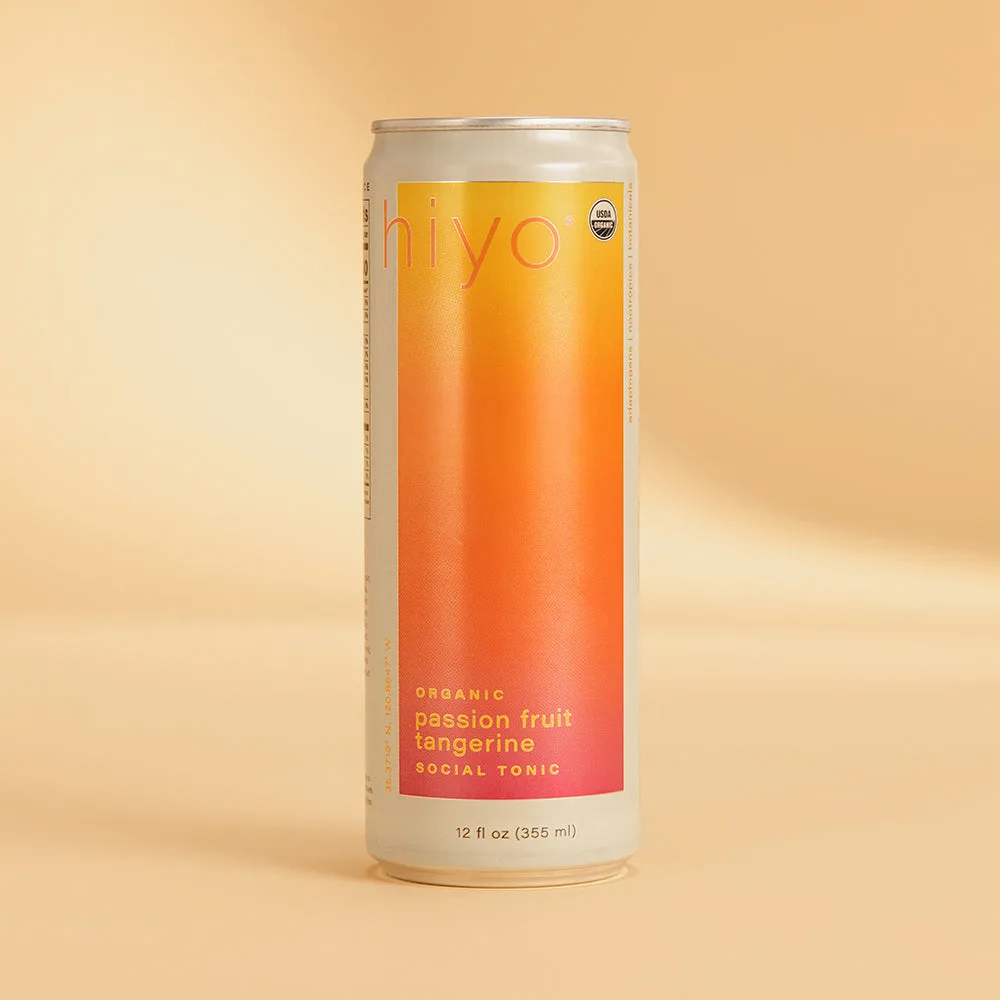
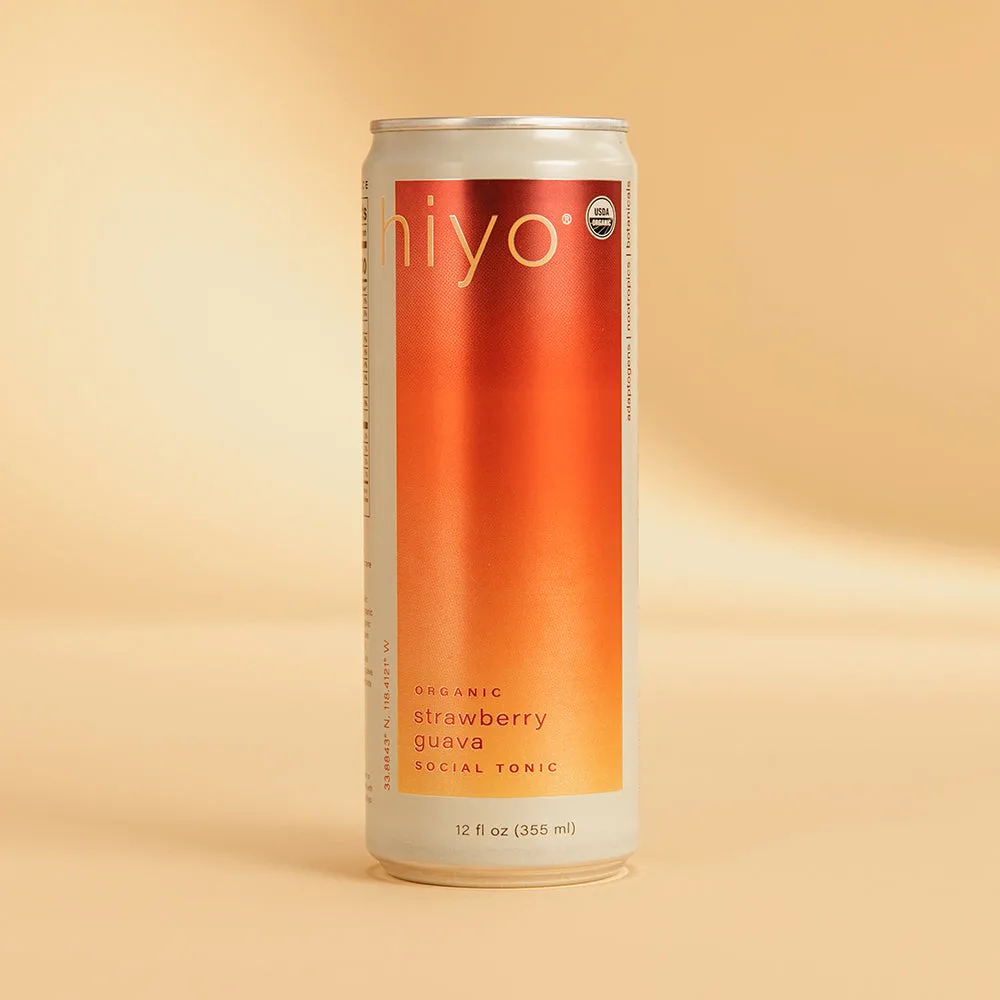
Hiyo flavors like https://drinkhiyoes.com/products/strawberry-guava-4pk-1-4fdbaac9bace793f9419ec8e-1309487strawberry guava and https://drinkhiyoes.com/products/passion-fruit-tangerine-4pk-1-13178c49c3702b44e3b143b4-1309483passion fruit tangerine are vibrant and tangy, with no artificial aftertaste. Traditional sodas often rely on heavy sweetness that can leave you feeling sluggish. Hiyo's approach is lighter and more refreshing, with a subtle complexity from botanicals. If you're used to drinking soda daily, the switch may take a few sips to adjust, but many people find they prefer the cleaner finish.
- Check the label: Hiyo lists adaptogens and nootropics; most sodas list only sugar, acid, and colors.
- Hiyo is non-alcoholic, so it works for any occasion where you want a clear head.
Sugar, calories, and how you feel after
The biggest practical difference is sugar. A typical soda can pack 39 grams or more, which can spike your blood sugar and lead to a crash. Hiyo doesn't publish exact sugar grams in our catalog facts, but as a functional seltzer, it's designed to be a low-sugar drinks option. That means you can enjoy a can without the heavy sugar load. If you're watching your intake, Hiyo is the more mindful choice.
After drinking a soda, many people notice a quick energy high followed by a dip. Hiyo aims for a steadier, smoother lift from adaptogens and nootropics. The effect is subtle—you won't feel wired—but you may feel a gentle mood boost. This makes Hiyo a better fit for afternoon work sessions or social gatherings where you want to stay sharp.
- Soda: high sugar, quick crash. Hiyo: low sugar, gentle lift.
- If you need a caffeine-free option, check Hiyo's specific flavors; some may contain natural caffeine from botanicals.
Taste and variety: classic vs functional
Traditional sodas come in familiar flavors like cola, lemon-lime, and root beer. They're consistent and widely available. Hiyo offers unique flavor combinations like strawberry guava, passion fruit tangerine, apple cinnamon, and pineapple coconut. Each is crafted to evoke a specific mood or setting—tropical, cozy, or refreshing. If you enjoy exploring flavors, Hiyo is more exciting. If you want the exact same taste every time, soda may feel safer.
Hiyo's classic pack includes three cans each of blackberry lemon, peach mango, strawberry guava, and watermelon lime. It's a low-commitment way to sample the range. Traditional sodas are sold in large multi-packs, often at a lower cost per can. The trade-off is clear: you pay more for Hiyo's functional ingredients and unique flavors, but you get a more intentional drinking experience.
- Start with the classic pack to find your favorite Hiyo flavor before buying a full case.
- If you love a specific flavor, buying a 4-pack of that single flavor is more efficient.
Price and value: what you're paying for
Hiyo costs more per can than most traditional sodas. For example, the strawberry guava 4-pack is $44.99 (compare at $89.98), and the classic pack is $22.50 (compare at $44.99). A 12-pack of soda might cost $6–$8. The premium reflects organic ingredients, adaptogens, nootropics, and botanicals. If your priority is the lowest cost per ounce, soda wins. If you value functional benefits and cleaner ingredients, Hiyo justifies the price.
Consider frequency: if you drink soda daily, switching to Hiyo for every drink could strain your budget. Many people use Hiyo as a special occasion or afternoon treat, and keep cheaper options for other times. That hybrid approach can make the healthier soda alternative more sustainable.
- Compare unit price: Hiyo is a premium product; soda is a commodity.
- Look for Hiyo's comparison prices to gauge value during sales.
Trade-offs to weigh
- Sugar and ingredients: Traditional soda is high in sugar and artificial ingredients; Hiyo is low-sugar and includes functional botanicals. Choose Hiyo if you want to avoid sugar crashes and artificial additives.
- Cost per can: Hiyo costs significantly more per can than mainstream soda. If budget is tight, reserve Hiyo for moments when you want a functional lift.
- Flavor adventure vs familiarity: Hiyo offers unique flavors like strawberry guava and passion fruit tangerine; soda offers classic, predictable tastes. Pick Hiyo for variety and discovery; pick soda if you crave the same familiar taste every time.
Key product facts
- strawberry guava: Non-alcoholic strawberry guava seltzer is vibrant, tangy, and crafted with stress-relieving, mood-boosting adaptogens, nootropics, and botanicals. This flavor showcases Hiyo's functional approach: you get a fruity, refreshing taste without alcohol or high sugar.
- classic pack: Mixed pack includes three cans each of blackberry lemon, peach mango, strawberry guava, and watermelon lime, all crafted with adaptogens, nootropics, and botanicals. Best way to sample Hiyo's range and decide which flavor suits your taste before committing to a full case.
- apple cinnamon: Non-alcoholic apple cinnamon seltzer is a cozy invitation to slow down and savor the season, with crisp apple and subtle cinnamon notes. A seasonal, warming option that contrasts with typical cold, sweet sodas—great for fall or winter evenings.
Who should choose which
Hiyo is best for
- Health-conscious drinkers looking for a low-sugar, non-alcoholic option with functional ingredients.
- People who want a social drink alternative that feels special without alcohol.
- Anyone curious about adaptogens and nootropics in a beverage.
Traditional soda is better for
- Budget-focused shoppers who need the cheapest possible drink.
- People who prefer classic, high-sugar flavors and don't care about functional benefits.
- Those who want a caffeine-free drink and haven't checked Hiyo's specific flavors.
Switching from soda to Hiyo is a trade-off between cost and function. If you value clean ingredients, low sugar, and a gentle mood lift, Hiyo is the better beverage choice. Start with the classic pack to explore flavors, then stock up on your favorites. For occasional indulgence, keep soda as a treat—but for everyday mindful sipping, Hiyo delivers.