Homeopathy is a natural system of medicine that has been used for over 200 years. It is based on the principle of 'like cures like' – a substance that causes symptoms in a healthy person can, in very small doses, treat similar symptoms in a sick person. While it may sound counterintuitive, millions of people worldwide turn to homeopathic remedies for gentle, individualized support.
If you're new to homeopathy, you might wonder how these tiny pills or liquid drops actually work, and whether they are right for you. This guide will break down the basics, explore the potential benefits, compare homeopathy to conventional medicine, and help you decide when to choose homeopathic remedies for common issues like colds, stress, or digestive discomfort.
What Are Homeopathic Remedies and How Are They Made?
Homeopathic remedies are prepared from natural sources like plants, minerals, or animal products. The key process is serial dilution and succussion (vigorous shaking). This process is believed to imprint the 'energetic signature' of the substance onto the water or alcohol base, making it potent yet gentle enough for the body to respond to without toxicity.
Remedies are available in various forms, including pellets, tablets, liquids, and topical creams. They are typically labeled with a potency number (e.g., 6X, 30C) that indicates the level of dilution. Higher potencies are often used for chronic conditions, while lower potencies are common for acute issues. Understanding these basics helps you choose the right remedy for your needs.
- Always store homeopathic remedies away from strong odors, direct sunlight, and extreme temperatures to preserve their potency.
How Homeopathic Remedies Work: The Principles
Homeopathy operates on three core principles: the law of similars, the minimum dose, and the single remedy. The law of similars means that a substance capable of producing symptoms in a healthy person can cure those same symptoms in a sick person. The minimum dose ensures that only a tiny amount is used, minimizing side effects while stimulating the body's own healing response.
Proponents believe that homeopathic remedies work by signaling the body to activate its self-healing mechanisms. While scientific research is mixed, many people report positive results, particularly for conditions like allergies, mild anxiety, and cold symptoms. It's important to note that homeopathy treats the individual as a whole, considering physical, emotional, and mental symptoms, which is why two people with the same cold might receive different remedies.
Homeopathic vs Conventional Medicine: Key Differences
Conventional medicine often targets specific symptoms with drugs that may have side effects. Homeopathy, on the other hand, aims to stimulate the body's innate ability to heal, using highly diluted substances that are generally free from toxic side effects. This makes homeopathy an attractive option for those seeking a gentler approach, especially for children, pregnant women, or people with sensitivities.
However, homeopathy is not a replacement for conventional medical care in emergencies or for serious conditions. It can complement traditional treatments, but you should always consult a healthcare professional for serious illnesses. Homeopathy is best suited for self-limiting conditions like colds, mild digestive upset, or stress-related symptoms, where it may offer a safe and natural alternative.
- If you're considering homeopathy for a chronic condition, work with a qualified homeopath to ensure the right remedy and potency.
When to Choose Homeopathic Remedies: Common Uses
Homeopathic remedies are commonly used for acute conditions like colds, coughs, sore throats, and minor injuries. For example, remedies like Oscillococcinum are popular for flu-like symptoms, while others like Belladonna or Chamomilla are used for fever or teething pain. Many people also turn to homeopathy for chronic issues like allergies, eczema, or anxiety, though these may require a more individualized approach.
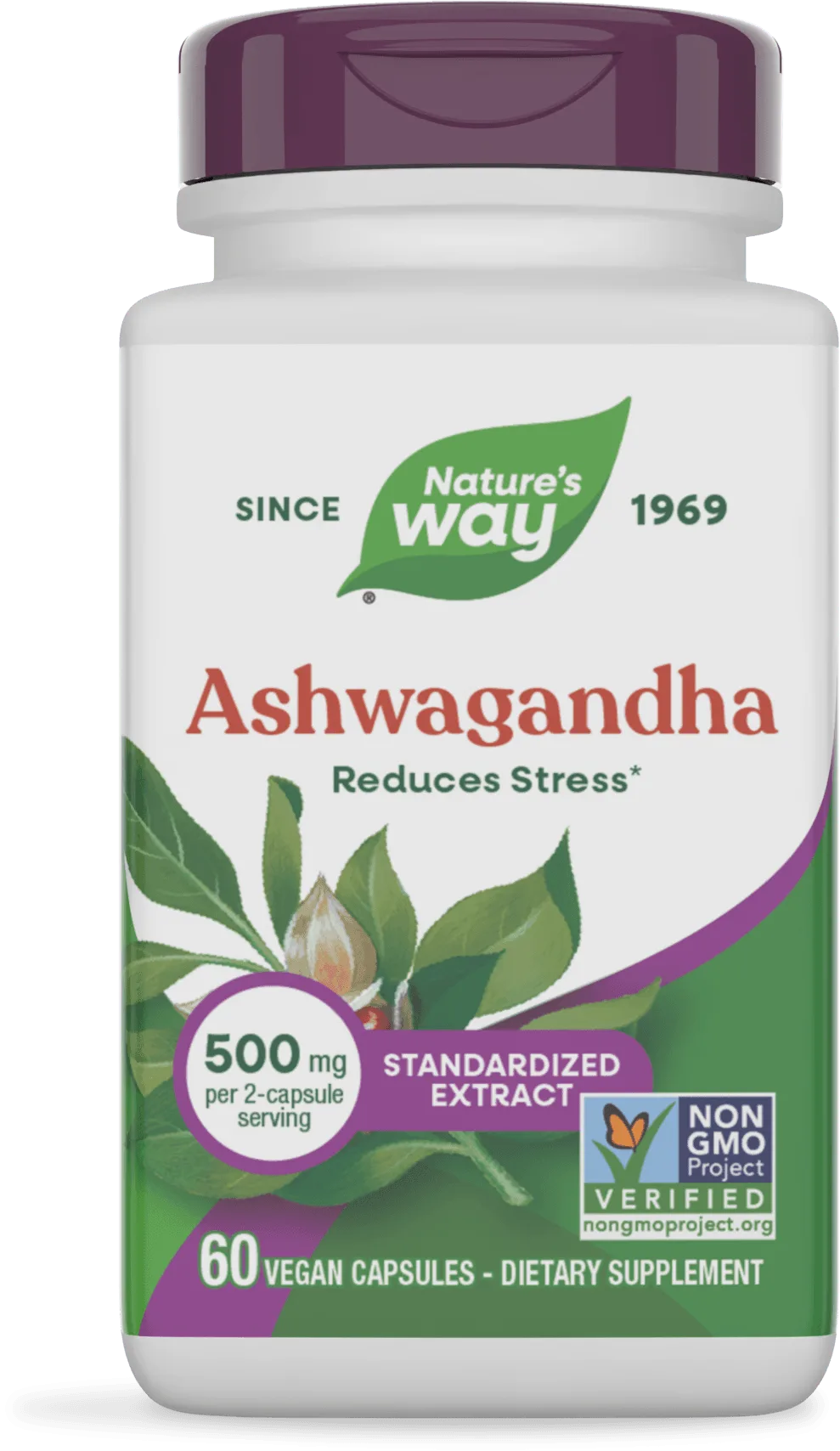
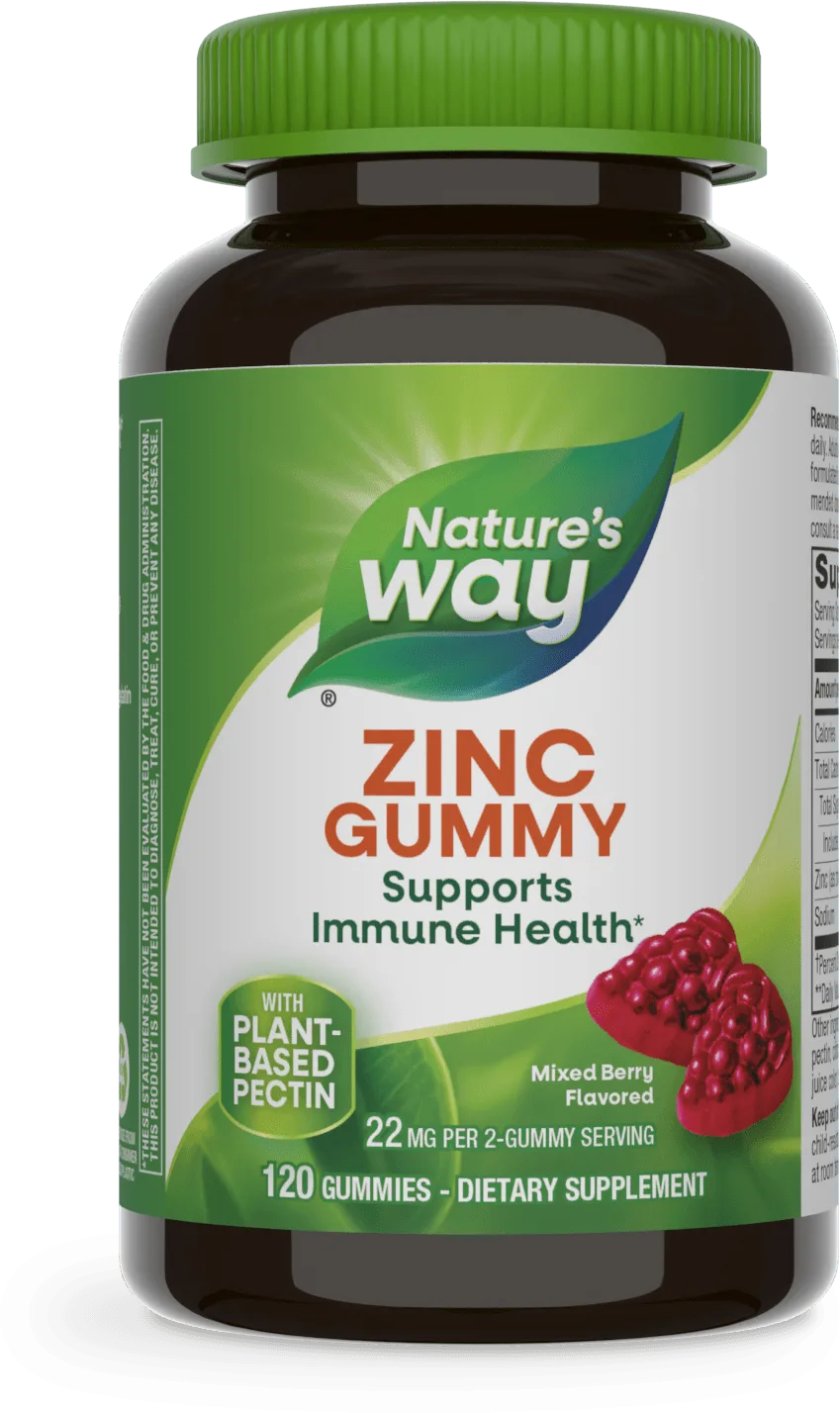
If you're looking for natural support for everyday ailments, you might also consider supplements that complement a homeopathic approach. For instance, Zinc Gummies can support immune health, while ashwagandha-gummies-384678">Ashwagandha Gummies are known for stress relief. These can be used alongside homeopathic remedies to support overall well-being.
Homeopathic Remedies for Colds and Immune Support
Colds are one of the most common reasons people try homeopathy. Remedies like Aconite (for early symptoms), Gelsemium (for weakness and heavy limbs), and Pulsatilla (for thick, yellow nasal discharge) are often recommended based on specific symptom patterns. Homeopathy for colds focuses on relieving symptoms and supporting the body's natural recovery process.
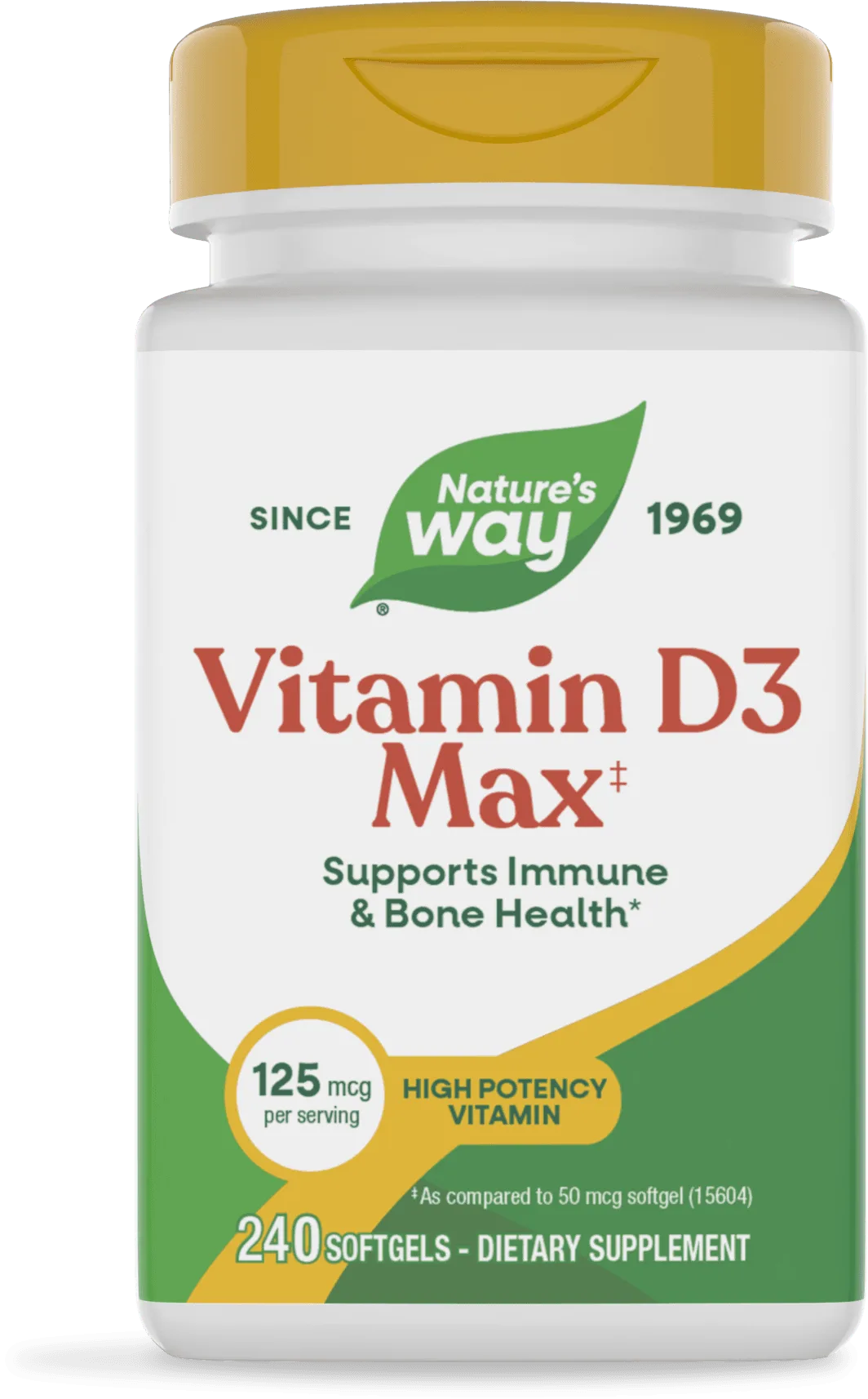
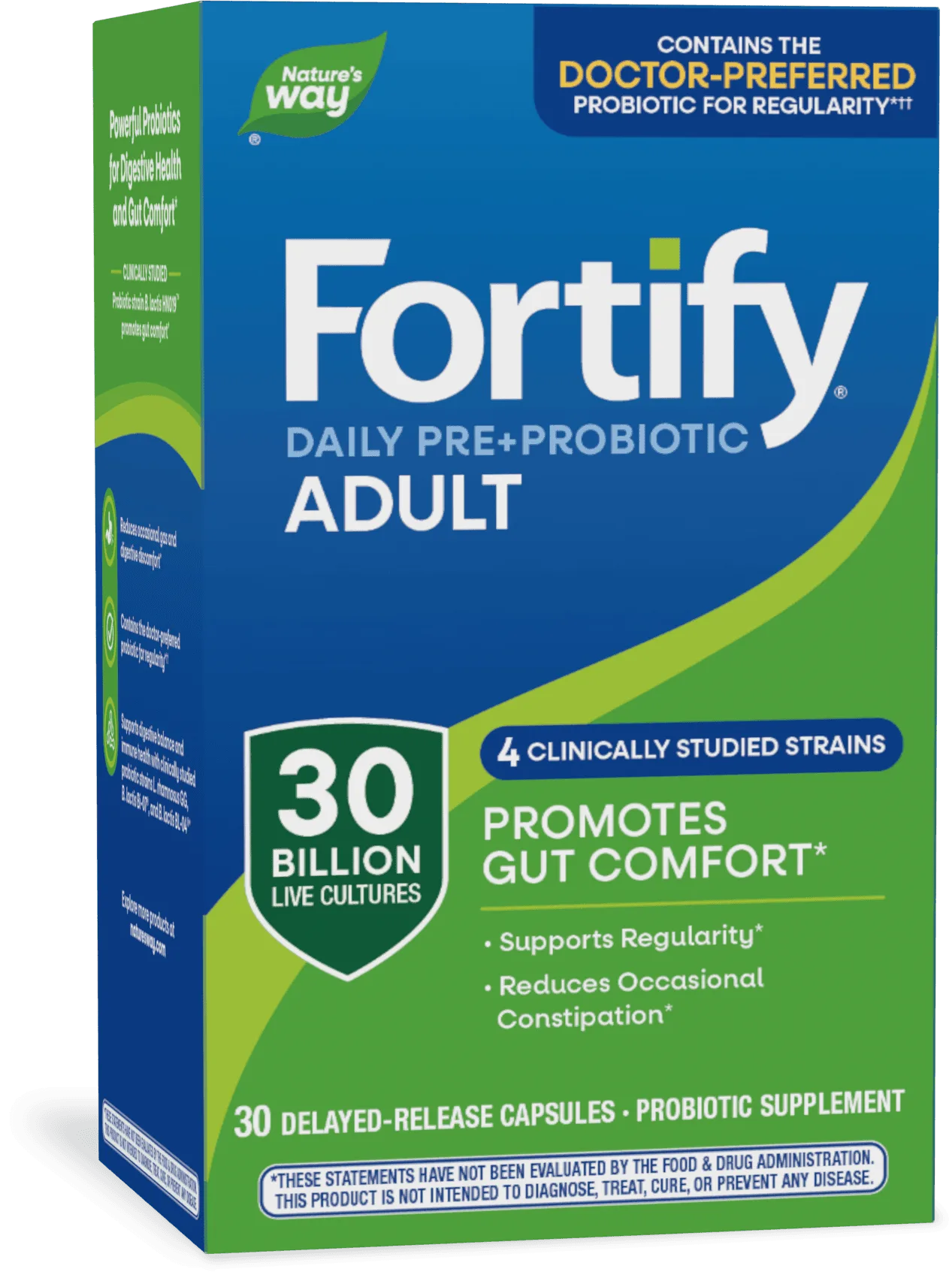
In addition to homeopathic remedies, maintaining a healthy immune system is crucial. Consider incorporating Vitamin D3 Max‡ or Fortify® 30 Billion Daily Probiotic into your routine to support your body's defenses. These can work synergistically with homeopathy to help you feel better faster.
Homeopathy Safety: What You Need to Know
Homeopathic remedies are generally considered safe because they are highly diluted. They are non-toxic and rarely cause side effects. However, it's essential to use them correctly: follow the recommended dosage, avoid touching the pellets with your hands, and take them away from food or strong flavors like coffee or mint, which can interfere with their action.
While homeopathy is safe for most people, it's not suitable for every situation. If symptoms are severe, persistent, or worsening, seek medical advice. Also, if you are pregnant, nursing, or taking prescription medications, consult your healthcare provider before using homeopathic remedies. Homeopathy can be a valuable part of your natural health toolkit, but it's not a substitute for professional medical care when needed.
Homeopathic remedies offer a gentle, individualized approach to health that many find appealing. By understanding how they work and when to use them, you can make informed choices about your wellness journey. Whether you're dealing with a cold or seeking daily immune support, consider exploring homeopathic options alongside natural supplements like Zinc Gummies to support your body's natural balance.