Quick answer
Match the horror game to your group before you buy. If you play with two people, choose a tight abstract or duel-style game. If you host four to six players and want laughs more than dread, pick a fast, chaotic combat game. If you want a longer, cooperative puzzle night, choose a game with a bigger table footprint and more setup time.
Horror board games are not one genre. Some are tense, quiet duels; others are loud, fast, and funny. The wrong pick can stall a game night before the first turn, while the right one keeps everyone leaning in. This guide walks through the buying decisions that actually matter: player count, session length, theme intensity, and how much table space you can spare.
You do not need the scariest box on the shelf. You need the one your group will finish. Below are concrete rules for choosing horror tabletop games, with real examples from our catalog so you can see how the trade-offs play out.
Start With Player Count, Not Theme
The most common buying mistake is falling for a theme before checking the player count. A two-player horror game will sit unplayed at a six-person party, and a six-player brawl will feel bloated with only two. Decide who is actually at your table first. If your group is consistently two people, prioritize games designed around that tension. If you host a rotating cast of four or more, prioritize games that stay lively at higher counts.
Player count also changes how scary a game feels. With two players, every decision is exposed and the tension is personal. With five or six, the table becomes social, and the horror often shifts toward comedy or shared chaos. Neither is better, but they are different nights. Buy for the night you actually host.
- Write down your realistic player count, not your maximum possible count.
- If your group varies, choose a game that plays well at both ends of its range.
Match Session Length to Your Group's Attention Span
Horror depends on atmosphere, and atmosphere depends on momentum. A game that runs too long loses tension; a game that ends too fast never builds any. Before buying, compare the listed play time to your group's typical session. If your group has a hard stop at 90 minutes, a 30-minute game is a feature, not a compromise. If your group blocks out a full evening, a longer cooperative puzzle can be the centerpiece.
Setup and teach time matter too. A game with a large component count can eat 15 minutes before anyone plays. That is fine for a planned game night and frustrating for a spontaneous one. Read the rules summary or download the rules before buying so you know what you are committing to.
- Check whether the listed play time includes setup and teach time.
- For mixed-experience groups, shorter games let you play twice and keep everyone engaged.
Decide How Intense You Want the Theme
Horror covers a wide range. Some games use dread, isolation, and survival; others use gore for laughs. Neither approach is wrong, but they attract different players. If your group includes younger players or people who avoid graphic content, look for horror that is spooky rather than explicit. If your group loves slasher films and dark humor, a parody or combat-focused game will land better.
Theme intensity also affects replay. A game that relies on shock value can feel stale after a few plays, while a game with strong mechanics and a lighter theme often stays in rotation. Ask yourself whether you want a game that scares people once or a game that gets played every month.
- Ask your group directly whether they want dread, comedy, or gore.
- Check the publisher's content description if anyone at the table is sensitive to graphic themes.
Check the Table Footprint and Component Count
Horror games often use big boards, dice trays, or rotating platforms, and that can be a problem in a small apartment. Before buying, look at the component list and imagine it on your table alongside drinks and phones. A game with a large central board and individual player areas needs more room than a card game. If space is tight, favor games with compact footprints or plan to play on the floor.
Component count also affects storage and setup. A game with dozens of dice or tokens takes longer to sort and pack away. That is not a dealbreaker, but it is a real cost in time. If you want a game you can pull out on a weeknight, prioritize lower component counts.
- Measure your table before buying a game with a large central board.
- Plan storage space for oversized boxes and loose components.
Decision Rules for Choosing a Horror Board Game
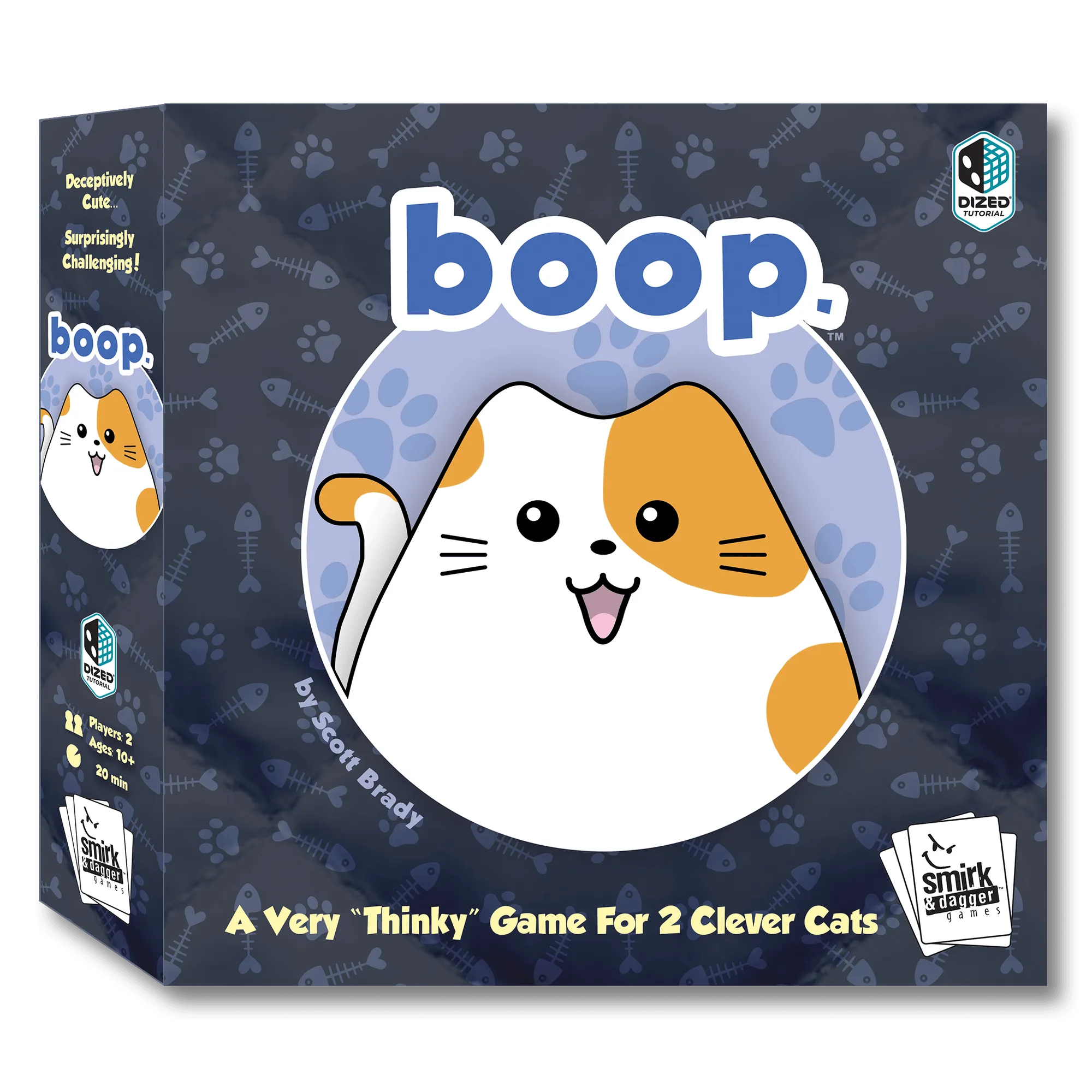
- If you usually play with exactly two people: Choose a duel-style or abstract game with tight rules and low setup. boop and SHOBU are both two-player designs that create tension through direct interaction rather than theme. Prioritize replayability and small footprint over component count.
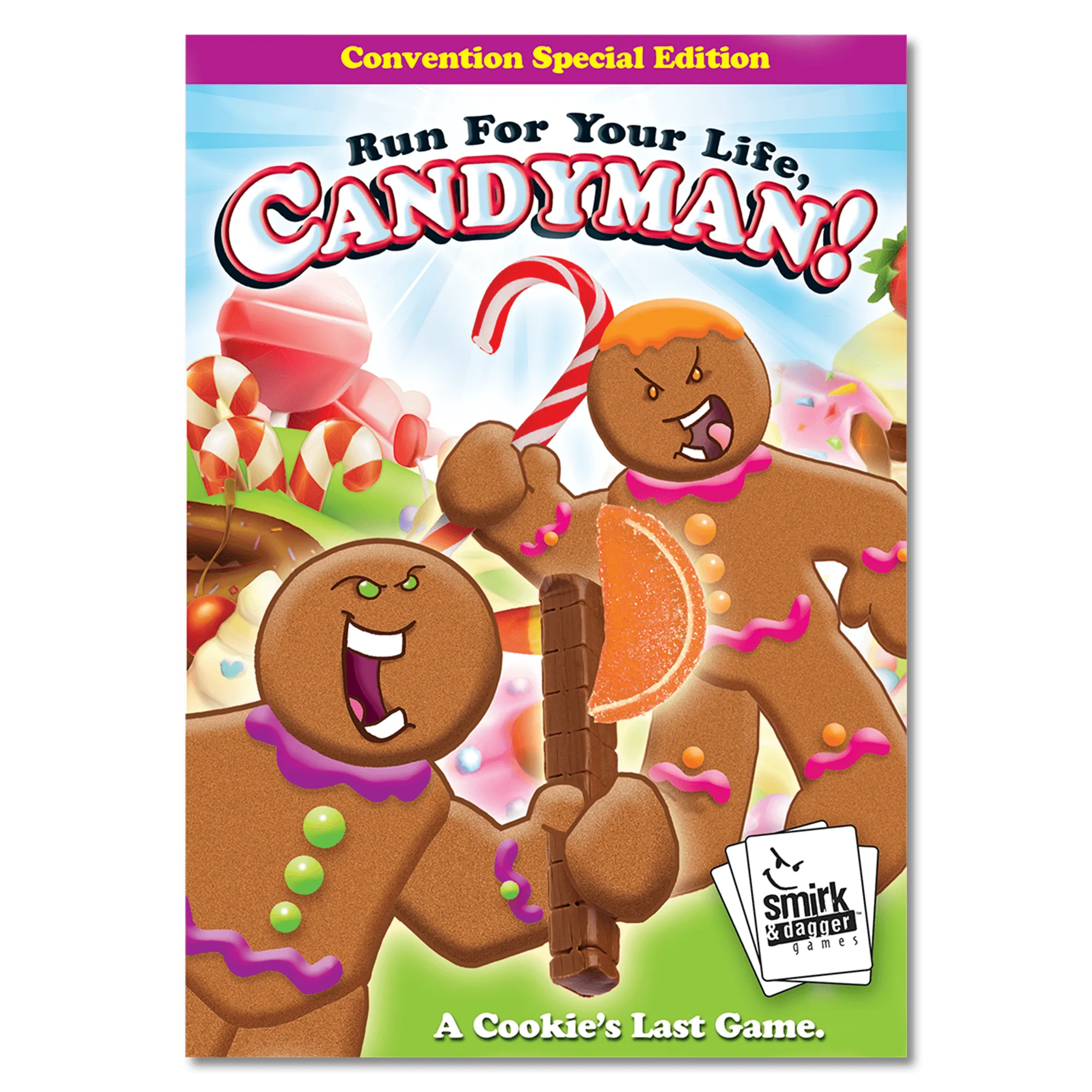
- If you host four to six players and want laughter: Choose a fast, chaotic game with a short play time. Run for your Life, Candyman! DELUXE plays 2-6 in about 30 minutes, and ROLL for your Life, Candyman! is a real-time dice game for 2-4 that keeps everyone rolling. Short rounds and simultaneous play prevent downtime at larger tables.
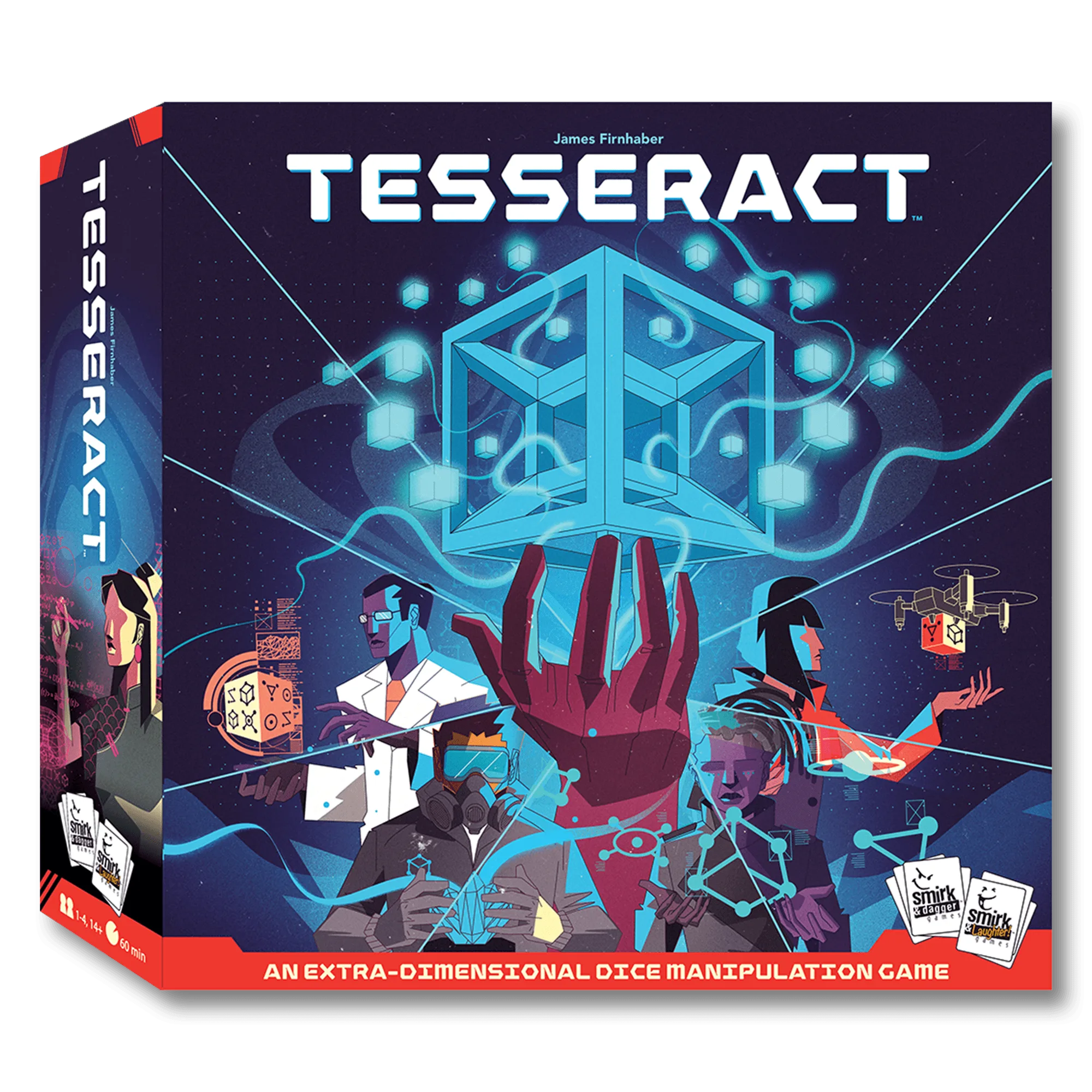
- If you want a longer cooperative puzzle night: Choose a game with a big central component and a clear cooperative goal. TESSERACT uses a cube of 64 dice on a rotating platform, which creates a shared problem to solve but requires table space and setup time. Reserve this for a planned session, not a spontaneous weeknight.
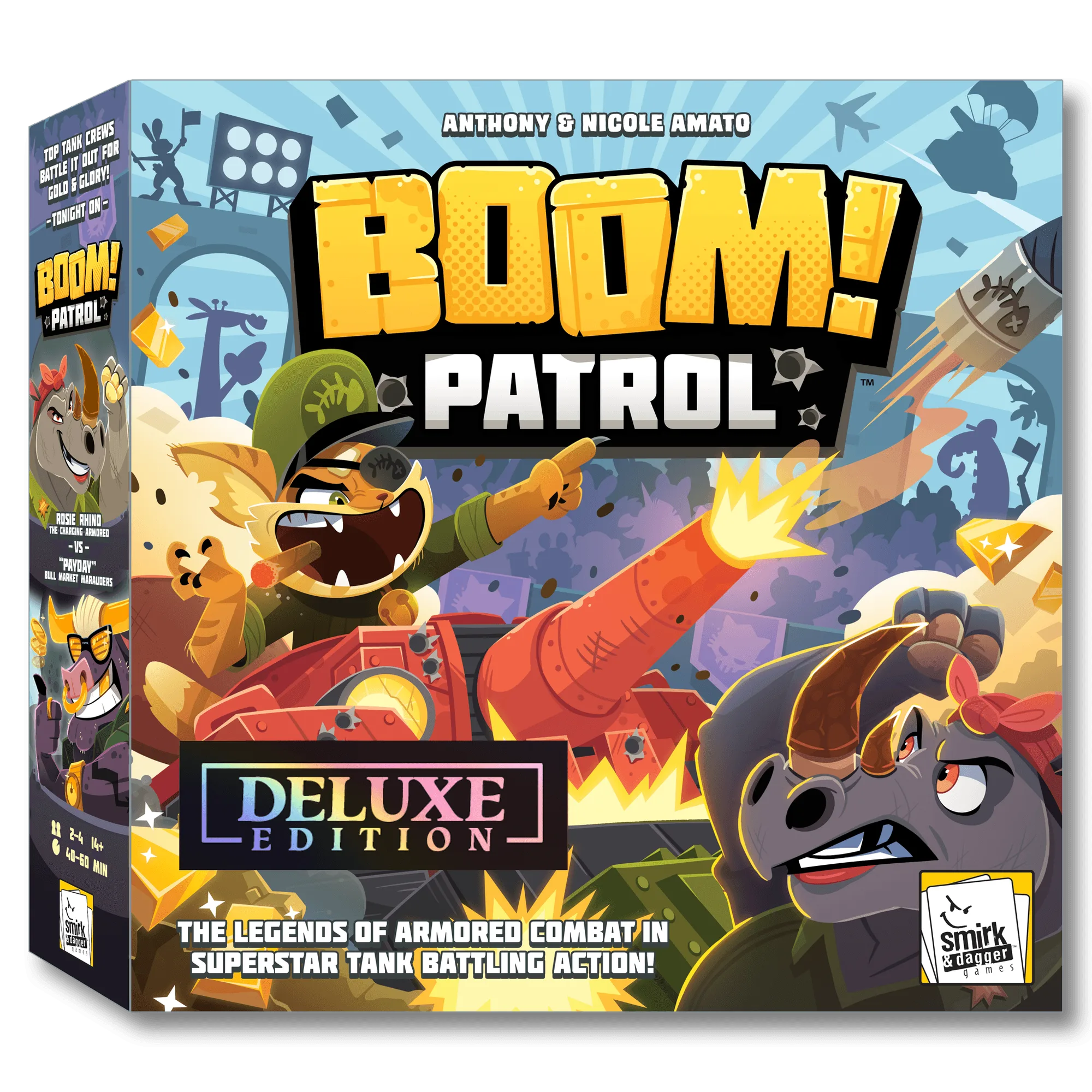
- If you want spectacle and upgraded pieces: Look for a deluxe edition with molded tokens and holofoil components. BOOM Patrol DELUXE includes holofoil tanks and captains plus plastic molded tokens, which adds table presence but also more to sort and store. Deluxe components are a real upgrade, but budget extra setup and storage time.
- If your group is sensitive to gore or graphic themes: Choose horror that leans on tension, puzzles, or comedy rather than explicit content. Abstract games like boop and SHOBU have no graphic theme, while Candyman titles use cartoonish cookie combat for humor. Match the theme intensity to the most sensitive player at the table.
Real Examples and What They Teach
- boop: It looks adorable, but is a deceptively challenging abstract strategy game. Every time you place a kitten on the bed, it goes “boop,” pushing every other kitten next to it one space away. Line up three kittens in a row to graduate them into cats, and then get three cats in a row to win. A two-player game that proves horror-adjacent tension does not require gore. Its simple rules and small footprint make it a strong choice for couples or a quick game night opener.
- SHOBU: SHOBU is a timeless, elegant two-player strategy game. This listing is for the Standard edition, item code SND 1005, in the Board Games category. Rules available to download. A quiet, abstract duel with downloadable rules, so you can learn it before committing. Best for two players who want a thoughtful, low-luck contest rather than a loud party game.
- Run for your Life, Candyman! DELUXE: a cult classic of cookie combat: A hilarious 30 minutes of ripping off your opponent's sugar-frosted limbs as you try to escape the sweet land of candy and confection. A twisted board game parody designed for 2-6 deeply disturbed people. Download the Rules. Shows how horror can be comedic and fast. The 2-6 player range and 30-minute play time make it a good fit for larger groups that want laughs, not dread.
- TESSERACT: a cooperative, puzzle strategy game: The game features a cube of 64 dice, sitting on a rotating platform to examine all angles. Players will use three actions to contain and control the reactions of this extra-dimensional avatar. A cooperative puzzle with a large, unusual component. It needs table space and setup time, so it suits a planned game night rather than a spontaneous one.
Who Should Buy Which
Best for
- Two-player households that want a quick, tense duel with minimal setup
- Groups of four to six that want a fast, funny horror-themed party game
- Players who enjoy cooperative puzzle-solving and have a full evening to commit
Not for
- Solo players looking for a deep narrative campaign
- Groups that want a serious, grim horror experience with no comedy
- Tables with very limited space or players who dislike long setup times
Buy the horror game that fits your actual table, not the one with the scariest cover. Check player count, session length, theme intensity, and table footprint first. If you want a two-player duel, start with boop or SHOBU. If you host a larger, laughter-focused group, look at the Candyman titles. For a cooperative puzzle night, TESSERACT rewards the space and time you give it.