Quick answer
The biggest shift in hosiery for 2026 is comfort-first construction: soft shaping instead of rigid control, cotton-rich socks that breathe, and tights that work as hard as your schedule does. Build your drawer around three or four pieces you will actually wear weekly rather than a pile of single-occasion items.
Hosiery stopped being a seasonal afterthought. In 2026, the pieces people reach for most are the ones that solve a daily problem: legs that feel heavy by 4pm, socks that slip into shoes, or underwear that disappears under a fitted dress.
This is a question-and-answer guide to what is genuinely changing, what is marketing noise, and which DIM pieces fit an everyday rotation. No predictions we cannot back up, just the practical side of buying hosiery this year.
What is actually changing in hosiery trends 2026?
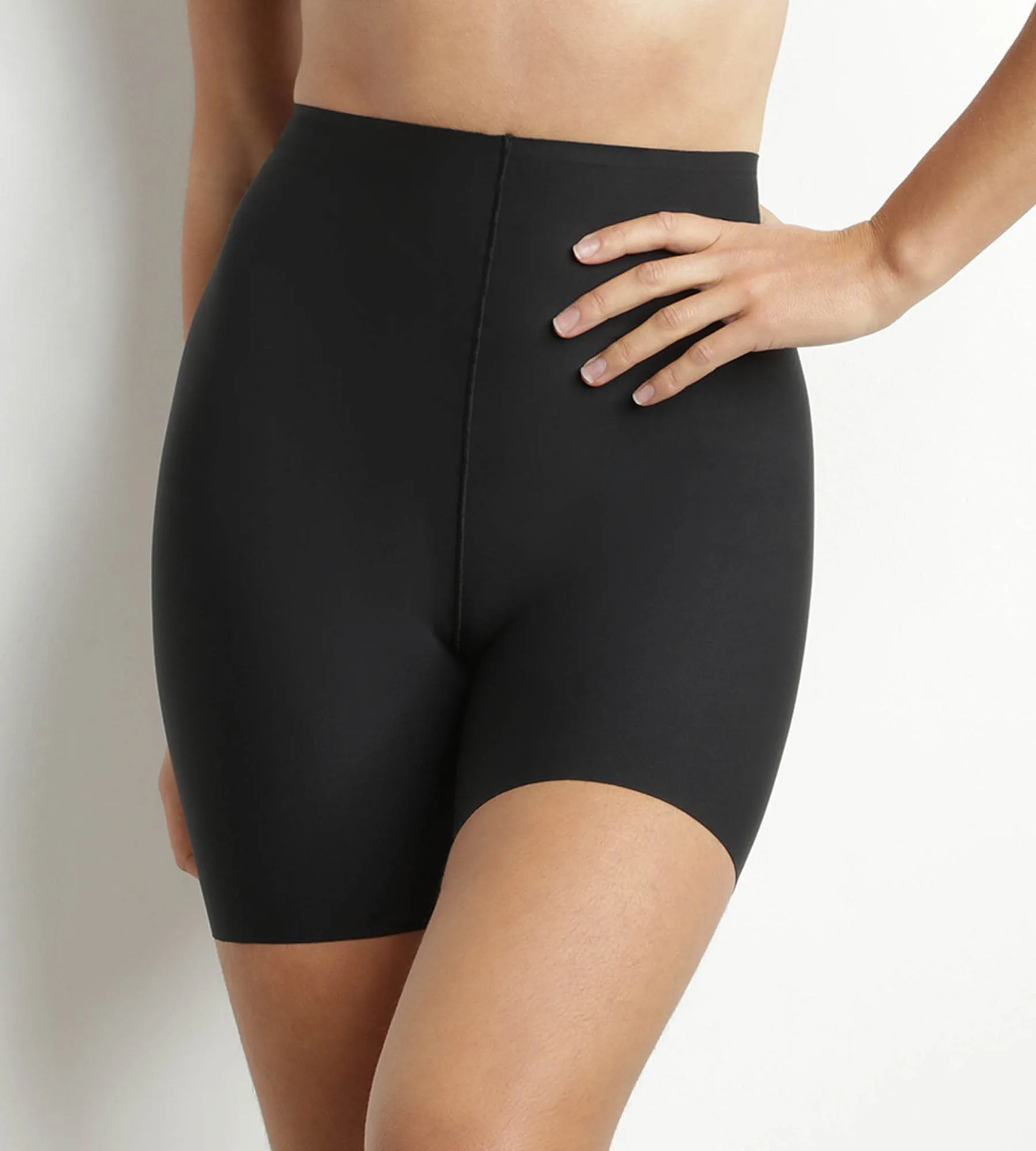
The direction is less about dramatic new silhouettes and more about how existing pieces are made. Soft shaping is replacing hard control: instead of compressing you into a shape, newer pieces target specific zones and stay invisible under clothing. The DIM Silhouette Invisible shaping short uses seamless microfibre and a high waist to smooth the stomach, waist, thighs and hips with what the brand describes as a medium shaping effect.
On the sock side, cotton remains the benchmark for everyday wear because it breathes. Blends still matter for durability and stretch, but a cotton-rich sock is what most people want for a full day on their feet. Tights trends 2026 follow the same logic: functional details like a visual heel to position the tight correctly, or graduated pressure to reduce that heavy-leg feeling, are doing more work than decorative patterns.
- Look for zone-specific shaping rather than all-over compression.
- Check the fibre percentage, not just the front-of-pack claim.
- A functional detail you will use beats a trend you will not.
Do I need to replace my whole hosiery drawer this year?
No. Most people need to replace two or three items, not everything. Start with the pieces you wear most often and that have visibly worn out: socks with stretched top bands, tights with snags or lost elasticity, underwear that has gone sheer or lost its shape. Those are the ones quietly making your day less comfortable.
Then add one piece that solves a specific recurring problem. If your legs ache after long days standing or travelling, a graduated compression tight is a better investment than another basic opaque. If you avoid fitted dresses because of visible lines, a seamless shaping short earns its place. The goal is a small drawer where every item has a job.
- Retire anything with a stretched top band or lost elasticity.
- Add one problem-solving piece instead of several near-duplicates.
- Keep two opacity levels of tights so you can match any outfit.
Are compression tights only for medical use?
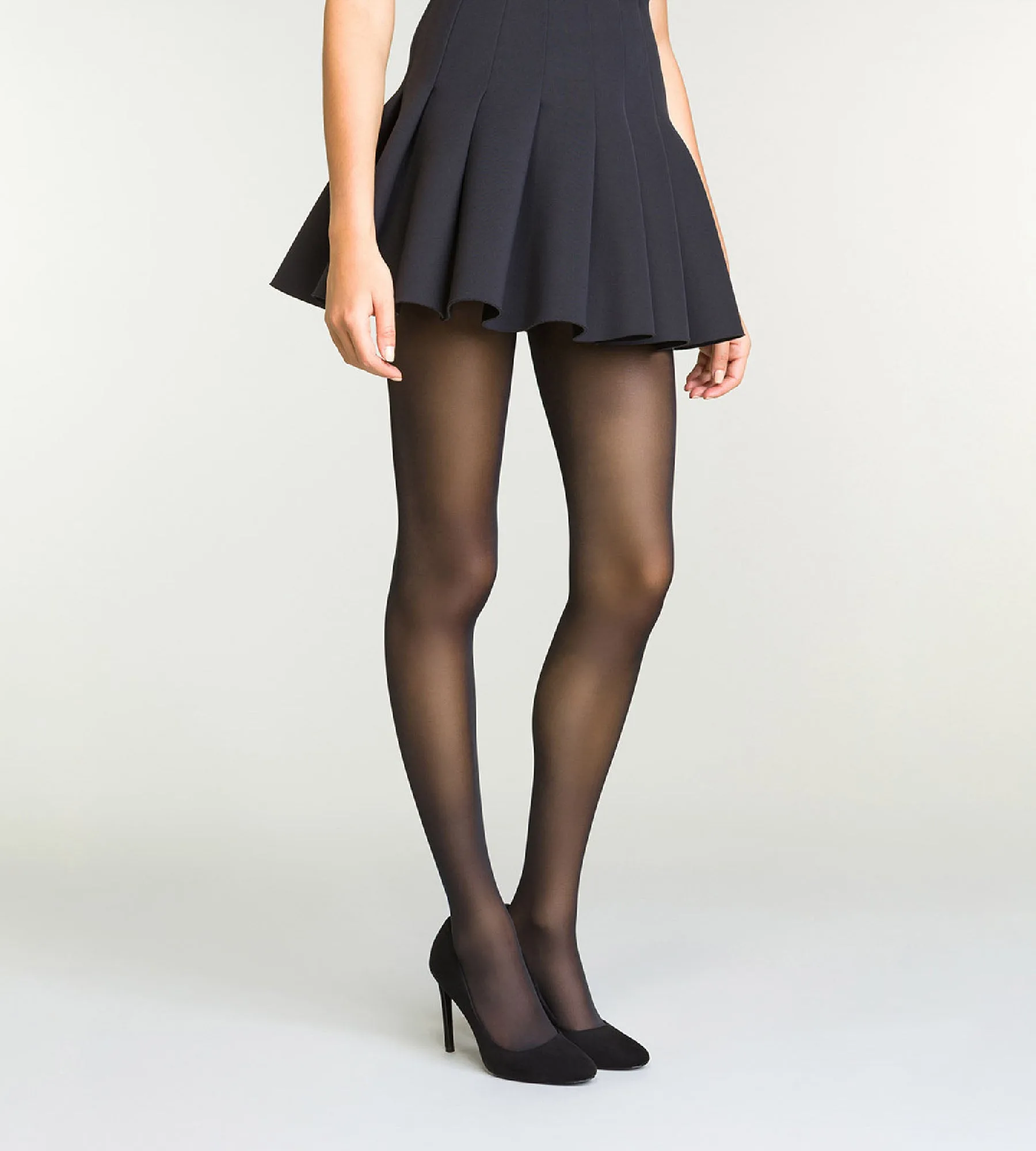
Not necessarily. There is a middle ground between standard fashion tights and medical-grade compression garments. The DIM Perfect Contention 45D opaque tight is described as having a pressure level equivalent to class 1 medical compression tights, with an innovative knit designed to fight the sensation of heavy legs and a visual heel that helps you position it correctly.
That positioning detail matters more than it sounds. Compression only works as intended when the garment sits where it should, so a visual heel is a practical feature rather than decoration. If you have a diagnosed circulatory condition or are pregnant, check with a healthcare professional before choosing compression level. For general tired-leg discomfort during long days, a class 1 equivalent is the common starting point.
- Class 1 equivalent suits everyday tired-leg discomfort, not medical treatment.
- Position the tight carefully; a visual heel helps you do that.
- Ask a professional if you have a diagnosed condition.
Which socks make sense for everyday wear in 2026?
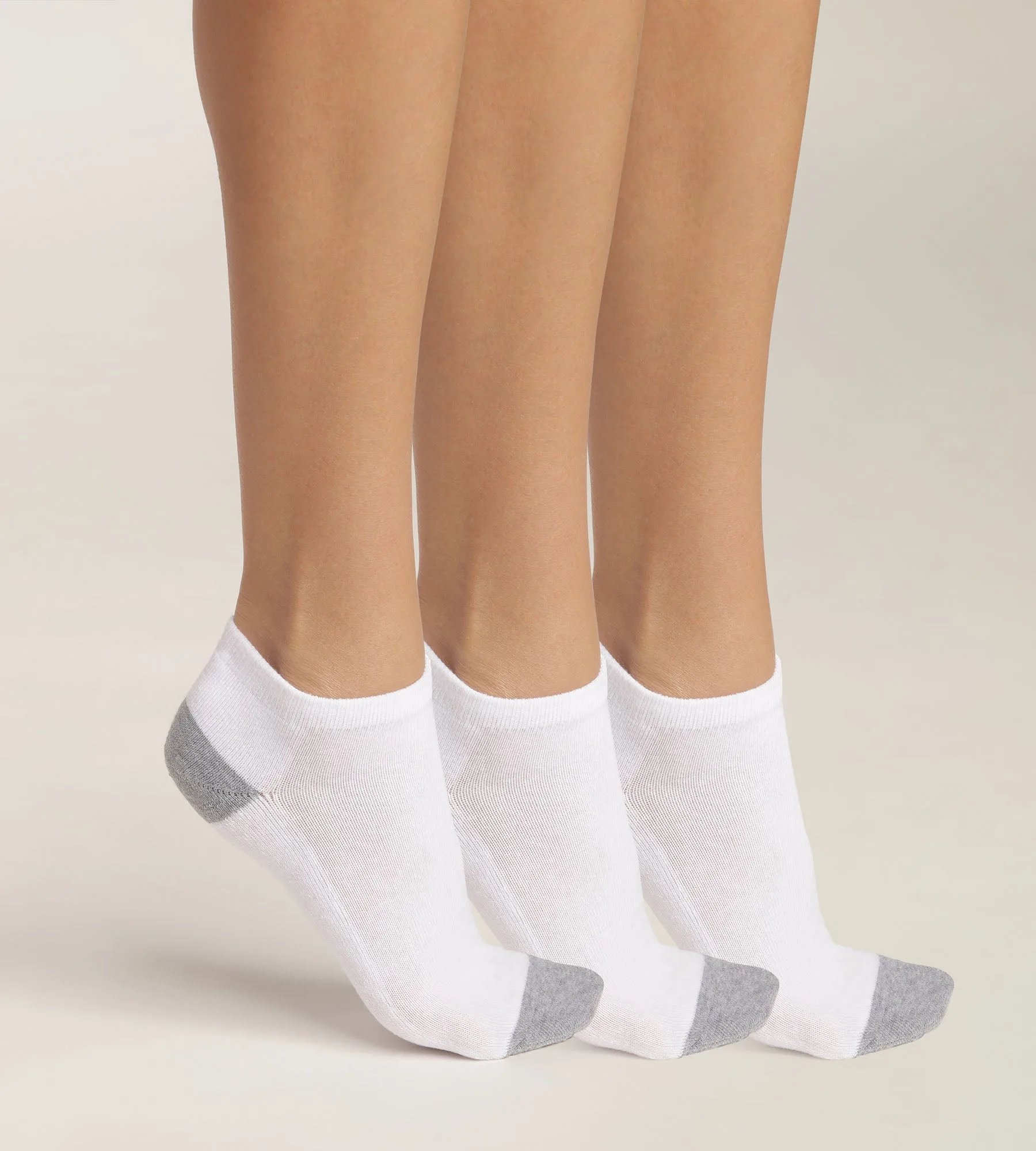
Cotton-rich ankle and low-cut socks remain the most versatile choice for everyday wear, especially if you alternate between trainers, loafers and casual shoes. The DIM EcoDim Sport women's cotton ankle sock set comes in a pack of three in white and light grey, made with 64% cotton fibre, with a looped anti-shock sole, reinforced toe and heel, and a soft top band that holds without squeezing.
Those details answer the two most common sock complaints: slipping down inside the shoe and pressure marks around the ankle. A looped sole adds cushioning underfoot without bulk, which is why this style works for commuting, errands and light sport rather than one narrow use. If you mostly wear higher shoes or boots, a higher-cut cotton sock is the better companion piece.
- Choose cotton-rich for breathability in everyday shoes.
- Looped soles add cushioning without making the sock thick.
- Replace socks as soon as the top band stops holding.
How do I build an everyday hosiery essentials drawer?
Work backwards from your week. Count how many days you wear tights, how many you wear socks, and how many you need invisible underwear under fitted clothing. That gives you a realistic number for each category, usually far lower than people expect. Then pick one reliable style per category and buy it in the colours you actually wear.
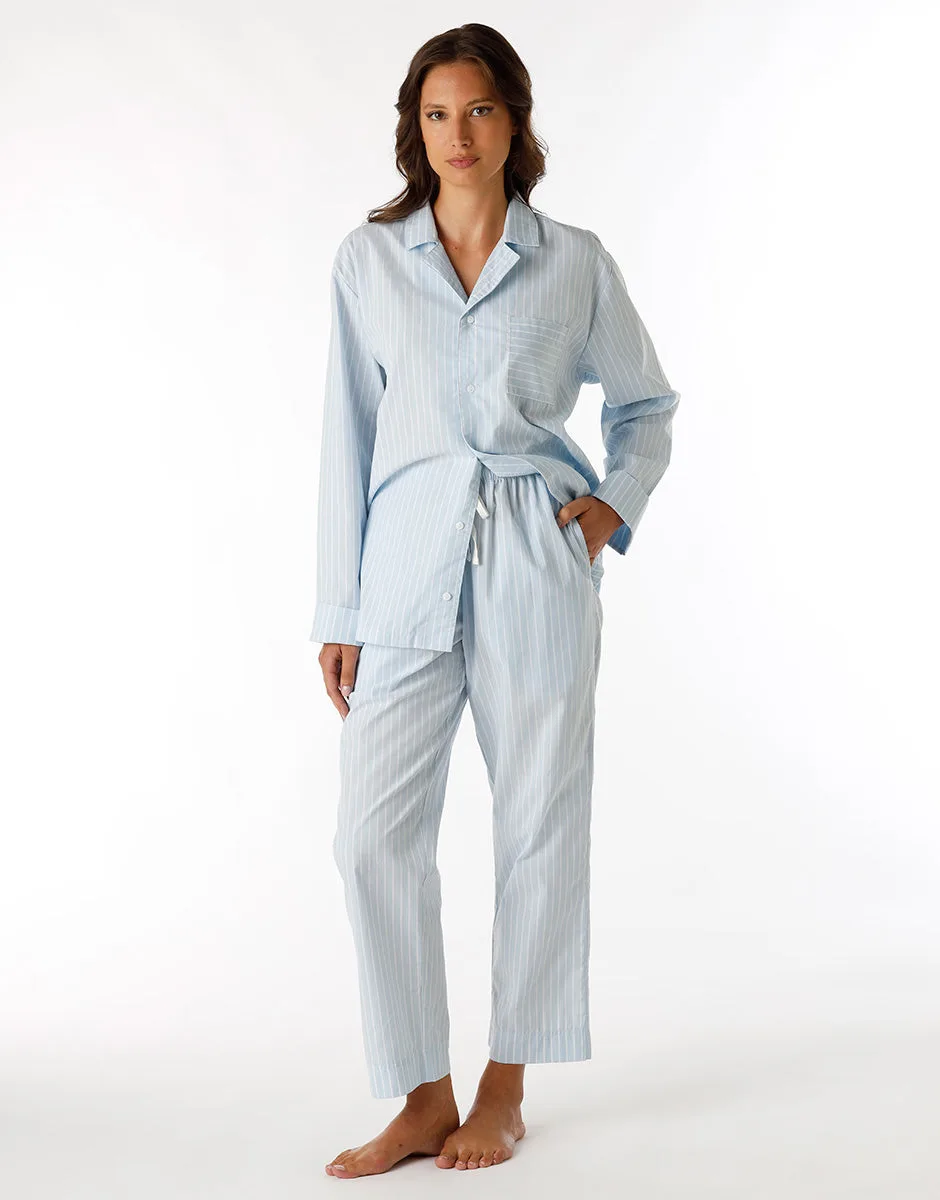
A workable baseline: one opaque black tight, one lighter or sheer tight for warmer days, three to five pairs of everyday socks, and one seamless shaping piece for fitted outfits. Add a cotton-rich pyjama or nightwear set if your evenings follow the same comfort-first logic. The DIM unisex long open pyjama in blue striped cotton canvas is cut for both him and her, with a fully open button-front jacket, a chest pocket, side pockets and an adjustable drawstring waist.
- Count your actual weekly wear before buying multiples.
- One reliable style per category beats five experimental ones.
- Buy the colours you wear, not the colours on promotion.
What should I look for in the fibre content?
Fibre percentages tell you more than the label on the front. Cotton breathes and feels dry against the skin, which is why a 64% cotton sock is a sensible everyday choice. Polyamide, often listed on lingerie and shaping pieces, gives a smooth second-skin feel and helps garments keep their shape. Elastane is what provides stretch and recovery, so a small percentage is normal and useful.
What you will not always find is a full breakdown of every performance claim. If a product page does not state a specification, treat it as unknown rather than assuming it. For example, if a tight listing does not mention a denier, do not guess it from the photo. Buy based on the facts that are stated, and ask customer service about anything you genuinely need to know before ordering.
- Cotton for breathability, polyamide for smoothness, elastane for stretch.
- If a spec is not listed, do not assume it.
- Ask before ordering when a detail affects your decision.
How should I care for hosiery so it lasts?
Most hosiery fails early because of washing, not wear. Turn tights and shaping pieces inside out, use a mesh laundry bag, and choose a delicate cycle with cool water. Skip the dryer: heat breaks down elastane, which is exactly what makes tights lose their snap and shaping pieces lose their hold. Air dry flat and away from direct heat.
For socks, the same logic applies at lower stakes. Washing them inside out protects the looped sole and keeps the top band from stretching out. Keep a small repair kit with a fine needle and a spare pair of tights in your bag during heavy wear periods. A two-minute fix at your desk is cheaper than replacing a pair mid-week.
- Wash inside out in a mesh bag on a cool delicate cycle.
- Never tumble dry tights, shaping pieces or cotton socks.
- Keep a spare pair in your bag during busy weeks.
Reader questions answered at a glance
What is the single biggest hosiery change in 2026?
Soft, zone-specific shaping and cotton-rich everyday socks are replacing rigid control pieces and novelty fibres. Buy for daily comfort first, trend second.
Do I need compression tights?
Only if heavy legs are a recurring problem. A class 1 equivalent like the DIM Perfect Contention 45D suits general tired-leg discomfort, not medical treatment. Check with a professional if you have a diagnosed condition.
How many pairs of everyday socks should I own?
Three to five pairs of one reliable cotton-rich style covers most weeks. Replace them when the top band stops holding. Fewer, better socks last longer than a drawer of cheap ones.
What is the one piece most people are missing?
A seamless shaping short for fitted outfits, worn instead of hoping a standard brief stays invisible. Solve the recurring problem, then stop buying.
Product facts worth knowing
- Collant Opaque Noir pour femme DIM Perfect Contention 45D: Pressure level equivalent to class 1 medical compression tights, with an innovative knit designed to fight the sensation of heavy legs and a visual heel to help position the tight correctly. Knitted in France. A practical option for long days on your feet or travelling, provided you position the tight properly and check with a professional if you have a diagnosed condition.
- Lot de 3 paires de socquettes femme en coton Blanc Gris EcoDim Sport: Made with 64% cotton fibre, with a looped anti-shock sole, reinforced toe and heel, and a soft top band that holds without compressing. Comes as three pairs in white and light grey. Covers the two most common sock problems, slipping and ankle pressure, in a breathable everyday style you can wear across trainers, loafers and casual shoes.
- Panty gainant femme en microfibre sans couture Noir Dim Silhouette Invisible: High-waist seamless microfibre short with a medium shaping effect that targets the stomach, waist, thighs and hips, designed to stay invisible under clothing. A sensible choice when you want a smoother line under a fitted dress without the rigidity of traditional control underwear.
- Pyjama long ouvert unisexe en toile de coton bleu à rayures: Unisex long pyjama in blue striped cotton canvas, with a fully open button-front shirt-style jacket, a chest pocket, side pockets and an adjustable drawstring waist. A shared-wardrobe option if you prefer cotton nightwear with functional pockets and an adjustable fit rather than a fixed elastic waist.
Hosiery trends 2026 reward the practical buyer. Choose cotton-rich socks that breathe, tights built around a real function, and one shaping piece that disappears under your clothes. A small drawer of pieces you wear weekly will outperform a large one you avoid.