Quick answer
For most cafés and home coffee stations, 8 oz hot cups are the right default for a standard small drip coffee, tea, or hot chocolate. Choose a cup that matches your lid system and sleeve size, and buy a case that covers your busiest serving period plus a small buffer. If you serve mostly 12 oz or larger drinks, size up rather than overfilling the 8 oz cup.
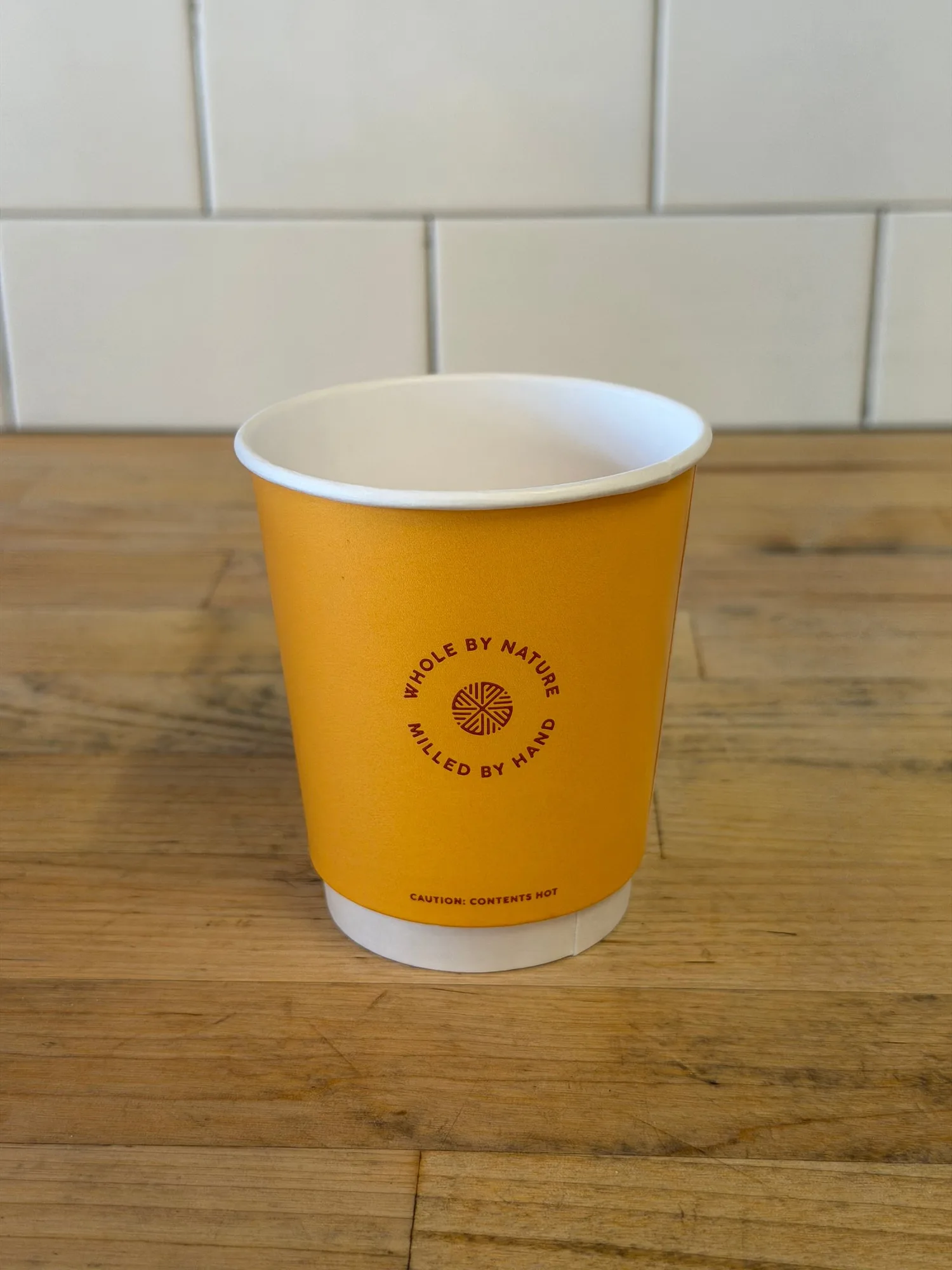
8 oz hot cups
An 8 oz hot cup is the workhorse of coffee service: small enough for a single espresso-based drink, large enough for a standard drip coffee or tea. But cup size alone doesn't tell you whether a cup will work for your menu. Rim diameter, lid fit, sleeve compatibility, and material all affect how the cup performs behind the counter and in a customer's hand.
This buying guide walks through the decisions that matter when you're choosing disposable hot cups: what 8 oz actually holds, how paper hot cups compare with other materials, how to match hot cup lids, and when to step up to a larger coffee cup size. It also covers storage and serving considerations so you can buy with confidence.
What 8 oz actually holds
In coffee service, an 8 oz cup is usually the small size. It holds about 8 fluid ounces to the rim, but you'll typically fill it to 6–7 oz to leave room for milk, foam, or a lid. That makes it a good fit for a single 12 oz latte's espresso portion, a standard tea serving, or a small hot chocolate.
If your menu centers on 12 oz or 16 oz drinks, 8 oz cups will feel limiting. Many cafés stock two sizes: 8 oz for small and 12 oz or 16 oz for medium and large. Buying both lets you serve the same drink at different price points without changing your lid or sleeve system.
- Measure your actual pour volume, not just the cup's nominal size.
- Leave at least 0.5 inch of headspace for lids and foam.
Paper hot cups vs. other materials
Paper hot cups are the most common choice for disposable hot beverage cups because they insulate reasonably well, accept printing, and work with standard lids. Most are lined with a thin coating to resist moisture. If you're comparing paper hot cups, check whether the cup is single-wall or double-wall. Single-wall cups usually need a sleeve for comfortable handling; double-wall cups add a layer of air insulation and may reduce or eliminate the need for sleeves.
Compostable and recycled-content cups exist, but availability and local composting infrastructure vary. If sustainability is a priority, confirm what your waste hauler actually accepts before committing to a case. Material choice also affects lid fit: a lid designed for one cup brand may not seal properly on another, even if the rim diameter looks similar.
- Single-wall cups: lower cost, usually need a sleeve.
- Double-wall cups: better heat protection, higher cost per cup.
- Always test lid fit with the exact cup you plan to buy.
Lids: the fit decision that makes or breaks service
Hot cup lids are not universal. Rim diameter, rim thickness, and cup taper all affect whether a lid snaps on securely. A lid that fits one 8 oz cup may leak or pop off on another. If you're buying cups and lids separately, order a small quantity first and test the fit with hot liquid before committing to a full case.
Lid style matters too. A sip lid works for coffee and tea; a travel lid with a raised spout can reduce splashes; a straw slot is unnecessary for hot drinks. For cafés, a single lid style that fits all your cup sizes simplifies inventory. For home use, a small pack of lids matched to your cups is usually enough.
- Test lids with hot liquid, not room-temperature water.
- Standardize on one lid style across sizes if possible.
- Check whether lids are sold separately or included.
Sleeves, double-cupping, and heat protection
If you use single-wall paper hot cups, sleeves are the simplest way to protect hands. Sleeves also give you a printable surface for branding. Double-cupping—using two cups for one drink—works in a pinch but doubles your cup usage and can make the cup unstable in a holder.
Double-wall cups cost more per unit but can reduce or eliminate sleeve purchases. Run the math: if a double-wall cup costs a few cents more but saves a sleeve and the labor of sleeving, it may be the better operational choice for high-volume service. For low-volume home use, sleeves are usually the more economical path.
- Sleeves fit a range of cup sizes; check the sleeve's stated capacity.
- Double-wall cups may not fit standard sleeves or holders.
- For very hot drinks, consider a cup holder or tray for transport.
How many cups to buy
Estimate your busiest serving period, then multiply by the number of days you want to cover between orders. Add a 10–20% buffer for spills, mistakes, and unexpected rushes. If you're buying for a one-time event, count expected guests and assume one to two cups per person for a multi-hour gathering.
Storage matters as much as quantity. Keep cups in a dry, closed area away from strong odors; paper cups can absorb smells and moisture. Stack them loosely rather than cramming them, and rotate stock so older cups get used first. Lids should be stored in their original bag or a clean bin to keep the sealing edge free of dust.
- Count your busiest hour, not your average hour.
- Buy lids in the same quantity as cups unless you reuse lids.
- Store away from moisture and strong-smelling foods.
Decision rules for buying 8 oz hot cups
- Match cup to lid before you buy in bulk: Order a small pack of cups and the lids you intend to use, then test the fit with hot liquid. Rim diameter and taper vary between manufacturers, and a loose lid is a burn risk. If the lid doesn't snap on securely, choose a different cup or lid system.
- Choose single-wall plus sleeve or double-wall based on volume: Single-wall paper hot cups with sleeves cost less per serving but add a step. Double-wall cups cost more per unit but simplify service. For high-volume cafés, double-wall often wins on labor; for home or low-volume use, single-wall plus sleeves is usually cheaper. Calculate cost per served drink, not cost per cup.
- Buy 8 oz only if your menu centers on small drinks: If most of your sales are 12 oz or larger, 8 oz cups will sit unused. Stock the size that matches your best-selling drink, and add 8 oz only if customers ask for a small option. Let your menu, not habit, determine cup size.
- Plan storage before you plan quantity: Paper cups absorb moisture and odors. Keep them in a dry, closed space away from strong-smelling foods, and rotate stock so older cups are used first. A dry, clean storage area protects cup integrity and lid fit.
Products that pair with hot cup service
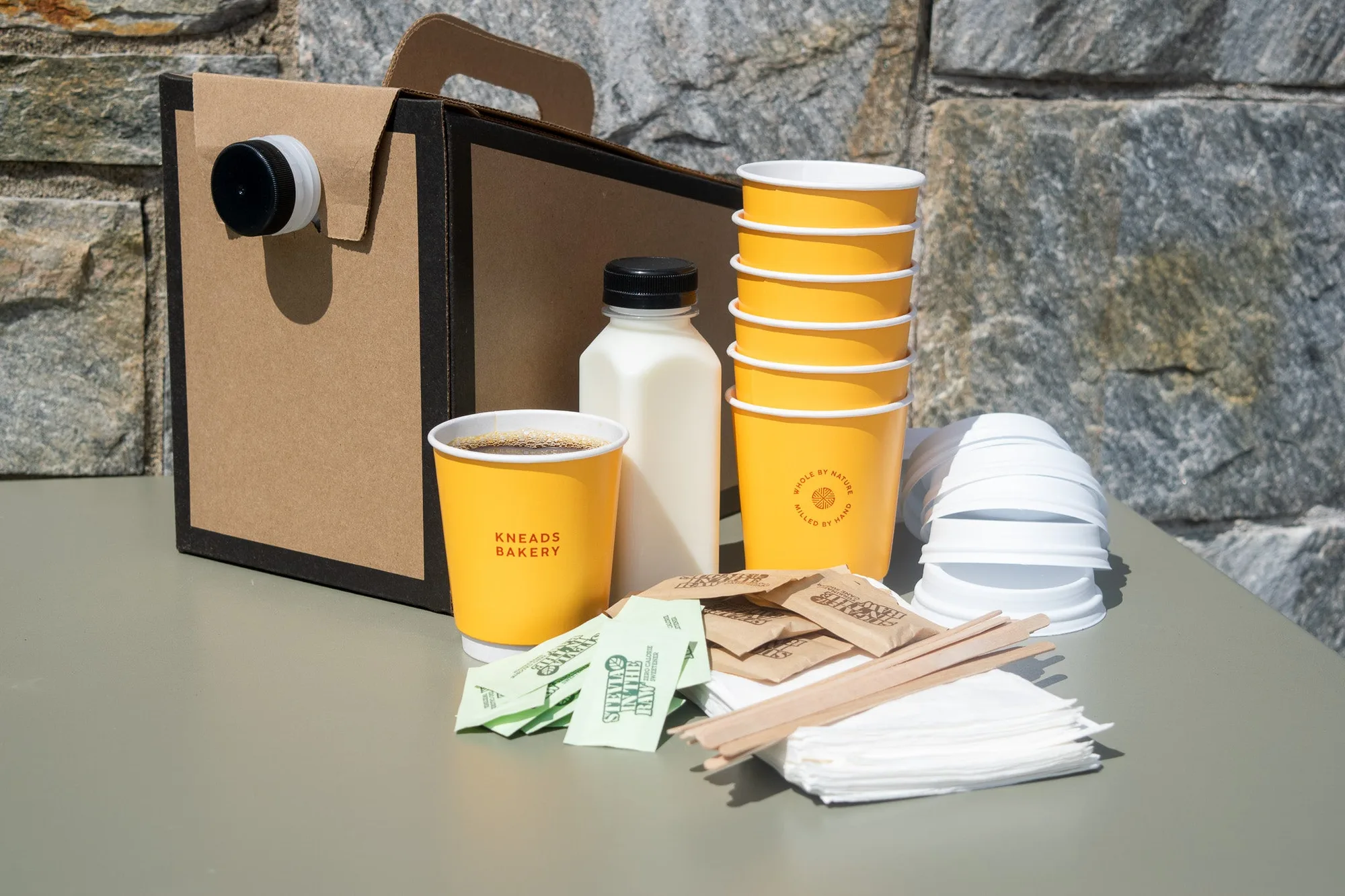
- Boxed Beverages: Each box contains 96 fl oz, which provides 12 servings, and is available in Hot Coffee, Iced Coffee, Hot Decaf Coffee, Iced Black Tea, or Iced Hibiscus Tea. If you're serving a group and want to skip individual cup pouring, a boxed beverage covers 12 servings. It's a practical alternative to brewing and portioning into 8 oz cups for meetings and events.
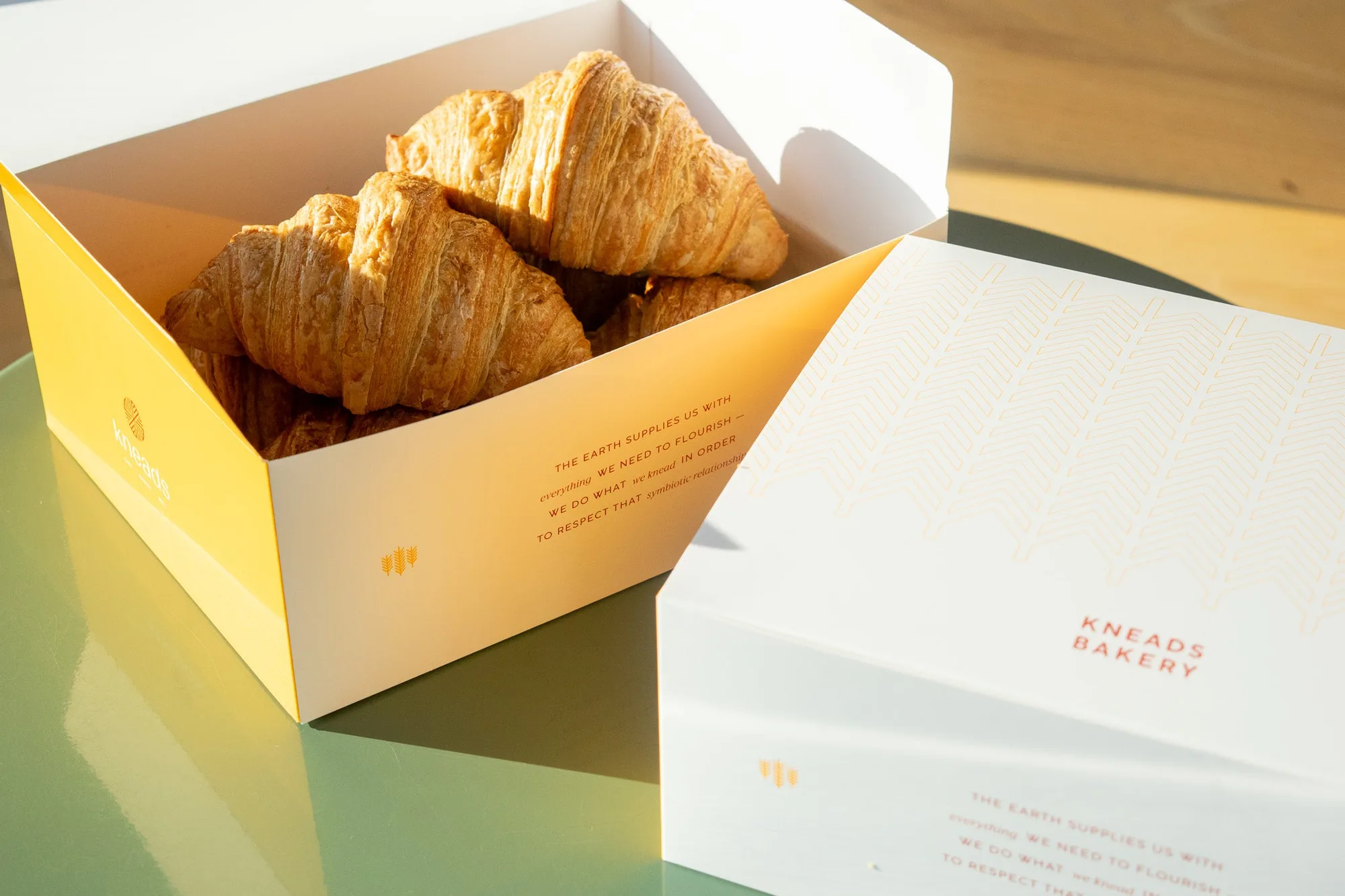
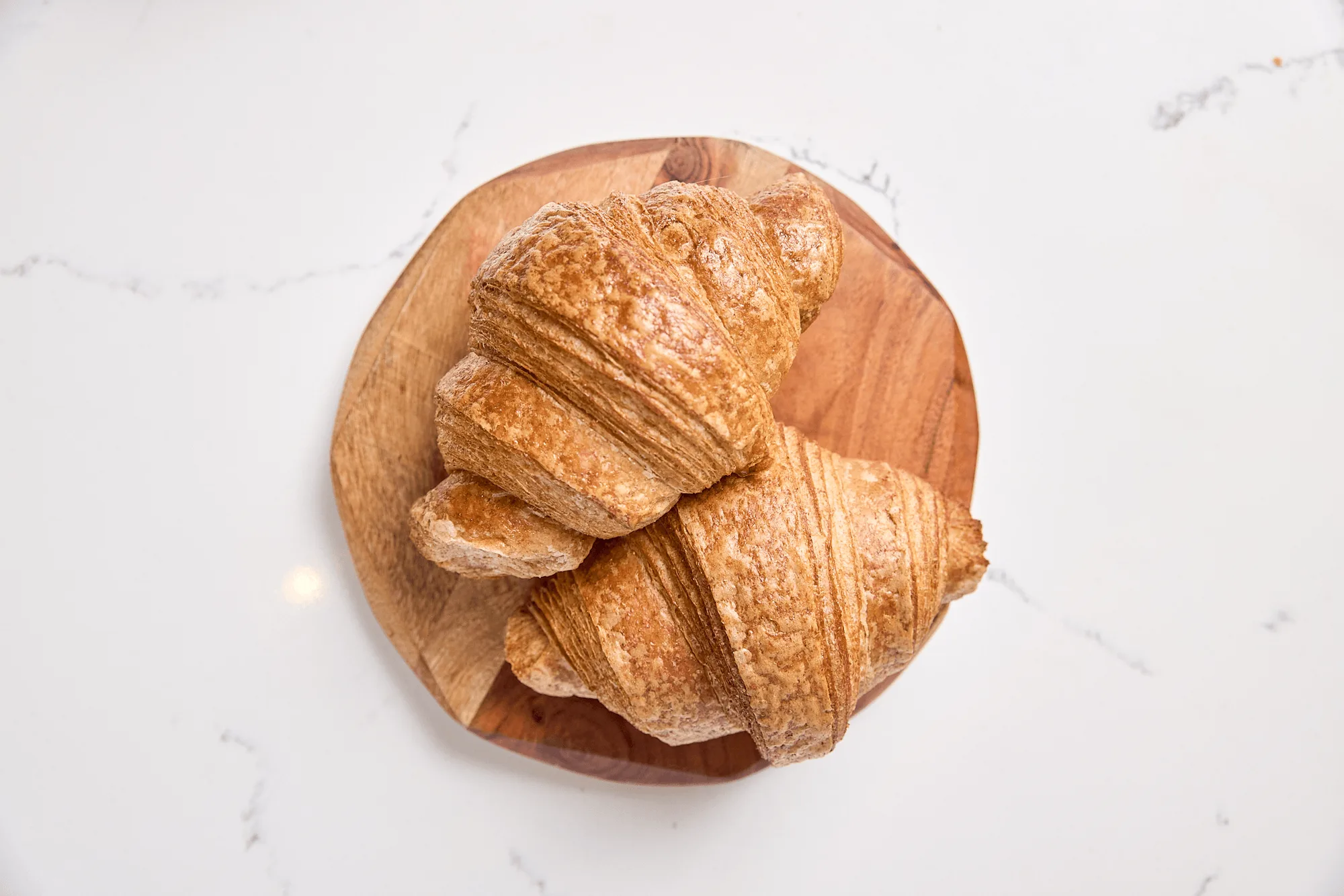
- croissant-box-d6f921f11a994a99e5a09018-1645698">Mini Croissant Box: One dozen mini croissants per box, freshly milled preparation, mini size, easy to serve and share. Mini pastries are a natural companion to hot coffee or tea service. A dozen per box makes it easy to plan a coffee break without extra plating.
- Ginger Turmeric Kombucha: Offered as a beverage in a six-bottle package of glass bottles, with ginger and turmeric flavor, associated with Feel Good Booch of Peekskill, NY. If your beverage station includes cold options alongside hot cups, a six-bottle pack gives you a ready-to-serve choice without additional prep.
Who 8 oz hot cups are for
Best for
- Cafés and coffee stands that serve a standard small drip coffee, tea, or hot chocolate
- Home entertainers who want a disposable option for coffee and tea service
- Offices and events that need a right-sized cup for a single serving without waste
Not for
- Menus built around 12 oz or larger drinks, where a bigger cup size is more practical
- Operators who want a cup that works without a sleeve for very hot drinks, unless they choose a double-wall option
- Anyone serving cold beverages, where an insulated cold cup is a better fit
Choosing 8 oz hot cups comes down to matching your drink menu, lid system, and serving volume. Test lid fit before buying in bulk, decide between single-wall plus sleeves and double-wall based on your labor and cost priorities, and store cups in a dry, odor-free area. If your menu skews larger, size up rather than overfilling. For group service where individual cups aren't practical, a boxed beverage option like Boxed Beverages can cover 12 servings without extra pouring.