Quick answer
For a household cookout, buy fresh packs sized to your headcount: a 4 pack hot dog buns works for two to four people, while larger packs suit bigger groups. If you are feeding a café or commissary, choose wholesale cases and freeze what you will not use within two days. Match bun size to your sausage length before you buy, and check the pack count rather than assuming a standard number.
Hot dog buns look interchangeable until you are standing in the store with a package in one hand and a pack of sausages in the other. The differences that matter are pack count, bun length, freshness window, and whether you can freeze the extras without ruining texture. This hot dog buns buying guide walks through those decisions so you can buy once and serve without waste.
We will cover how many buns per pack you actually need, when a 4 pack hot dog buns makes sense versus a larger sleeve, how to freeze and thaw without sogginess, and how to find fresh buns near you without a wasted trip. We will also flag where the catalog leaves gaps, like exact bun dimensions when a supplier does not list them.
Pack counts: how many buns per pack should you buy?
Pack counts vary by brand and channel. A 4 pack hot dog buns is common in small grocery sets and works when you are feeding two to four people with one or two dogs each. Larger sleeves of 8, 12, or more suit bigger cookouts, but only if you can use or freeze them before they stale. For cafés and commissaries, wholesale cases are the practical route because the per-unit cost drops and you can control storage.
Count your eaters, not your sausages. If you buy a 10-pack of franks and a 4 pack of buns, you will either waste food or make a second trip. Buy buns in the same count as your protein, or plan to freeze the difference. If you are unsure, buy one extra pack rather than one fewer; buns freeze better than cooked sausages reheat.
- Rule of thumb: one bun per hot dog, plus one extra bun per four people for dropped or split rolls.
- Check the label for the actual count; 'family pack' is not a standardized number.
Bun sizes and fit: matching buns to your hot dogs
Hot dog bun sizes usually track the length and thickness of the sausage. Standard buns fit around a 4.5 to 5 inch frank. Longer buns, sometimes labeled footlong or bratwurst style, fit longer links but leave extra bread if you use a standard frank. Split-top or New England style buns have flat sides for buttering and toasting, which changes how they hold up to wet toppings.
Width matters too. A thick, coarse-ground sausage can split a thin bun during cooking or eating. If you are serving brats or smoked sausage, choose a wider bun or a split-top style. When a supplier does not list bun dimensions, treat that as a decision limitation: buy one pack and test the fit before committing to a case for an event.
- Measure your cooked sausage length before buying a case of buns.
- Split-top buns toast well but are less forgiving if you overfill them.
Fresh buns near me: how to judge freshness and sourcing
Fresh buns near you are usually found at bakery counters, grocery in-store bakeries, and local bakeries that bake daily. The sell-by date is a guide, not a guarantee; squeeze the package gently. Buns should feel soft and spring back, not dense or sticky. If the bag has visible condensation, the buns may already be on the way to soggy.
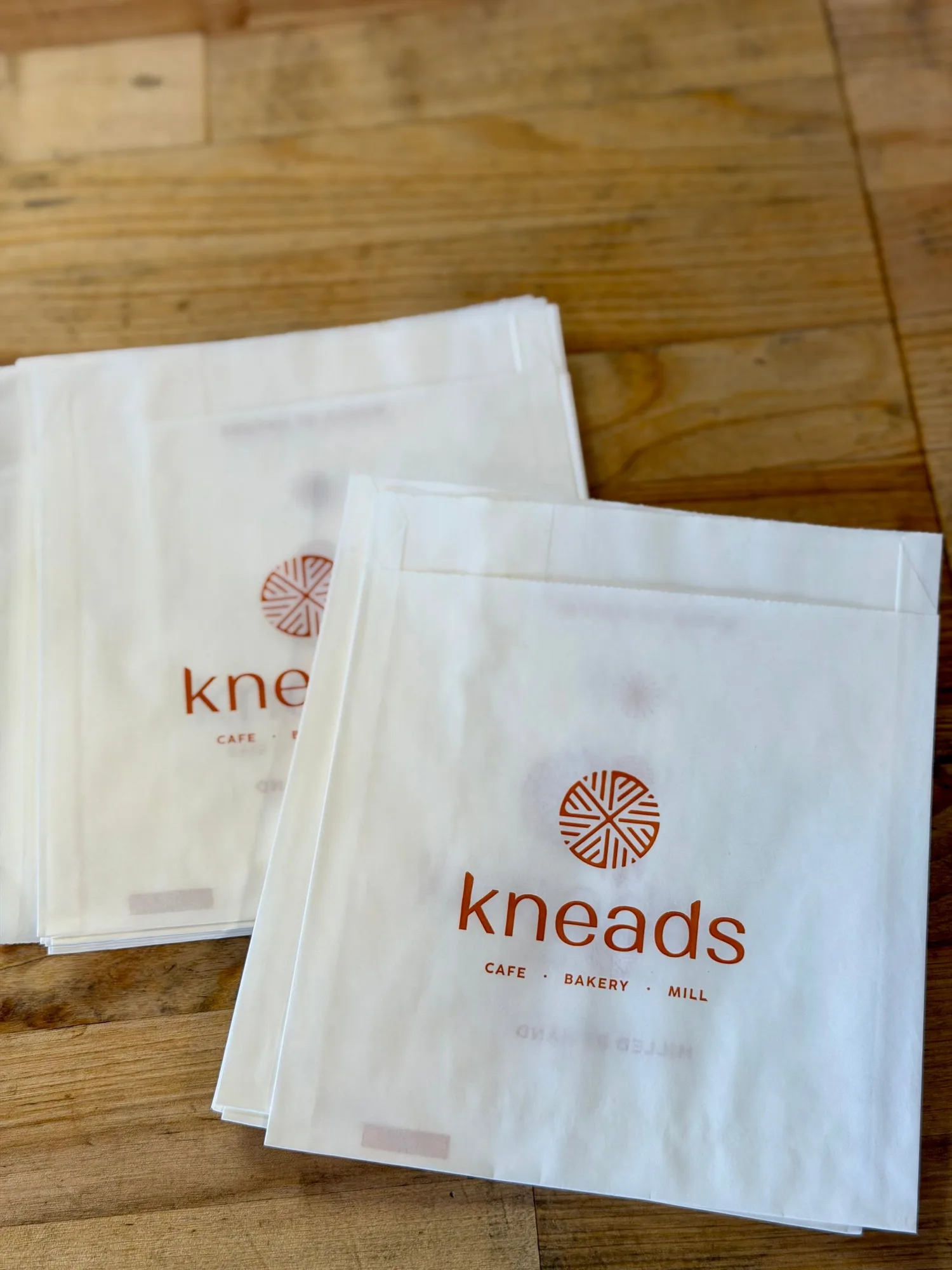
For cafés and food service, the practical move is to buy from a commissary or wholesale supplier with consistent pack sizes and a known delivery schedule. That is where a product like Pastry Bags becomes relevant for packaging, though it is a wholesale-only commissary item rather than a bun. For retail shoppers, buy fresh buns within a day or two of serving, and avoid bulk packs unless you have freezer space.
Pastry Bags
- Ask the bakery counter when the buns were baked; same-day is ideal for a cookout.
- Skip packs with crushed or flattened buns; they will not split cleanly.
Freezing hot dog buns without ruining texture
Freezing hot dog buns works well if you do it the day you buy them. Wrap the whole pack tightly in its original bag, press out excess air, and freeze flat. For smaller portions, separate buns with parchment and freeze in a zip-top bag. They keep for about one to two months at consistent freezer temperature; longer storage invites freezer burn and dry edges.
Thaw at room temperature in the sealed bag for one to two hours, or warm them in a 300°F oven for a few minutes. Do not microwave a whole pack, which steams and toughens the crust. If you freeze a large wholesale case, portion it into meal-sized bags first so you are not thawing more than you need.
- Label the freeze date; buns older than two months are better for breadcrumbs or croutons.
- Refresh thawed buns with a quick toast or griddle press before serving.
Wholesale and café buying: pack sizes that make sense
If you run a café, food truck, or commissary, bun buying is a volume decision. You want consistent pack counts, predictable delivery, and packaging that holds up in service. Wholesale-only items like Pastry Bags are sold by the master case, which shows how commissary packaging is structured: 4,000 bags per master case with listed dimensions of 6" x .75" x 6.5". That scale is normal for back-of-house supplies, not for a weekend cookout.
For buns specifically, match your order to your daily covers and freeze the overflow. A hot dog bun that is a day old still toasts well; a bun that has been frozen and thawed twice does not. Buy the smallest case that covers your busiest two days, then supplement with fresh local packs if demand spikes.
- Track buns per hot dog sold for one week before setting a standing order.
- Store wholesale buns in a dry, cool area; refrigeration speeds staling.
Decision rules for buying hot dog buns
- Match pack count to your headcount: Buy one bun per hot dog plus a small buffer. A 4 pack hot dog buns suits two to four people; larger packs suit bigger groups or freezing. If you cannot use or freeze extras within two days, buy a smaller pack.
- Match bun size to sausage size: Standard buns fit about a 4.5 to 5 inch frank. Longer or thicker sausages need a longer or wider bun, or a split-top style. When dimensions are not listed, buy one test pack before committing to a case.
- Choose fresh for same-day, frozen for later: Buy fresh buns near you within a day or two of serving. Freeze the rest the day you buy them, wrapped tightly and portioned. Thaw in the sealed bag at room temperature, then toast to refresh.
- Buy wholesale only when volume justifies it: Cafés and commissaries should buy case quantities with consistent pack counts and freeze overflow. Households should avoid wholesale-only items unless they can store them. Check whether an item is wholesale-only before ordering; some packaging is not sold in retail sizes.
Catalog facts that help you buy
- Pastry Bags: Pastry Bags from Kneads • Bakery • Café • Mill are offered as a wholesale-only commissary packaging item. Each master case contains 4,000 bags, with listed dimensions of 6" x .75" x 6.5". This shows the scale of wholesale commissary packaging: a single master case holds thousands of units. If you are buying for a café or food service operation, plan storage and usage before ordering case quantities.
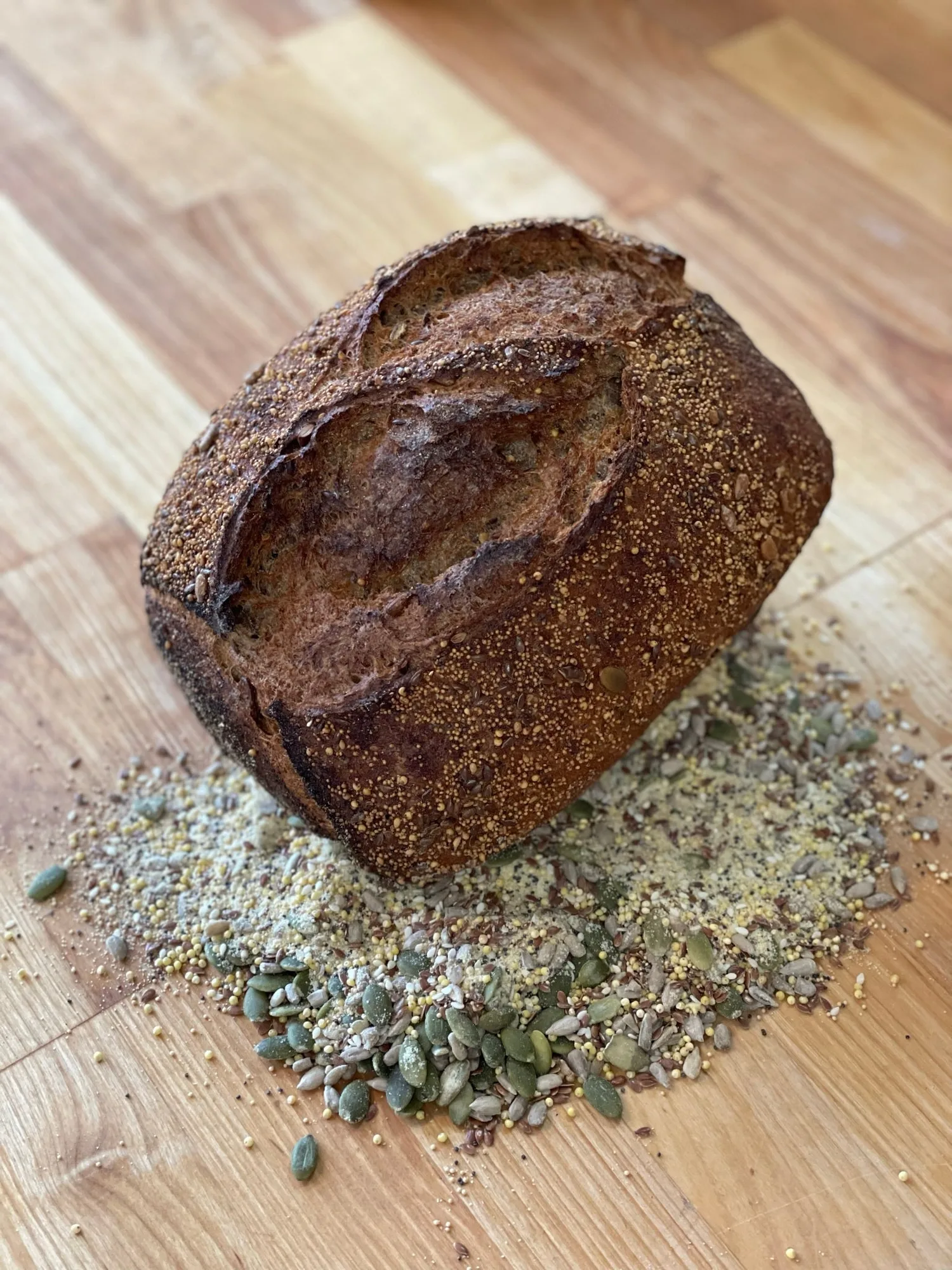
- Seeded Wheat Sourdough: Seeded Wheat Sourdough from Kneads is a whole grain bread made with a blend of seeds and grains. The ingredient list reflects a seeded, whole grain loaf suited to everyday slicing and toasting. If you want a sturdier alternative to standard hot dog buns for sausage sandwiches, a seeded whole grain loaf gives you more structure and a different flavor profile. It slices and toasts well, which helps it hold up to wet toppings.
Who this buying approach fits
Best for
- Home cooks planning a cookout for two to twelve people who want the right pack count without waste
- Café and food service buyers who need consistent pack sizes, freezing guidance, and commissary packaging context
- Anyone comparing bun sizes for standard franks, brats, or split-top styles before buying
Not for
- Shoppers looking for a specific brand or price comparison; this guide focuses on pack counts, sizes, and storage decisions
- Large-scale distributors who already have a standing wholesale bun contract and do not need retail pack guidance
Buy hot dog buns by count, size, and freshness window rather than by habit. Match the pack to your headcount, test the fit if dimensions are missing, and freeze extras the day you buy them. For café or commissary volume, choose wholesale cases and portion before freezing so every bun thaws once and toasts well.