Quick Answer
Modern animal figure detail is better mainly because of finer steel molds, multi-step paint application, and stricter quality checks on paint registration and seam cleanup. The biggest visible gains are crisper surface texture, cleaner color transitions, and fewer mold lines. Buyers should still judge each figure in person or from clear close-up photos, because detail varies by brand and by individual model.
Animal figure detail has improved noticeably over the past two decades, and the reasons are mostly industrial rather than artistic. Better mold-making, tighter paint control, and more consistent quality checks have raised the floor for what a standard figure looks like.
This FAQ answers the practical questions buyers ask about toy figure manufacturing, figure paint techniques, and how to tell a well-made model from a rushed one. It also uses real catalog examples to show how anatomical accuracy and paint decisions show up in the finished product.
What actually changed in modern figurine production?
The biggest change is mold precision. Modern steel or beryllium-copper molds can hold finer surface detail than older molds, so scale texture, fur direction, and skin folds survive the molding process instead of blurring out. That is why a current figure often shows individual scales on a fish or feather groupings on a bird where an older version showed a smooth surface.
The second change is paint application. Many figures now go through several passes: a base coat, mid-tone shading, fine brush or pad-printed accents, and a matte or satin sealer. Each pass adds depth, but it also adds cost and a chance for error, which is why paint registration is still the most common quality issue.
- Look for crisp texture that survives under raking light, not just a glossy surface.
- Check that dark accents land inside the intended area instead of bleeding onto neighboring colors.
Does more detail always mean a better figure?
No. Detail should serve accuracy, not just decoration. A figure with dozens of painted spots but wrong body proportions is less useful for learning than a simpler figure with correct anatomy. The most useful models get the silhouette, posture, and major markings right first, then add fine texture.
This is where catalog facts help. A figure that is designed around a real behavior or physical trait, such as a species' actual habitat or social structure, tends to hold up better as a learning tool than one that only looks busy.
- Prioritize correct proportions and posture over maximum surface texture.
- Use species facts to judge whether the paint pattern is plausible, not just attractive.
Which figure paint techniques matter most for durability?
Sealer choice matters more than the number of paint layers. A matte or satin clear coat protects the paint from handling and reduces glare, while a heavy gloss coat can make a figure look toy-like and show fingerprints. Pad-printed markings are usually the most consistent, but they can wear faster on high-contact areas like snouts and fins.
Hand-applied accents give variation and depth, but they also introduce small differences between units. That is not a defect by itself. It becomes a problem only when the paint sits outside the intended area or flakes soon after purchase.
- Prefer a sealed matte finish for display figures that get handled.
- Expect minor variation in hand-painted accents; reject flaking or misplaced paint.
How can you judge toy figure quality before buying?
Start with the seams. A well-finished figure has mold lines sanded or hidden along natural contours rather than running across the face or flank. Next, check the eyes and mouth, because those are the hardest areas to paint cleanly and the first place rushed production shows.
Then check stability. A figure that tips easily is a manufacturing problem, not a display problem. Finally, compare the price to the complexity of the paint and the size of the model. A low price on a highly detailed figure is possible, but it often means fewer paint passes or a simpler mold.
- Inspect close-up photos for mold lines across the face and body.
- Test or ask about stability if the figure will stand on a shelf or be played with.
Are realistic toy animals more expensive because of the detail?
Usually, yes, but not only because of detail. Cost comes from mold complexity, number of paint steps, quality-control rejection rates, and the size of the figure. A large figure with a complex pattern will cost more to produce than a small one with two colors, even if both are well made.
That said, price is not a perfect signal. Some affordable figures use smart mold design and a few well-placed paint passes to look convincing. Others charge more for size alone. The reliable way to judge value is to compare the specific features you care about, not the shelf price by itself.
- Compare paint steps and mold complexity, not just size.
- Check the catalog comparison price to see whether a discount reflects real value.
FAQ Checkpoints for Judging Figure Detail
Mold line placement
Run a finger along the face, flank, and tail. A good figure hides seams along natural contours or removes them entirely. Visible seams across the face are a sign of rushed finishing.
Paint registration
Check where two colors meet, especially around eyes, fins, and markings. Clean edges suggest better figure paint techniques and quality control. Bleeding paint is the most common defect on otherwise good figures.
Species accuracy
Compare the figure to a reliable description of the animal's markings, posture, and habitat. Detail that contradicts the species is decoration, not accuracy. Use catalog facts to confirm the model matches the real animal.
Finish and stability
A sealed matte finish resists wear, and a stable base keeps the figure from tipping. Both matter more for handling than for shelf display. Test stability before buying if the figure will be played with.
Catalog Examples That Show Modern Detail
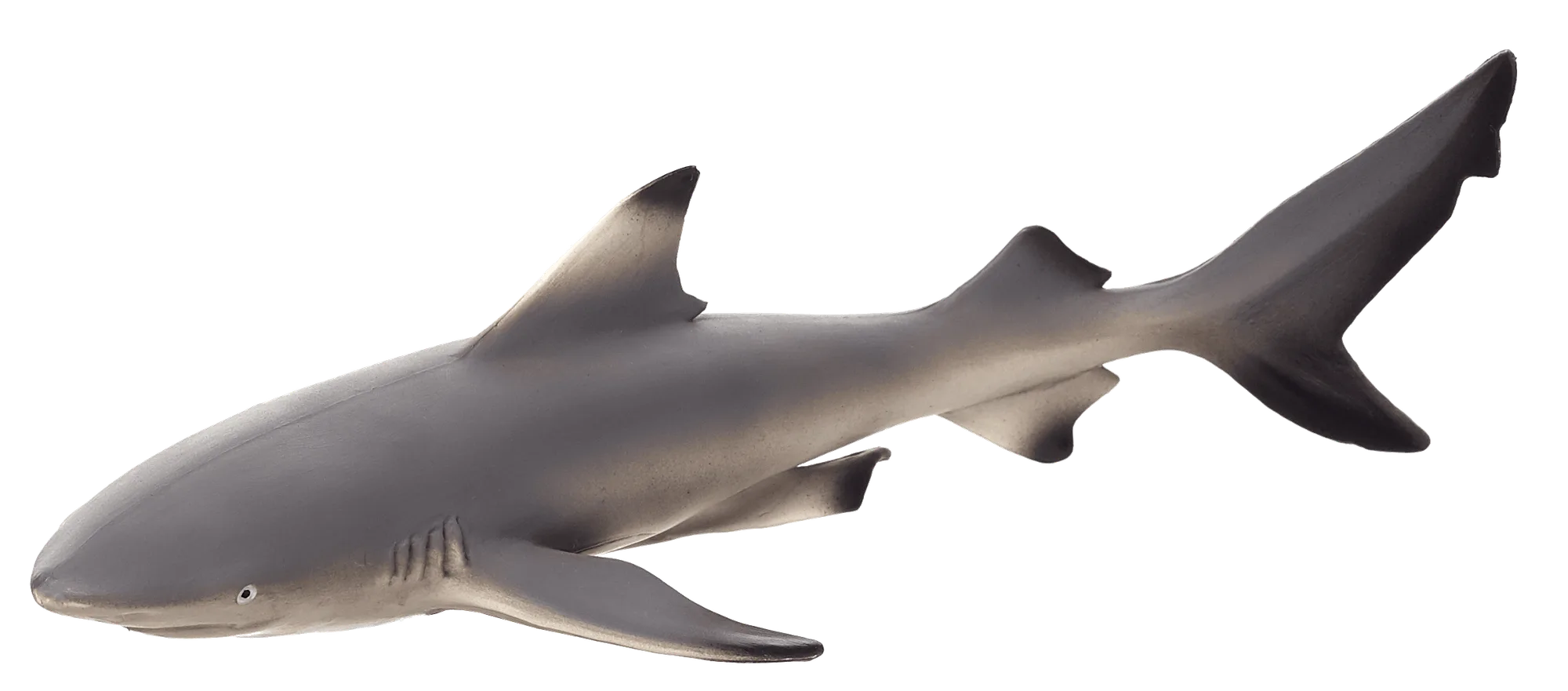
- Blacktip Reef Shark: Along with the grey reef shark and the whitetip reef shark, the blacktip reef shark is one of the three most common sharks inhabiting coral reefs in the Indo-Pacific. This species predominates in shallow habitats, while the other two are mostly found deeper. A figure that gets the black-tipped fins and reef-shark body shape right is more useful for learning than one with generic shark paint, and the habitat fact gives you a concrete way to check accuracy.
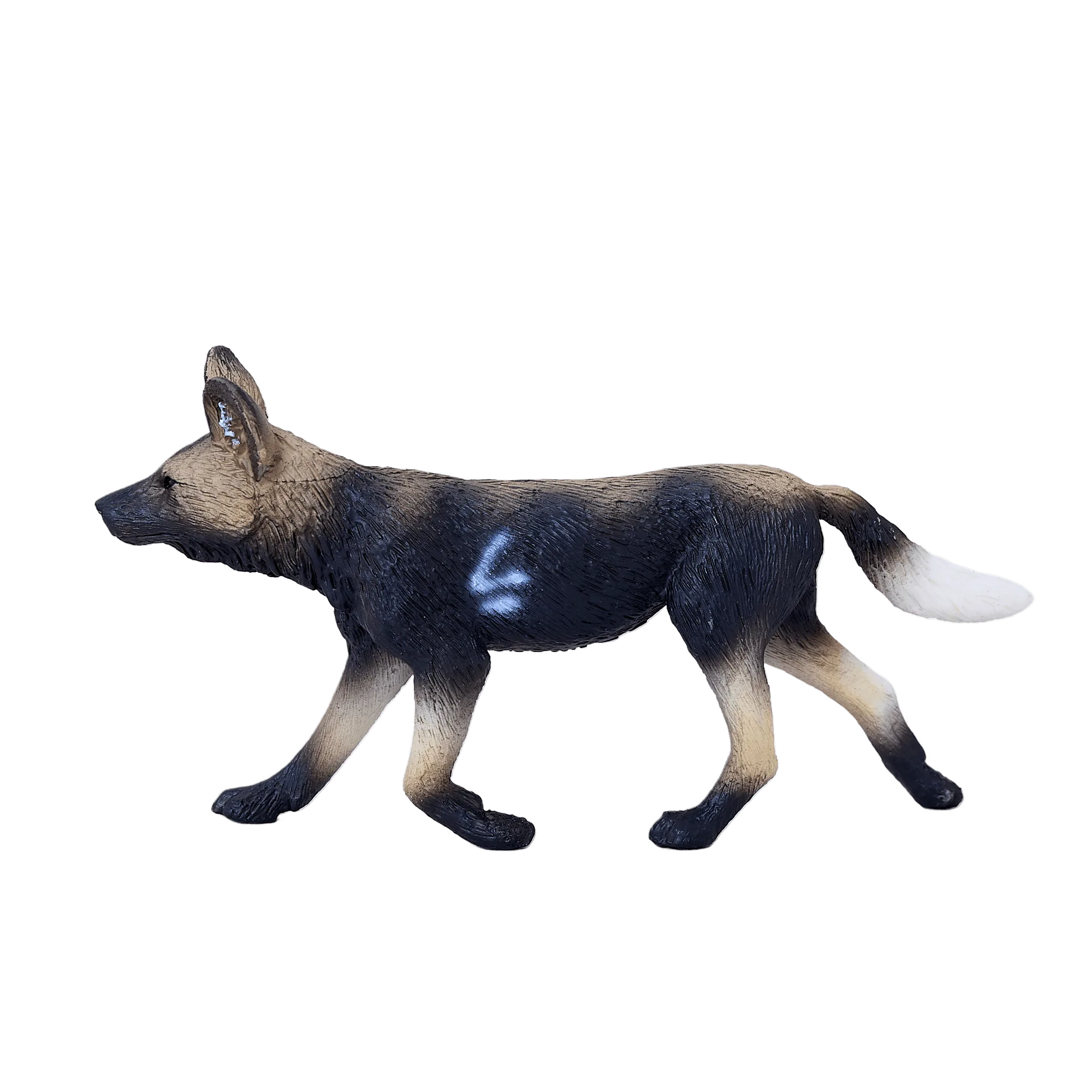
- African Painted Dog: The long large intestine of the African Painted Dog means that they have a very efficient system for absorbing as much moisture from their food as possible. This gives these canines an advantage in such arid climates as they do not need to find such a regular supply of water. The mottled coat pattern is the defining visual feature of this species. A figure that captures the irregular patches and lean build reflects better research than one with a generic dog pattern.
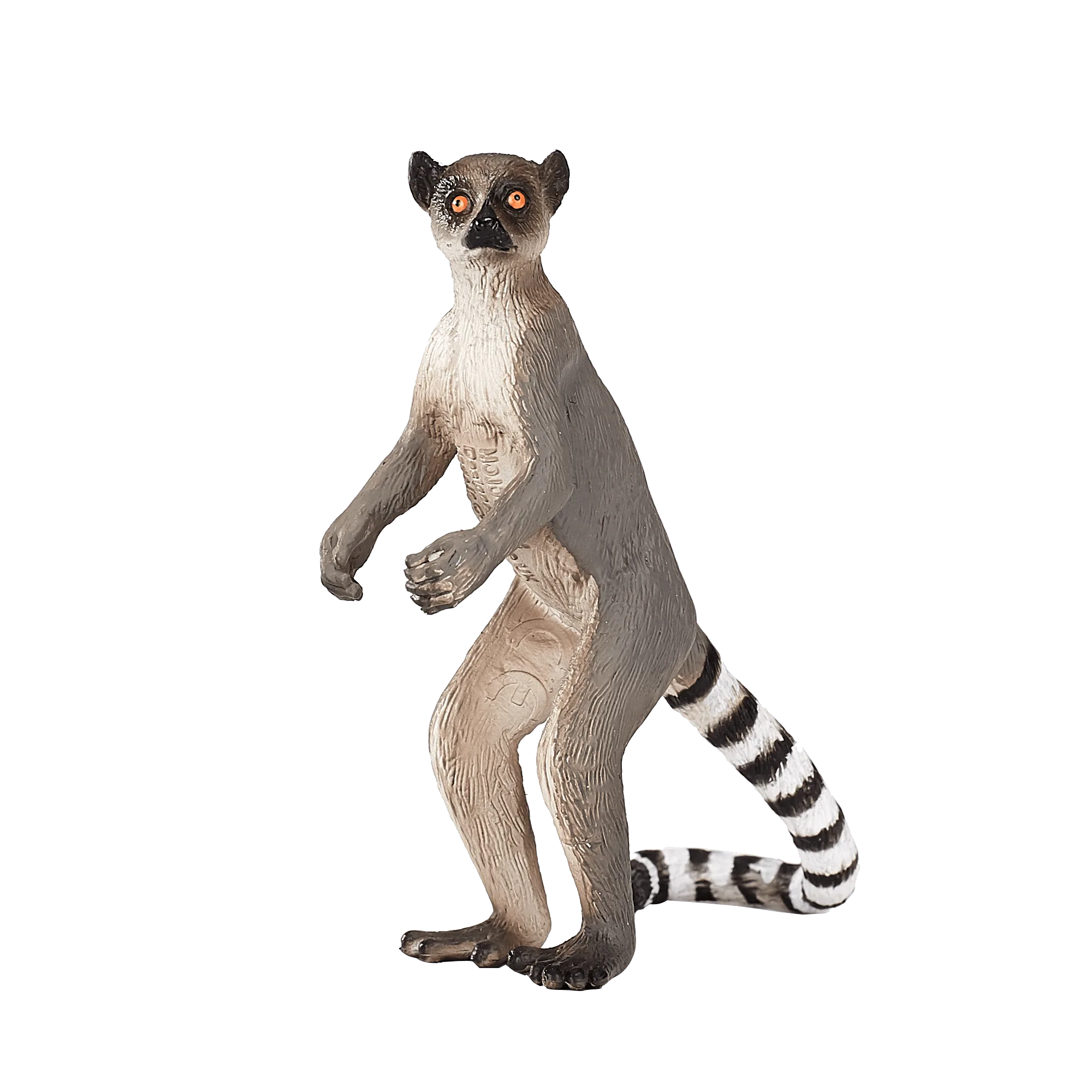
- Ringtail Lemur: Lemurs are one of the few animals that live in a matriarchal society, which means that the female lemurs have more control over the group than the male lemurs. The ringed tail and upright posture are the key visual cues. A figure that gets the tail rings and stance right is more recognizable and more accurate than one that only approximates the body shape.
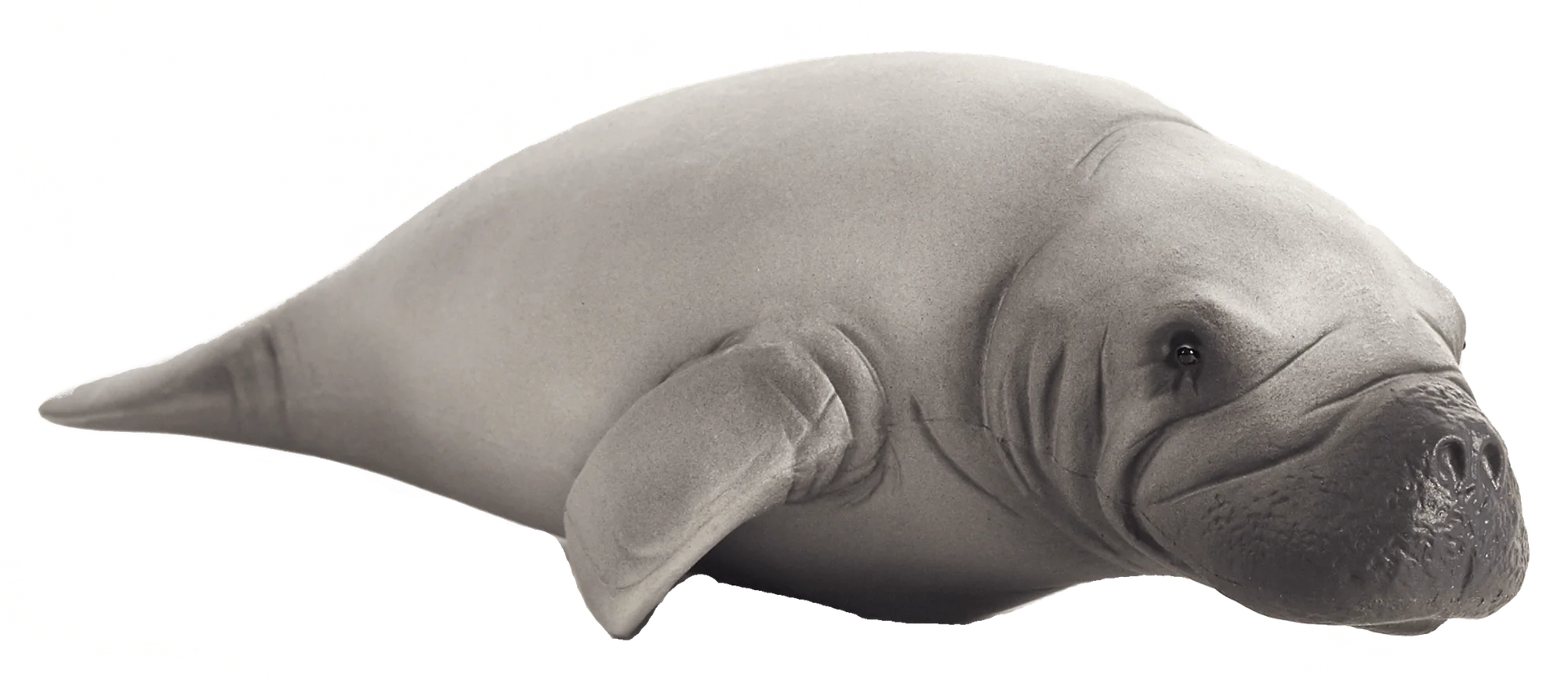
- Manatee: Manatees never leave the water but, like all marine mammals, they must breathe air at the surface. A resting manatee can remain submerged for up to 15 minutes, but while swimming, it must surface every three or four minutes. Manatee figures often show a smooth, rounded body with subtle facial detail. That simplicity is accurate, so a lack of heavy texture on a manatee figure is not a sign of low quality.
Modern animal figure detail has improved because manufacturing got better at the unglamorous parts: mold precision, paint control, and quality checks. When you evaluate a figure, look past the surface texture and check seams, paint edges, species accuracy, and stability. Those four checks tell you more about toy figure quality than any single feature.