Coffee cupping is the standardized method used by professionals to evaluate the aroma and flavor profile of coffee beans. Whether you are a home barista, a specialty coffee enthusiast, or simply curious about how roasters and tasters assess quality, understanding the cupping process opens a new dimension of appreciation for your daily brew. Cupping removes variables like brewing technique and milk, allowing you to focus purely on the intrinsic characteristics of the coffee itself.
In this guide, we will walk you through the essential steps of coffee cupping, from selecting beans to slurping and scoring. You will learn how to set up a cupping session, what to look for in aroma and taste, and how to develop your palate over time. By the end, you will be ready to host your own cupping at home or join a professional session with confidence.
What Is Coffee Cupping and Why Does It Matter?
Coffee cupping, also known as cup tasting, is a systematic technique used by roasters, buyers, and baristas to evaluate coffee quality. The process involves smelling the dry grounds, breaking the crust to release aromatics, and slurping the coffee to spread it across the palate. Cupping eliminates the influence of milk, sugar, or brewing variables, giving a pure representation of the bean's potential.
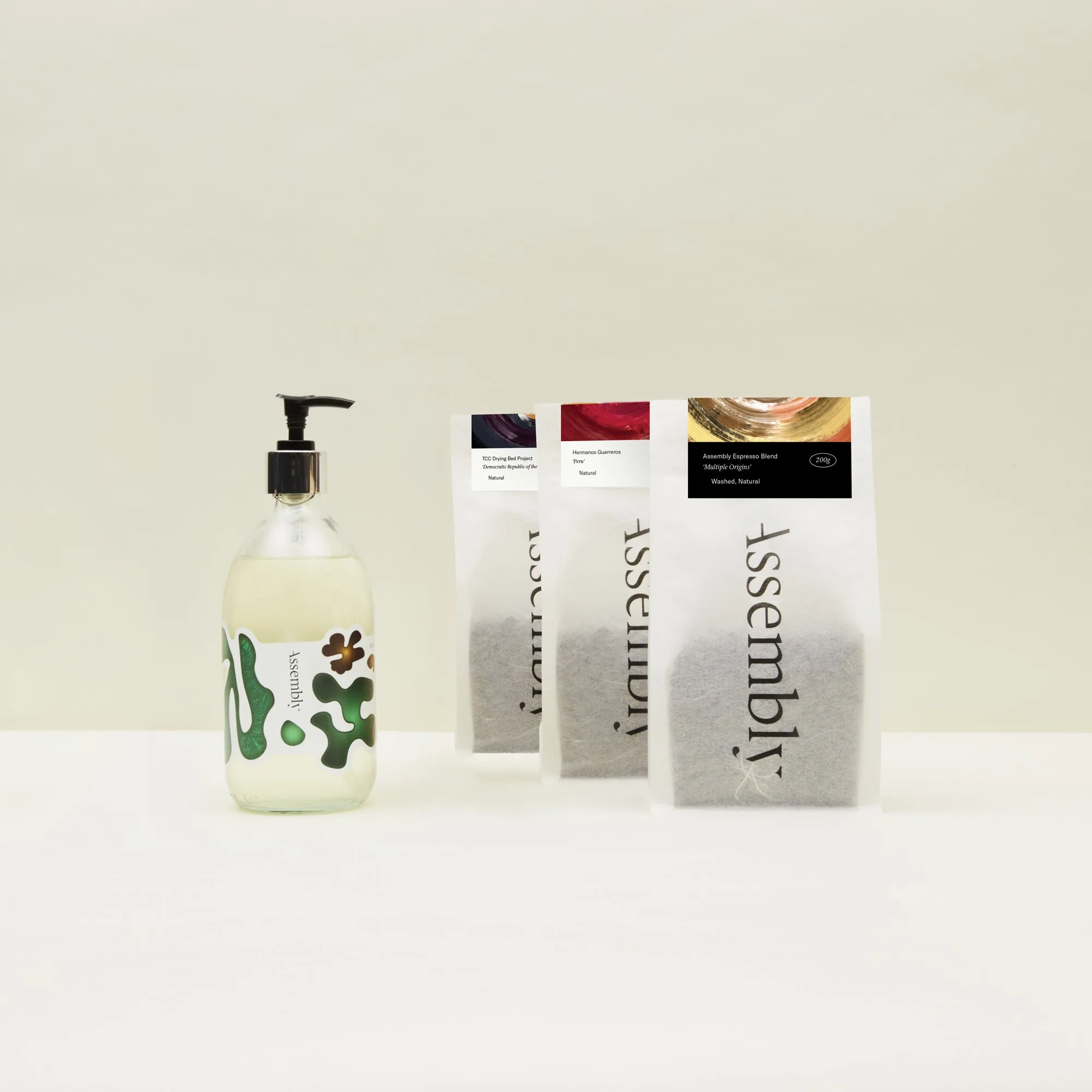
For enthusiasts, cupping is a powerful learning tool. It trains your senses to detect subtle notes like fruit, chocolate, floral hints, or earthiness. It also helps you understand how origin, processing, and roast level affect flavor. Many specialty coffee roasters, including Assembly Coffee, use cupping to select and profile their single-origin offerings.
- Cupping reveals the true character of a coffee without additives.
- It is the industry standard for quality control and flavor assessment.
- Practicing cupping sharpens your palate and deepens your coffee knowledge.
Essential Equipment for Your Home Cupping Session
You do not need a professional lab to start cupping. Basic equipment includes fresh coffee beans, a grinder with consistent particle size, cupping bowls (or small glass cups), a spoon (preferably deep and round), hot water at 93–96°C, and a timer. A scale is essential for accuracy: use 8.25 grams of coffee per 150 ml of water, following the Specialty Coffee Association (SCA) protocol.
For the best experience, use freshly roasted beans from a trusted roaster. Single-origin selections like Panama Carmen Estate Caturra or Tanzania Edelweiss Estate Geisha offer distinct flavor profiles ideal for cupping. Clean, odor-free water is also critical—filtered or bottled water ensures no unwanted flavors interfere.
- Use a burr grinder for uniform particle size (medium-coarse, similar to sea salt).
- Prepare at least three cups per coffee to ensure consistency.
- Let water cool slightly after boiling to avoid scorching the grounds.
Step-by-Step Cupping Protocol
1. Grind and smell: Grind the coffee just before cupping. Smell the dry grounds and note the aroma. 2. Add water: Pour hot water over the grounds, filling the cup to the brim. Start the timer. 3. Let it steep: Allow the coffee to steep for exactly 4 minutes without stirring. A crust of grounds will form on top. 4. Break the crust: Use your spoon to gently push the crust aside, bringing the spoon close to your nose to capture the burst of aroma. 5. Skim off foam: Remove any floating grounds and foam from the surface. 6. Slurp and taste: Once the coffee cools to about 70°C, take a spoonful and slurp loudly to aerate it across your palate. Evaluate flavor, acidity, body, and aftertaste.
Repeat the tasting as the coffee cools to 60°C and then to room temperature. Flavor profiles evolve significantly as the coffee cools, revealing hidden notes. Record your impressions for each coffee using a cupping form or simple notes. Over time, you will recognize patterns and develop a personal vocabulary.
- Slurping is not rude—it helps spread the coffee evenly for full sensory coverage.
- Use separate spoons for each coffee to avoid cross-contamination.
- Take breaks between samples to cleanse your palate with water or plain crackers.
Developing Your Palate: What to Look For
Professional cuppers evaluate coffee on several attributes: fragrance/aroma (dry and wet), flavor, aftertaste, acidity, body, balance, sweetness, cleanliness, and uniformity. For beginners, focus on identifying basic flavor categories: fruity, floral, nutty, chocolatey, spicy, or earthy. Compare two contrasting coffees side by side to highlight differences.
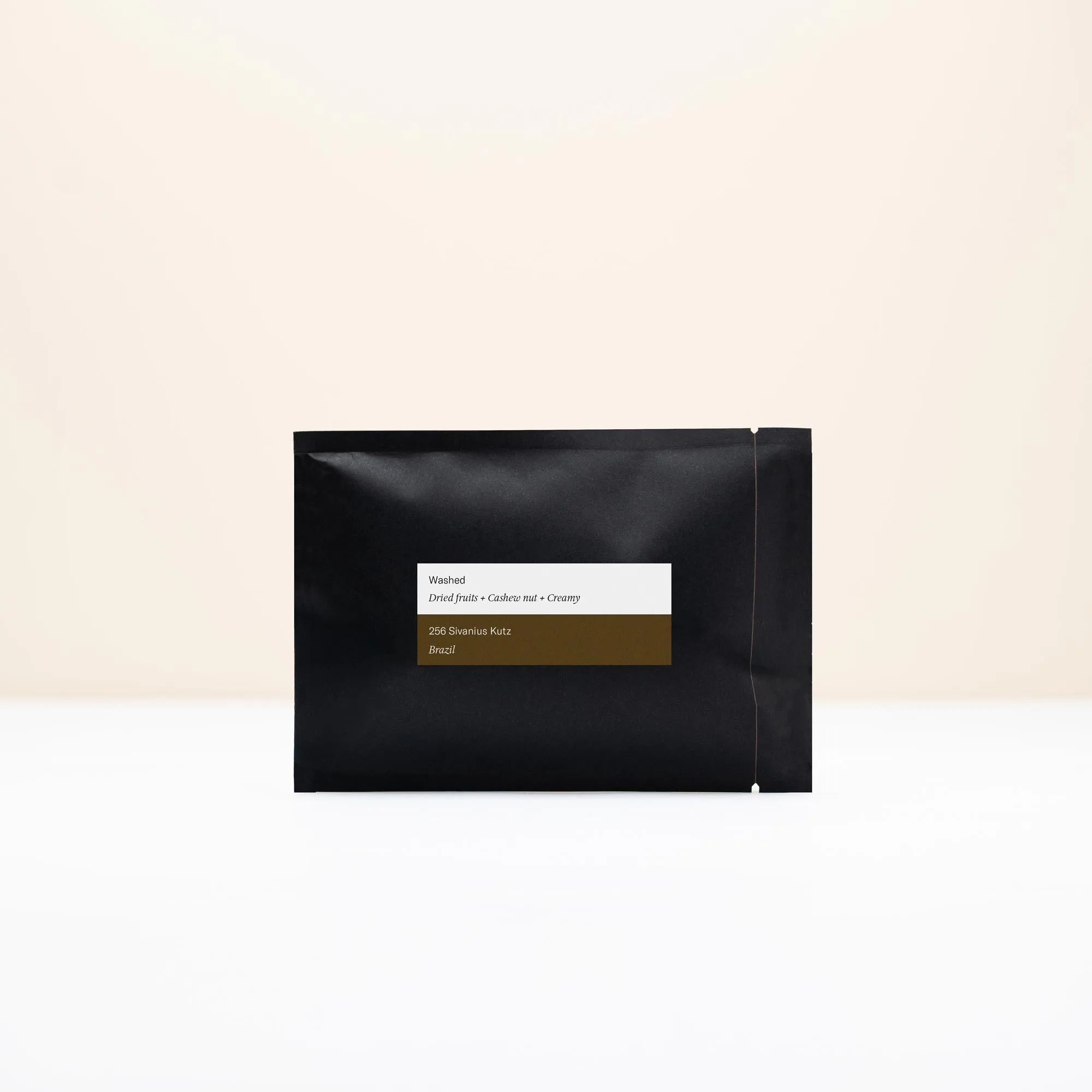
For example, a washed coffee like Panama Carmen Estate Caturra often exhibits bright citrus and floral notes with a clean finish, while a natural processed coffee like Tanzania Edelweiss Estate Natural can deliver intense berry and wine-like flavors. Roast level also plays a role—lighter roasts preserve acidity and origin character, while darker roasts emphasize body and chocolate notes.
- Use a flavor wheel (available from the SCA) to help identify specific notes.
- Practice with known reference flavors: lemon, dark chocolate, almonds, jasmine.
- Keep a tasting journal to track your progress and preferences.
Taking Your Skills Further: SCA Certification and Advanced Tasting
If you want to deepen your expertise, consider formal training through the Specialty Coffee Association. The SCA Brewing Skills Foundation and SCA Brewing Skills Intermediate courses cover cupping fundamentals and brewing science, while the SCA Sensory Skills Professional program offers advanced palate training and sensory analysis techniques. These certifications are recognized worldwide and are ideal for aspiring coffee professionals.
Even without certification, regular cupping practice will transform your coffee experience. You will learn to appreciate the nuances of different origins, processes, and roast profiles. Hosting a cupping session with friends is also a fun way to share your passion and discover new favorites together.
- SCA courses combine theory with hands-on cupping sessions.
- Professional cupping uses standardized scoring sheets (0–100 scale).
- Advanced tasters learn to detect defects like sourness, mustiness, or over-fermentation.
Coffee cupping is more than a professional ritual—it is a rewarding practice that deepens your connection to every cup you drink. By following this guide, you can start cupping at home, refine your palate, and discover the remarkable diversity of specialty coffee. To begin your journey, explore our selection of single-origin coffees and cupping-friendly blends, and remember that every great tasting starts with quality beans and curiosity.