Herbal teas have been enjoyed for centuries, but have you ever wondered how they are regulated? With the growing popularity of natural remedies, understanding tea safety standards is essential for making informed choices. This article explores the regulatory landscape for herbal teas, what it means for your cup, and how brands like NutraTea ensure quality.
Whether you're a tea enthusiast or a newcomer, knowing the rules behind your brew can help you select safe, high-quality products. Let's dive into the world of herbal tea regulations.
How Are Herbal Teas Regulated?
Herbal teas, also known as tisanes, are regulated differently from traditional teas (Camellia sinensis). In the United States, the Food and Drug Administration (FDA) classifies most herbal teas as dietary supplements or conventional foods, depending on their ingredients and intended use. This distinction impacts labeling, safety testing, and marketing claims.
For example, teas made from single herbs like peppermint or chamomile are often considered conventional foods, while blends with functional ingredients may fall under dietary supplement rules. This means that not all herbal teas are held to the same standards, and consumers should be aware of the differences.
- FDA regulations for herbal teas vary based on product classification.
- Dietary supplements have different labeling requirements than conventional foods.
Key Tea Safety Standards to Know
Safety standards for herbal teas focus on several areas: ingredient purity, contaminant limits, and good manufacturing practices (GMP). In the EU, the European Food Safety Authority (EFSA) provides guidelines for botanical safety, while in the US, the FDA sets limits for heavy metals, pesticides, and microbiological contaminants.
Reputable brands like NutraTea adhere to strict quality controls, sourcing herbs from trusted suppliers and testing for purity. When choosing a tea, look for brands that provide transparency about their sourcing and testing processes.
- Check for third-party testing or certifications.
- Look for clear labeling of ingredients and potential allergens.
What Does 'Natural & Ethical' Mean for Safety?
NutraTea prides itself on being 'All Natural & Ethical,' which goes beyond basic regulatory compliance. This means using organically grown herbs when possible, ensuring fair trade practices, and avoiding artificial additives. These commitments contribute to a safer product by reducing exposure to synthetic chemicals.
For instance, NutraTea's NutraDefence – Immunity Tea – 20 Tea Bags is crafted with carefully selected botanicals to support immune health, reflecting a commitment to quality and safety.
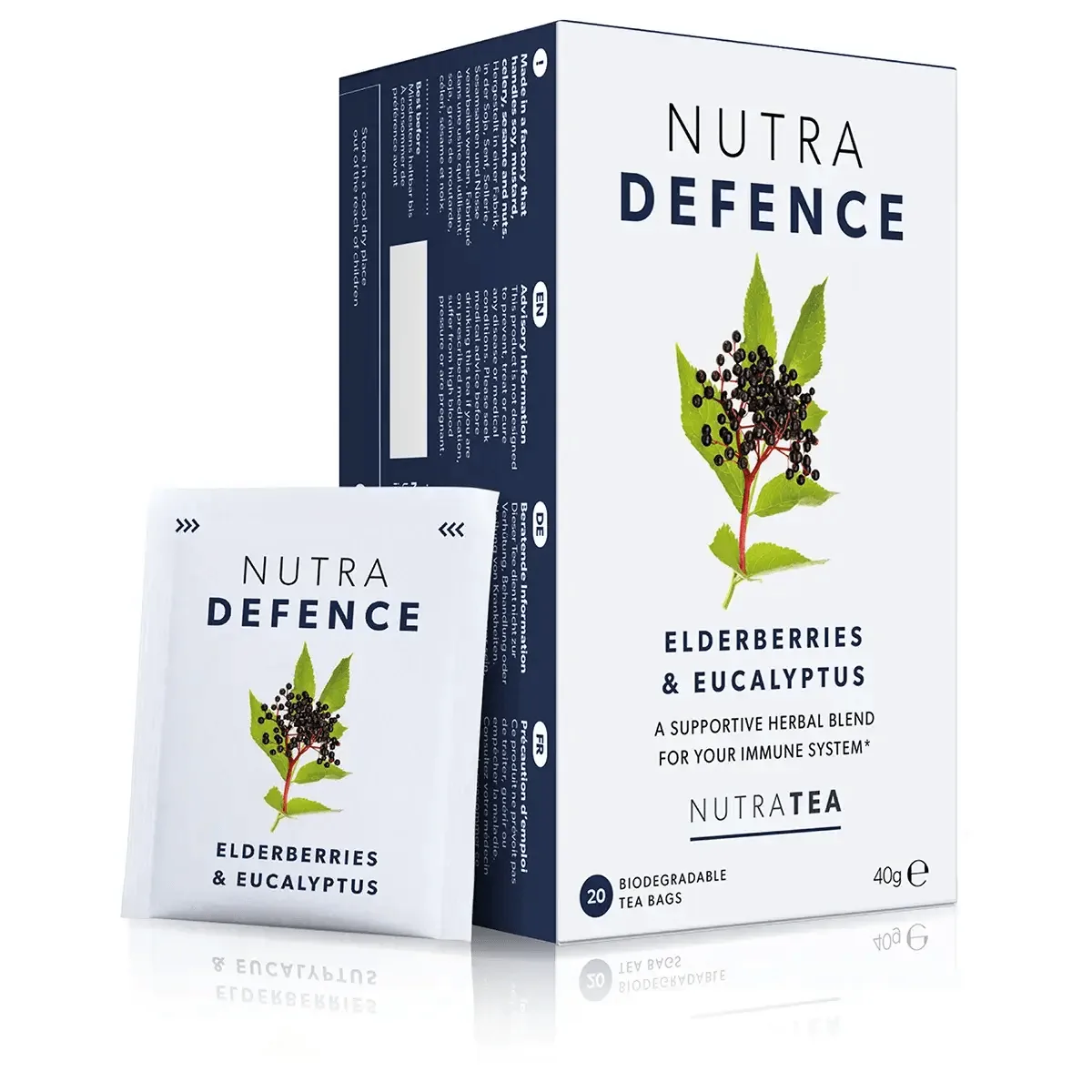
NutraDefence – Immunity Tea – 20 Tea Bags
- Organic certification can reduce pesticide residue risk.
- Ethical sourcing often involves better quality control.
How to Choose a Safe Herbal Tea
When selecting herbal teas, consider the following: check for regulatory compliance, look for certifications like USDA Organic or Non-GMO, and research the brand's reputation. Reading customer reviews and checking for third-party lab results can also provide peace of mind.
For example, NutraTea's Mullein Leaf & Thyme Tea – 20 Tea Bags is a popular choice for respiratory support, and its quality is maintained through rigorous testing.
- Always read the ingredient list and nutrition facts.
- Avoid teas with undisclosed 'proprietary blends' if you have allergies.
The Future of Tea Regulation
As the herbal tea market grows, regulations are likely to evolve. Consumers are demanding more transparency, and governments are responding with stricter guidelines. Staying informed about these changes can help you make better choices.
NutraTea stays ahead of the curve by continuously monitoring regulatory updates and adapting its practices. This ensures that every cup you enjoy meets the highest safety standards.
Understanding herbal tea regulations is key to enjoying your brew with confidence. By choosing brands like NutraTea that prioritize safety and transparency, you can sip knowing you're getting a quality product. Explore our range of teas, such as the popular NutraHead – Tea Sachet, and experience the difference.
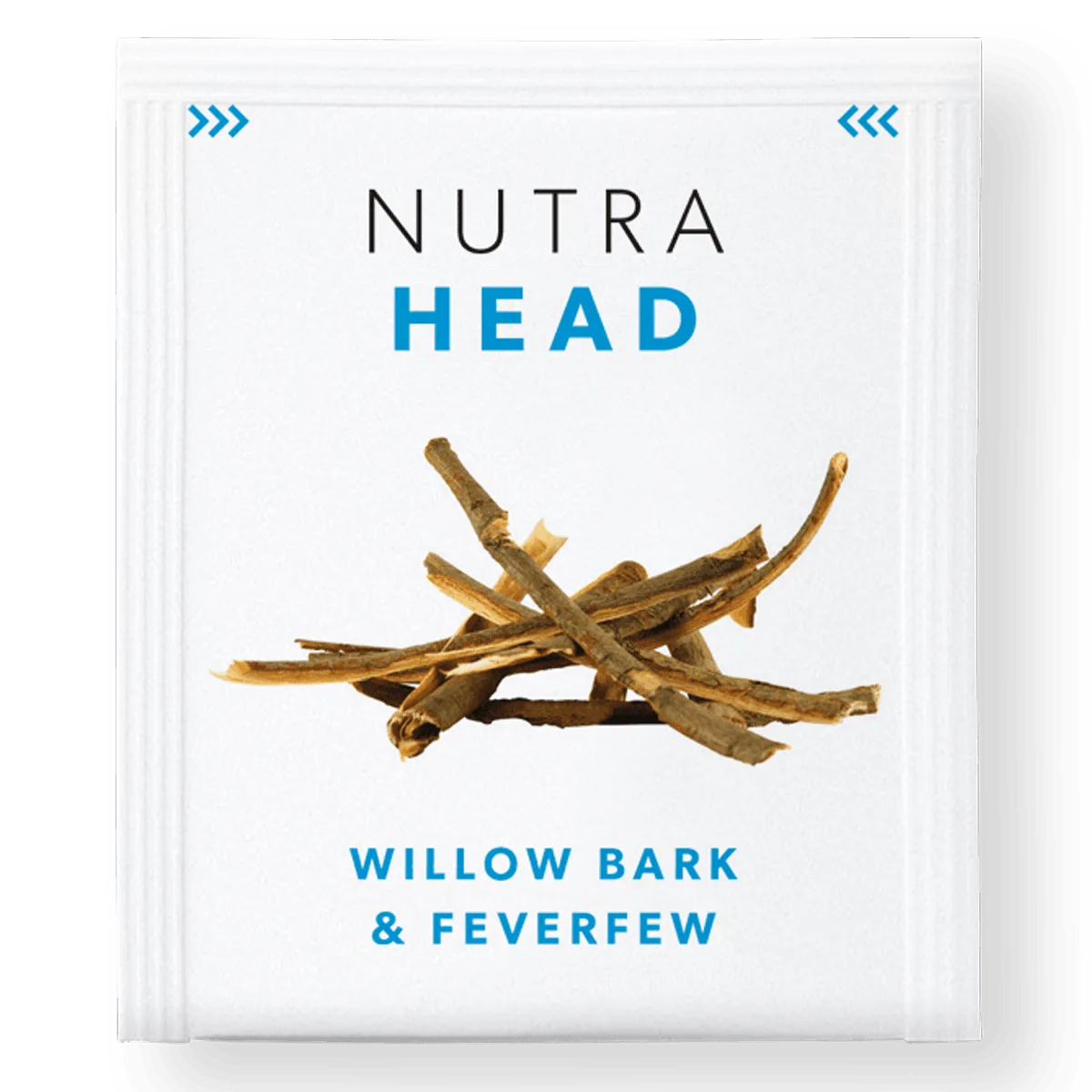
NutraHead – Tea Sachet