Quick answer
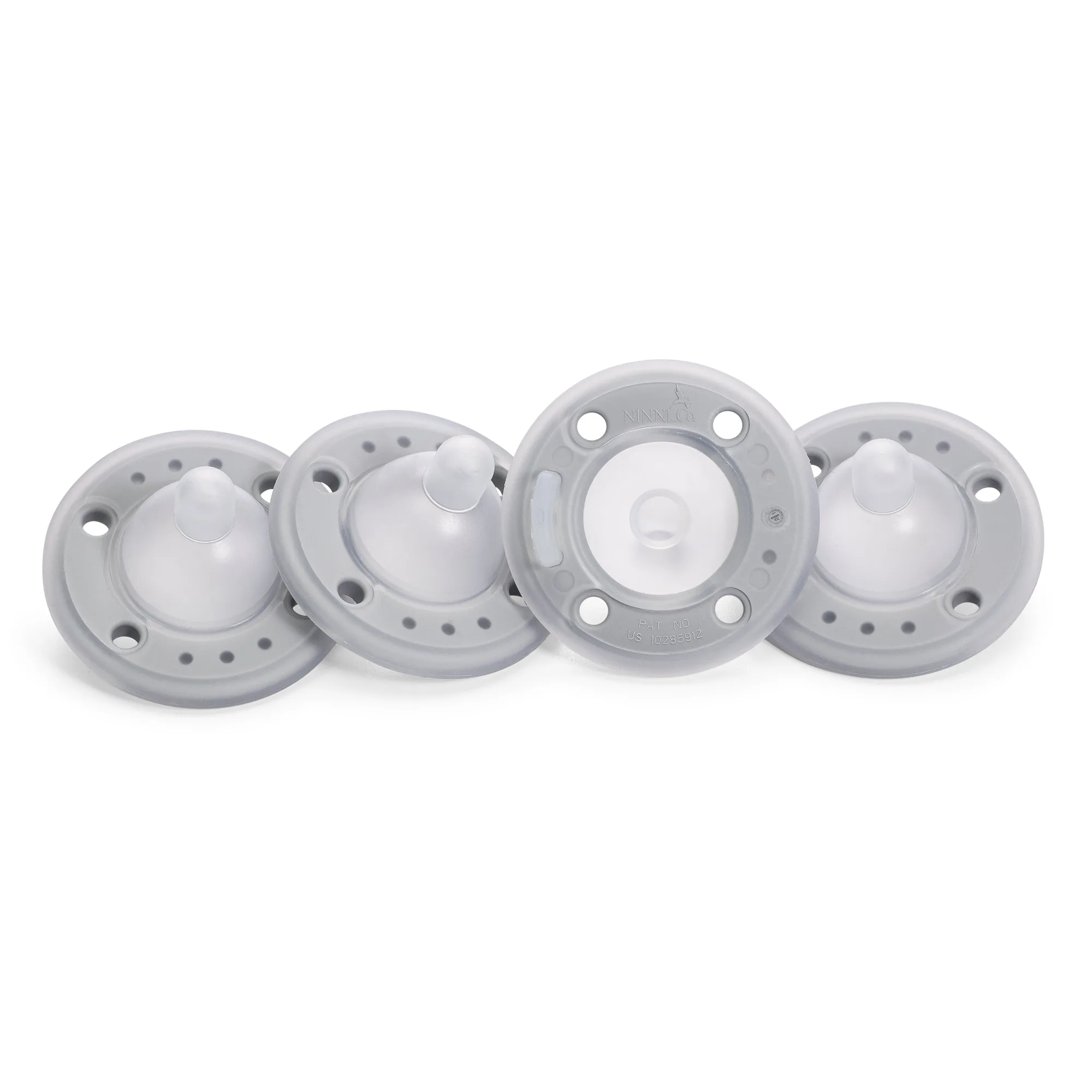
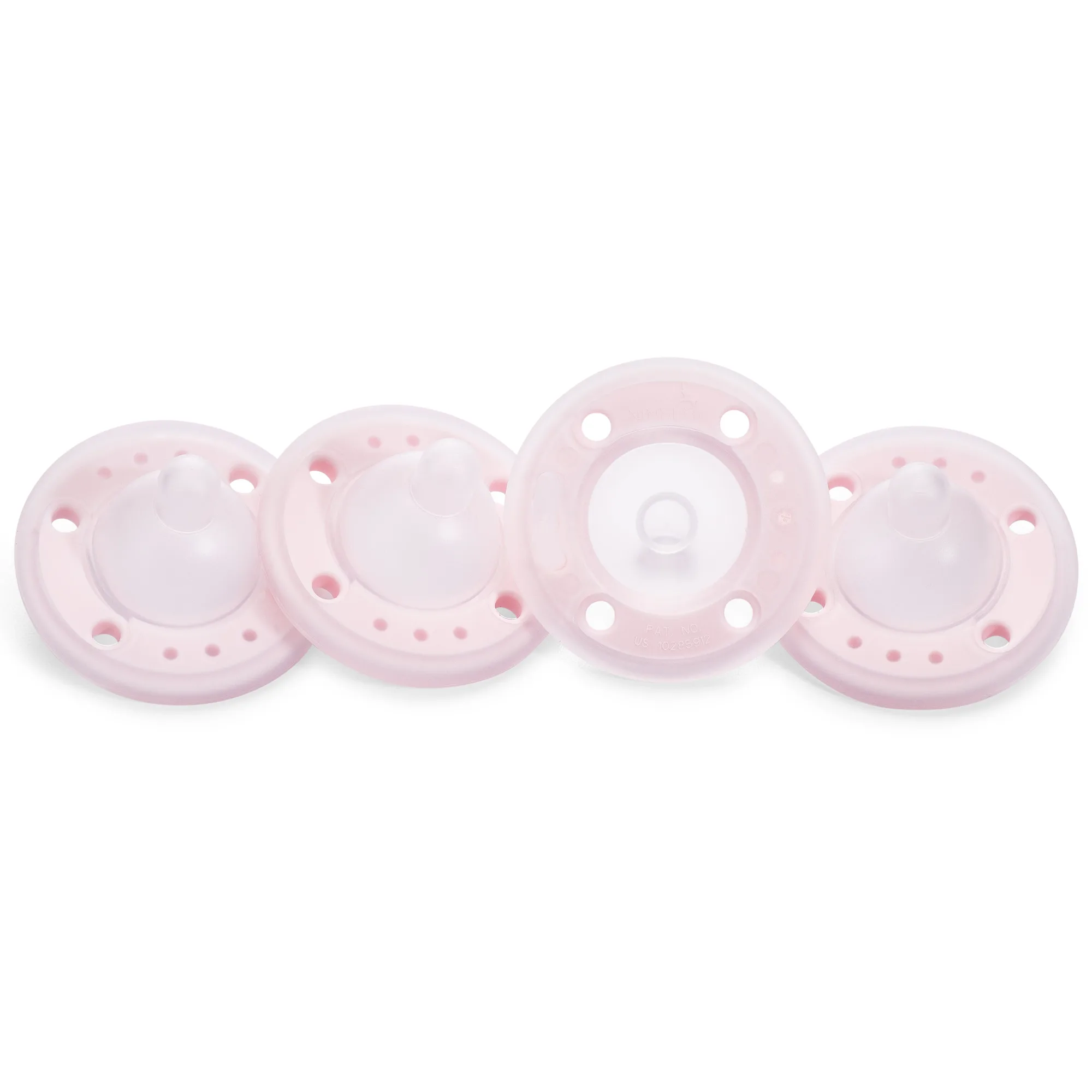
For most families, start with a 2-pack: one pacifier stays in use while the other is cleaned or packed as a backup. Choose a 1-pack only if you are testing a new shape or color, and choose a 4-pack if you want to keep pacifiers in multiple rooms, diaper bags, or caregiver homes without constant washing. Newborns may need 3 to 4 pacifiers total once you account for laundry and outings, but you do not have to buy them all at once.
Why pack size matters more than you think
Pacifiers are small, easy to lose, and often need cleaning at the worst possible moment. The right pack size is less about having a huge stash and more about never being caught with a dirty or missing pacifier. A single pacifier works only if you are willing to wash it immediately after every drop. A 2-pack gives you a clean spare without committing to a full collection. A 4-pack spreads the supply across your home, diaper bag, and any caregiver's house.
Your baby's age and feeding routine also affect quantity. A breastfed newborn who is still learning to latch may use a pacifier only occasionally, so two is often enough at first. An older baby who uses a pacifier for sleep may need one for the crib, one for the stroller, and one for backup. If you are still deciding whether to introduce a pacifier at all, read our guide on introducing a Ninni pacifier to a breastfed newborn before you stock up.
How many pacifiers to buy by situation
Use these benchmarks to match quantity to your actual routine, not to a generic checklist. They assume you clean pacifiers at least once a day and replace them when the nipple shows wear.
- Testing a new brand or shape: 1 pacifier. You only need to know whether your baby accepts it before buying more.
- One primary caregiver at home: 2 pacifiers. One in use, one clean and ready.
- Two locations (home and diaper bag): 3 pacifiers. Keep one at home, one in the bag, and one in the wash.
- Baby in daycare or with grandparents: 4 pacifiers. One for each location plus a spare.
- Night waking and naps: add 1 extra pacifier to the crib area so you are not searching in the dark.
1-pack vs 2-pack vs 4-pack: the trade-offs
A 1-pack is the lowest-cost way to try a pacifier, but it offers no backup. If the pacifier is lost or dirty, you are washing it immediately or doing without. This is a reasonable first step for a newborn who may not take a pacifier at all.
A 2-pack is the practical middle ground for most families. It gives you a clean spare without overbuying, and it is often the best value per pacifier compared with a single pack. A 4-pack lowers the cost per pacifier further and suits households that want pacifiers in several places. The trade-off is upfront cost and the chance that your baby rejects the shape or color before you use them all. If you are unsure, buy a 2-pack first and add a 4-pack once you know the pacifier works for your baby.
How to plan backups without overspending
Buy for your current routine, not for the next year. Pacifiers wear out, and babies change preferences. A good rule is to keep one pacifier in active use, one clean backup, and one in the wash. That is three per baby for a single-location routine. Add one more for each additional regular location, such as a diaper bag or a caregiver's home.
If you are building a collection, choose colors that are easy to find in a diaper bag or crib. Neutral shades like creme or onyx are less likely to show stains and match most outfits, while a bold color like blueberry is easier to spot in a toy bin. You can always mix pack sizes: a 1-pack to test a new color and a 2-pack for daily rotation.
Decision rules for choosing a pack size
- First-time trial: Buy a 1-pack if you have never used this pacifier shape and your baby is still learning to latch. Upgrade to a larger pack once your baby accepts it for at least three days.
- Everyday single-location use: Buy a 2-pack if you keep pacifiers in one main area and wash them daily. Two is enough when you have reliable access to a sink or sterilizer.
- Multi-location and daycare: Buy a 4-pack if pacifiers need to live in a diaper bag, a crib, and a caregiver's home at the same time. A 4-pack also gives you a spare when one is lost or in the wash.
- Backup rule: Keep one pacifier in use, one clean backup, and one in the wash. Add one more for each additional regular location. Three per baby is the minimum for a single-location routine.
Pack size options from Ninni Co.
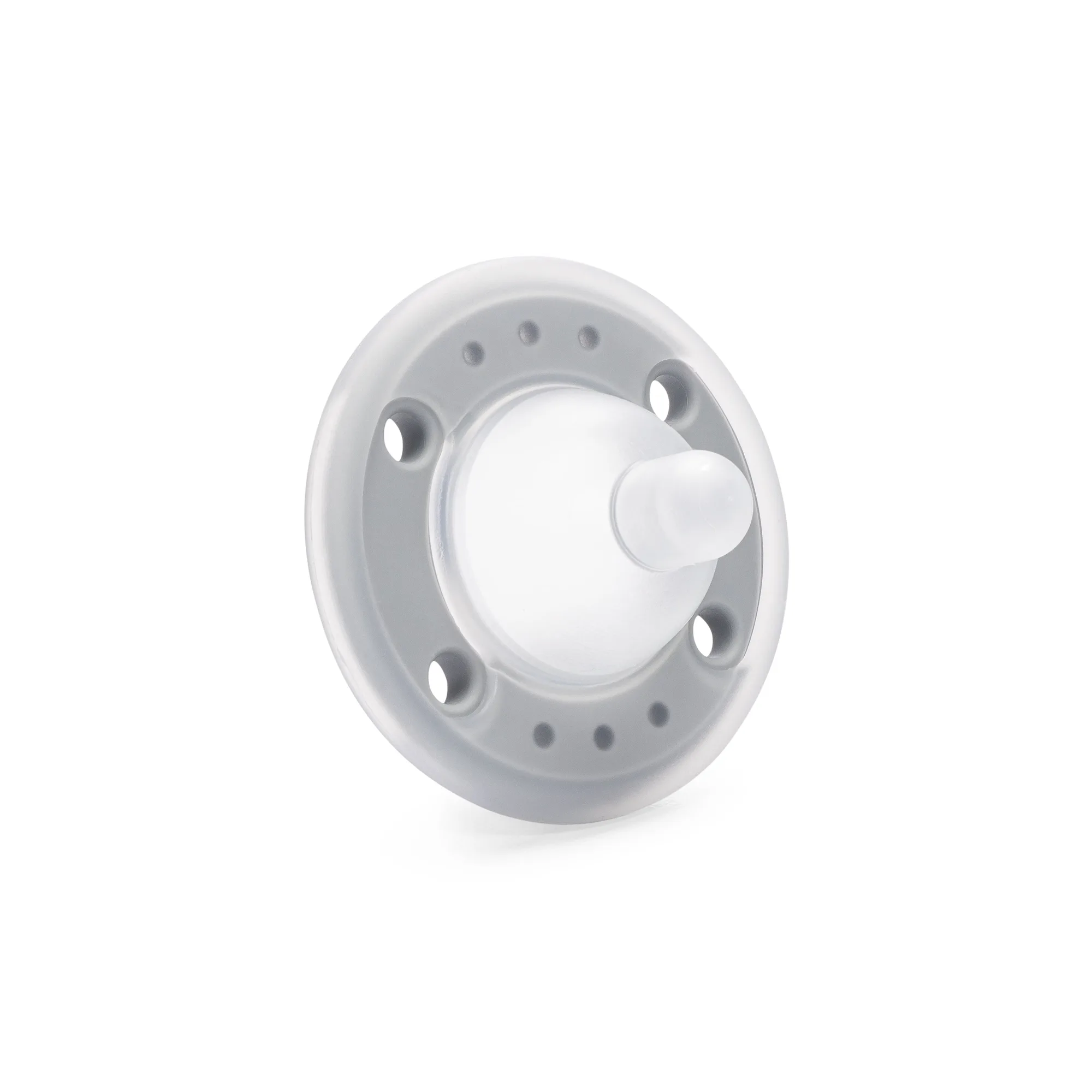
- Ninni Pacifier Creme 1 Pack: Ninni Pacifier Creme 1 Pack is a single breast-like pacifier in a neutral creme shade, recommended for ages 0–24 months and designed for dental health. A 1-pack is the lowest-commitment way to test whether your baby accepts the Ninni shape before buying a larger pack.
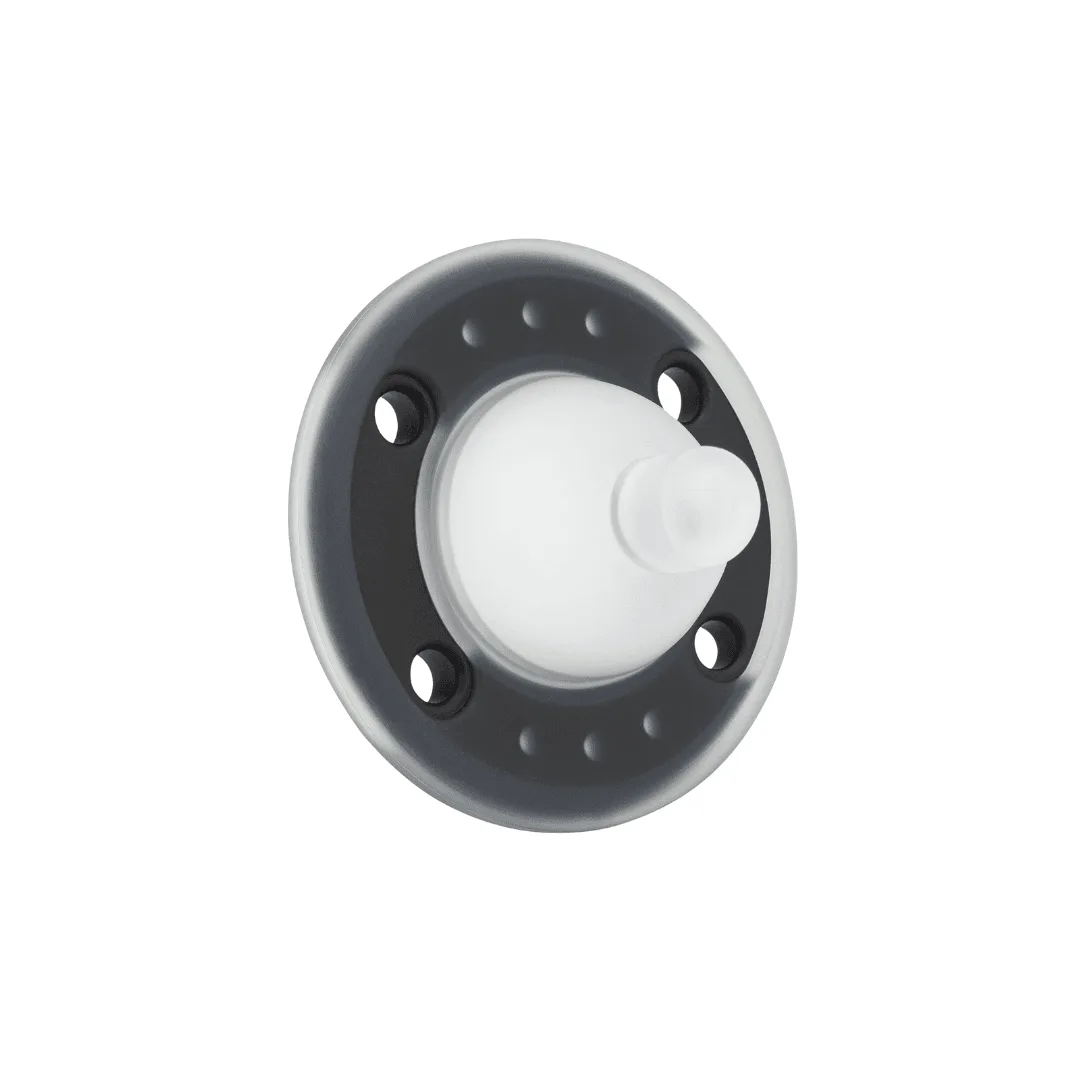
- Ninni Pacifier Onyx 2 Pack: Ninni Pacifier Onyx 2 Pack includes two breast-like pacifiers in a bold, versatile onyx color, recommended for ages 0–24 months. The 2-pack gives you one pacifier in use and one clean backup, which is the most common starting point for a single-location routine.
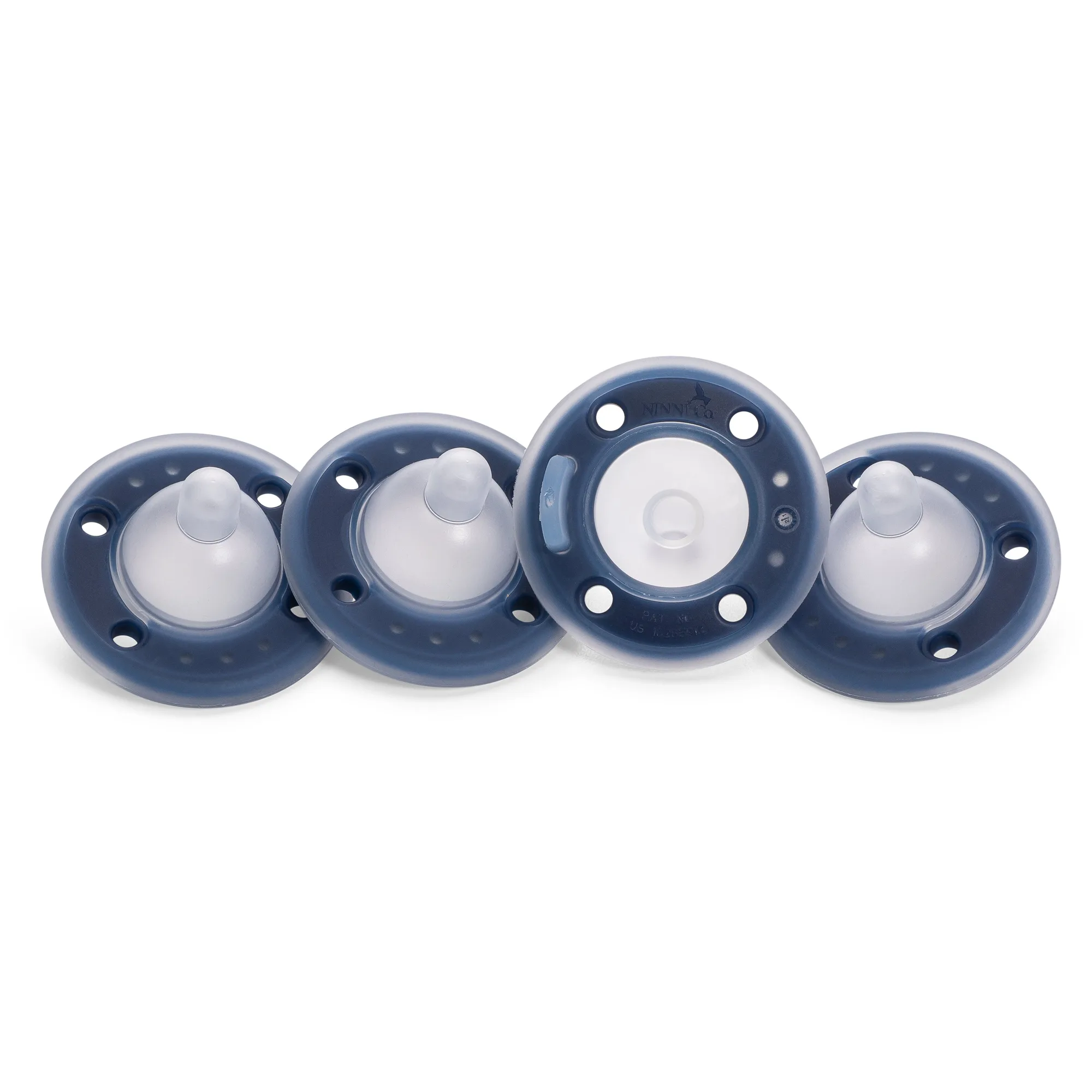
- Ninni Pacifier Blueberry 4 Pack: Ninni Pacifier Blueberry 4 Pack includes four breast-like pacifiers in a bold blueberry color, recommended for ages 0–24 months and designed with orthodontic benefits. A 4-pack lowers the cost per pacifier and suits families who want pacifiers in multiple rooms, diaper bags, or caregiver homes.
Who each pack size fits
Best for
- Parents testing a new pacifier shape or color for the first time
- Families who keep pacifiers in one main room and wash them daily
- Households that need pacifiers in a diaper bag, crib, and caregiver's home
Not for
- Parents who already know the pacifier works and want the lowest cost per pacifier
- Families who prefer to rotate a single pacifier and wash it immediately after every use