Quick answer
Replace your everyday bras every 6 to 12 months if you wear them two to three times a week. If you rotate four or more bras and wash them gently, you can stretch that to 18 months. Replace immediately when the band rides up, cups wrinkle, or straps no longer stay adjusted.
A bra that fit perfectly two years ago may not be doing its job today. Elastic relaxes, foam compresses, and wires gradually lose their shape — often so slowly you don't notice until you put on a new bra and feel the difference.
There's no single expiry date. How often you replace a bra depends on how many you rotate, how you wash them, and how much support the style was designed to give. Below are the questions readers ask most, answered directly so you can decide what stays and what goes.
How long should a bra last?
With regular wear — two to three times a week — expect six to twelve months from an everyday underwire or contour bra. A bra worn daily and washed weekly may need replacing closer to six months. If you rotate four or more bras and wash them gently, 12 to 18 months is realistic.
Sports bras and wire-free styles can behave differently. A high-impact sports bra used for intense workouts may lose compression sooner than a lounge bra worn occasionally. The fabric and construction matter more than the price tag: stretch lace and fine mesh relax faster than firm cotton-rich fabrics.
- Everyday bra worn 2–3 times weekly: replace every 6–12 months.
- Bra worn daily: closer to 6 months.
- Rotated among 4+ bras with gentle washing: up to 18 months.
What are the signs a bra needs replacing?
The clearest sign is a band that rides up your back — that means the elastic has stretched and the bra is no longer anchored. Other signals: cups that wrinkle or gap even though your size hasn't changed, underwires that poke or sit away from your ribcage, and straps that need re-adjusting multiple times a day.
Fabric gives clues too. Pilling, thinning lace, exposed elastic, or a hook-and-eye closure that no longer stays fastened all point to a bra past its best. If you fasten a new bra on the loosest hook and an old one only on the tightest, the old one has stretched about an inch — time to replace it.
- Band rides up at the back
- Cups wrinkle or gap without a size change
- Underwire pokes or floats
- Straps slip repeatedly
- Hooks loosen or fabric thins
Does bra stretch over time affect fit?
Yes. Elastic loses recovery with every wear and wash, so a bra that started on the loosest hook may only feel secure on the tightest one months later. Foam cups also soften and compress, which reduces the rounded shape they once gave. This is normal, not a defect.
Because stretch is gradual, you adapt without realising. A simple check: put the bra on the loosest hook. If it feels loose there, the band has stretched past its useful life. If it still fits snugly, you have time left.
- Elastic relaxes about an inch over a bra's life
- Foam cups lose loft and shape
- Always fit a new bra on the loosest hook
How does washing affect bra lifespan?
Heat and agitation are the main enemies. Washing bras in a hot machine cycle with heavy items breaks down elastic and can bend wires. Hand washing in cool water with a gentle detergent, then air drying flat or hanging by the centre, keeps elasticity far longer.
If you machine wash, use a mesh bag, a cool delicate cycle, and skip the dryer. Tumble drying is the fastest way to shorten bra life — the heat degrades spandex and can warp foam cups. Never wring or twist a bra; press water out with a towel instead.
- Hand wash cool or use a mesh bag on delicate
- Never tumble dry
- Air dry flat or hang by the centre gore
- Avoid fabric softener — it coats elastic
Should I replace all my bras at once?
No. Bras age at different rates depending on wear frequency and style. Replace the ones you wear most first, then rotate newer bras in as older ones retire. This spreads the cost and keeps at least one reliable bra in your drawer at all times.
A practical approach: keep two or three everyday bras in active rotation, one sports bra, and one multiway or special-occasion style. When one everyday bra shows two or more replacement signs, buy its replacement before discarding it so you're never caught without support.
- Retire bras individually, not in batches
- Replace highest-wear styles first
- Keep a spare before discarding an old favourite
When to buy new bra: timing tips
Beyond wear and tear, buy a new bra when your body changes — weight fluctuation, pregnancy, or a new exercise routine can shift your size. A bra that fit six months ago may now need a different band or cup size, and replacing it is a fit decision, not a failure of the old one.
Seasonal sales are a smart time to refresh, but don't wait for a sale if your current bra causes discomfort. A supportive bra that fits well is worth buying when you need it. Check the band on the loosest hook and the cups for smoothness before you commit.
- Re-measure after any weight change
- Buy when two or more replacement signs appear
- Fit new bras on the loosest hook
Bra replacement checklist
Band check
Fasten on the loosest hook. If the band rides up or feels loose, the elastic has stretched beyond a useful fit. Replace if the loosest hook no longer feels snug.
Cup and wire check
Look for wrinkles, gaps, or wires that poke or float away from the ribcage — even if your size hasn't changed. Two or more cup or wire issues mean it's time to replace.
Fabric and hardware check
Inspect for pilling, thinning lace, exposed elastic, or hooks that slip. These shorten remaining useful life. Any broken hardware or thin fabric is an immediate replace.
Wear and wash log
Count how often you wear and wash each bra. Daily wear with machine washing shortens life to about 6 months. Rotate 4+ bras and hand wash to reach 12–18 months.
Bras built to hold their shape
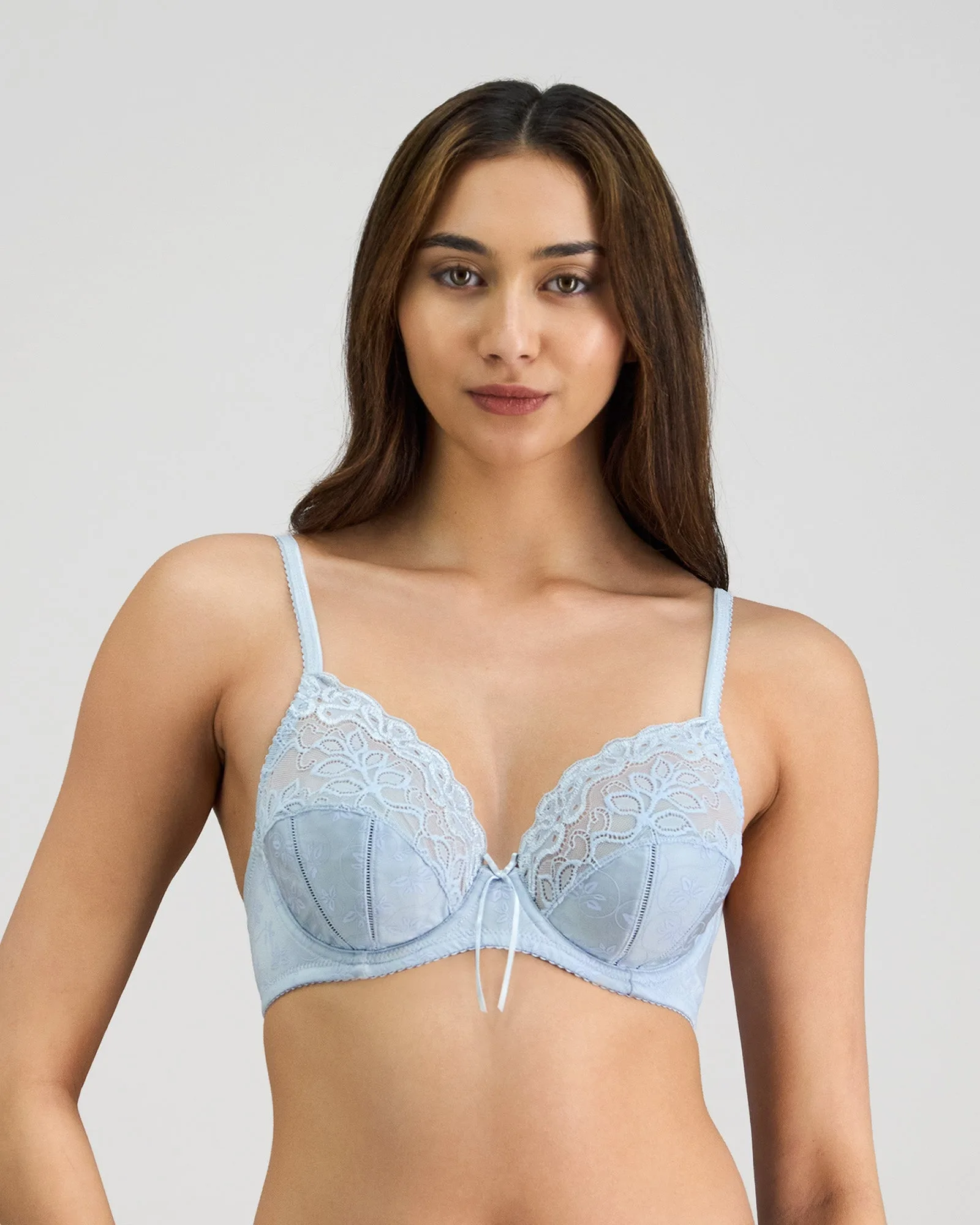
- Yvette Underwire Bra: Four-piece cup provides support with a natural shape; stretch lace at the neckline; smooth back; adjustable straps. The four-piece cup construction gives structured support that helps the bra keep its shape longer than a simple stretch cup, and the adjustable straps let you maintain fit as the band relaxes.
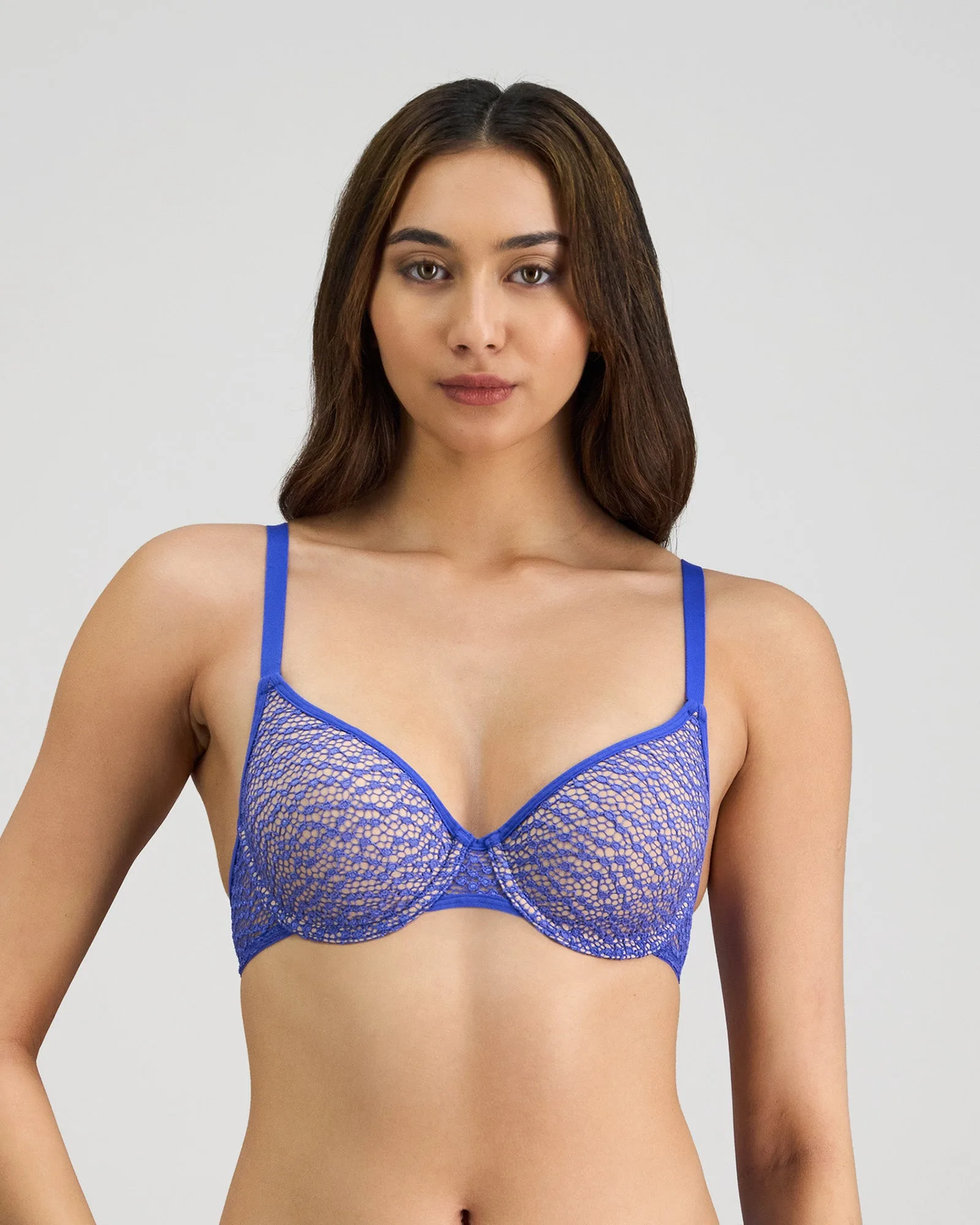
- Effortless Everyday Contour Bra: Cups lined in soft foam for natural rounded shape; underwire supports the bust; lace cups create a flat seamless finish; breathable open weave lace back stretches. Foam-lined cups hold their shape well, but the breathable lace back will stretch over time — check the band fit every few months to know when it's time to replace.
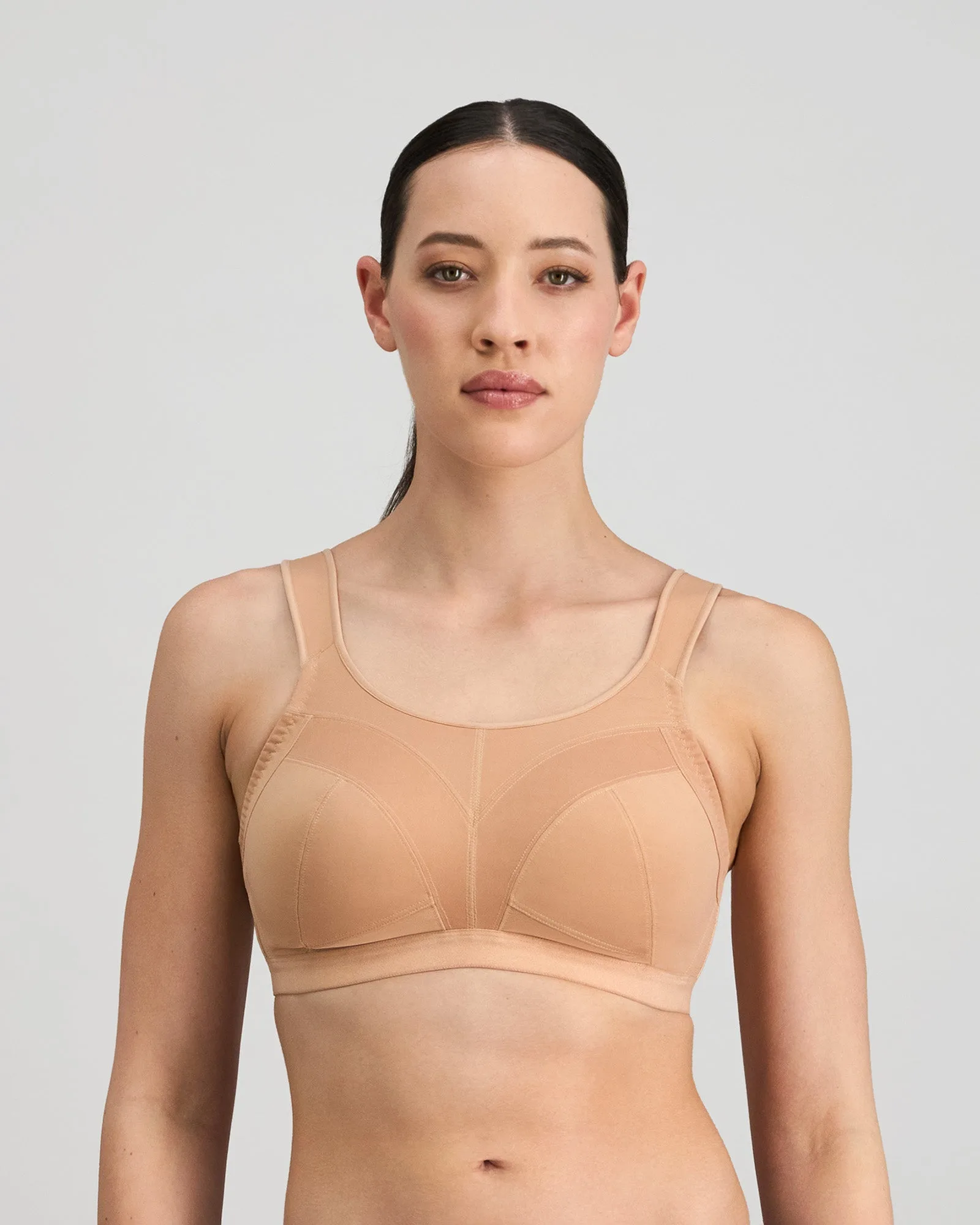
- Stamina Wire Free Bra: Bendon Sport high-impact wire-free sports bra with structured seaming, padded shoulder straps, and breathable mesh panels. Wire-free sports bras rely on firm fabric and seaming for support; when the mesh or seams start to feel loose, the bra has lost its compression and should be replaced.
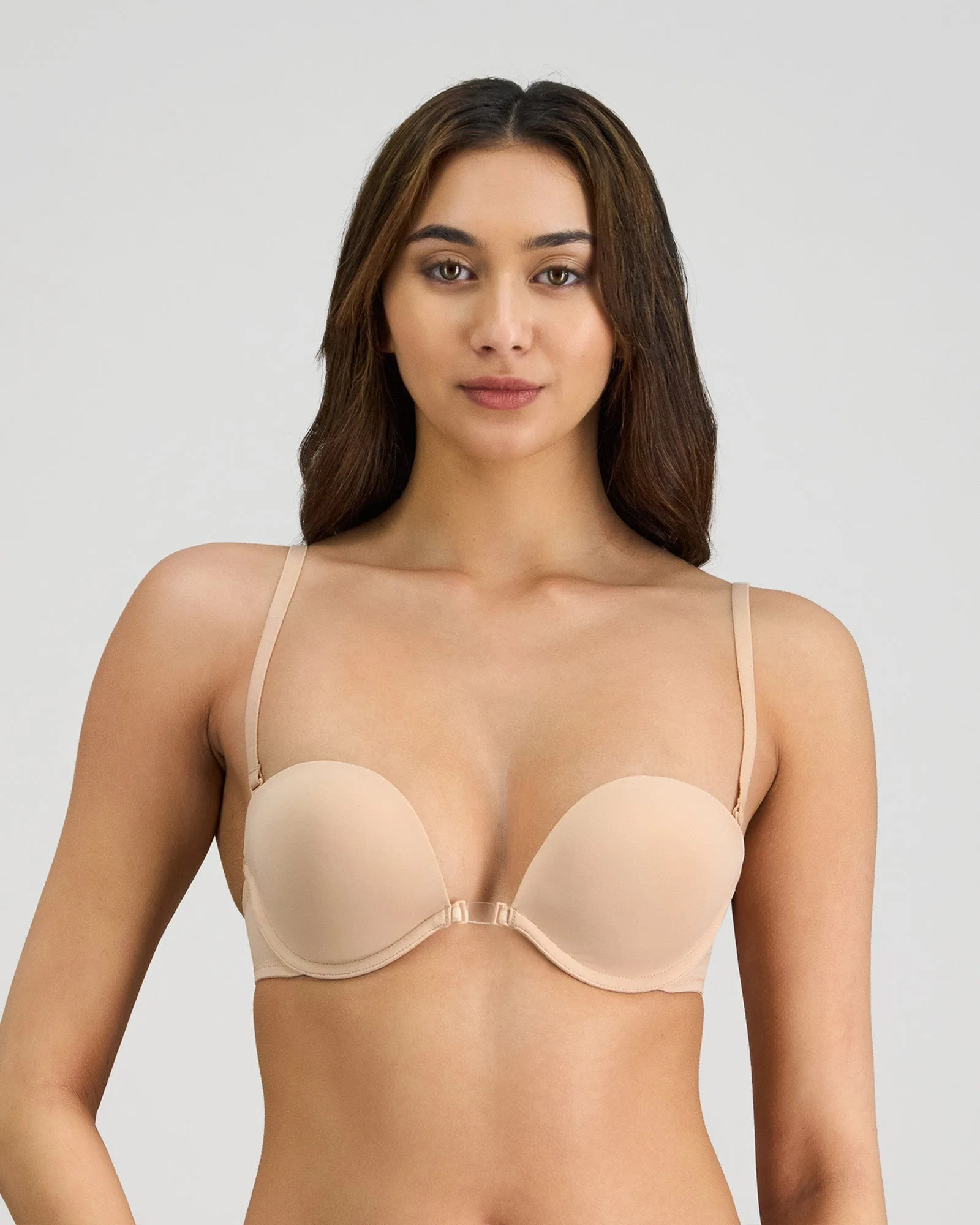
- Infinity Multiway Convertible Bra - Latte: Soft foam cups; multiway straps; invisible centre; underwire shapes and supports the bust. Multiway straps and an invisible centre make this a versatile option, but the convertible straps can stretch with frequent repositioning — inspect them for slack when checking bra lifespan.
Replace everyday bras every 6 to 12 months, sooner if the band rides up or cups wrinkle. Rotating several bras and washing them gently is the simplest way to extend bra lifespan. When in doubt, trust the loosest-hook test — if it no longer feels secure, it's time for a new bra.