Quick Answer
Apply hydrating oil after water-based serums and before moisturizer to lock in hydration. Use a few drops pressed gently into damp skin for best absorption.
Why Layering Order Matters
Face oil is an occlusive—it seals in moisture but can block lighter products if applied too early. That’s why the golden rule is to layer from thinnest to thickest consistency. Water-based serums and essences go first, then oil, then a cream if needed. Skipping this order can leave your skin feeling greasy and reduce the effectiveness of your other products.
For dry skin, oil is especially valuable because it replenishes the lipid barrier that moisture loss weakens. However, if you have very oily or acne-prone skin, you may still benefit from a lightweight oil; just apply it only at night or on damp skin to avoid congestion.
How Much Oil Is Enough?
More oil does not equal more hydration. Two to three drops are usually enough for the whole face—any extra will sit on top of the skin rather than absorb. Start with one drop per cheek and one for the forehead, then press outward. If your skin still feels tight after 10 minutes, add one more drop next time.
Step-by-Step: Adding Hydrating Oil to Your Routine
- Cleanse and tone: Start with a clean, slightly damp face. Pat dry gently, leaving skin a little moist—oil spreads better on damp skin. Common mistake: applying oil to bone-dry skin. Dampness helps the oil spread evenly without tugging.
- Apply water-based serums first: Use any hydrating serums or essences (e.g., hyaluronic acid) before oil. Let them absorb for about 30 seconds. Checkpoint: If your serum feels sticky, wait a few more seconds—oil will seal it in, not fix the stickiness.
- Dispense and warm the oil: Place 2–3 drops of hydrating oil into your palm. Rub your palms together briefly to warm the oil. Common mistake: using too many drops. Start small—you can always add more, but you can't remove excess without washing.
- Press, don't rub: Gently press the oil onto your cheeks, forehead, chin, and neck. Use upward motions—never drag or rub vigorously. Checkpoint: Rubbing can irritate the skin and reduce absorption. Pressing encourages the oil to sink in naturally.
- Follow with moisturizer (optional): If your skin is very dry, you can layer a lightweight moisturizer on top. For normal to combination skin, the oil may be enough. Common mistake: applying a heavy cream over oil can feel greasy. Choose a gel or lotion if you add a second layer.
Product Spotlight
-
Essential Hydrating Oil: The Essential Hydrating Oil uses pink microalgae and 14 antioxidant-rich oils to lock in hydration and plump skin. This means you get both immediate moisture sealing and long-term support for fine lines, making it a solid choice for dry or aging skin.
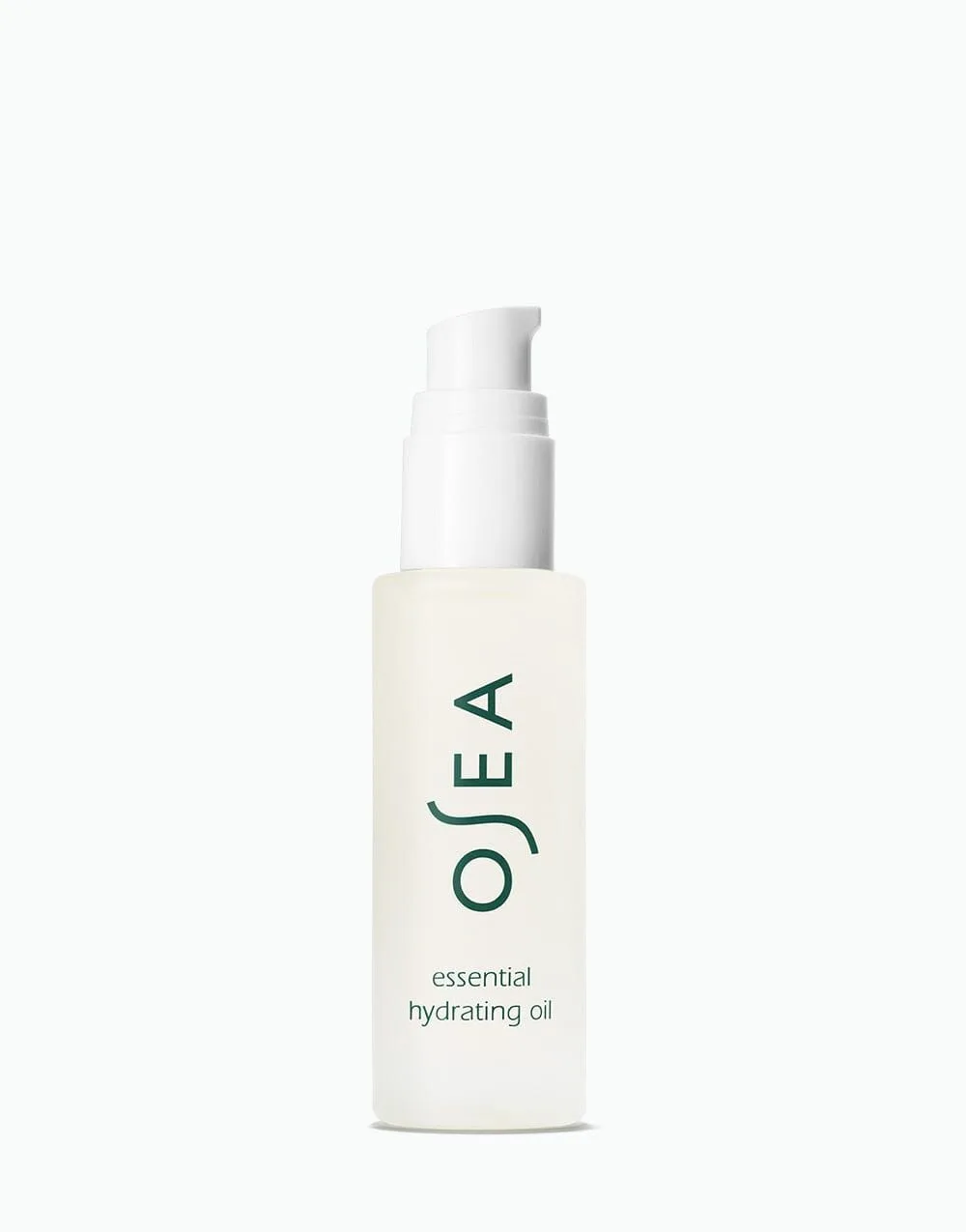
Essential Hydrating Oil