Quick Answer
To apply chrome powder over gel polish, cure a tacky top coat layer, rub the powder in with a sponge applicator until it shines, then seal with a no-wipe top coat. The key is using a sticky (dispersion) layer to grip the powder—without it, the chrome won't adhere evenly.
What You'll Need
You'll need a fully cured gel polish base (color of your choice), a no-wipe or regular top coat, chrome powder, a sponge applicator or eyeshadow sponge, and a lint-free wipe with isopropyl alcohol. For best results, use a gel polish system like Bio Seaweed Gel's 3STEP Colour Gel Polish or UNITY All-In-One Gel Polish—both offer a smooth, even surface that helps the chrome powder lay flat without patchiness.
Choosing the Right Base Color
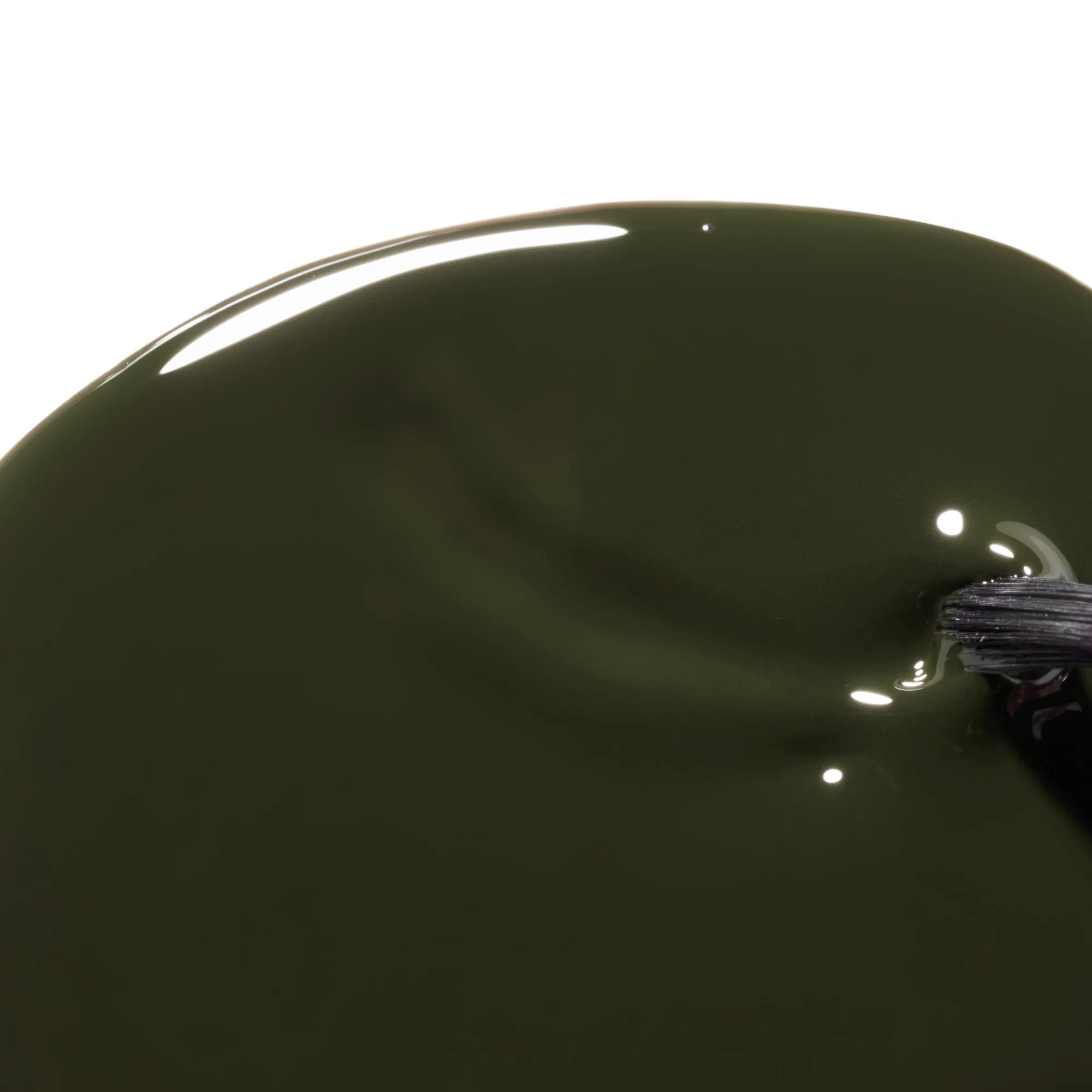
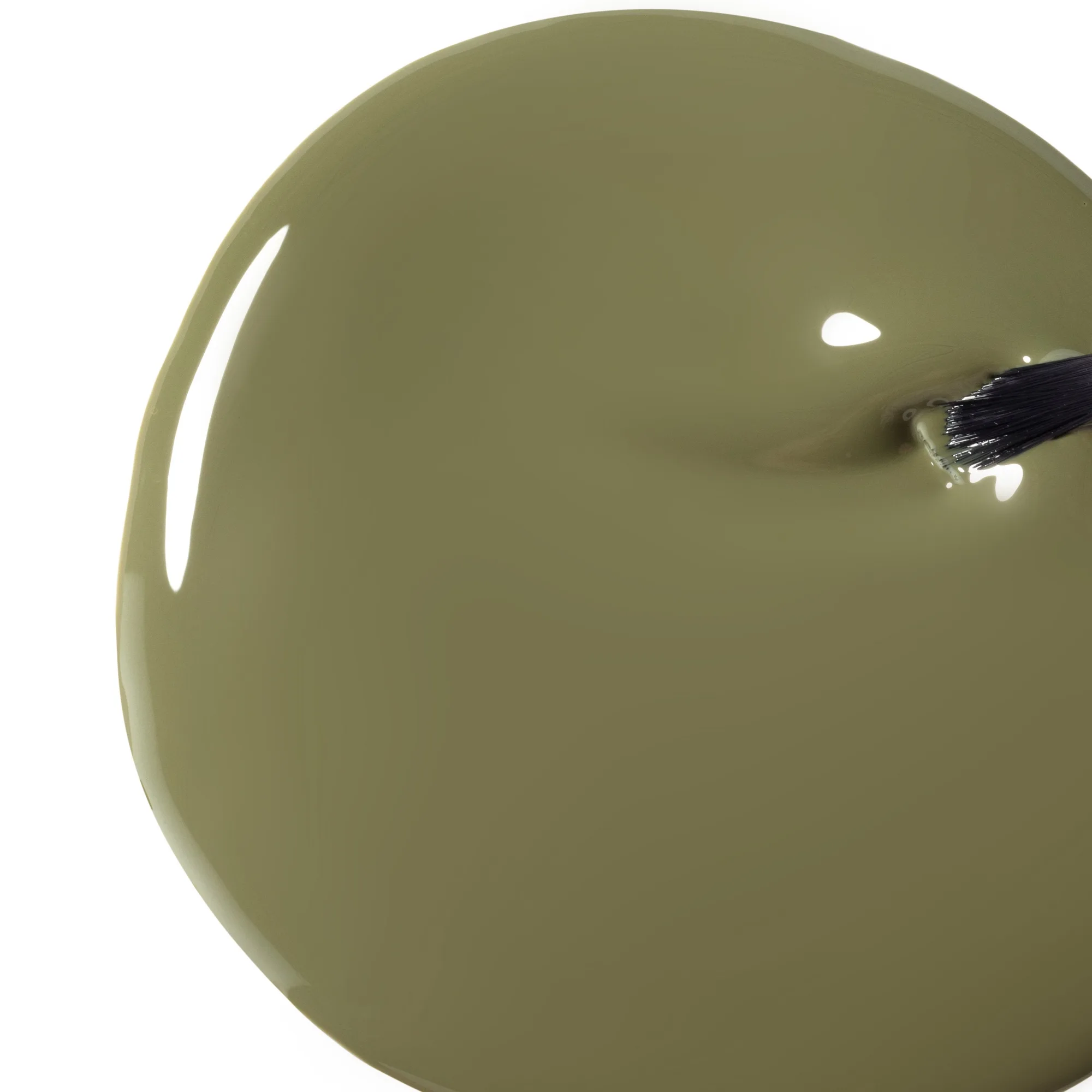
Chrome powder works best over dark or highly pigmented gel polish colors because the metallic effect relies on contrast. A black or deep jewel tone like moss green (similar to 1045 Living Lush) or dark olive (like 215 Olive) will make the chrome pop. Lighter shades can be used but may result in a more subtle, pearlescent finish rather than a true mirror look.
Step-by-Step Chrome Powder Application
- Prepare and Cure Your Gel Polish Base: Apply your chosen gel polish color (e.g., 1045 Living Lush or 215 Olive) in thin, even coats. Cure each coat under a UV/LED lamp according to the manufacturer's instructions. Ensure the final color layer is fully cured and free of tackiness. Common mistake: applying thick coats. Thin layers cure more evenly and prevent wrinkling, which would ruin the chrome effect.
- Apply a Tacky Top Coat (Sticky Layer): Apply a thin layer of a regular (not no-wipe) top coat. Cure it for the recommended time, but do not wipe off the sticky dispersion layer. This tacky surface is essential—it grabs the chrome powder particles and holds them in place. Checkpoint: if you accidentally use a no-wipe top coat, the powder will slide off. Always use a top coat that leaves a sticky residue.
- Rub in the Chrome Powder: Using a sponge applicator, pick up a small amount of chrome powder and gently press it onto the tacky top coat. Use a circular buffing motion to work the powder into the surface. Keep rubbing until you see a smooth, mirror-like shine. Add more powder if needed. Common mistake: rubbing too hard or too little. Light, even pressure with a soft sponge prevents patchiness and gives a uniform metallic sheen.
- Seal with a No-Wipe Top Coat: Once you're happy with the chrome finish, gently brush off any excess loose powder with a soft brush or lint-free wipe. Then apply a thin layer of a no-wipe top coat. Cure fully. This seals the chrome and protects it from chipping. Checkpoint: avoid using a regular top coat here—it will dull the chrome effect. A no-wipe top coat preserves the mirror shine.
- Finish with a Wipe (If Needed): If your no-wipe top coat still feels slightly tacky after curing (some brands vary), gently wipe with a lint-free pad soaked in isopropyl alcohol. This removes any residual inhibition layer and restores the high-gloss chrome look. Final tip: don't skip this step if your top coat requires it. A sticky residue can attract dust and dull the finish.
Recommended Products
- 1045 Living Lush: A moss green in a solid finish. Traditional three-step formula requiring use of a base and top gel polish. Up to 2+ weeks of high shine and chip-resistant wear. This deep, pigmented shade provides the dark base that chrome powder needs to reflect a mirror-like finish. The three-step system also ensures a smooth, even surface for the powder to adhere to.
- 215 Olive: A dark olive green in a solid finish. Formula contains top and base gel polish for a quicker gel application. Up to 2+ weeks of high shine and chip-resistant wear. The all-in-one formula simplifies the process—you cure one layer instead of three—while still giving you a dark, opaque base that makes chrome powder shine. Ideal for beginners who want to reduce steps.