Quick answer
To authenticate a secondhand anime figure, inspect the box for official manufacturer markings and copyright stickers, then compare the figure's paint, sculpt, and assembly against official product photos. If the listing lacks clear photos or the price seems too good, ask the seller for more images or move on. These checks take minutes and can save you from wasting money on a bootleg.
Why secondhand figures need extra scrutiny
Secondhand anime figures can be excellent deals, but they also attract counterfeiters. Unlike new items, used figures often come with damaged boxes or missing accessories, which can mask signs of a bootleg. A seller may not even know a figure is fake, so your own inspection is the final line of defense.
The goal is not to distrust every seller but to verify authenticity using the same cues professionals use: official markings, packaging quality, and paint application. Learning these checks helps you shop confidently whether you are browsing online marketplaces or local hobby shops.
What to check before you pay
Start with the listing itself. Clear, well-lit photos from multiple angles are essential. If the seller only provides stock images or blurry shots, ask for pictures of the actual item, especially the box bottom and the figure's face. A legitimate seller will usually accommodate a quick photo request.
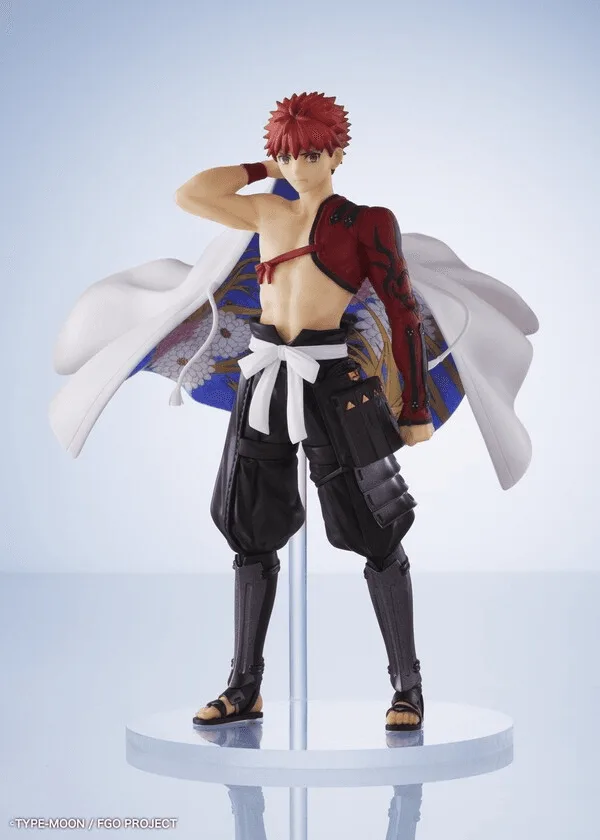
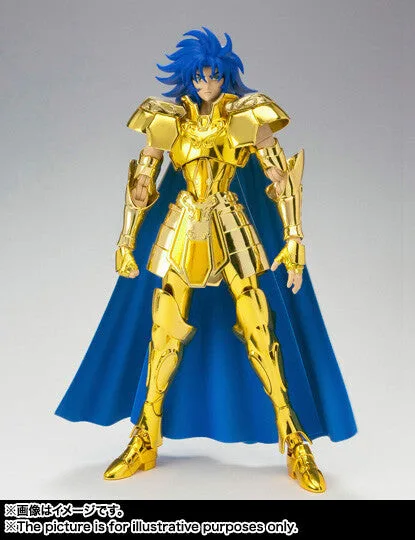
Compare the figure's pose, proportions, and paint colors to official images from the manufacturer or reputable hobby databases. Pay attention to small details like the eyes and hair seams, which are often where bootlegs cut corners. If the price is far below the typical market value, treat it as a red flag, not a bargain.
Step-by-step authentication checklist
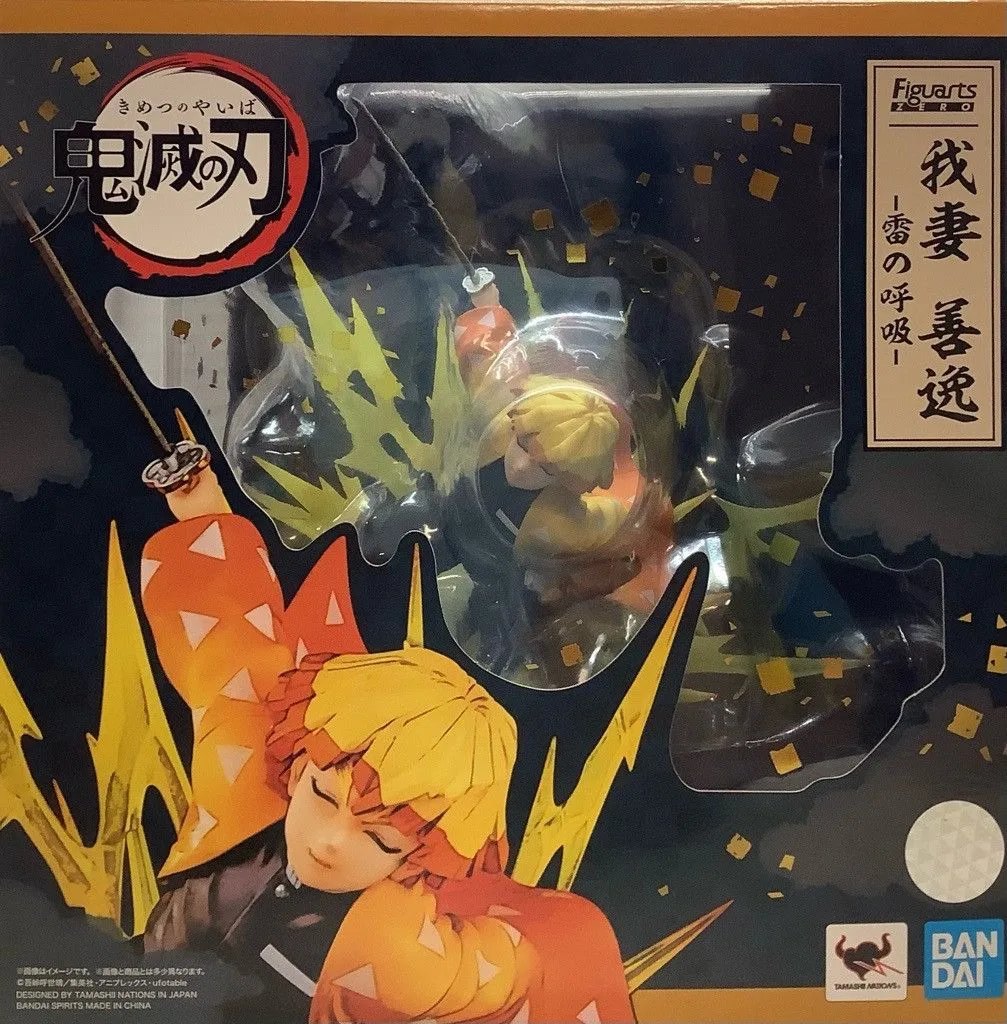
- Check the box for official markings: Look for the manufacturer's logo, copyright line, and a barcode sticker. Banpresto and Bandai figures typically have a small silver or white sticker with a 'TM' or '(C)' symbol. If the box lacks these or the print looks fuzzy, be suspicious. Missing official markings are a common bootleg giveaway.
- Inspect the paint and sculpt up close: Ask for close-up photos of the face and hands. Authentic figures have clean, sharp paint lines with no bleeding. Bootlegs often have sloppy eyes, uneven skin tones, and rough seams. Compare with official product images. Facial details are the fastest way to spot a fake.
- Verify the price and seller history: If the price is significantly lower than the typical market value, research the seller's ratings and return policy. A reputable seller with positive feedback is less likely to sell fakes, but still ask for proof of purchase if possible. A deal that seems too good often is.
Examples of authentic secondhand figures
- Macross Frontier: Ichiban Kuji Prize A - Klan Klang Premium Figure Special ver.(105150228) - Entertainment Hobby Shop Jungle: This Klan Klang figure is a Banpresto release from 2009, with a market price of $79.99 and a catalog price of $34.99. It is pre-owned with a damaged box and fully sealed. Even with a damaged box, the manufacturer and release year are clearly stated, which is a good sign. When buying pre-owned figures, look for listings that specify the brand and year, as bootlegs rarely include accurate provenance.
- Tokyo Revengers: Non Scale Figure - Q posket-Takemichi Hangaki - ver.A(105040116) - Entertainment Hobby Shop Jungle: This Q posket figure is a Banpresto release from 2022, with a catalog price of $18.08. It is a special price deal and comes in a standard box. Q posket figures are often counterfeited, so a clear manufacturer and release year help confirm authenticity. The low price here is a promotional deal, not a red flag, but you should still verify the seller's photos.