Quick answer
Spot bootleg anime figures by checking five things before you pay: the box print and licensing marks, the paint and seam quality in close-up photos, the joints and base fit, the seller's proof of authenticity, and whether the price is implausibly low. If any one check fails and the seller cannot resolve it, walk away — a genuine figure will survive all five.
Why bootleg figures are harder to spot in 2026
Counterfeiters have gotten better at copying packaging, not just sculpts. A bootleg box can now carry a convincing logo, a similar font, and even a fake hologram sticker, so a single glance at the front of a box tells you very little. The reliable signals have shifted to print quality on the back panel, the consistency of the paint in macro photos, and whether the seller can show you a real purchase trail.
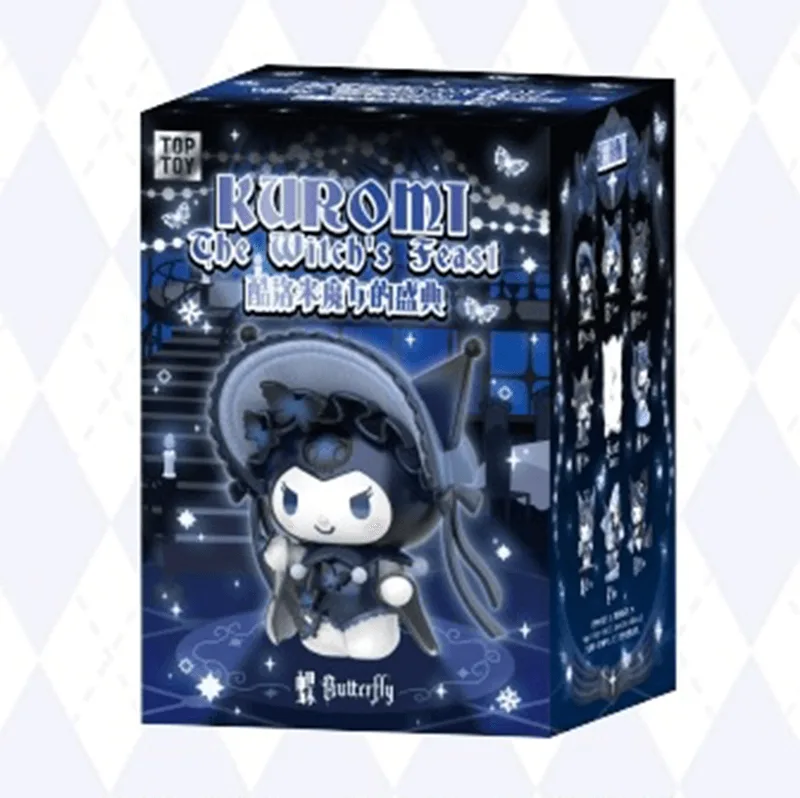
That matters most for collector lines where the box is part of the value. For a sealed blind box item, you cannot inspect the figure at all, so the seller and the listing photos carry the entire burden of proof. Treat unboxing photos and a named character list as your minimum evidence, and be more cautious with any listing that shows only stock renders.
Check the box print, not just the logo
Flip the box over in the listing photos. Authentic packaging uses sharp, evenly spaced text with consistent kerning; bootleg boxes often show slightly blurry small print, a shifted logo, or a missing manufacturer line. Look for the copyright line and the character name spelled the same way on the box and the base. If the listing only shows the front of the box, ask for a photo of the back panel before buying.
For officially licensed items, the license line should name the rights holder, not a generic brand. A box that says only 'anime figure' or omits the studio name is a warning sign. This is one of the fastest bootleg figure warning signs to check because it costs the seller nothing to photograph.
Read paint and seams in close-up photos
Ask for a close-up of the face, hands, and any painted pattern. On a legitimate figure, the eye decals sit straight, the skin tone is even, and the paint does not bleed across a seam. On a bootleg, you will often see a slightly glossy or chalky finish, misaligned eyes, or paint that stops short of a molded edge.
Seam lines are the other tell. A genuine figure has seams where the mold was designed to split, usually along the hair or clothing. A counterfeit often shows a seam running across the face or a visible gap at the shoulder. If the seller's photos are too small or too far away to judge this, that is a checkpoint, not a reason to guess.
Test the joints and base fit before you commit
If you can see the figure in hand or in a video, check that the joints move smoothly and hold a pose. Bootleg joints are often loose, stiff in the wrong direction, or visibly mismatched in color to the surrounding plastic. The base should sit flat and the peg should slide in without force; a base that wobbles or a peg that needs filing is a common counterfeit flaw.
For scale figures, ask the seller to confirm the height against the listing. If a figure is advertised as approximately 7.5 inches and the seller cannot confirm it, treat that as an open question rather than assuming it is correct.
Verify the seller and the price together
A seller who has sold the same line before, shows their own photos, and answers specific questions is a better bet than one with only stock images. Ask where the item was purchased and whether the original receipt or preorder confirmation is available. For an authentic Banpresto figure check, the seller should be able to name the line and the release, not just the character.
Price is the last check, not the first. A price far below the typical range for a sealed, licensed figure usually means a counterfeit or a damaged item. A modest discount with clear photos and a responsive seller is normal; a steep one with no proof is not.
Five-step bootleg check before you pay
- Step 1: Request back-panel photos: Ask the seller for a clear photo of the box back, including the copyright and license lines. Compare the character name and studio name against the listing title. Mistake to avoid: accepting a front-only photo. If the back panel is never shown, you cannot verify the license line.
- Step 2: Zoom in on the face and seams: Look for straight eye decals, even skin tone, and seams that follow the hair or clothing rather than crossing the face. Ask for a macro shot if the listing photos are small. Checkpoint: if the eyes are misaligned or paint bleeds across a seam, stop here.
- Step 3: Confirm joints and base fit: Ask whether the joints hold a pose and whether the base sits flat. For a scale figure, confirm the height against the listing before buying. Mistake to avoid: assuming a loose joint is shipping damage. On a new figure, it is often a mold or assembly flaw.
- Step 4: Verify the seller's proof: Ask where the item was purchased and whether a receipt or preorder confirmation exists. A seller who has handled the same line before can usually name the release. Checkpoint: a seller who cannot name the line or release is a risk on any sealed item.
- Step 5: Compare price against the norm: Check the price against other listings for the same sealed, licensed figure. A steep discount with no proof is the strongest single warning sign. Final call: if any step fails and the seller cannot resolve it, walk away.
Products that show what legitimate listings look like
- Banpresto Demon Slayer: Kimetsu no Yaiba - MAXIMATIC - THE TANJIRO KAMADOⅡ: Banpresto Demon Slayer: Kimetsu no Yaiba - MAXIMATIC - THE TANJIRO KAMADOII is approximately 7.5 inches tall and is described as an officially licensed Banpresto figure. A licensed Banpresto listing should name the line and the character clearly, so you can compare the box and base text against the listing before buying.
- Alien Stage Mini Plush Blind Box Keychain Collectible Chibi Plush Bag Charm: Alien Stage Mini Plush Blind Box Keychain is described as officially licensed, sold by a US seller, and each box contains one of six mystery chibi plush characters. For sealed blind box items you cannot inspect the figure, so the named character count and the seller's location are the main proof points to verify.
- Naruto Kunai Box Opener Anime Collectible Utility Tool Keychain: Naruto Kunai Box Opener is described as officially licensed Naruto Shippuden merchandise with a kunai-inspired design and a retractable blade, about 4.2 x 1.9 inches. Small licensed accessories are frequently counterfeited, so check that the license line and the size match the listing before you buy.