Quick answer
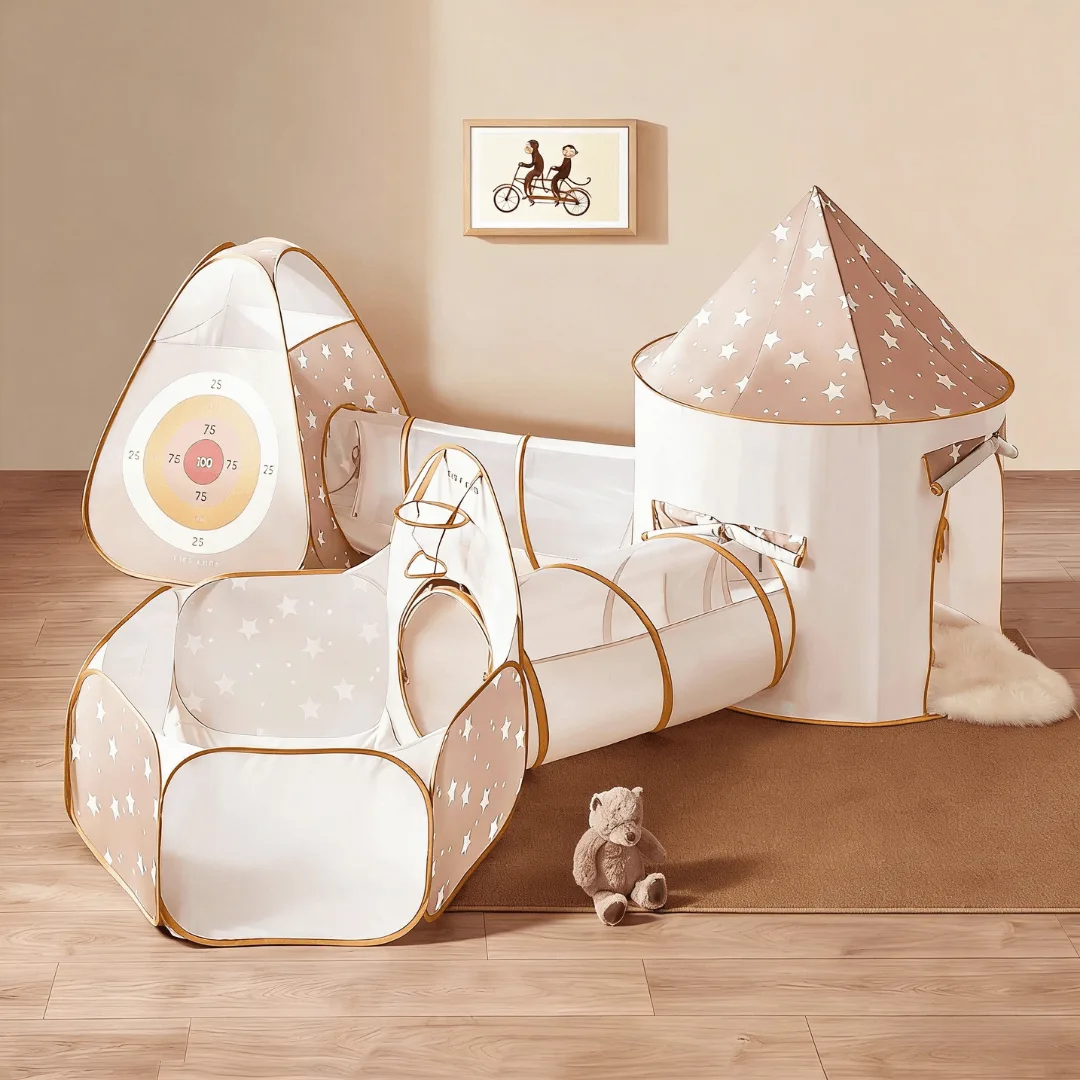
Connect a play tunnel to a ball pit so your toddler can crawl, drop in, and climb out in one loop. Set the tunnel on a rug, anchor the ball pit beside it, and keep the circuit under three steps so your child can repeat it without help. Rotate the setup every 15 to 20 minutes to hold attention.
Why a tunnel-and-ball-pit circuit works indoors
Crawling through a tunnel and climbing into a ball pit work different muscle groups in one short loop. The tunnel asks for shoulder and hip coordination; the ball pit asks for balance and trunk control as your child sinks and stands. Together they cover the kind of toddler gross motor activities that usually need a trip to the park. On a rainy day, that loop is easier to supervise than free play across a whole room because you can see both ends at once.
Pick a floor that forgives falls
A play tunnel rolls on hard floors, so put a rug or foam mat under the tunnel mouth and the ball pit edge. This stops the tunnel from sliding when your child pushes off and softens the exit. If you only have tile or wood, place the tunnel against a wall or sofa so it cannot scoot forward. Check that the tunnel's opening is not blocked by furniture legs that could catch a sleeve or sock.
Keep the circuit short and repeatable
A three-step loop—crawl through, drop a ball in, climb out—is enough for most toddlers. Longer routes lose them halfway, and you end up rebuilding the setup instead of playing. Put the ball pit at the tunnel exit so the next move is obvious. If your child keeps crawling back through the tunnel instead of into the pit, that is fine; the repetition is the point.
Rotate props instead of adding more equipment
Swap one prop every 15 to 20 minutes rather than adding a second tunnel or a bigger ball pit. A laundry basket of soft balls, a stuffed animal to rescue, or a pillow to crawl over changes the game without changing the footprint. This keeps indoor active play for toddlers fresh and makes cleanup faster because the core setup never moves.
Step-by-step: build and run the circuit
- Clear a 6-foot lane: Measure the tunnel length plus two feet at each end so your child can enter and exit without hitting a wall. Common mistake: setting the tunnel against a closed door, which turns the exit into a dead end. Checkpoint: your child can crawl through and stand up on both sides.
- Lay the tunnel on a rug: Place a rug or mat under the full tunnel, not just the entrance. If the tunnel slides on bare floor, wedge the sides with sofa legs or a folded blanket. Checkpoint: push the tunnel gently; it should not move more than an inch.
- Set the ball pit at the exit: Put the ball pit or ball basket right where your child crawls out, so the next action is visible. Keep the pit shallow enough that your toddler can climb out without help. Checkpoint: your child can get in and out of the pit alone.
- Model the loop once: Crawl through the tunnel yourself and drop a ball in the pit. Toddlers copy the route faster when they see it than when they are told. Common mistake: standing at one end and calling directions, which breaks the loop. Checkpoint: your child completes one full loop without a prompt.
- Rotate one prop every 15–20 minutes: Swap the ball for a stuffed animal, a pillow to crawl over, or a basket to push. Change one thing at a time so the circuit stays familiar. Checkpoint: your child re-engages within a minute of the swap.
- Pack down while your child watches: Fold the tunnel into its tote and stack the ball pit beside it. Narrating the pack-up teaches the routine and makes the next setup faster. Common mistake: cleaning up after bedtime, which leaves the room blocked overnight. Checkpoint: the floor is clear and the tunnel is stored in its bag.
Gear that fits this setup
- Tiny Land® Adventure Play Tunnel: The Adventure Play Tunnel measures 68 inches long and 18 inches wide and folds into a portable tote bag. The 18-inch width gives toddlers room to crawl without scraping shoulders, and the tote fold means you can clear the circuit when the room needs to go back to normal.
- Tiny Land® Teepee Tent for Kids with Mat – Indoor Play Tent with Floor Mat: The Teepee Tent for Kids includes a floor mat and a breathable window. The mat gives a defined spot to park the ball pit or a basket of balls, and the window lets you check on your child without crawling inside.
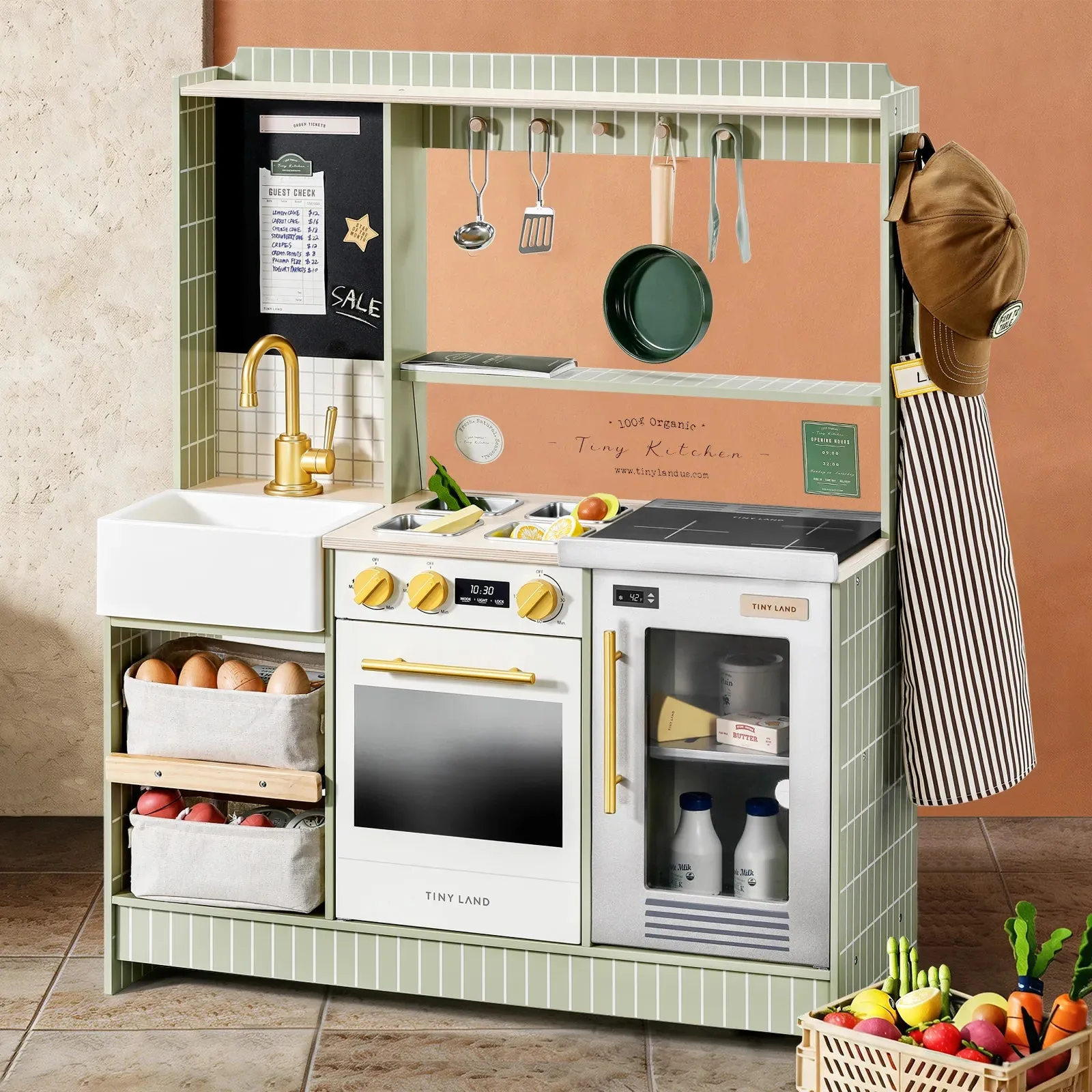
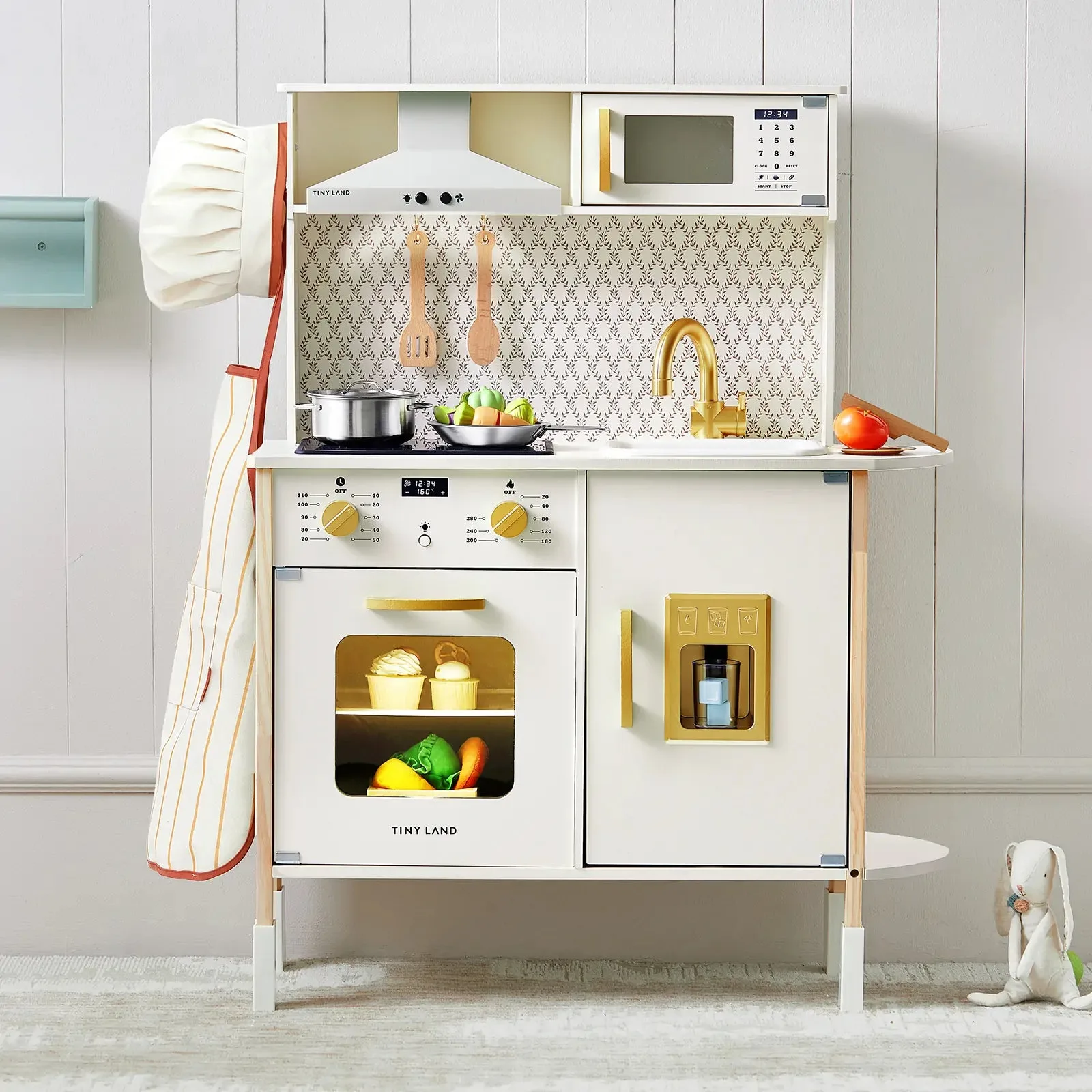
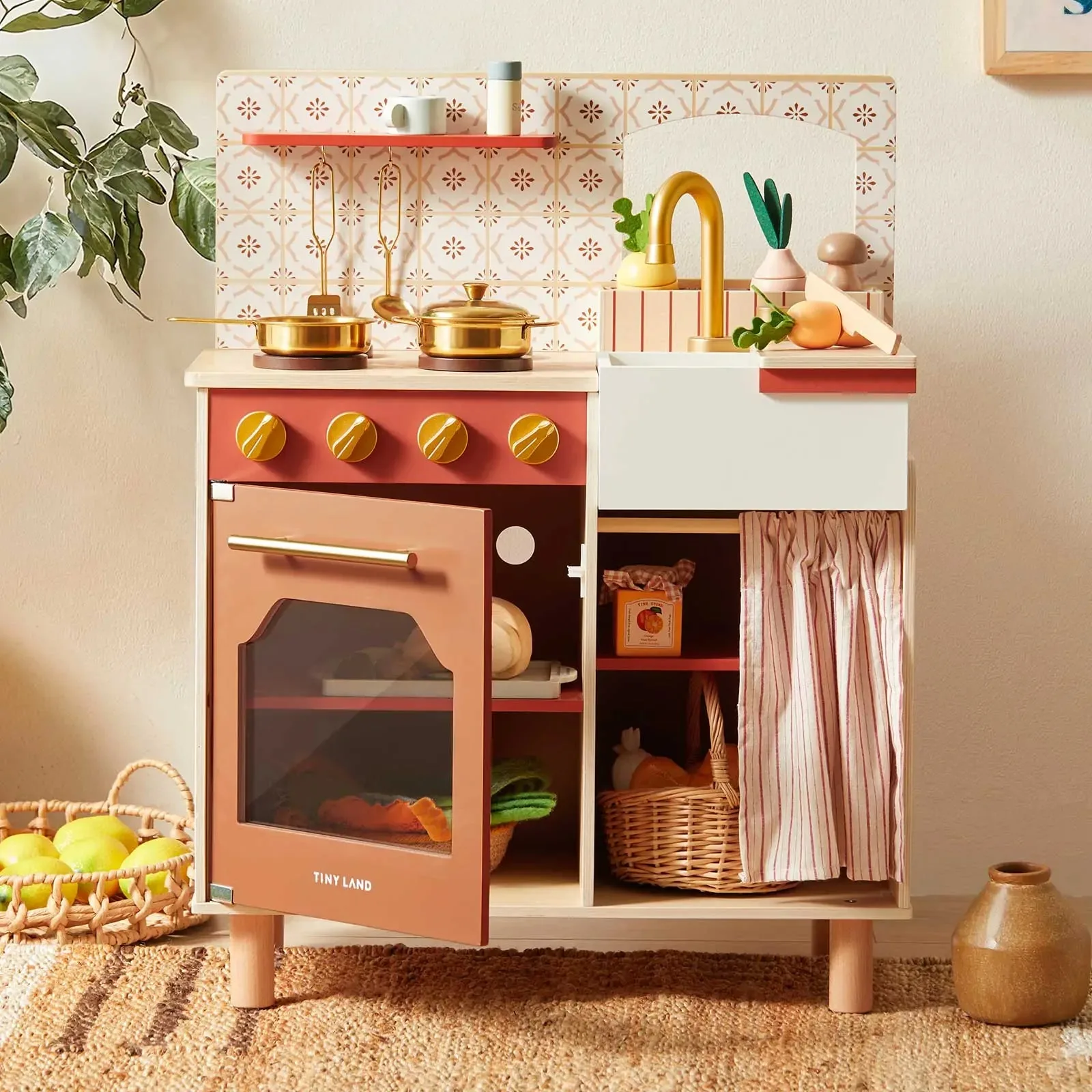
- Tiny Land® Wooden Play Kitchen for Toddlers - Honey Kitchenette Pretend Cooking Set: The Wooden Play Kitchen has knobs that click and a storage box with a removable piece. The storage box can hold balls or tunnel props between sessions, and the clicking knobs give a quiet sit-down option when your toddler needs a break from crawling.
If your child loses interest before the first rotation, shorten the circuit to two steps—crawl through, then sit in the pit—and add the third step back once the loop feels easy.