Quick answer
Avoid overpacking by diagnosing why your bag gets too full before you start folding. Most overpacking comes from packing for hypothetical situations, using the wrong bag, or skipping a real travel packing checklist. Fix the cause first, then pack only essentials with a simple outfit formula and a bag that matches your trip length.
You zip your suitcase, sit on it, and still wonder if it will close. That is the moment overpacking stops being a packing problem and becomes a trip problem. The good news: you do not need to become a minimalist. You need a suitcase packing strategy that treats overpacking like a symptom and works backward to the cause.
This guide uses a diagnosis-first approach. You will identify your overpacking pattern, apply the corrective action, and know when to stop or choose a different bag. Along the way, packing light tips and a practical travel packing checklist will help you pack only essentials without feeling unprepared.
Diagnose the symptom: what overpacking actually looks like
Overpacking rarely starts with too many clothes. It starts with a bag that is hard to close, a shoulder ache by noon, or a mental loop of what if I need it. Before you remove a single item, notice the symptom. Is your suitcase bulging at the zipper? Are you carrying a second bag for things that do not fit? Do you wear the same three outfits while half your clothes stay folded?
These signals point to different causes. A bulging bag often means the container is wrong for the trip. Wearing the same outfits means your outfit plan is disconnected from your daily routine. A second bag usually means you packed for activities you have not scheduled. Naming the symptom keeps you from solving the wrong problem.
- Take a photo of your packed bag before you leave. It shows what you actually used when you return.
- If you cannot lift your bag with one hand, treat that as a symptom, not a challenge.
Find the likely cause: three patterns behind a too-full suitcase
The first pattern is packing for a fantasy trip. You imagine dinners, hikes, gym sessions, and rainstorms, so you pack for all of them. The second pattern is using a bag that is too large or too unstructured. A big open compartment invites you to fill empty space until it is gone. The third pattern is no checklist. Without a written list, you pack by memory and anxiety, which almost always adds duplicates.
Each cause has a different fix. Fantasy packing needs an activity limit. An oversized or unstructured bag needs a size or shape change. Memory packing needs a checklist that lives on your phone. If you try to fix all three at once, you will overcorrect and feel deprived. Pick the pattern that matches your symptom and start there.
- Write down every activity you have actually booked. Anything not on that list does not get dedicated clothing.
- If your bag has a large empty zone, add a packing cube or a structured pouch to create limits.
Corrective action: build a suitcase packing strategy that limits decisions
Start with a two-outfit buffer rule: pack for the number of days you will be gone, then remove two complete outfits. Most travelers wear the same core pieces repeatedly, and the buffer covers laundry, spills, or a change in weather. Next, assign one bag zone per category: clothing, shoes, toiletries, tech, and documents. When a zone is full, it is full. This turns packing into a spatial decision instead of an emotional one.
Use a travel packing checklist that separates essentials from nice-to-haves. Essentials are documents, medications, one charger, one pair of shoes you can walk in, and weather-appropriate layers. Nice-to-haves are the second pair of shoes, the extra camera, and the just-in-case outfit. If your bag does not close after essentials, you either need a smaller trip or a different bag, not more force.
- Pack shoes first, then clothing, then toiletries, then tech. Heavy items belong near the wheels or against your back.
- Keep a reusable checklist on your phone and delete anything you did not use on the last trip.
Use the right bag to make overpacking harder
A bag with clear limits does half the work for you. For a weekend or a short business trip, a structured backpack with lockable zips and a luggage slip keeps your load vertical and close to your body. For a longer trip, a packable tote with a built-in travel sleeve can carry souvenirs on the return leg without becoming a second checked bag. The goal is not to buy more bags; it is to match the bag to the trip so empty space does not become a trap.
If you are deciding between a backpack and a tote, check whether the bag has a luggage slip, a water-repellent shell, or a dedicated shoe pocket. Those features reduce the need for extra pouches and help you pack only essentials. If a bag lacks a feature you rely on, treat that as a decision limitation and choose a different model rather than adding a workaround.
- For city trips, choose a bag with anti-theft features so you can carry less and worry less.
- For trips with souvenirs, bring a packable bag that folds into its own pocket.
Know when to stop or choose another option
Stop adjusting when your bag closes without force, you can carry it for ten minutes without strain, and you have one outfit you have not worn yet. That last outfit is your buffer, not a failure. If you are still overpacking after two rounds of removal, the problem is likely the bag or the trip length, not your discipline. A smaller carry-on or a different style may be the honest answer.
Choose another option when your itinerary genuinely requires more gear: cold-weather layers, camera equipment, or formal wear for an event. In those cases, a larger checked bag or a second small bag is reasonable. The point of this strategy is not to suffer. It is to stop packing for a trip you are not taking.
- If you need a second bag for essentials, you have outgrown the first bag for this trip.
- If you are packing for more than two activities per day, reduce the activities before you reduce the underwear.
Overpacking diagnosis: symptom, cause, fix, and stop point
- Symptom: bag will not close without force: You are likely packing for activities you have not booked or using a bag with too much unstructured space. Remove two complete outfits and add a packing cube to create a hard limit.
- Symptom: you wear the same three outfits: Your outfit plan is disconnected from your actual daily routine, so you pack duplicates and just-in-case items. Write a daily outfit formula and pack only pieces that work in at least two combinations.
- Symptom: you need a second bag for essentials: The main bag is the wrong size or shape for this trip, not a sign that you need more discipline. Choose a smaller carry-on or a structured backpack with a luggage slip, or accept a checked bag for gear-heavy trips.
- Stop point: bag closes, carries comfortably, one unworn outfit remains: You have reached a healthy buffer. Further removal will make the trip harder, not lighter. Stop packing. If you are still overpacking, change the bag or shorten the trip scope.
Products that support a pack-only-essentials strategy
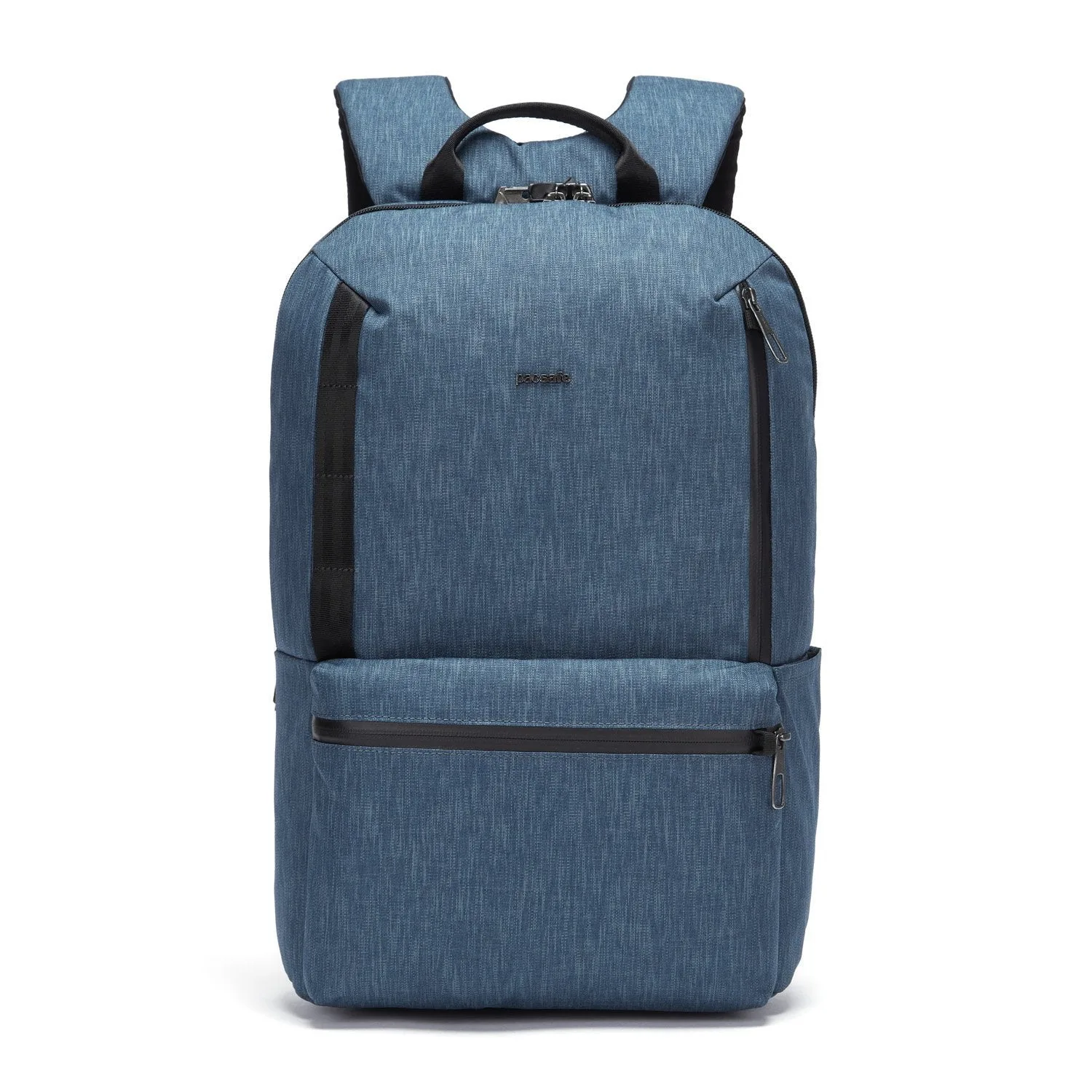
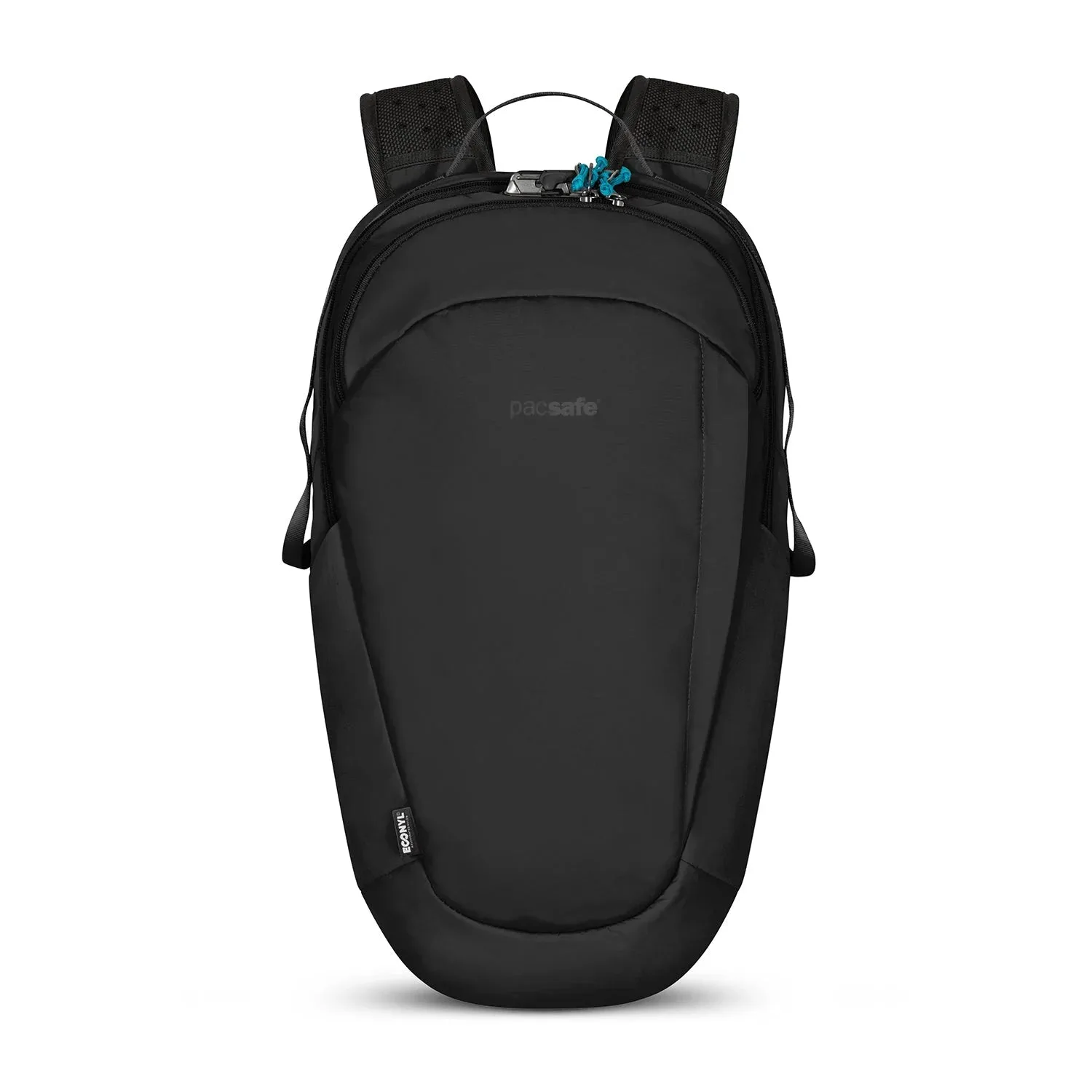
- Metrosafe X Anti-Theft 20L Backpack: Made with recycled PET and a 100% PFC free water repellent coating, with lockable zips, organization pockets, and a hidden stash for valuables against your back. A 20L limit makes it harder to overpack, while lockable zips and a hidden stash let you carry fewer separate security pouches.
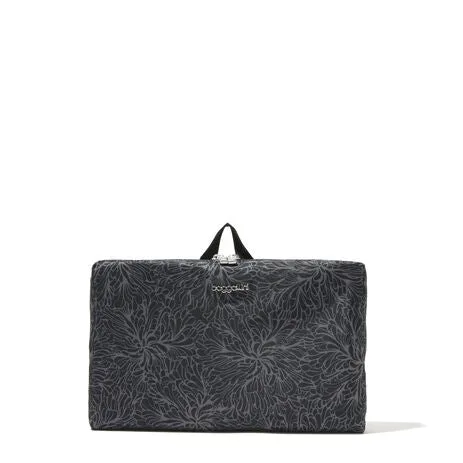
- Carryall Expandable Packable Tote: Unlined tote folds into a 9"h x 12"w front pocket, has a built-in travel sleeve, and the bottom section expands 4.75 inches. It stays flat in your main bag and expands only when you actually need extra space, so you do not start the trip overpacked.
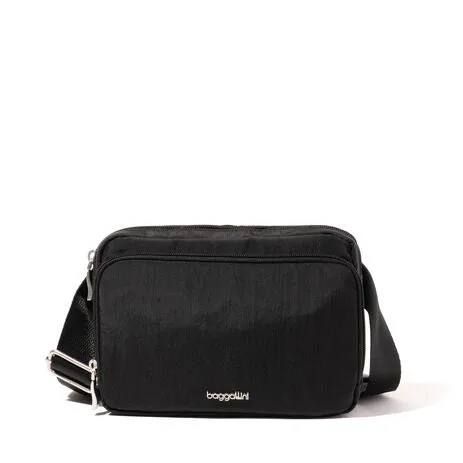
- Modern Belt Bag: Waist strap adjusts from 32" up to 50" circumference, has two zipper compartments, RFID protection with 6 credit card slots, and a privacy pocket. Keeping cards, phone, and keys on your body reduces the urge to pack backup wallets and pouches in your suitcase.
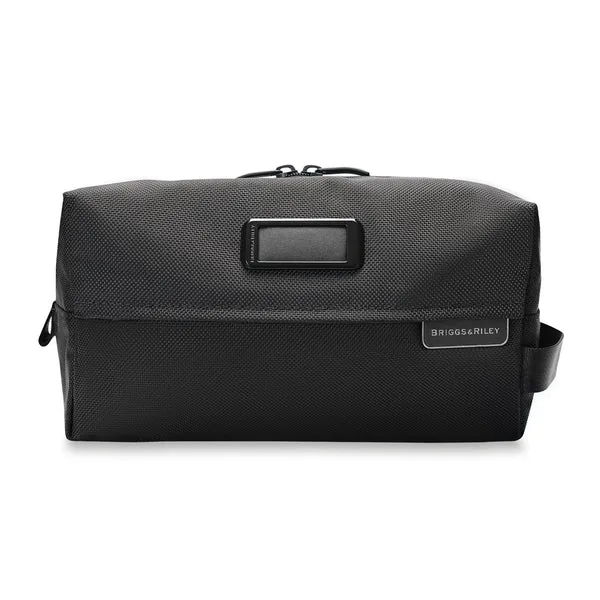
- EVERYDAY ESSENTIALS KIT: Designed to keep travel accessories organized, versatile enough for full size bottles or small electronic accessories, with an intuitive side pocket and a PVC lined main compartment. One kit replaces scattered toiletry and tech pouches, which cuts duplicate items and frees space in your suitcase.
Overpacking is a solvable pattern, not a personal flaw. Diagnose the symptom, fix the cause, and let your bag enforce the limit. Pack only essentials, keep one buffer outfit, and choose a different bag when the trip truly demands it. Your shoulders and your zipper will thank you.