Quick answer
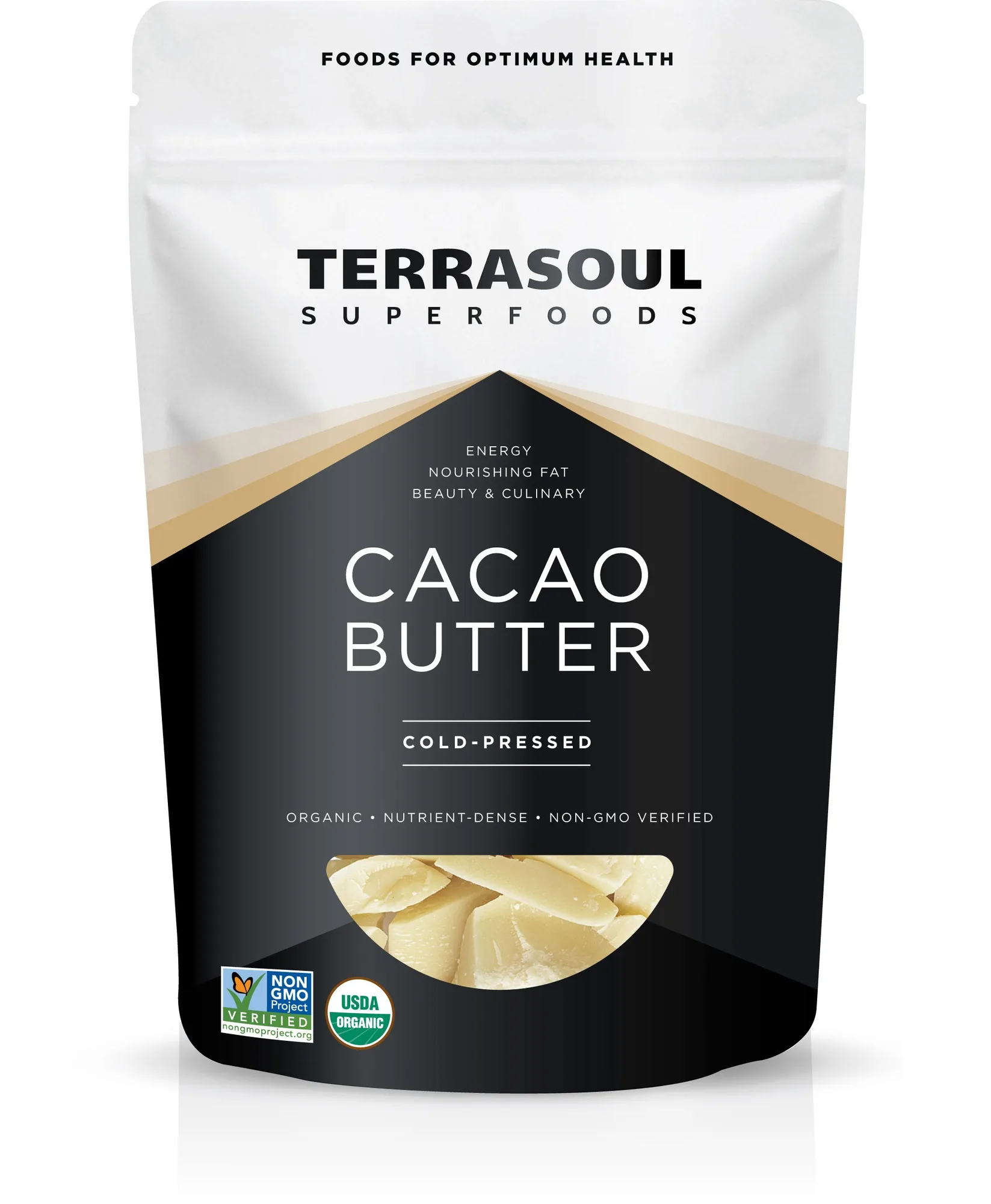
Melt cacao butter gently over a double boiler or at low power in short bursts, never above 120°F, and use it as a 1:1 swap for butter or coconut oil in most baked recipes. For chocolate coatings, temper it by heating to 115°F, cooling to 82°F, then bringing it back to 88–90°F before use. Cold-pressed, non-deodorized cacao butter like Terrasoul Superfoods Cacao Butter keeps its natural chocolate aroma and works well in brownies, bars, and dairy-free frostings.
Why cacao butter behaves differently from other baking fats
Cacao butter is the pure pressed oil of ground cacao beans, not a butter in the dairy sense. It is solid at room temperature and melts just below body temperature, which gives chocolate its snap and baked goods a rich, creamy crumb. Because it is non-deodorized, it carries a mild chocolate aroma that can subtly flavor your bake. Unlike coconut oil, which melts at a lower temperature and can feel greasy in some recipes, cacao butter stays firmer at room temperature, so it helps brownies and bars set without refrigeration. That firmness also means you cannot rush melting it; high heat scorches the solids and turns the fat grainy. If you are new to baking with cacao butter, start with a recipe that already calls for it, like a brownie or a chocolate tart, so you can see how it behaves before swapping it into cakes or cookies.
How to substitute cacao butter in common recipes
In most baked goods, you can replace butter or coconut oil with cacao butter at a 1:1 ratio by weight, not volume. Cacao butter is denser than butter, so a cup of melted cacao butter weighs more than a cup of melted butter. For brownies, this swap works especially well because cacao butter reinforces the chocolate flavor and helps the center stay fudgy. In cookies, replace only half the butter with cacao butter to avoid a crumbly texture, since cacao butter lacks water and milk solids. For frostings and ganache, cacao butter can fully replace butter or cream, but you may need a tablespoon or two of plant milk to reach a spreadable consistency. If you are avoiding dairy, cacao butter is a clean choice, but check that your other ingredients, like chocolate chips, are dairy-free too. Coconut oil is a better substitute when you want a lighter texture or a neutral flavor, such as in a vanilla cake or a granola cluster.
Melting cacao butter without ruining it
The safest way to melt cacao butter is in a double boiler over barely simmering water. Chop it into small, even pieces first so they melt at the same rate. Stir occasionally with a dry spatula; even a drop of water can cause the fat to seize and turn lumpy. If you use a microwave, work in 15-second bursts at 50% power and stir between each burst. The cacao butter should be fully liquid but not hot to the touch. If it feels warmer than lukewarm, let it cool for a minute before adding it to your recipe. For tempering, you will need a thermometer that reads low temperatures accurately. Melt two-thirds of the cacao butter to 115°F, remove it from the heat, then add the remaining third chopped finely and stir until it melts and the temperature drops to 82°F. Finally, warm it gently back to 88–90°F. This three-step process stabilizes the fat crystals so your finished chocolate sets shiny and snaps. If you skip tempering, the chocolate may bloom with white streaks or feel soft at room temperature.
Storing and using cacao butter in everyday baking
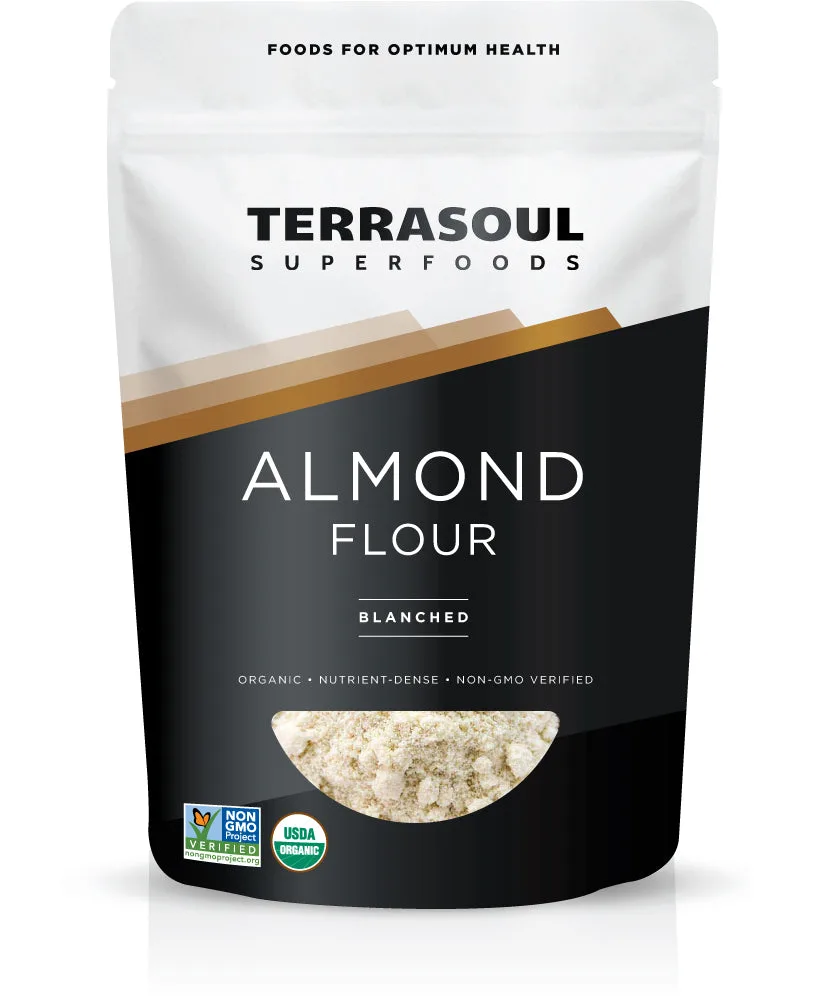
Cacao butter keeps for a long time if stored properly. Keep it in a cool, dark place, ideally between 60–70°F, away from strong odors. It can absorb smells, so do not store it next to spices or onions. If your kitchen runs warm, the refrigerator is fine, but wrap it tightly to prevent moisture from getting in. When you are ready to use it, grate or chop what you need and return the rest to storage. A little goes a long way in recipes: one to two tablespoons can enrich a batch of brownies or a cup of hot cocoa. For dairy-free baking, cacao butter pairs well with almond flour, oat flour, and coconut sugar. It also makes a stable base for homemade chocolate bars, where you can control the sweetness and add-ins. If you are comparing cacao butter to coconut oil for a specific recipe, remember that cacao butter sets firmer and tastes like chocolate, while coconut oil is softer and can add a coconut note.
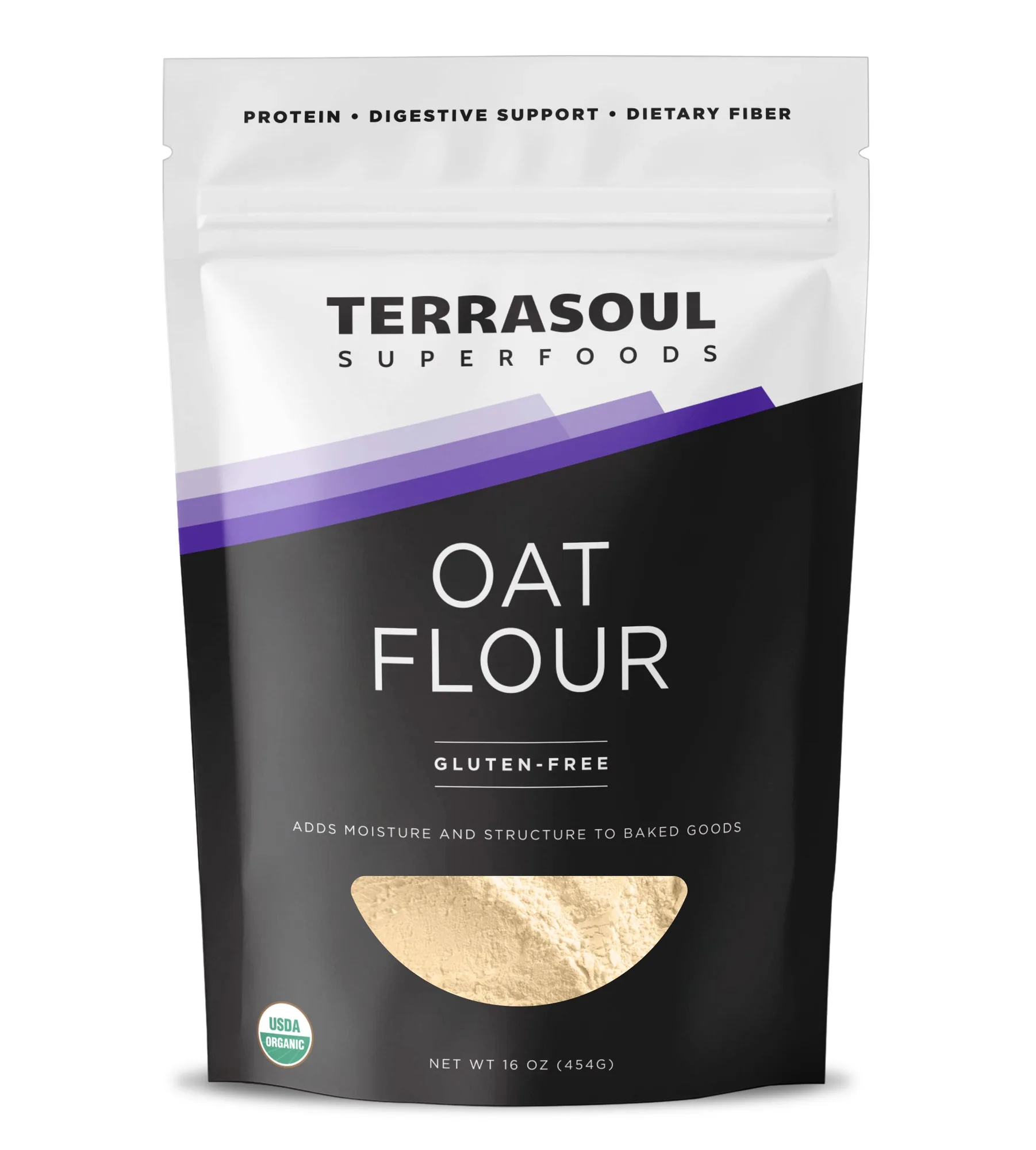
oat flour
Step-by-step: how to melt and temper cacao butter
- Chop and set up a double boiler: Cut cacao butter into small, even pieces. Fill a saucepan with an inch of water and set a heatproof bowl on top, making sure the bowl does not touch the water. Bring the water to a bare simmer. Checkpoint: the bowl should be dry and the water should not boil vigorously.
- Melt gently, stirring often: Add the cacao butter to the bowl and stir with a dry spatula until fully melted. Keep the temperature under 120°F. If you see steam, remove the bowl from the heat for a moment. Common mistake: walking away. Cacao butter can scorch quickly and turn gritty.
- Temper for chocolate work (optional): For coating or molding, heat two-thirds of the cacao butter to 115°F. Remove from heat and add the remaining third, chopped fine. Stir until it melts and the temperature drops to 82°F. Then warm gently back to 88–90°F. Checkpoint: use a thermometer. If you skip tempering, your chocolate may bloom or stay soft.
- Use immediately or store properly: Pour melted cacao butter into your recipe right away. If you have extra, let it cool slightly, then pour into a clean jar and store in a cool, dark place. Do not refrigerate unless your kitchen is very warm. Next step: label the jar with the date so you can track freshness.
Cacao butter to keep on hand
- Cacao Butter: Certified organic raw cacao butter, cold-pressed and non-deodorized from fermented cacao beans. Non-deodorized means it retains a natural chocolate aroma and flavor, which is ideal for brownies, chocolate coatings, and dairy-free frostings where you want that authentic cacao taste.