Quick answer
To break in a stiff new deck without bending cards, work the deck gradually: shuffle it in loose, low-pressure overhand and riffle shuffles, fan it in small sections, and practice springs only after the cards start to relax. The goal is to let the stock and coating flex through repeated, even motion rather than forcing a single card past its limit.
Why a new deck feels stiff in the first place
New playing cards are stiff because the paper stock and coating haven't been flexed yet, and the cards are still tightly packed from the factory. That stiffness is not a defect; it's a sign the deck is fresh. Breaking it in is simply the process of loosening the cards through repeated, gentle motion until they fan and shuffle smoothly.
The main risk is uneven pressure. If you bend one card sharply or spring the deck before it has relaxed, you can create a visible crease or a permanent warp that affects how the card lies in a fan. Working the whole deck evenly avoids that.
How long breaking in usually takes
Most decks need several short sessions rather than one long one. A practical approach is 10 to 15 minutes of light shuffling and fanning at a time, repeated over a few days. Cards that start out stiff often become noticeably more flexible after the first session, then continue to improve with use.
If a deck still feels rigid after several sessions, it may simply be a stiffer stock rather than a problem. Some decks are designed to stay firm, and forcing them can do more harm than good.
When to stop and leave the deck alone
Stop breaking in a deck when it fans smoothly and shuffles without resistance. Continuing to flex cards after that point adds wear without improving handling. If you notice a card starting to bow or a corner softening, set the deck down and let it rest flat for a day.
For limited or collectible decks, consider whether you want to break them in at all. A deck kept sealed or stored flat holds its condition, while a deck you handle regularly will show use over time.
Step-by-step break-in process
- Start with loose overhand shuffles: Hold the deck loosely and shuffle overhand without squeezing the cards. Let them fall into place rather than forcing them together. This begins flexing the stock evenly without sharp bends. Checkpoint: if you hear a sharp crack or feel a card crease, you are pressing too hard.
- Fan the deck in small sections: Fan five to ten cards at a time across your hand, then close them and repeat with a different section. Small fans let you work the whole deck without over-flexing any single card. Checkpoint: the cards should separate smoothly; if they clump or resist, slow down rather than pushing harder.
- Add light riffle shuffles: Once the deck fans more easily, riffle shuffle with a gentle release. Let the cards interlace from the corners instead of bending the middle of the cards. Checkpoint: keep the bend near the corners, not across the center of the card face.
- Practice springs only after the deck relaxes: When the deck feels noticeably more flexible, practice short springs over a soft surface such as a bed or a mat. Start with a small gap between hands and increase gradually. Checkpoint: if a card lands bent or warped, stop springing and return to shuffling for another session.
- Rest the deck flat between sessions: After each session, place the deck flat in its box or on a clean surface so it can settle evenly. Avoid leaving it in a pocket or under weight, which can warp the cards. Checkpoint: a deck that rests flat between sessions breaks in more evenly than one that is stored unevenly.
Deck and gear notes
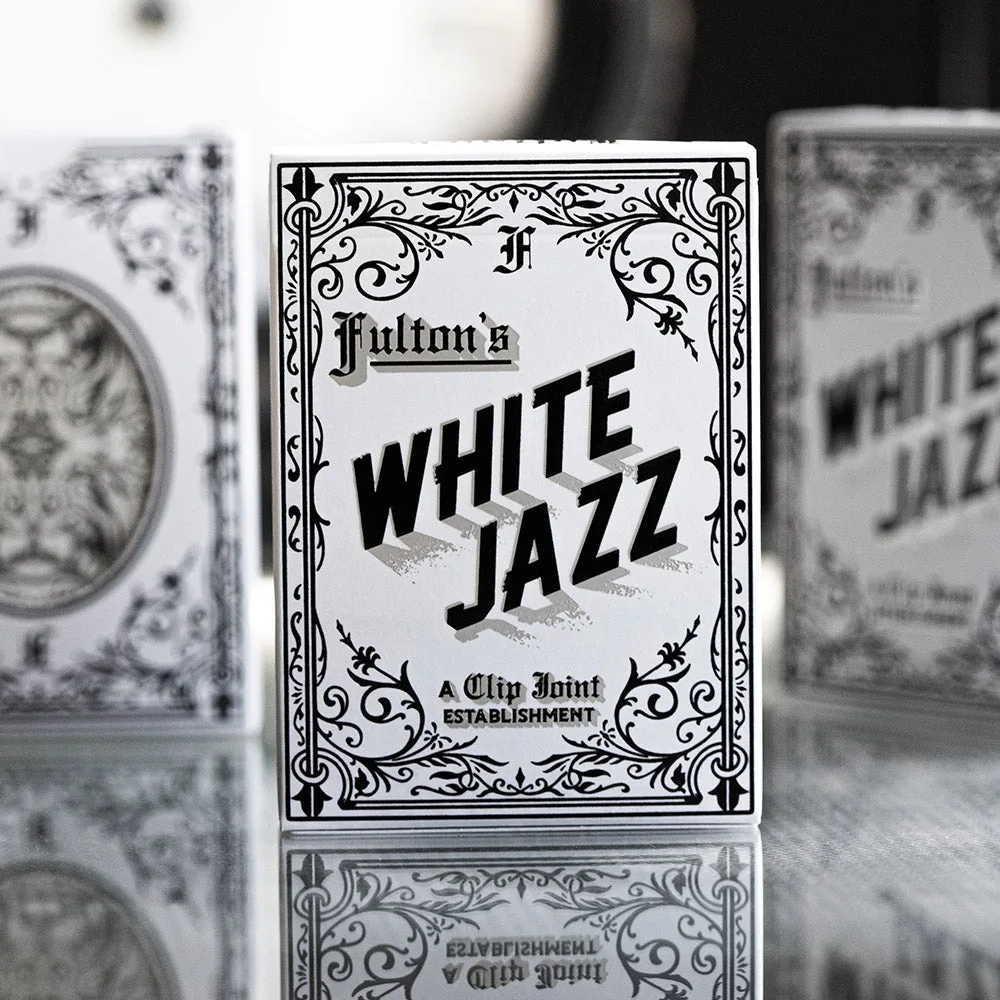
- FULTONS NOIR "WHITE JAZZ" PLAYING CARDS: FULTONS NOIR "WHITE JAZZ" PLAYING CARDS is the inverted-color variation of the Noir deck, with art unique to the white printed version. If you want a deck to practice breaking in and fanning, a printed deck like White Jazz gives you clear visual feedback on how evenly the cards are separating as they loosen.
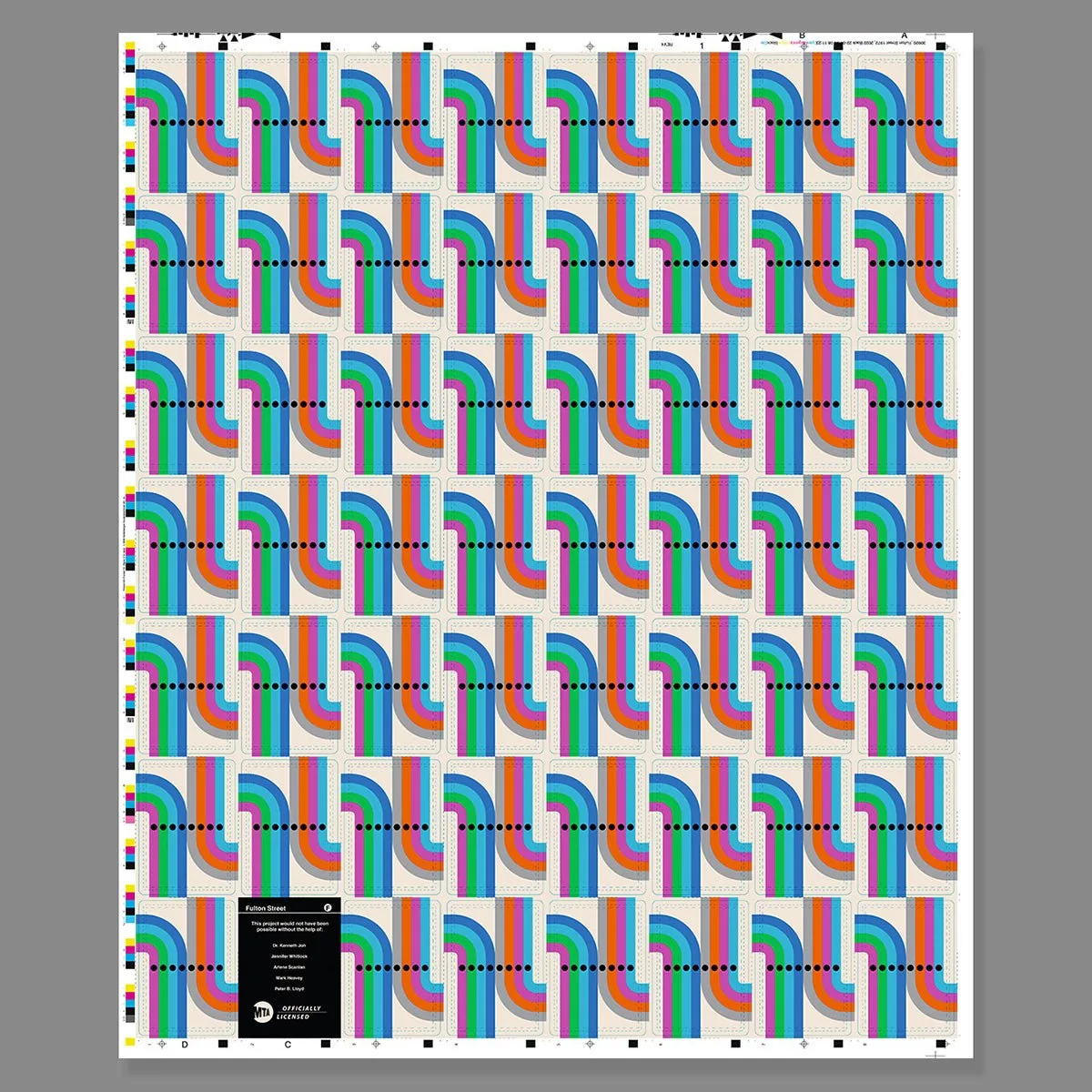
- FULTON STREET MTA PLAYING CARDS (1972 VIGNELLI MAP) LIMITED UNCUT SHEET: The FULTON STREET MTA PLAYING CARDS (1972 VIGNELLI MAP) LIMITED UNCUT SHEET is an uncut sheet pulled directly from the press, with only 50 available. An uncut sheet is meant for framing or display, not for shuffling or springing, so keep it separate from any deck you plan to break in.