Quick answer
Start by wearing the empty carrier for 10–15 minutes at a time, then flex and twist the fabric by hand before each short practice wear. Most new carrier stiffness eases within a week of consistent, low-stakes sessions. Stop if you feel pinching or numbness, and recheck the fit rather than forcing the fabric.
Why new carriers feel stiff
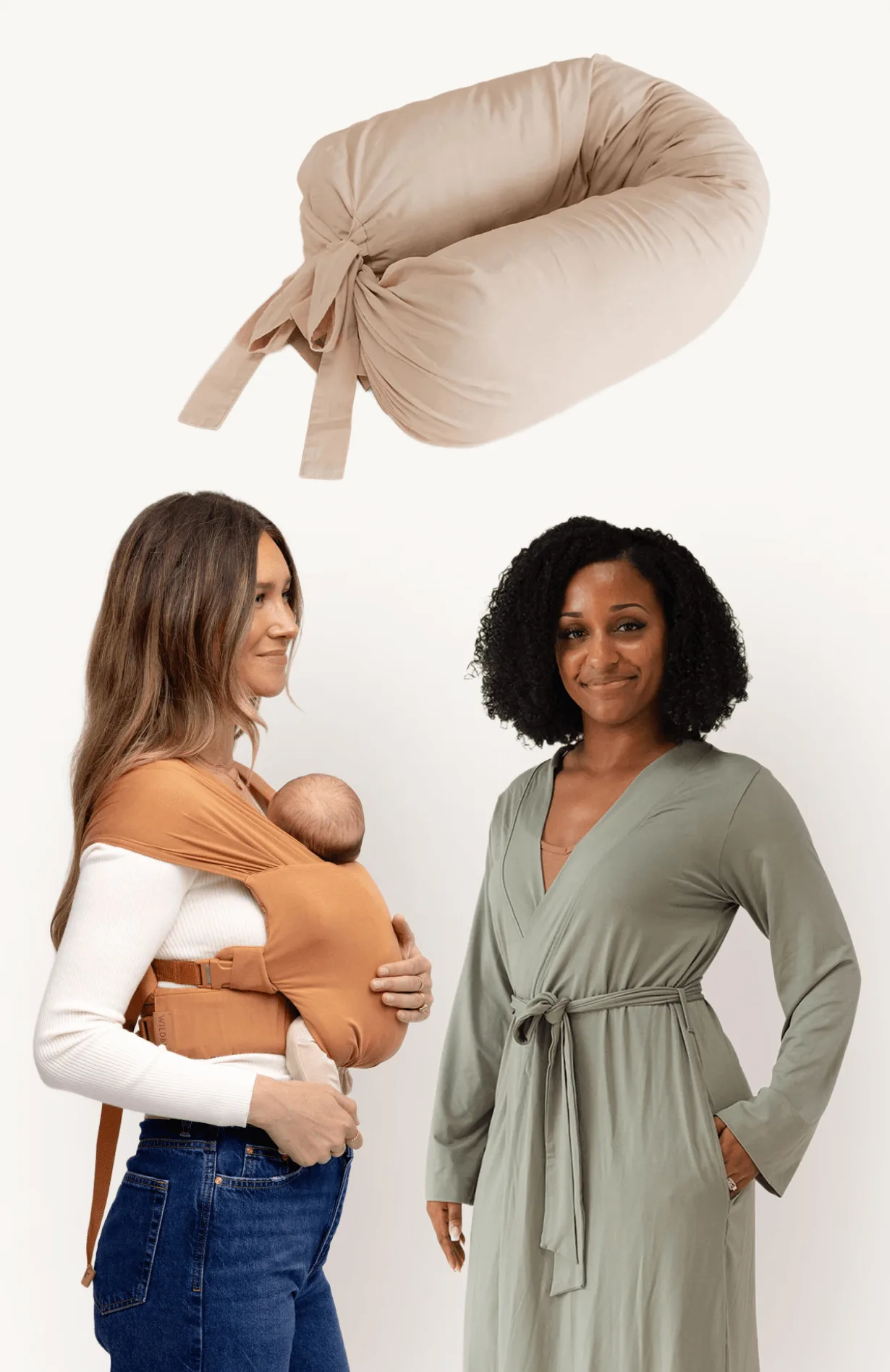
New carrier stiffness comes from tightly woven or knit fabric that has not yet been flexed by body heat and movement. Stretchy wraps and structured carriers both relax over time, but they do it at different speeds. A stretchy wrap may soften after a few wears, while a woven or padded carrier can take longer because the structure is designed to hold its shape. The goal is not to stretch the carrier out of shape but to make it conform to your body and your baby’s position.
Set up a low-pressure practice routine
Practice when your baby is calm and fed, not during a meltdown. Wear the carrier for 10 minutes while you fold laundry or walk around the house. This lets the fabric warm up and start molding without the pressure of a full outing. If you are breaking in a stretchy wrap, practice the same carry you plan to use daily so the fabric learns that specific tension pattern.
When to pause and check the fit
If you feel pinching, shoulder digging, or numbness in your arms, stop and adjust the straps or rewrap. Discomfort is a fit signal, not a break-in milestone. A carrier that is correctly adjusted should feel snug but not painful from the first wear. If the discomfort continues after several short sessions, the issue is likely fit or sizing rather than stiffness.
Five steps to break in a new carrier
- Warm the fabric with a short empty wear: Put the carrier on without your baby for 10 minutes while you move around the house. Body heat relaxes the fibers and shows you where the carrier presses before you add weight. Checkpoint: if the empty carrier already digs into your shoulders, adjust the straps before step two.
- Flex and twist the fabric by hand: Take the carrier off and gently twist, roll, and stretch the fabric between your hands for two to three minutes. Focus on the shoulder straps, waistband, and any panel that feels board-stiff. Common mistake: pulling too hard on seams or padded sections can distort the shape, so keep the motion gentle.
- Do a short practice wear with your baby: Carry your baby for 10–15 minutes in the carrier while you stay home. This is long enough to warm and mold the fabric without testing your endurance. Checkpoint: your baby should be close enough to kiss and breathing freely; if not, pause and re-tie or re-buckle.
- Repeat daily for the first week: Aim for one or two short sessions each day rather than one long wear. Consistent flexing softens new carrier stiffness faster than occasional marathon carries. Common mistake: skipping days makes the fabric cool down and stiffen again, so keep sessions regular but short.
- Recheck the fit as the carrier softens: As the fabric relaxes, straps and wraps may need to be tightened slightly. Recheck the waistband, shoulder straps, and seat depth every few wears. Next step: once the carrier feels comfortable for 30 minutes, try a short outdoor walk.
Product facts that help during break-in
- Teddy - CloudBlend™ Swaddle: Teddy - CloudBlendTM Swaddle is a knit stretchy swaddle made with CloudBlendTM fabric, described as a lightweight essential to keep baby snug during early days. If you are breaking in a stretchy wrap carrier, a soft knit swaddle can be used as a light layer under the carrier to reduce friction and add comfort during early practice sessions.
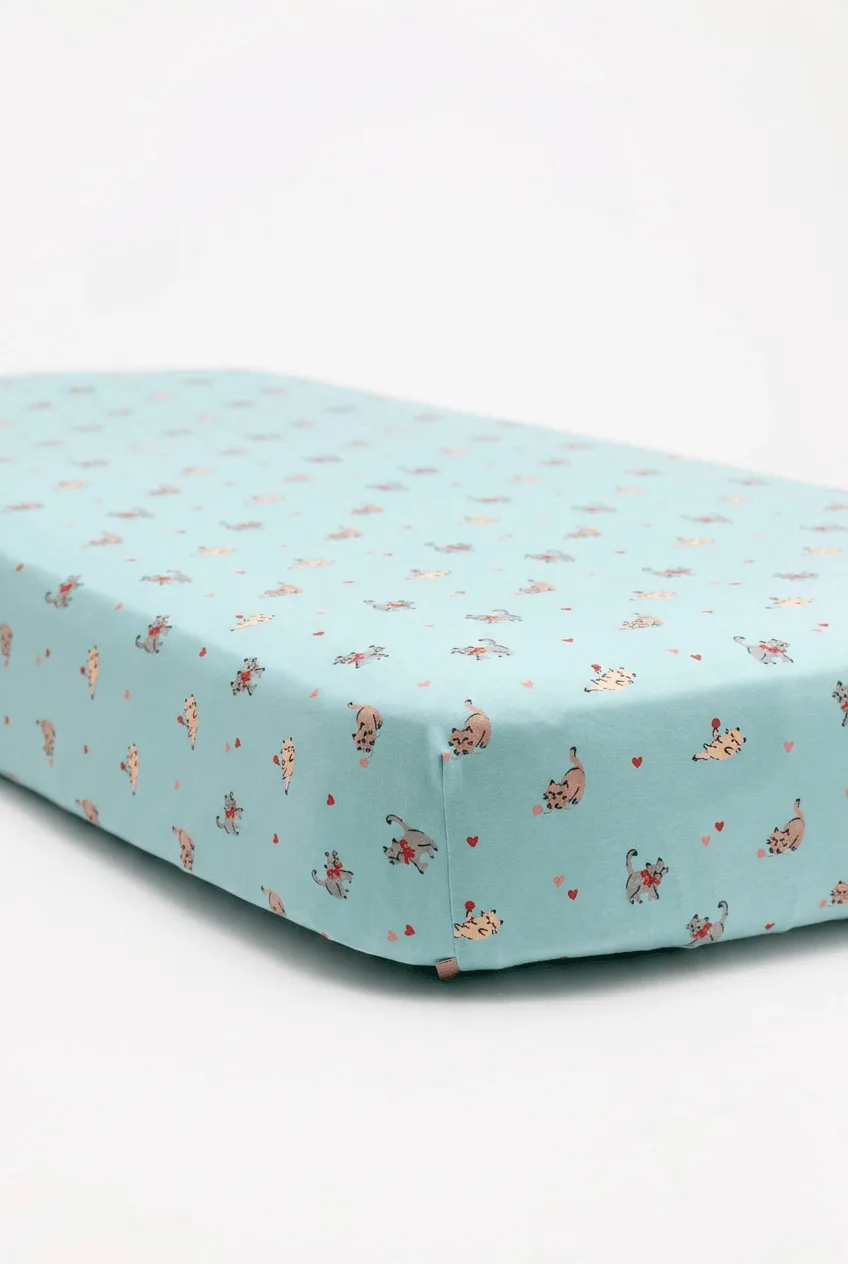
- Kitty - CloudBlend™ Crib Sheet: Kitty - CloudBlendTM Crib Sheet is a fitted crib sheet made with CloudBlendTM fabric, described as soft and breathable. A breathable crib sheet supports comfortable sleep after carrier practice, so you can test the carrier during the day and still keep nighttime sleep cool.