Quick answer
Brew Ethiopia Bette Buna as a pour over using a medium-fine grind, water just off a boil (about 200-205°F), and a 1:16 coffee-to-water ratio. Start with 22g of coffee and 350g of water. This method highlights the delicate florals and fruit notes typical of Ethiopian single-origin beans without over-extracting bitterness.
Why Bette Buna Rewards a Gentle Hand
Ethiopia Bette Buna is a single-origin coffee from the birthplace of coffee, and its flavor profile tends to be more delicate than a dark roast blend. That means the brewing variables you control—grind, temperature, and pour speed—have an outsized effect on what ends up in your cup. A brew that works for a dark, oily bean will often taste thin or harsh with a light, floral Ethiopian coffee.
The good news: you do not need expensive equipment. A basic pour over cone, a gooseneck kettle, and a burr grinder will get you most of the way there. The rest is repetition and paying attention to how the coffee bed looks and smells as you brew.
The Setup That Makes the Difference
Before you grind, gather your gear and preheat your mug or carafe with hot water. A cold vessel pulls heat out of the brew and can leave the cup tasting flat. If you are using a paper filter, rinse it with hot water—this removes papery taste and warms the cone at the same time.
Weigh your beans rather than scooping. A digital scale accurate to 0.1g is the single most useful upgrade for consistent results. Volume scoops vary wildly with bean size and roast level, so a recipe in grams is far more repeatable.
Grind Size and Water Temperature for Light Roasts
For a pour over, aim for a medium-fine grind that feels like table salt. If your grinder has numbered settings, start in the middle and adjust from there. Too coarse and the water runs through too fast, leaving you with a sour, underdeveloped cup. Too fine and you risk clogging the filter and extracting bitter, dry flavors.
Water temperature matters just as much. Light roasts like this Ethiopian single-origin need hotter water to extract fully—around 200-205°F (93-96°C). If you do not have a temperature-controlled kettle, boil water and let it sit for 30-45 seconds before pouring. That brief rest usually brings it into the right range.
The Pour Over Process, Start to Finish
Set your pour over cone on your mug or carafe, add the rinsed filter, and place the ground coffee in the cone. Tare your scale to zero. You will use 22g of coffee and 350g of water total.
Start your timer and pour about 50g of water in a slow spiral, just enough to saturate all the grounds. Wait 30-45 seconds. You will see the coffee bed puff up and release gas—this is called the bloom, and it is a good sign the coffee is fresh.
After the bloom, pour in stages: add water in slow circles until you reach 150g, wait for the bed to settle slightly, then pour to 250g, and finally to 350g. The entire brew should finish between 2:30 and 3:30. If it finishes much faster, grind finer next time. If it stalls and takes longer than 4 minutes, grind coarser.
Tasting and Adjusting Your Next Brew
Once the brew finishes, let the coffee cool for a minute or two. Hot coffee can mask flavors; as it cools, you will taste more of the fruit and floral notes that make Ethiopian coffee distinctive. Sip and ask yourself two questions: Is it sour or sharp? Is it bitter or drying?
If it tastes sour or weak, your extraction was too low—grind finer or use slightly hotter water next time. If it tastes bitter or hollow, your extraction was too high—grind coarser or lower the water temperature a few degrees. Change only one variable at a time so you know what made the difference.
Step-by-Step Brewing Checklist
- 1. Preheat and rinse: Pour hot water through the paper filter and into your mug or carafe to warm it, then discard the rinse water. This removes paper taste and keeps the brew temperature stable. Checkpoint: your cone and mug should feel hot to the touch before you add coffee.
- 2. Weigh and grind 22g of coffee: Use a burr grinder set to medium-fine, about the texture of table salt. Weigh the beans whole, then grind immediately before brewing. Common mistake: grinding too coarse, which makes the brew taste sour and thin. If unsure, start slightly finer than you think.
- 3. Heat water to 200-205°F: Bring water to a boil, then let it rest 30-45 seconds if you do not have a variable-temperature kettle. Pour a small amount into a cup to test—it should be hot but not scalding. Checkpoint: water that is too cool will under-extract light roasts; water that is boiling will scald the grounds and add bitterness.
- 4. Bloom with 50g of water: Start your timer and pour 50g of water in a slow spiral, making sure all grounds are wet. Wait 30-45 seconds. The bed should puff and bubble. Common mistake: skipping the bloom or pouring too fast. A proper bloom releases CO2 so the water can extract evenly.
- 5. Pour in three stages to 350g: After the bloom, pour slowly in circles to 150g, pause briefly, then to 250g, then to 350g. Keep the water level steady and avoid pouring directly onto the filter. Checkpoint: total brew time should be 2:30-3:30. Adjust grind if it is outside that range.
- 6. Taste and adjust: Let the coffee cool for a minute, then sip. If it is sour, grind finer next time. If it is bitter, grind coarser. Change only one thing per brew. Next step: keep a simple log of grind setting, water temperature, and brew time so you can repeat your best cup.
About Ethiopia Bette Buna
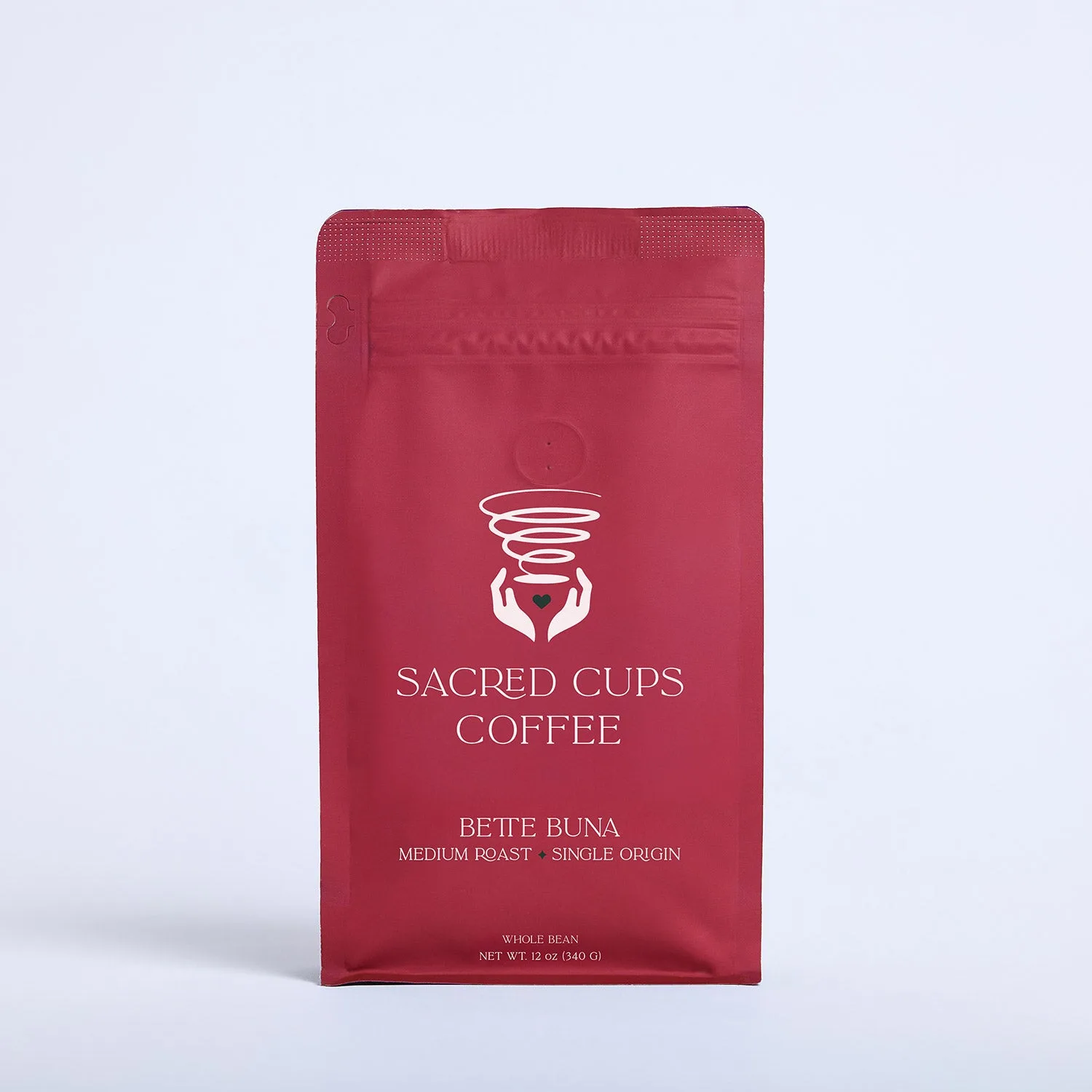
- Ethiopia Bette Buna Whole Bean Coffee: This single-origin comes from Ethiopia, the birthplace of coffee. Bette Buna pays homage to the Ethiopian coffee ceremony—a tradition where three rounds are shared to honor peace, community, and blessings. The coffee is designed to be enjoyed slowly and shared, so brewing it as a pour over fits the ritual. The ceremony tradition also suggests you might brew a second or third round from the same beans, adjusting grind slightly each time to explore different flavors.