Quick Answer
To brew organic matcha culinary grade tea powder, sift 1–2 teaspoons into a bowl, add a splash of hot water (not boiling), and whisk in a zigzag motion until smooth and frothy.
Why Culinary Grade Matcha Works for Everyday Brewing
Culinary grade matcha is designed for cooking and drinking, offering a robust flavor that stands up to milk, sweeteners, and baking. It has a slightly more astringent taste than ceremonial grade, but it's perfectly enjoyable as a daily tea when brewed correctly.
Because it's less expensive than ceremonial grades, culinary matcha is ideal for lattes, smoothies, and matcha-infused recipes. The key is to control water temperature and whisking to avoid bitterness and clumps.
Step-by-Step Brewing Guide
- Sift the Matcha: Place 1–2 teaspoons of organic matcha culinary grade powder into a fine-mesh strainer set over your bowl. Gently tap the strainer to sift the powder. This breaks up clumps and ensures a smooth texture. Skipping sifting often leads to lumps that are hard to whisk out later.
- Add Hot Water (Not Boiling): Heat water to about 175°F (80°C) — just below a boil. Pour about 2 ounces (60 ml) into the bowl over the sifted matcha. Boiling water will scorch the powder and create a bitter, harsh taste. If you don't have a thermometer, let boiling water sit for 30 seconds before using.
- Whisk in a Zigzag Motion: Use a bamboo whisk (chasen) or a small wire whisk. Hold the bowl in one hand and whisk the matcha and water in a quick side-to-side or "W" motion, not in circles. Whisk for about 15–20 seconds until a light froth forms on the surface. Circular whisking won't aerate the matcha properly and can leave clumps.
- Adjust and Serve: Taste your matcha. For a stronger flavor, add more powder next time; for a milder cup, use less. You can also add sweetener, milk, or a splash of vanilla. Drink immediately — matcha settles and loses its froth quickly. Leftover matcha will become bitter and grainy, so brew only what you plan to drink.
Featured Product
-
Organic Chinese Matcha - Culinary Grade Tea Powder: This green tea powder is made from shade-grown leaves, which are rich in amino acids and chlorophyll. The shading process boosts L-theanine content, giving the matcha a smoother, less bitter taste even in culinary grade.
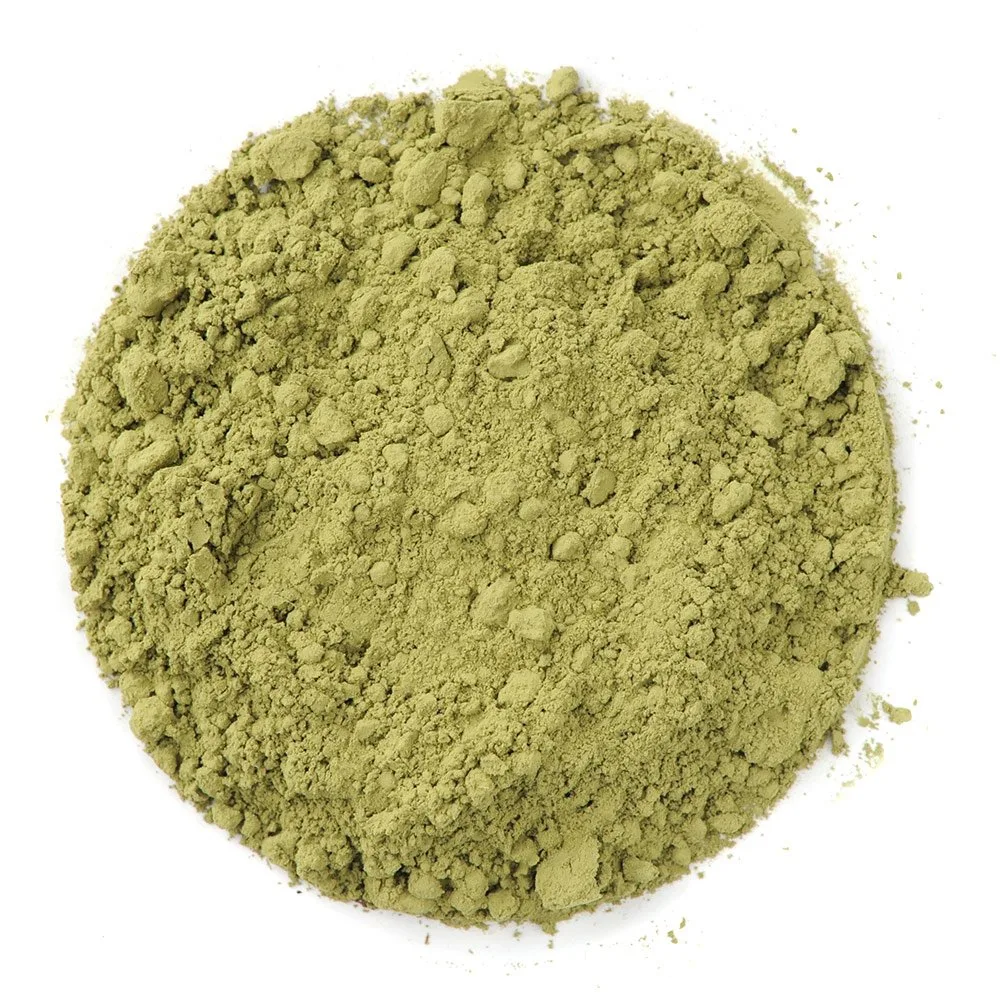
Organic Chinese Matcha - Culinary Grade Tea Powder