Quick answer
For weight management, brew organic pu erh tea using about 5 grams of leaves per 200 ml of water at 95°C (203°F). Steep for 30 seconds for the first infusion, then increase steeping time with each subsequent infusion. Drink 1-2 cups after meals to support digestion and avoid adding sugar or milk to keep the calorie count low.
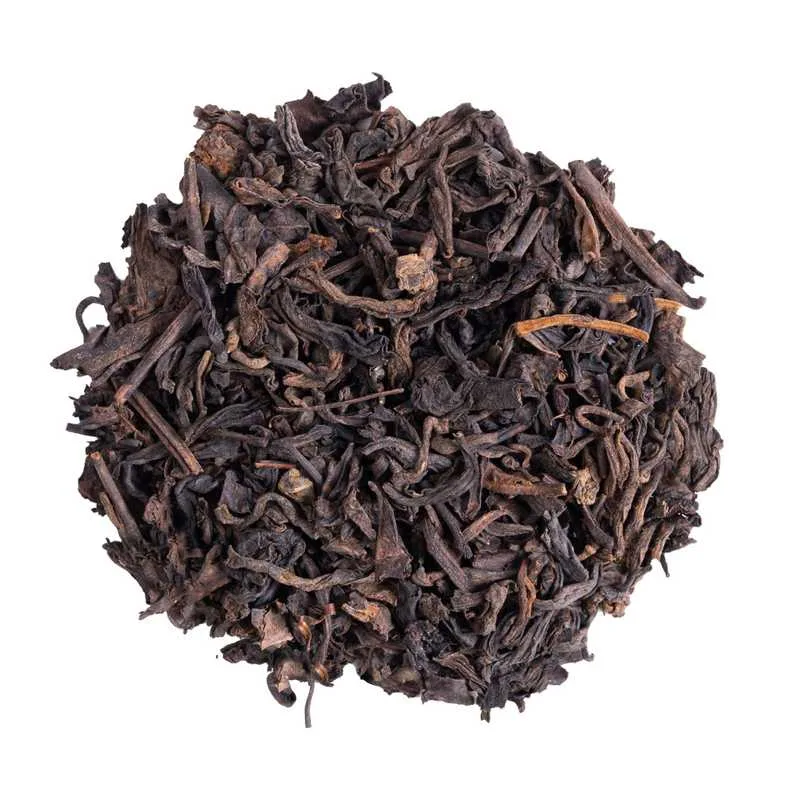
organic pu erh tea
Organic pu erh tea is a fermented tea known for its earthy, rich flavor and potential digestive benefits. Many tea drinkers turn to pu erh tea for weight management because it may help support metabolism and digestion when part of a balanced lifestyle. This guide walks you through the exact brewing process to get the most out of your leaves.
Whether you're new to pu erh or want to refine your technique, these steps will help you brew a smooth, flavorful cup that fits into your wellness routine. We'll also cover common mistakes to avoid and how to choose the right pu erh for your goals.
Why Pu Erh Tea for Weight Management?
Pu erh tea is a type of fermented tea that has been enjoyed for centuries, especially in China. Its unique aging process gives it a distinct flavor and may influence how your body processes food. While no tea can replace a healthy diet and exercise, adding pu erh to your routine can be a pleasant way to support your wellness goals.
The key to benefiting from pu erh is consistent, proper brewing. Over-steeping can make it bitter, while under-steeping may not extract the full flavor. By following the steps below, you'll create a cup that's both enjoyable and potentially supportive of digestion and metabolism.
- Choose a high-quality organic pu erh to avoid unwanted additives.
- Use filtered water for the best taste.
- Start with a small amount and adjust to your preference.
Choosing Your Pu Erh Tea
When selecting pu erh tea, look for certified organic options to ensure you're not consuming pesticides or synthetic fertilizers. The Organic Premium Pu Erh Menghai Five Years is a great example, aged for five years to develop a smooth, mellow flavor. This aging process can make the tea more approachable for beginners.
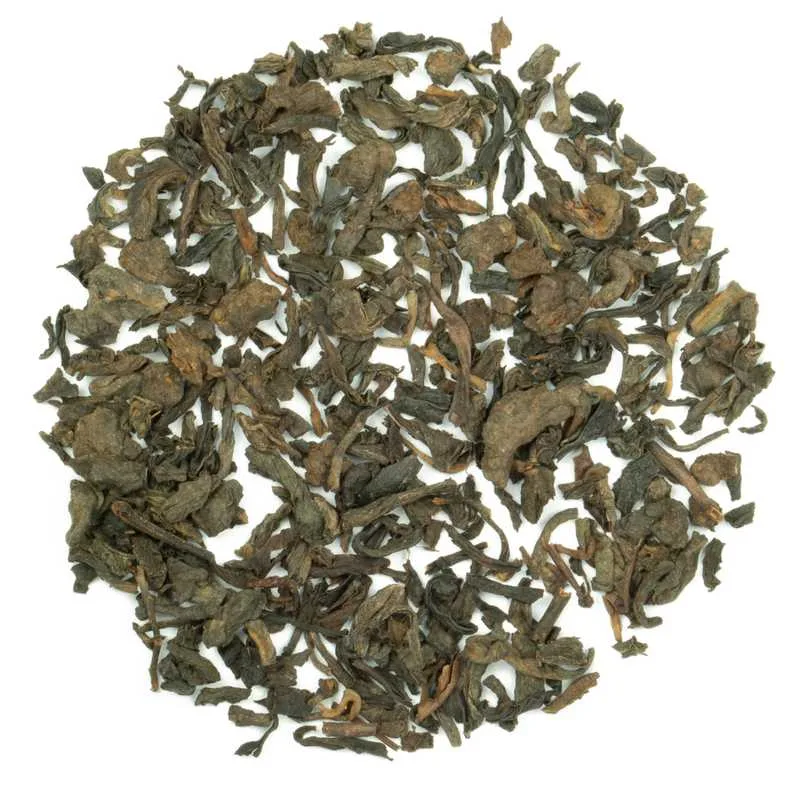
Organic Premium Pu Erh Menghai Five Years
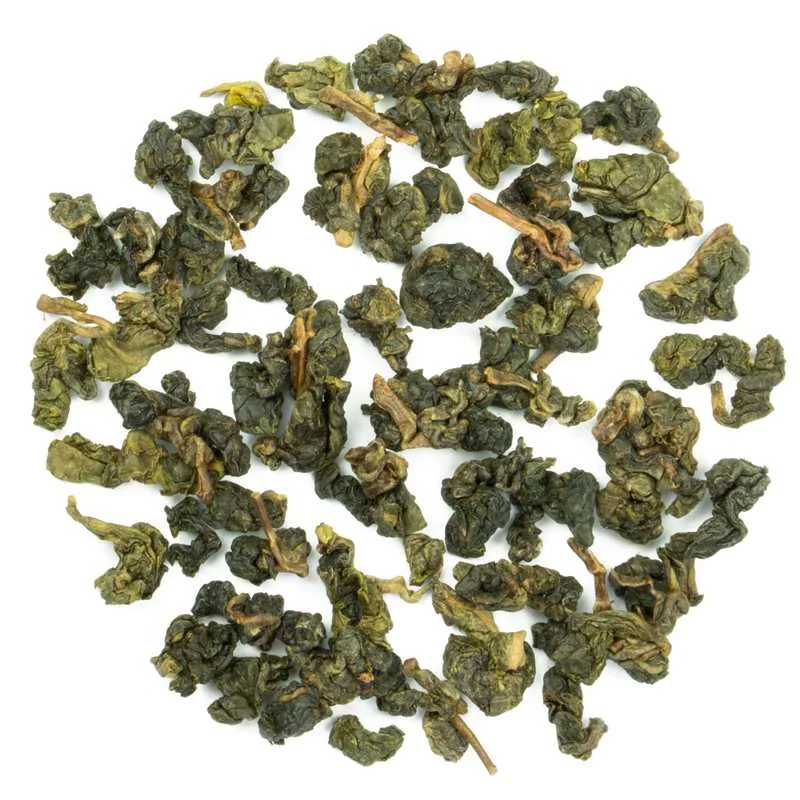
If you prefer a lighter, floral profile, consider an organic oolong like Organic Halimun Jade Oolong Tea. While not pu erh, it offers a different experience and can be brewed similarly. For this guide, we'll focus on pu erh, but the brewing principles apply to many loose leaf teas.
- Check the packaging for the 'Certified Organic' label.
- Aged pu erh tends to be smoother and less astringent.
- Buy from a reputable source to ensure quality.
Gathering Your Equipment
To brew pu erh tea properly, you'll need a few essentials: a teapot or gaiwan, a strainer, a thermometer or kettle with temperature control, and a timer. A gaiwan is traditional and allows you to control steeping precisely, but a simple teapot works too.
If you're new to loose leaf tea, a teapot with a built-in strainer is convenient. The key is to have enough space for the leaves to expand. Using the right equipment prevents over-extraction and ensures a consistent cup every time.
- A thermometer helps you hit the ideal temperature.
- A timer prevents over-steeping.
- Preheat your teapot with hot water before brewing.
Step-by-Step Brewing Guide
- Measure the Leaves: Use about 5 grams of loose leaf pu erh per 200 ml (about 7 oz) of water. If you don't have a scale, use roughly one tablespoon. Adjust based on your taste preference. Checkpoint: Too much leaf can make the tea bitter; too little may taste weak. Start with 5 grams and adjust next time.
- Heat the Water: Bring fresh, filtered water to 95°C (203°F). If you don't have a thermometer, bring water to a boil and let it cool for about 30 seconds. Checkpoint: Water that's too hot can scorch the leaves, making the tea astringent. Aim for just below boiling.
- Rinse the Leaves: Pour hot water over the leaves and immediately discard the liquid. This 'awakens' the tea and removes any dust, allowing for a cleaner first infusion. Checkpoint: Don't skip the rinse—it improves flavor and ensures the first real steep is optimal.
- First Steep: Add fresh hot water and steep for 30 seconds. Then pour the tea into your cup or pitcher, leaving the leaves in the pot for more infusions. Checkpoint: Over-steeping the first time can make the tea bitter. Use a timer and taste as you go.
- Subsequent Infusions: For each additional infusion, increase the steeping time by 5-10 seconds. Pu erh can be infused multiple times, often 5-10, making it economical. Checkpoint: If the tea becomes too strong or bitter, reduce the steeping time for the next infusion.
- Serve and Enjoy: Pour the tea into your cup and enjoy it plain. Avoid adding sugar, honey, or milk to keep the calorie content low and preserve the authentic flavor. Checkpoint: For weight management, drink 1-2 cups after meals. Don't drink too close to bedtime if you're sensitive to caffeine.
Products to Consider
- Organic Premium Pu Erh Menghai Five Years: This pu erh tea is aged for five years, which contributes to its exceptional and delectable taste. It is certified organic. The aging process makes the tea smoother and more flavorful, which can be more enjoyable for regular consumption—important if you're drinking it daily for weight management.
- Organic Halimun Jade Oolong Tea: This oolong tea has a sweet, floral taste with a delicate and creamy freshness. It is produced in Gunung Halimun National Park in Indonesia and is certified organic. If you want to vary your tea routine while still supporting your wellness goals, this oolong offers a different flavor profile and can be brewed using similar methods.
Brewing organic pu erh tea for weight management is simple once you know the basics. With the right leaves, temperature, and steeping times, you can enjoy a flavorful cup that fits your wellness routine. Remember to pair it with a balanced diet and regular exercise for best results. Start with the Organic Premium Pu Erh Menghai Five Years and refine your technique with each infusion.