Quick answer
Start by choosing a brush that matches your cat's coat type and sensitivity. Use gentle, short strokes in the direction of hair growth, and always reward your cat with treats and praise.
Choosing the Right Brush for Your Cat's Coat
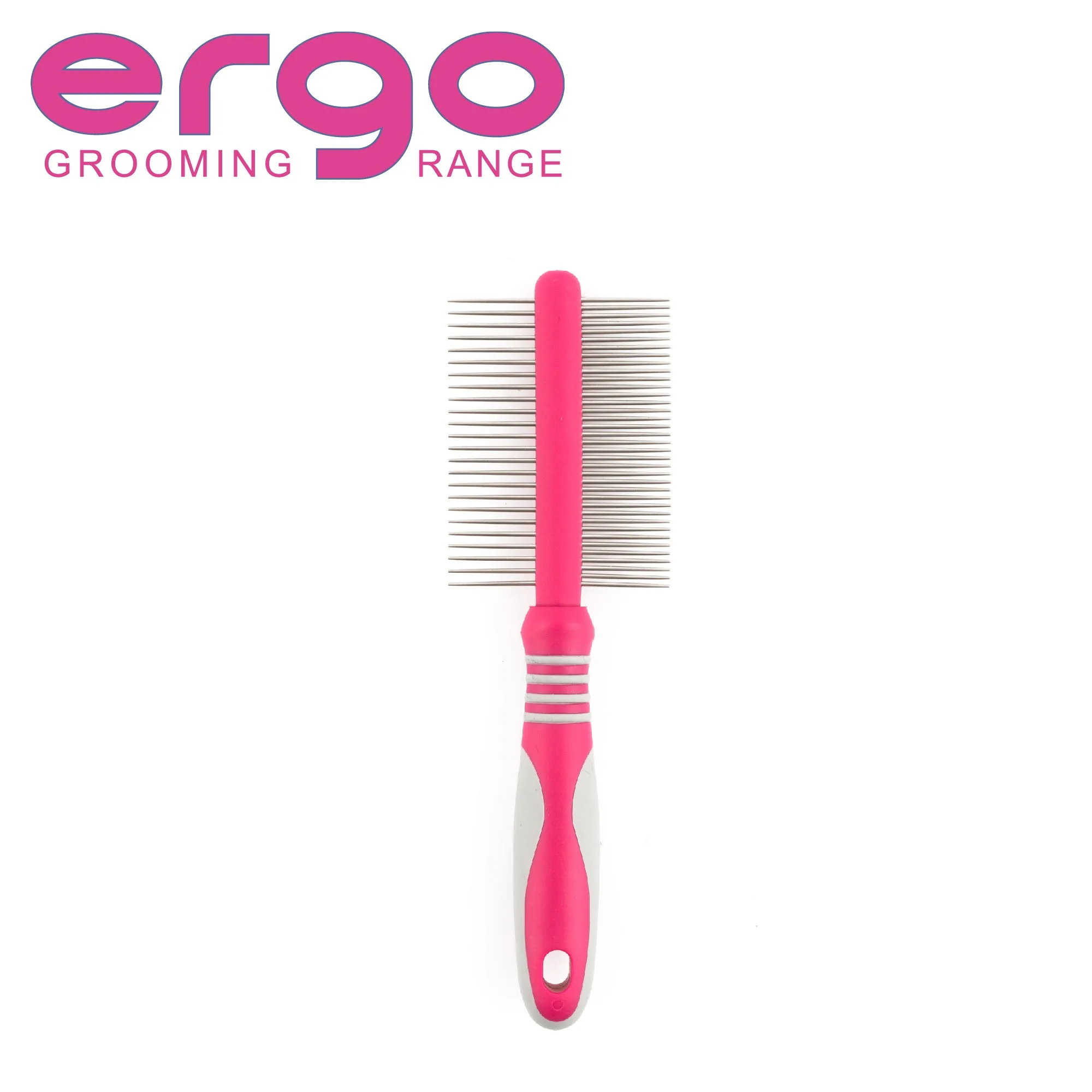
Different coat types and cat temperaments call for different grooming tools. A slicker brush with soft, bendy pins works well for removing loose fur and detangling longer coats, but it should be used gently, especially on young or sensitive cats. A soft brush is ideal for cats nervous about grooming, as its incredibly soft bristles smooth and neaten the coat without causing discomfort. A double-sided comb offers versatility, with wide teeth for detangling coarse or long hair and fine teeth for smoothing short coats or finishing after detangling.
Preparing Your Cat and Environment
Choose a calm, quiet time when your cat is relaxed. Have treats and praise ready. Start by gently petting your cat to help them associate the session with positive attention. Avoid forcing the process; if your cat becomes agitated, take a break and try later.
Step-by-Step Guide to Brushing Your Cat
- Step 1: Choose the Right Brush: Select a brush based on your cat's coat length and sensitivity. Use a slicker brush for long coats and detangling, a soft brush for nervous cats, or a double-sided comb for versatile grooming. Using the wrong brush can cause discomfort or fail to remove loose fur effectively.
- Step 2: Begin Gently: Start with short, gentle strokes in the direction of hair growth. Focus on one area at a time, such as the back or sides, avoiding sensitive areas like the belly and tail until your cat is comfortable. Rushing or brushing against the grain can pull the fur and make your cat dislike grooming.
- Step 3: Reward and Pause: After a few strokes, offer a treat and praise. If your cat shows signs of stress, stop and let them relax. Grooming sessions should be short—5 to 10 minutes—especially when starting out. Positive reinforcement builds a good association, making future grooming easier.
- Step 4: Finish and Clean Up: Once you've brushed all accessible areas, gently wipe away any loose fur from your cat's coat with your hand or a damp cloth. Clean the brush of collected hair to maintain its effectiveness. Regular brush cleaning prevents hair buildup and keeps the tool working well.
Product Facts
-
Ergo Cat Slicker Brush: The Ancol Ergo Slicker Brush has soft, bendy pins that glide through the coat to remove loose hairs from both the undercoat and topcoat. This makes it effective for reducing shedding and preventing mats, but you must use it gently to avoid irritating your cat's skin.
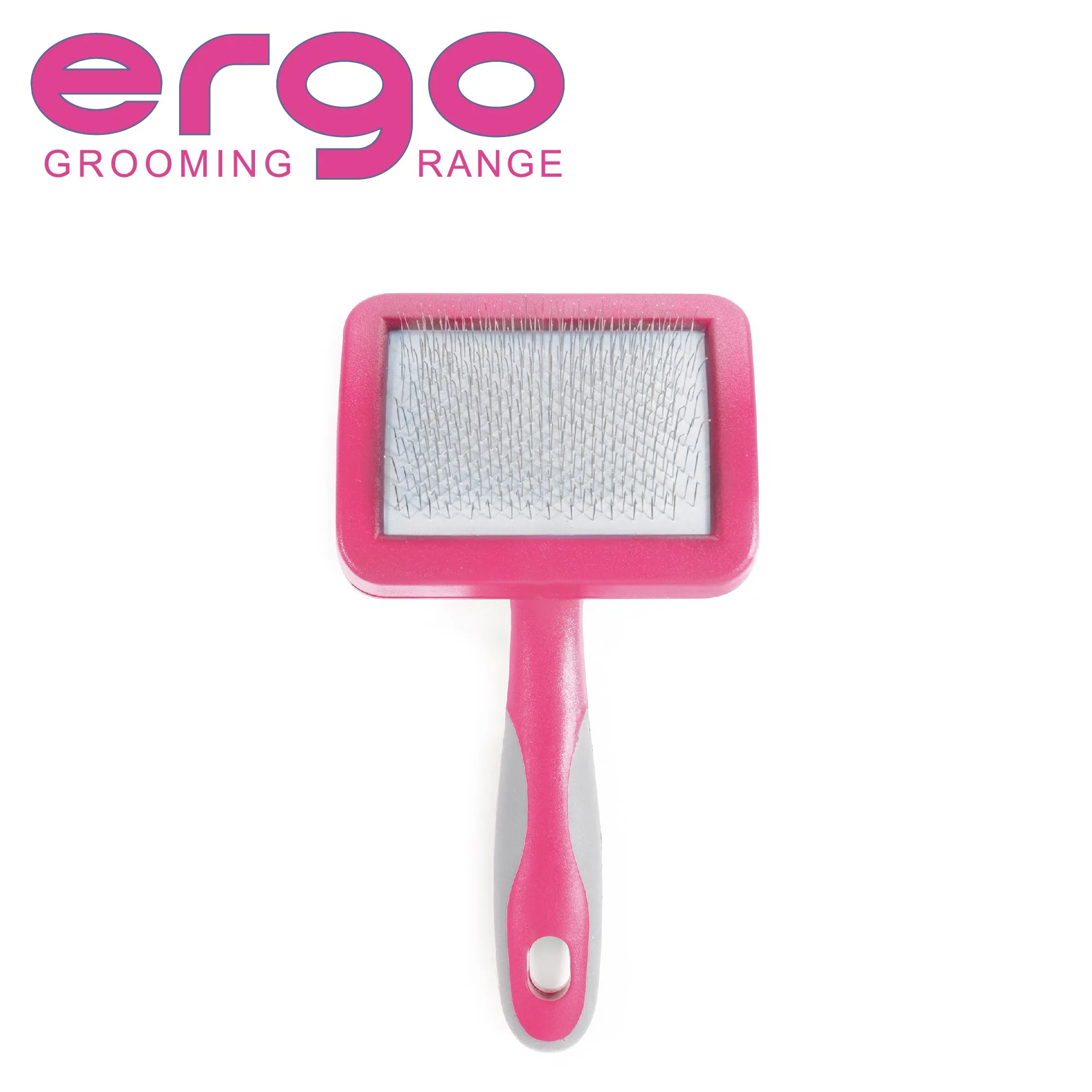
Ergo Cat Slicker Brush
-
Ergo Cat Soft Brush: The Ancol Ergo Soft Brush features incredibly soft bristles that smooth and neaten the coat, ideal for cats nervous about being groomed. It provides a gentle grooming experience, helping to build trust with shy or anxious cats while still removing loose hair.
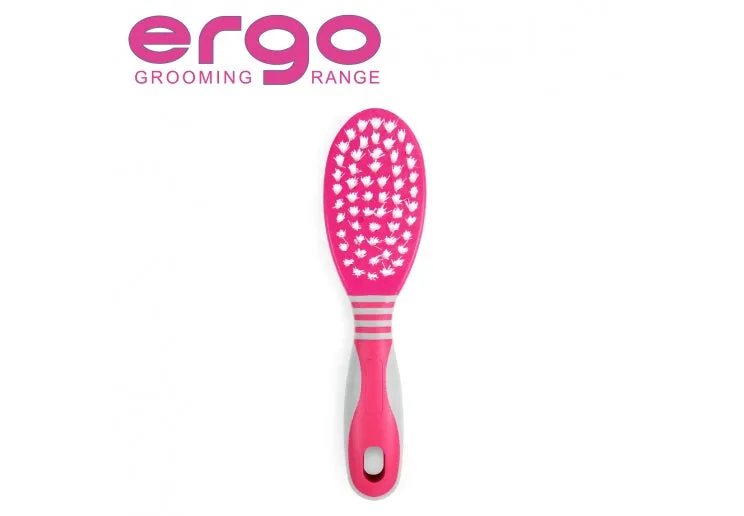
Ergo Cat Soft Brush
-
Ergo Cat Double Sided Comb: The Ancol Ergo Double Sided Comb has wide teeth for detangling coarse or long hair and fine teeth for smoothing short coats or finishing after detangling. This versatility lets you handle different coat types with one tool, reducing the need to switch between brushes.