Quick answer
Start with a two-bin toy rotation: keep one bin of 5-8 toys available and store the rest out of sight. Rotate bins every one to two weeks, or sooner if your child loses interest. The goal is not fewer toys forever; it is fewer toys at once so each one gets real play.
If your living room looks like a toy store exploded, a toy rotation system can help. Instead of buying more storage, you cycle a small set of toys in and out of reach so kids actually play with what they have.
This guide walks through a rotation you can set up in an afternoon and adjust as your family grows. It works for toddlers, preschoolers, and mixed-age siblings, and it pairs well with toy organization you already use.
Why a toy rotation system works
Children focus better when they can see fewer choices. A toy rotation system limits what is available at any one time, which makes it easier for kids to pick something and stick with it. It also cuts the cleanup load because there is less to put away.
The benefits go beyond tidiness. Rotating toys can make familiar items feel new again, which stretches your toy budget and reduces the urge to buy more. It also helps you notice which toys your child actually uses, so you can stop storing the ones they ignore.
- Fewer visible toys usually means deeper play, not less play.
- Rotation works best when you keep a simple, repeatable schedule.
Step 1: Sort toys into categories, not piles
Before you rotate anything, group toys by type: building toys, pretend play, puzzles, plush, vehicles, and so on. This makes it easier to build balanced bins later. If you have a mix of ages, keep a separate category for baby toys and teethers.
Common mistake: sorting by room instead of by type. If you sort by room, you end up with three half-bins of the same kind of toy and no clear way to rotate them.
- Use broad categories; you do not need a label for every single item.
- Set aside broken or outgrown toys as you go.
Step 2: Choose 5-8 toys for the active bin
The active bin is what your child can reach right now. Aim for 5-8 toys or one small set, like a building kit plus a few figures. Include at least one open-ended toy that can be used many ways, such as blocks or a building kit.
Common mistake: filling the active bin with only one type of toy. A bin of nothing but cars gets boring fast. Mix one building toy, one pretend toy, one puzzle or book, and one comfort item like a plush.
- If your child is under 3, keep small parts out of the active bin.
- For siblings, give each child their own active bin or shelf section.
Step 3: Store the rest out of sight
Toys that are not in rotation should be stored where kids cannot see them, such as a closet, garage, or opaque bins on a high shelf. Out of sight is what makes the rotation feel new when items come back.
Common mistake: leaving stored toys in clear bins at eye level. If kids can see them, they will ask for them, and the rotation loses its effect. Use lidded bins, a storage ottoman, or a closed cabinet.
- Label bins by category so you can swap quickly.
- Keep one small 'transition' bin for toys your child is not ready to give up yet.
Step 4: Set a rotation schedule you can keep
Most families rotate every one to two weeks. Pick a fixed day, like Sunday evening, so it becomes a habit. If your child is still engaged, leave the bin another week. If they are bored, rotate sooner.
Common mistake: rotating too often. Daily swaps create chaos and more cleanup. A predictable schedule is easier for kids to understand and for you to maintain.
- Tie rotation to a routine you already have, like laundry day.
- Let older kids help choose the next bin; it builds buy-in.
Step 5: Swap one bin at a time
When it is time to rotate, take out the active bin and bring in one stored bin. Do not dump everything out at once. A one-in, one-out swap keeps the system manageable and keeps the play area from overflowing.
Common mistake: rotating the entire toy collection at once. That turns a 10-minute task into an afternoon project and makes it harder to repeat next week.
- Wipe down toys before they go back into storage.
- If a toy has not been chosen in two rotations, consider donating it.
Step 6: Adjust for ages and seasons
A toy rotation for toddlers looks different from one for a 7-year-old. Toddlers need fewer, larger toys and more supervision. Older kids can handle more pieces and may want to rotate their own bins. Adjust the number of active toys as attention spans grow.
Seasonal swaps also help. Outdoor toys can live in the active bin in summer, while puzzles and building kits take the spotlight in winter. You are not changing the system, just the contents.
- Revisit the active bin size every few months.
- Keep a small basket of always-available favorites, like a comfort plush.
Your toy rotation setup checklist
- Sort by category: Group toys into building, pretend, puzzles, plush, and vehicles. Keep baby toys separate. Checkpoint: every toy has a category and a home.
- Build the active bin: Choose 5-8 toys with at least one open-ended item and one comfort item. Checkpoint: your child can see and reach everything in the bin.
- Store the rest out of sight: Use lidded bins or a closed cabinet so stored toys are not visible. Checkpoint: no clear bins at eye level.
- Pick a rotation day: Choose a weekly or biweekly day and put it on your calendar. Checkpoint: the schedule fits a routine you already have.
- Swap one bin at a time: Bring in one stored bin and put the active bin away. Checkpoint: the swap takes 10 minutes or less.
- Review and adjust: Every few months, check bin size, toy condition, and whether your child still uses each item. Next step: donate or store toys that have not been chosen in two rotations.
Toys that work well in a rotation
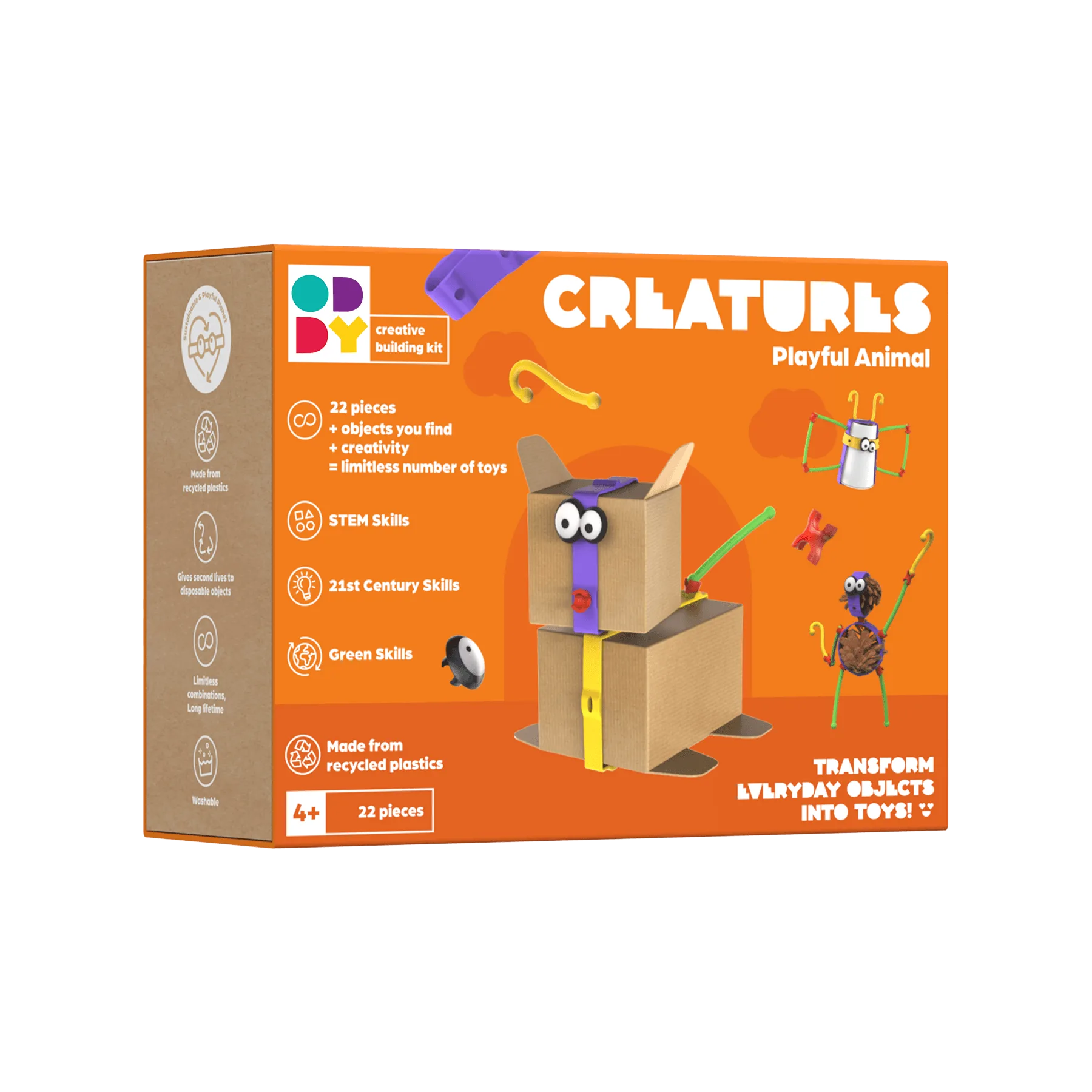
- Oddy Creatures Playful Animal Building Kit: This 22-piece kit lets kids transform everyday objects like boxes, cups, and pine cones into animal designs such as cats, monkeys, and butterflies. It is a strong active-bin choice because it is open-ended and uses household items, so it feels new each time you bring it out.
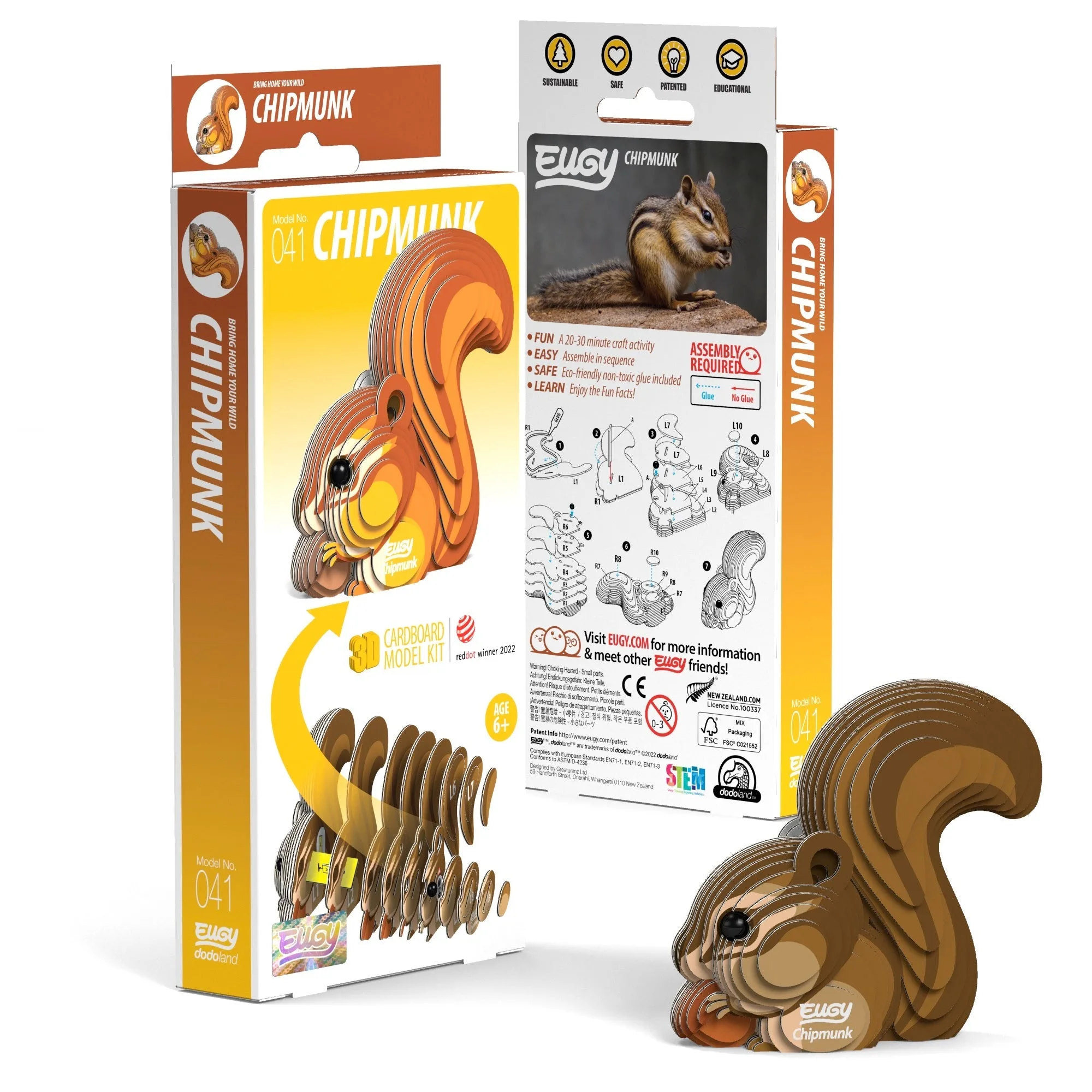
- EUGY Chipmunk 3D Puzzle: This eco-friendly 3D puzzle can be assembled in 10 to 20 minutes and is part of a collectible series with over 90 designs. Its short build time makes it a good rotation item for kids who like a project they can finish in one sitting.
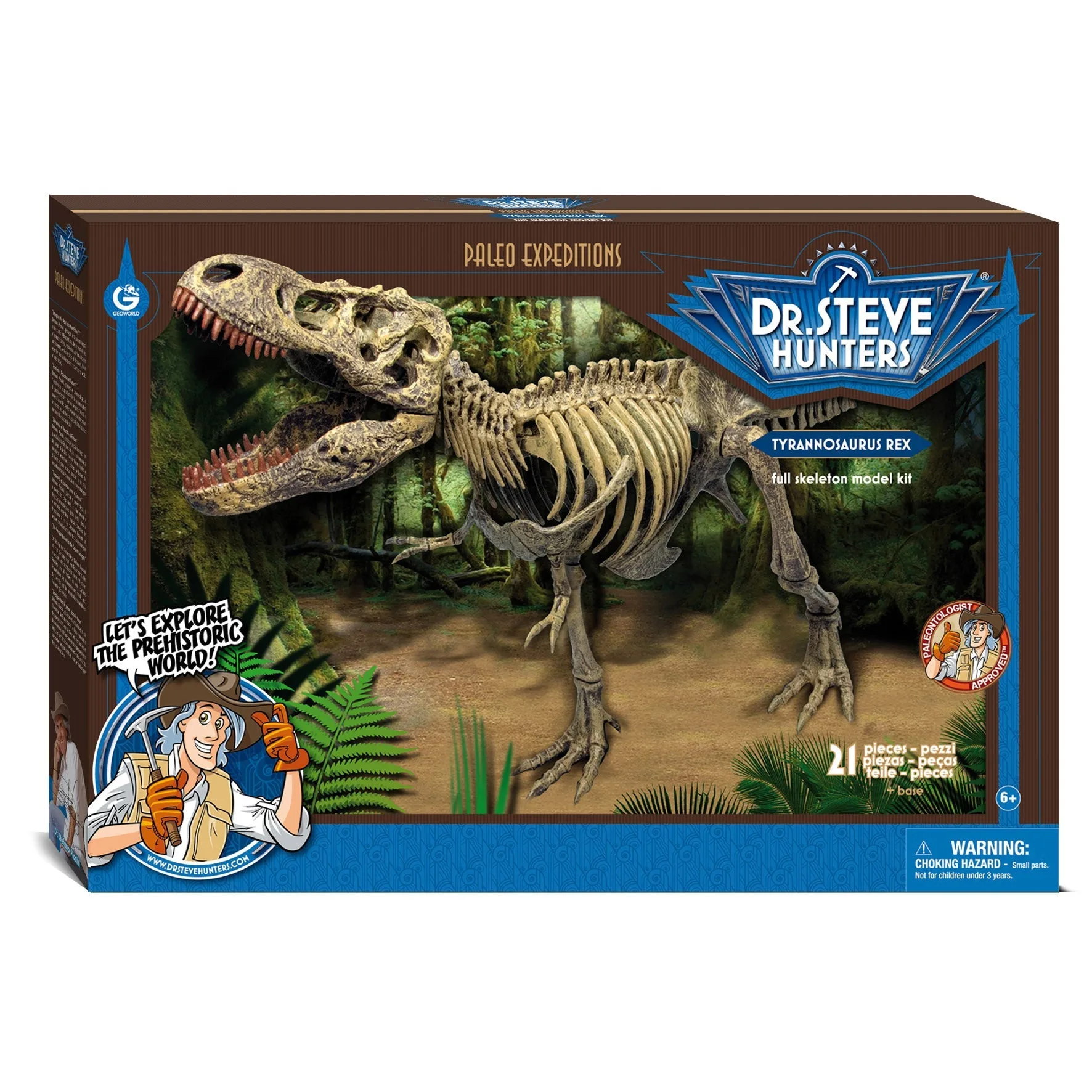
- Dr. Steve Hunters GEOWorld Paleo Expedition Tyrannosaurus Rex Replica: This kit includes 21 skeleton pieces plus a rocky base to build a 1:15 scale Tyrannosaurus Rex skeleton. It is a larger project better suited to an older child's active bin or a dedicated rotation slot rather than a mixed toddler bin.
- Kozy Koala 14" Plush: This 14-inch plush is made with GOTS certified organic cotton and filled with organic cotton and hypoallergenic corn fiber, with a built-in rattle. It works as a comfort item that stays in the active bin while other toys rotate around it.
A toy rotation system does not require new shelves or a bigger house. Start with one active bin and one storage bin, then adjust as you learn what your child actually plays with. The best rotation is the one you can keep running next month.