Accidents happen, even in the most controlled office environments. From paper cuts and minor burns to sprains from a trip over a loose cable, having a well-stocked first aid kit can make all the difference. But building one isn't just about grabbing a box of band-aids; it requires thoughtful consideration of your workplace's specific needs, potential hazards, and even legal requirements.
In this guide, we'll walk you through the essential steps to create a first aid kit for your office or workplace. We'll cover what to include, how to organize it, and how to ensure it meets OSHA guidelines. Whether you're a small business owner, an office manager, or a safety officer, this guide will help you build a kit that keeps your team safe and prepared.
Understand OSHA Requirements for Workplace First Aid Kits
The Occupational Safety and Health Administration (OSHA) sets guidelines for workplace first aid kits, but they don't specify a one-size-fits-all list. Instead, OSHA requires that employers provide medical and first aid supplies that are 'adequate' based on the specific hazards of the workplace. This means you need to assess your office environment to determine what supplies are necessary.
For most offices, a basic kit that includes bandages, antiseptics, and burn treatments will suffice. However, if your workplace has unique risks—like a kitchenette with hot surfaces or a warehouse with heavy machinery—you'll need to tailor your kit accordingly. OSHA also emphasizes the importance of having a trained first aid responder on site, so consider pairing your kit with proper training.
- Conduct a hazard assessment of your office to identify potential risks.
- Check local and state regulations, which may have additional requirements.
- Review OSHA's guidelines for medical services and first aid (29 CFR 1910.151).
Essential Supplies for an Office First Aid Kit
When building your office first aid kit, start with the basics. Adhesive bandages in various sizes, sterile gauze pads, medical tape, and antiseptic wipes are must-haves. You'll also want to include a digital thermometer, disposable gloves, and a CPR mask for emergency response. For minor burns, include a burn cream or gel, and for eye injuries, an eye wash solution is crucial.
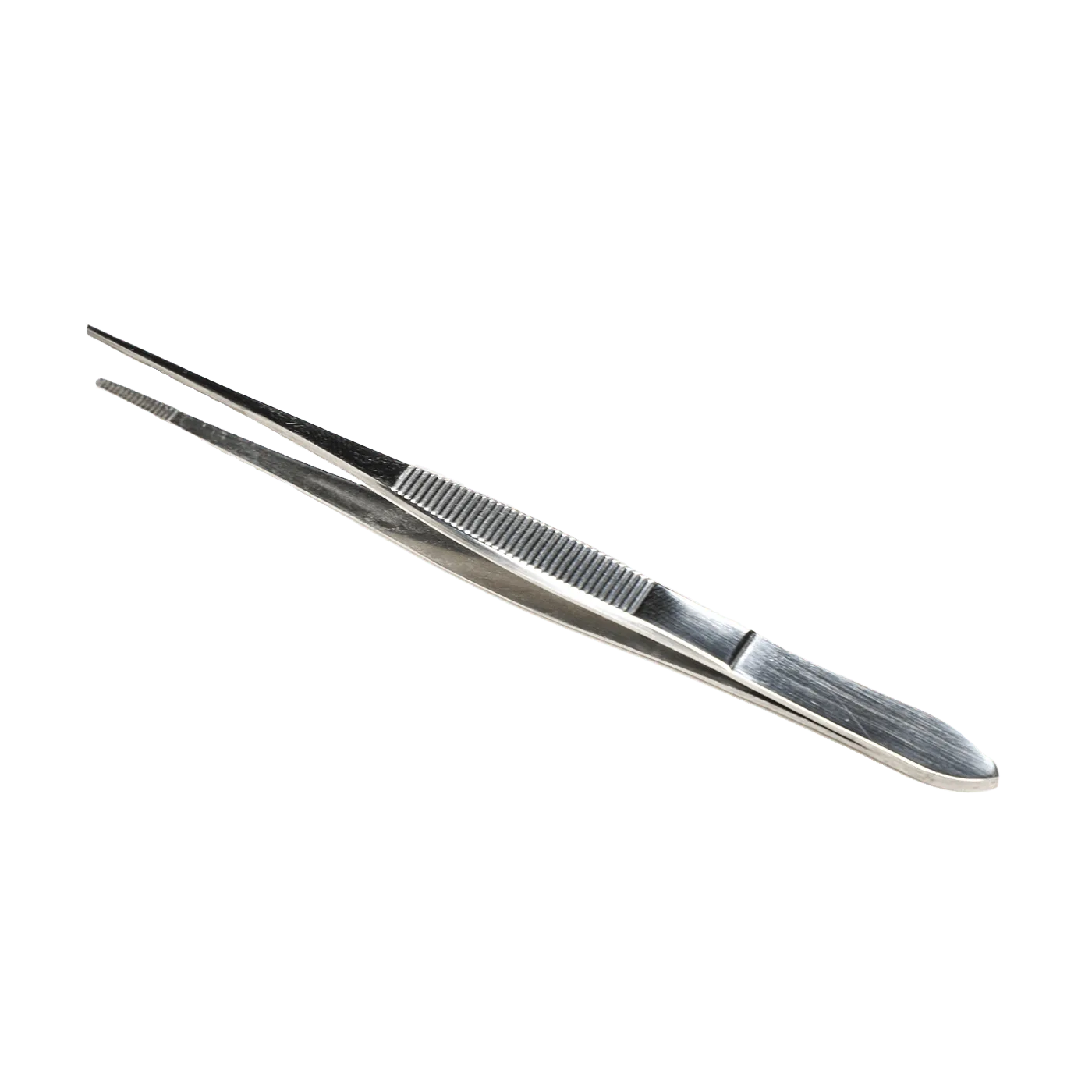
Don't forget about splinters and minor wounds. A pair of tweezers and a small pair of scissors are essential. For more advanced care, consider adding a Staple Removal Kit—it's a practical tool for removing staples from superficial wounds, which can happen in an office setting. Additionally, a Mini Wound Closure MOD can help close minor cuts quickly, reducing the risk of infection.
- Adhesive bandages (assorted sizes)
- Sterile gauze pads and medical tape
- Antiseptic wipes and antibiotic ointment
- Burn gel and eye wash solution
- Digital thermometer and disposable gloves
Customize Your Kit for Workplace-Specific Needs
Every workplace is different, so your first aid kit should reflect that. If your office has a kitchen, include supplies for burns and minor cuts. If you have employees who work outdoors or in remote areas, consider adding items like a Sunscreen 10 Pack to protect against sun exposure. For offices with a higher risk of sprains or fractures, a Mini Sprain and Fracture MOD is a valuable addition, providing splints and cold packs for immediate care.
Think about the size of your team and the layout of your office. A large office may need multiple kits placed in accessible locations, such as the break room, near the entrance, and in high-risk areas. For smaller offices, a single, well-stocked kit might suffice. Also, consider the storage conditions—ensure your kit is kept in a cool, dry place and is easily visible.
- Assess the physical layout and size of your office.
- Identify high-risk areas like kitchens, stairwells, or workshops.
- Include supplies for outdoor activities if your team works outside.
Organize and Maintain Your Office First Aid Kit
An organized first aid kit is useless if items are scattered or expired. Use clear, labeled pouches or compartments to separate categories like wound care, medications, and tools. This makes it easier for anyone to find what they need quickly during an emergency. Regularly check expiration dates on medications, ointments, and sterile supplies, and replace them as needed.
Assign a responsible person to conduct monthly inspections. This person should ensure that all items are in good condition, that the kit is fully stocked, and that any used items are replenished. Keep a checklist inside the kit to track inventory and restock quickly after use. Remember, a well-maintained kit is a reliable kit.
- Use labeled pouches or organizers to separate supplies.
- Conduct monthly inspections and replace expired items.
- Keep a restock checklist inside the kit.
Training and Accessibility: Keys to Effective First Aid
Having a first aid kit is only half the battle; knowing how to use it is just as important. Encourage employees to undergo basic first aid and CPR training. This not only boosts confidence but also ensures that your kit is used effectively in an emergency. Additionally, make sure the kit is easily accessible to all employees—store it in a central location and ensure it's not locked away.
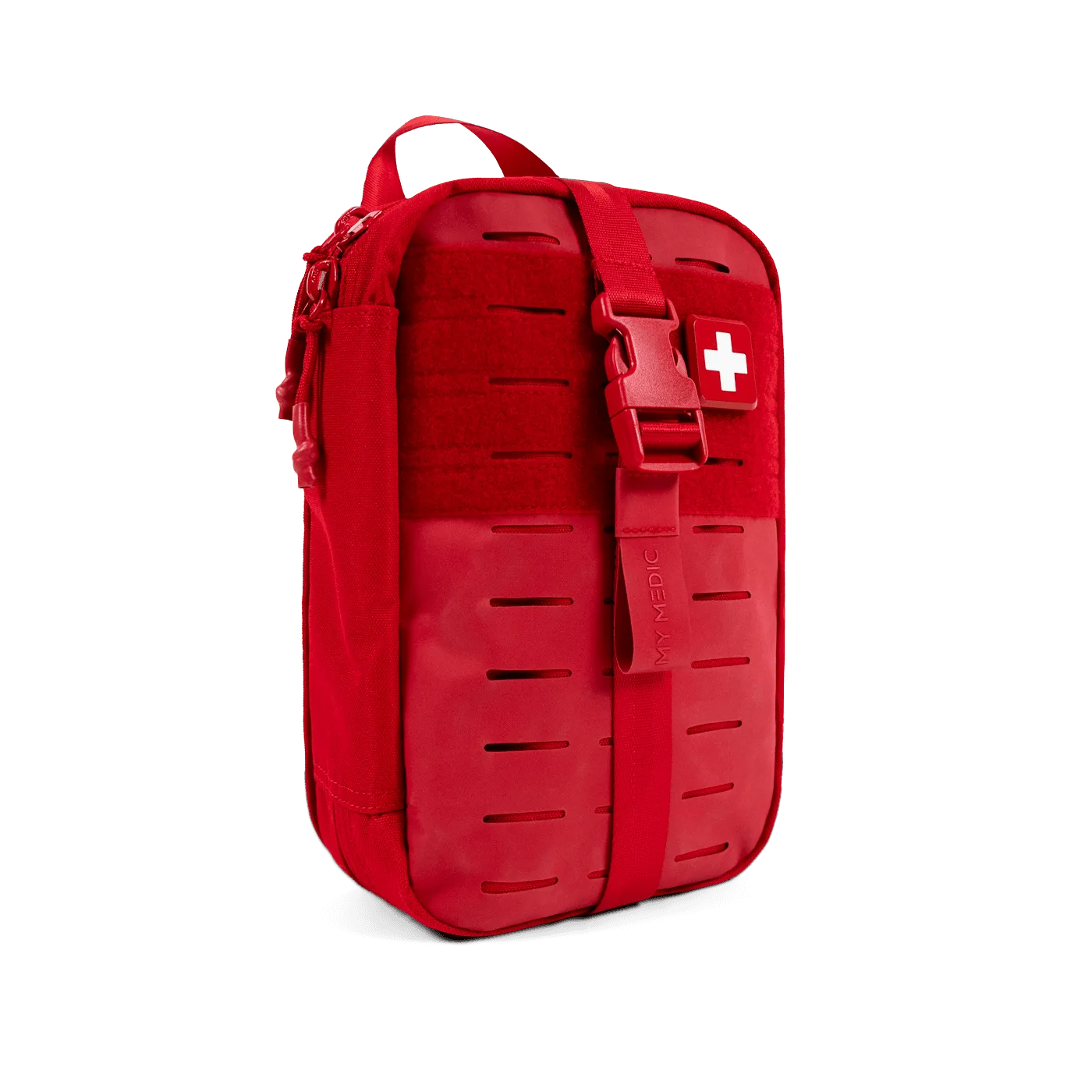
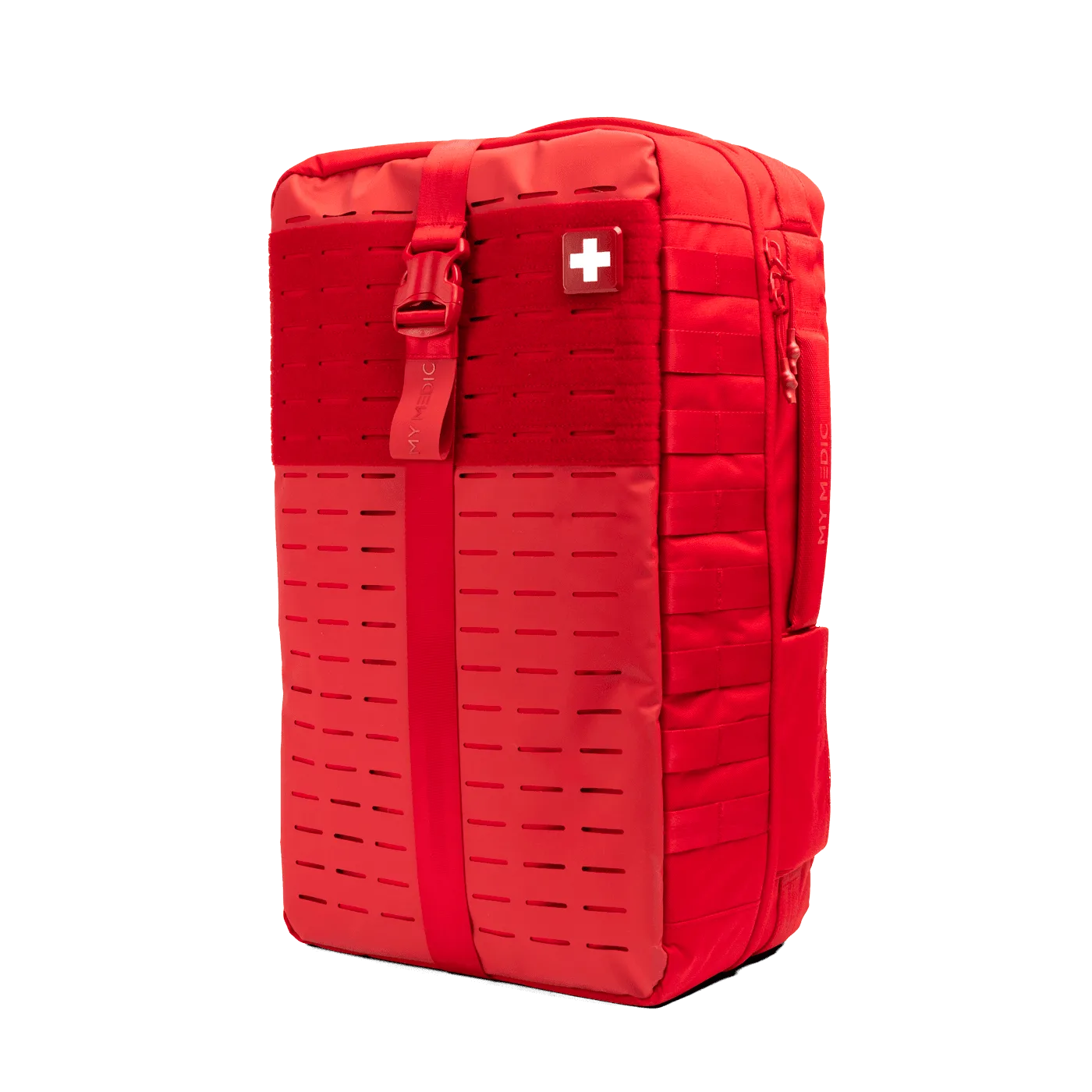
Consider adding a secondary kit for off-site events or field trips. A compact option like the TFAKTM | Bag Only can be customized to fit your needs and easily carried to any location. Training your team on how to use the specific tools in your kit, such as the Oral Airway Kit, can be a lifesaver in critical situations.
- Offer first aid and CPR training to all employees.
- Place kits in central, accessible locations.
- Consider portable kits for off-site activities.
Building a first aid kit for your office or workplace is a proactive step toward ensuring the safety and well-being of your team. By understanding OSHA requirements, including essential supplies, customizing for your specific needs, and maintaining organization, you can create a kit that's ready for any situation. For high-quality components to start your kit, explore the Prevention First Aid Kit—it's a solid foundation that you can customize to fit your workplace perfectly.