Quick answer
Build your kit in two layers: a core emergency layer (carrier, vet contact card, towels, gloves, saline, syringes, critical-care food, and a thermometer) and a recovery layer for ongoing support (a dial-a-dose nutrition paste, a de-shedding comb, safe chew items, and absorbent litter). Buy the recovery layer only after your vet confirms a diagnosis and feeding plan, because a sick small pet needs targeted care, not a shelf of guesswork.
What belongs in a core emergency layer
A small pet can go downhill fast, so the emergency layer is about buying time and reducing stress, not treating the problem. Keep everything in one lidded bin near the carrier so you are not searching at 2 a.m. Include a hard-sided carrier with a towel over it, nitrile gloves, a digital thermometer with a small-animal probe cover, sterile saline, 1 ml and 5 ml syringes, a feeding syringe, styptic powder, and a written card with your exotics vet's address, phone number, and after-hours line. Add a small notebook to log weight, appetite, stool output, and medication times. Weight is one of the most useful data points you can bring to a vet visit.
- Hard carrier, towel, and a familiar scent item to reduce transport stress
- Vet contact card, including an after-hours exotics line
- Saline, syringes, thermometer, gloves, and styptic powder
- A log sheet for weight, appetite, stool, and medication
How to choose recovery nutrition without guessing
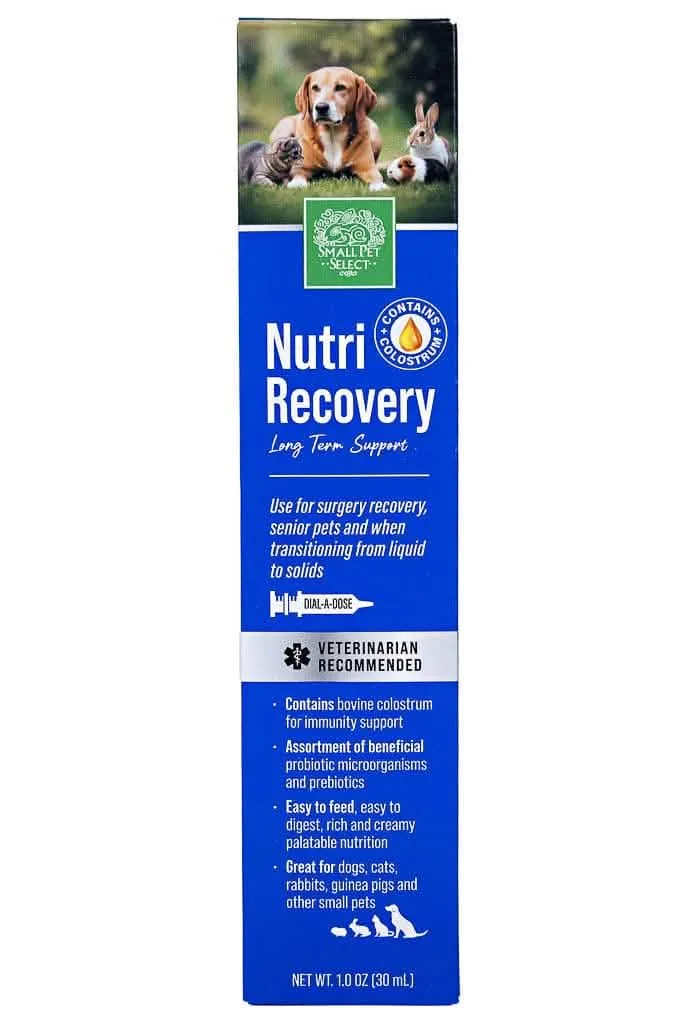
Recovery nutrition is the part of the kit most often bought in a panic and used incorrectly. Herbivores such as rabbits and guinea pigs need a formula designed for their digestive system, and the delivery format matters as much as the ingredients. A paste in a dial-a-dose syringe is easier to administer accurately than a powder you have to mix under stress, and a palatable formula may be taken willingly, which reduces handling stress on an animal that is already unwell. Ask your vet for a target volume and feeding frequency before you open the tube, and never push food into an animal that cannot swallow or is having trouble breathing.
Grooming and dental items that prevent repeat problems
Two items earn a permanent place in the recovery layer because they address common causes of small pet decline: fur ingestion and overgrown teeth. A de-shedding comb with rounded tips and a fur-catching band lets you remove loose coat during shedding season, which matters most for rabbits and guinea pigs that groom themselves constantly. Safe chew items made from natural fibers give an outlet for gnawing that helps wear teeth between vet checks. These are maintenance tools, not treatments, so if you see drooling, dropped food, or weight loss, book a dental exam rather than adding more chews.
Bedding and habitat changes during recovery
A recovering small pet needs a smaller, warmer, quieter space where you can monitor output. Absorbent pelleted litter makes it easier to see urine and stool changes and to keep the recovery area dry. If your pet is on medication or has a wound, choose a bedding you can spot-clean quickly and replace fully without a long disruption. Keep the hospital cage simple: low-sided, easy to reach food and water, a hide, and a soft resting area. Remove ramps and high shelves until your vet clears your pet for normal activity.
Decision rules for what to buy and when
- Buy the core emergency layer now: If you do not yet own a carrier, thermometer, syringes, saline, and a vet contact card, buy these first. They are useful for every small pet regardless of species or health status. Checkpoint: you can locate and pack the carrier and vet card in under two minutes.
- Add recovery nutrition only with a vet plan: If your vet has confirmed a diagnosis and given you a target volume and feeding schedule, add a herbivore recovery paste such as Nutri-Recovery. If you have no plan yet, call the vet before buying. Checkpoint: you know the target milliliters per feeding and how many feedings per day.
- Match grooming tools to shedding and coat type: If your rabbit or guinea pig sheds heavily or has a dense coat, a de-shedding comb with rounded tips and a fur-catching band earns its place. If your pet has a skin wound or mites, skip combing until the vet clears it. Checkpoint: combing removes loose fur without scratching or reddening the skin.
- Choose bedding you can monitor: If you need to track urine and stool output, choose an absorbent pelleted litter you can spot-clean. If your pet has a respiratory issue, ask your vet whether a low-dust option is needed before switching. Checkpoint: you can see and count stool output without digging through loose bedding.
Products that fit a recovery kit
- Nutri-Recovery (long term support for recovering animals): Nutri-Recovery is a rapid-response nutrition paste formulated for herbivores, supplied in an easy dial-a-dose syringe with a paste consistency that is easier to syringe-feed and palatable enough that many animals eat it willingly. The dial-a-dose syringe and paste texture reduce measuring errors and handling stress during a period when accurate intake matters most.
- HairBuster Comb: The HairBuster Comb has smooth rounded tips to keep skin safe and a special fur-catching band to help de-fur even heavy shedders. Regular de-shedding reduces the amount of loose fur a rabbit or guinea pig ingests while grooming, which is a common trigger for digestive slowdown.
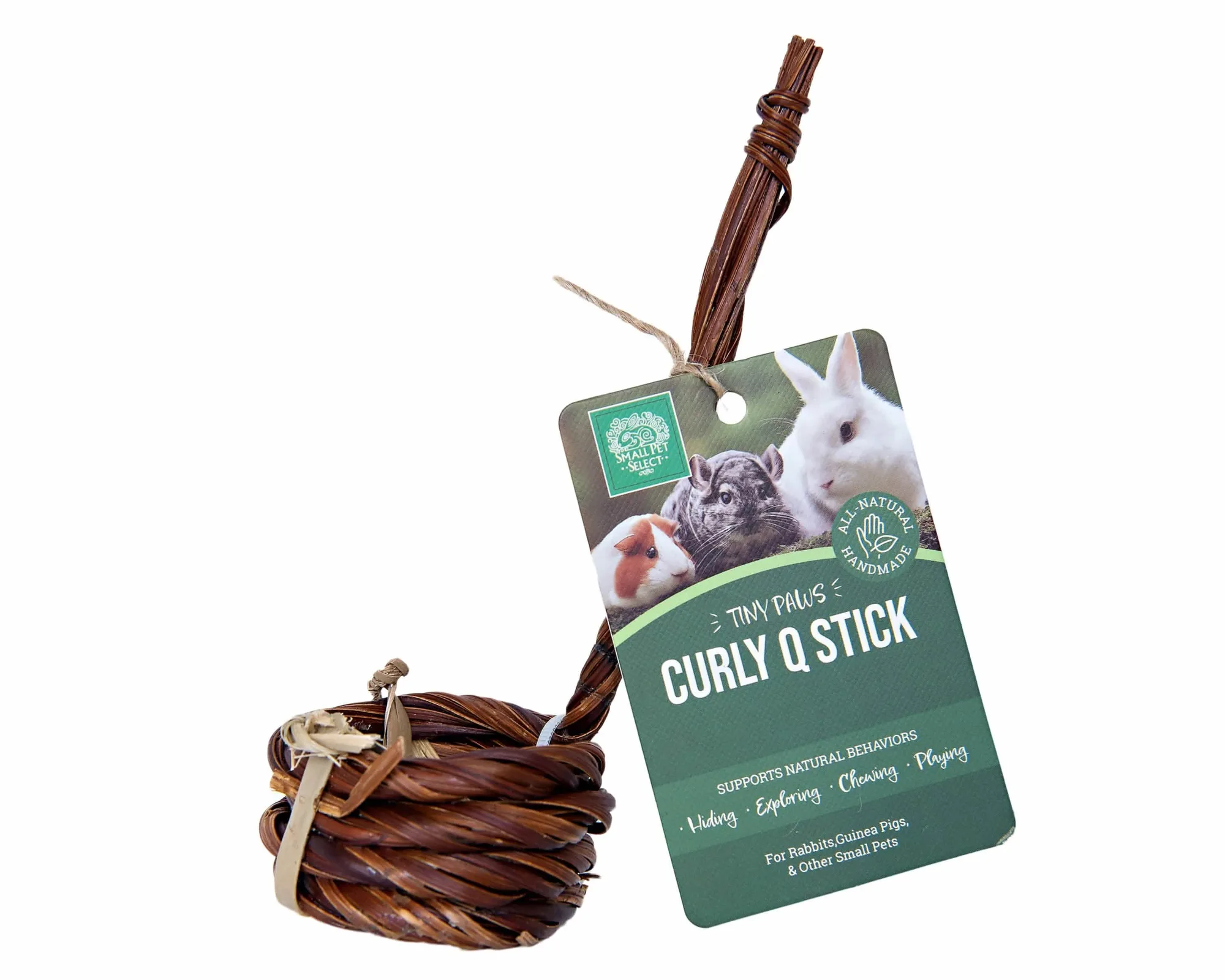
- Rye Twists: Rye Twists are handcrafted from all-natural rye and are designed for rabbits, guinea pigs, chinchillas, and other small pets, with durable yet gentle fibers that help naturally wear down teeth. A safe chew option gives a recovering pet a low-stress activity and supports routine dental wear between veterinary checks.
- Hemp Pelleted Small Pet Litter: Hemp Pelleted Small Pet Litter is made from 100% all-natural hemp fibers and is free of pesticides. Absorbent pelleted litter keeps a recovery cage dry and makes it easier to monitor urine and stool changes.
Who this kit approach fits
Best for
- Rabbit and guinea pig owners who want a prepared kit before an emergency
- Owners caring for a pet recovering from surgery, dental work, or GI slowdown under vet guidance
- Households with multiple small pets that share grooming and habitat supplies
Not for
- Owners looking for a substitute for veterinary diagnosis or prescription treatment
- Pets with active breathing difficulty, uncontrolled bleeding, or suspected bloat, which need immediate vet care rather than home supplies
- Species with very different dietary needs, such as ferrets or rats, unless your vet confirms the product is appropriate