Quick answer
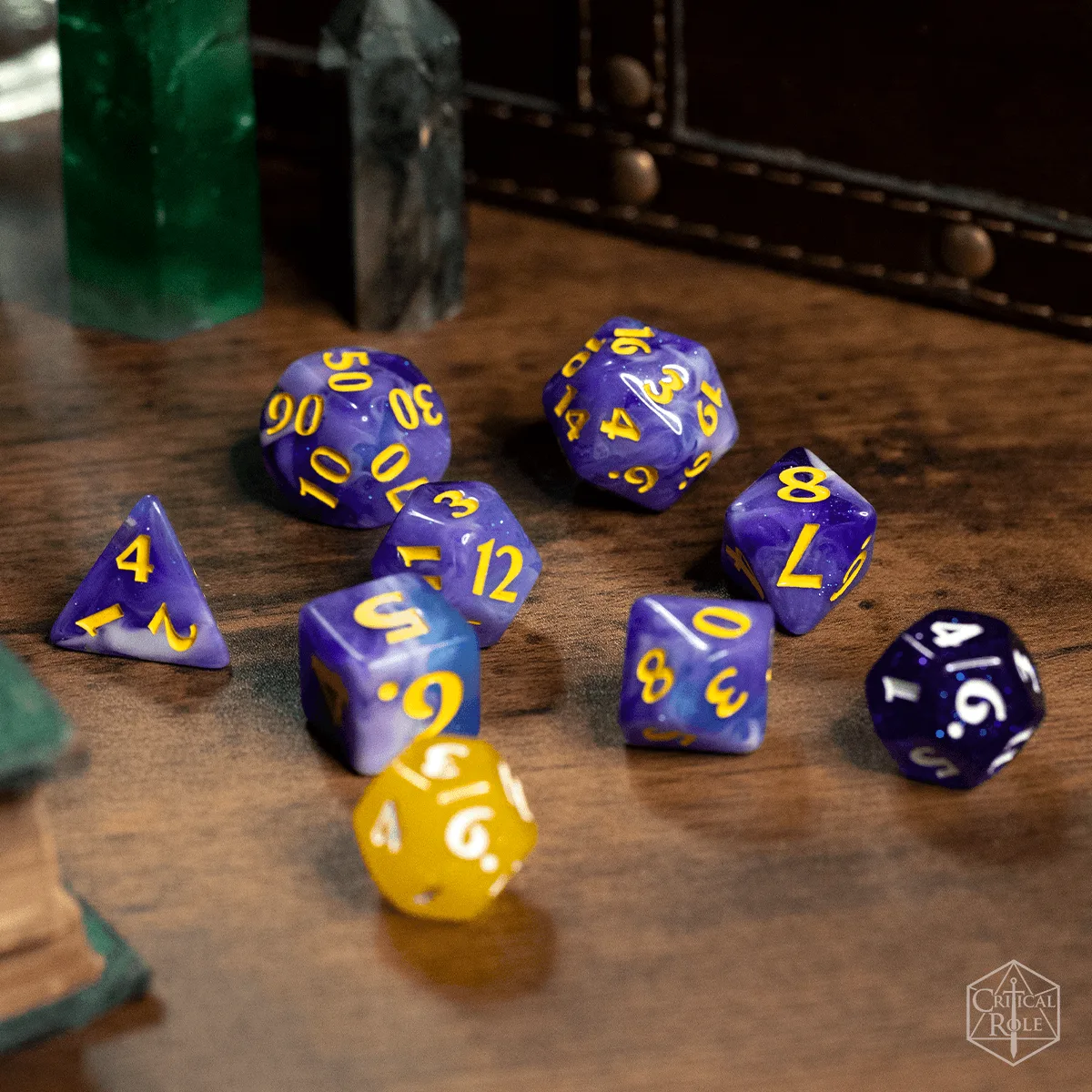
Start with the D20 you already love, then match every other die to its material, finish, and size. Prioritize the D20's color and number style, and accept that exact matches are rare—so aim for a cohesive theme rather than a perfect clone. A matching dice set built this way feels intentional and plays consistently.
You have one D20 that rolls well and looks even better. Maybe it was a gift, a convention find, or a single you bought to test a material. Now you want the rest of the polyhedral set to match it, without buying a whole new set that ignores your favorite die.
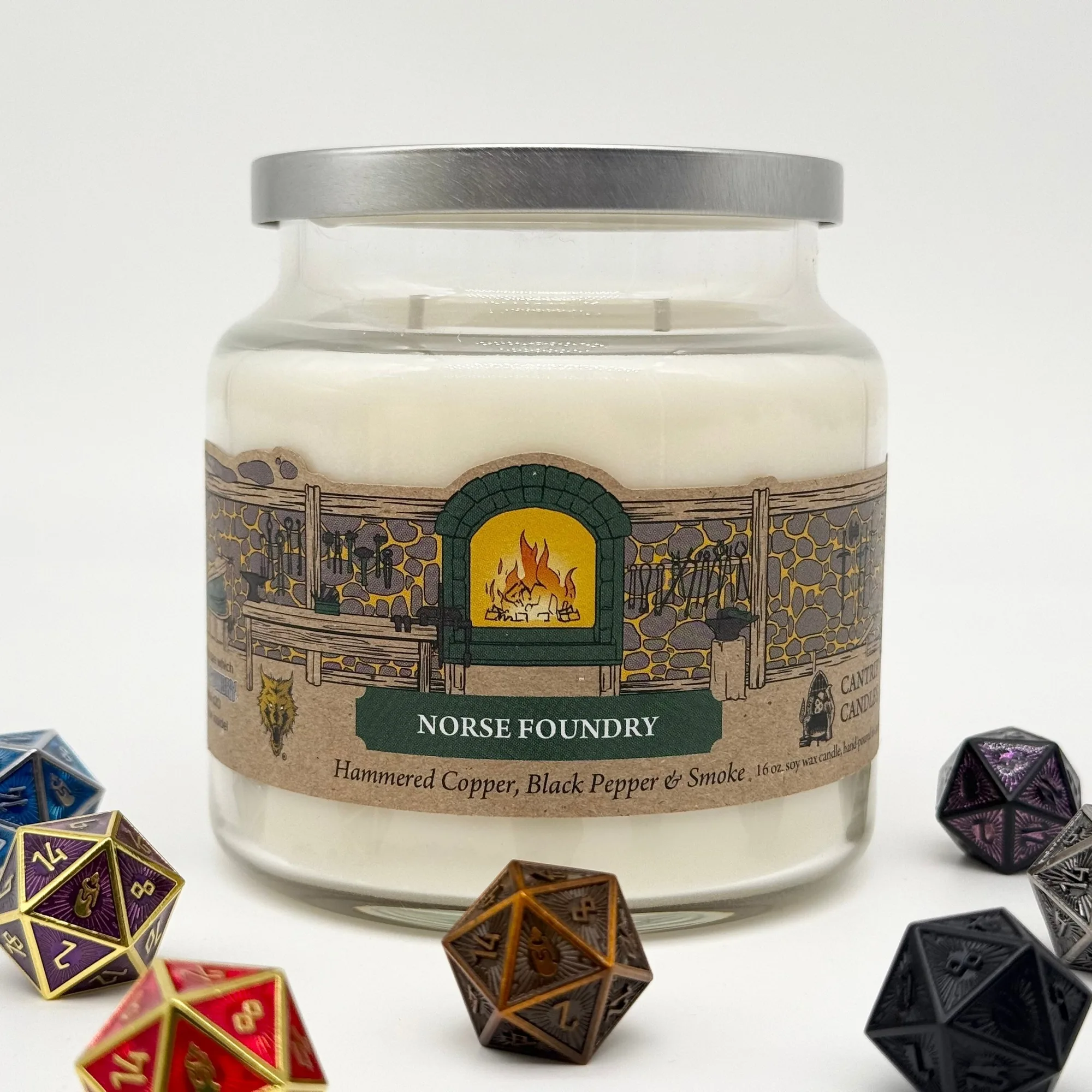
Building a matching dice set around a single D20 is part curation, part compromise. This guide walks through a repeatable process: identify the hero die's key traits, choose complementary dice, and assemble a set that works at the table. We'll use real examples from Norse Foundry to show how material and finish decisions play out.
Norse Foundry
Step 1: Identify what makes your D20 unique
Before you buy anything, note the D20's material, finish, size, and number style. Is it aircraft-grade aluminum with an anodized color and contrasting number fill? Is it optic fiberglass with a cat's eye effect? Or is it natural stone like Imperial Jasper with brass inlays? These traits determine which other dice can plausibly match.
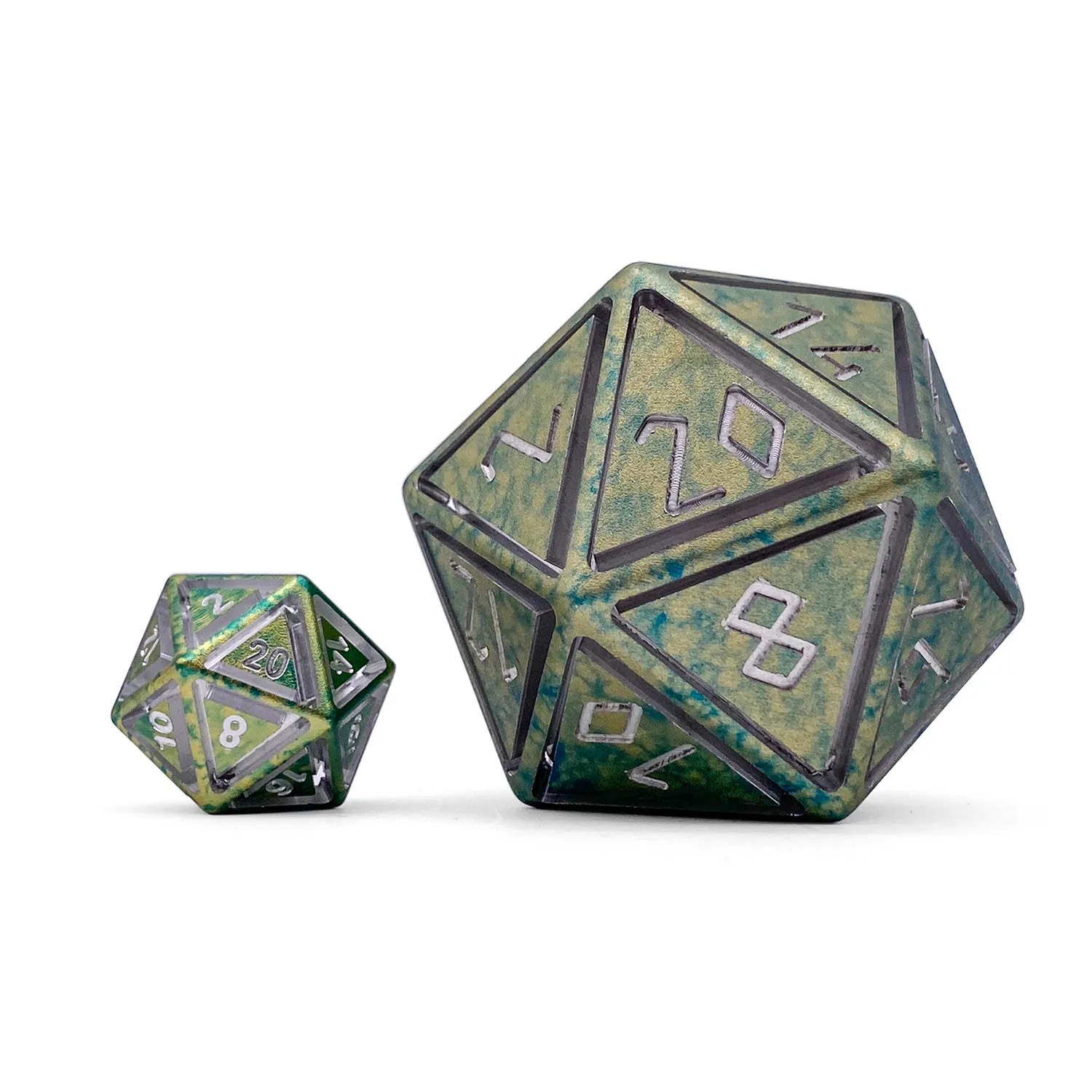
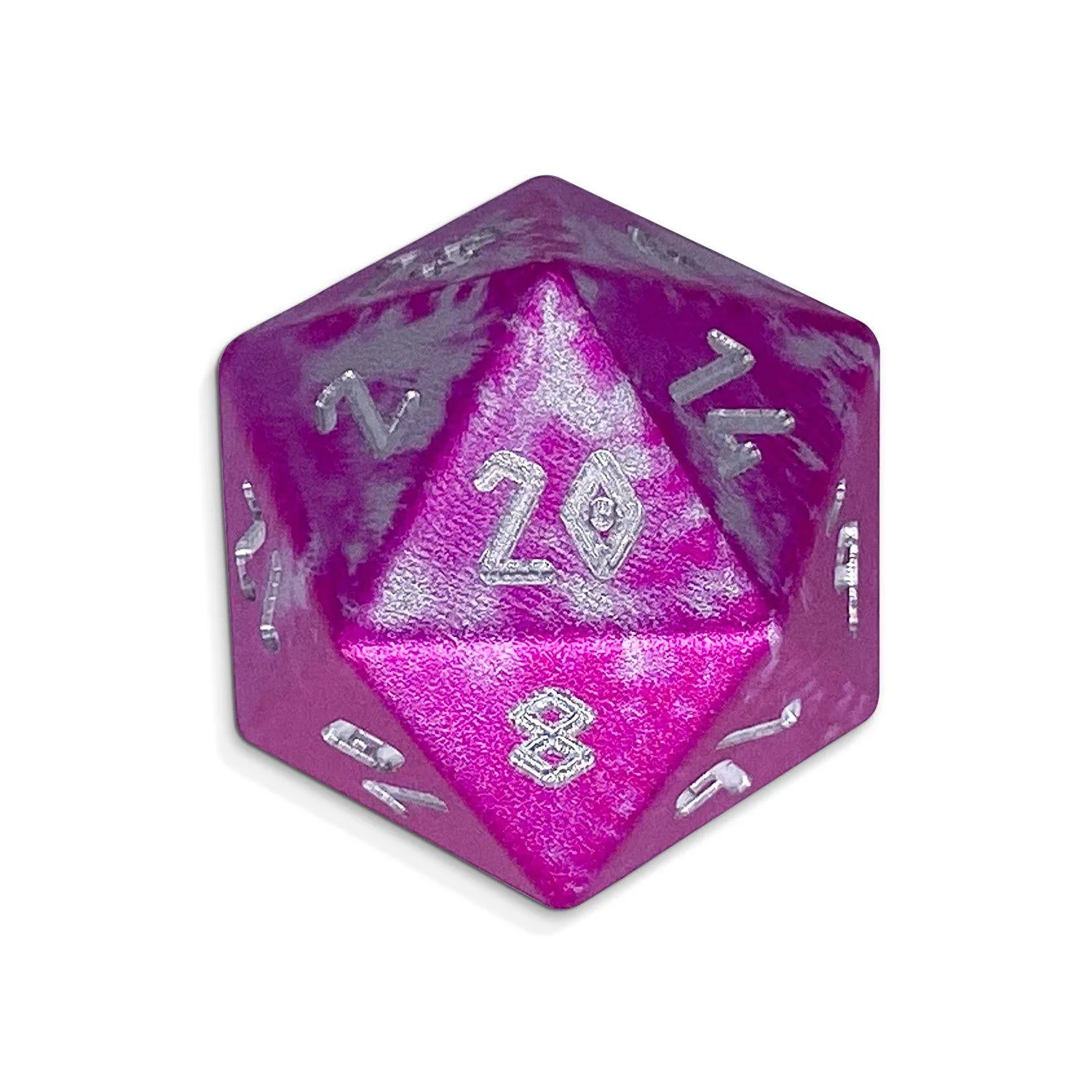
Write down the die's diameter if you can measure it. Standard RPG dice are about 20mm, but some metal D20s run slightly larger or heavier. If your hero die is a single Wondrous Dice D20 in Demon's Blood, it's approximately 20mm and made of 6063 aircraft grade aluminum. That tells you to look for other 6063 aluminum dice with a similar anodized red finish.
- Checkpoint: If you can't identify the material, compare weight and sound—metal clicks, glass rings, stone thuds.
- Common mistake: Assuming all reds match. Anodized red, painted red, and translucent red read very differently under table light.
Step 2: Choose a matching strategy: clone, complement, or contrast
A clone strategy means finding the same product line in other polyhedrals. This gives the closest match but depends on availability. A complement strategy uses the same material but a different color from the same family—like adding a blue anodized D6 to a red anodized D20. A contrast strategy pairs the hero die with a deliberately different but harmonious set, such as a gemstone D20 with glass or metal companions.
For most players, complement works best. It's easier to source, and the set still looks unified because the material and finish are consistent. If you want a truly custom dice set, consider ordering singles from the same line as your D20. For example, if your hero is a Wondrous Dice D20, you can look for other Wondrous Dice polyhedrals in the same metal.
- Checkpoint: Lay out your hero die next to candidate dice under the lighting you actually play in.
- Common mistake: Buying a full set online without seeing the hero die in person—colors shift between screens.
Step 3: Match material and finish first, color second
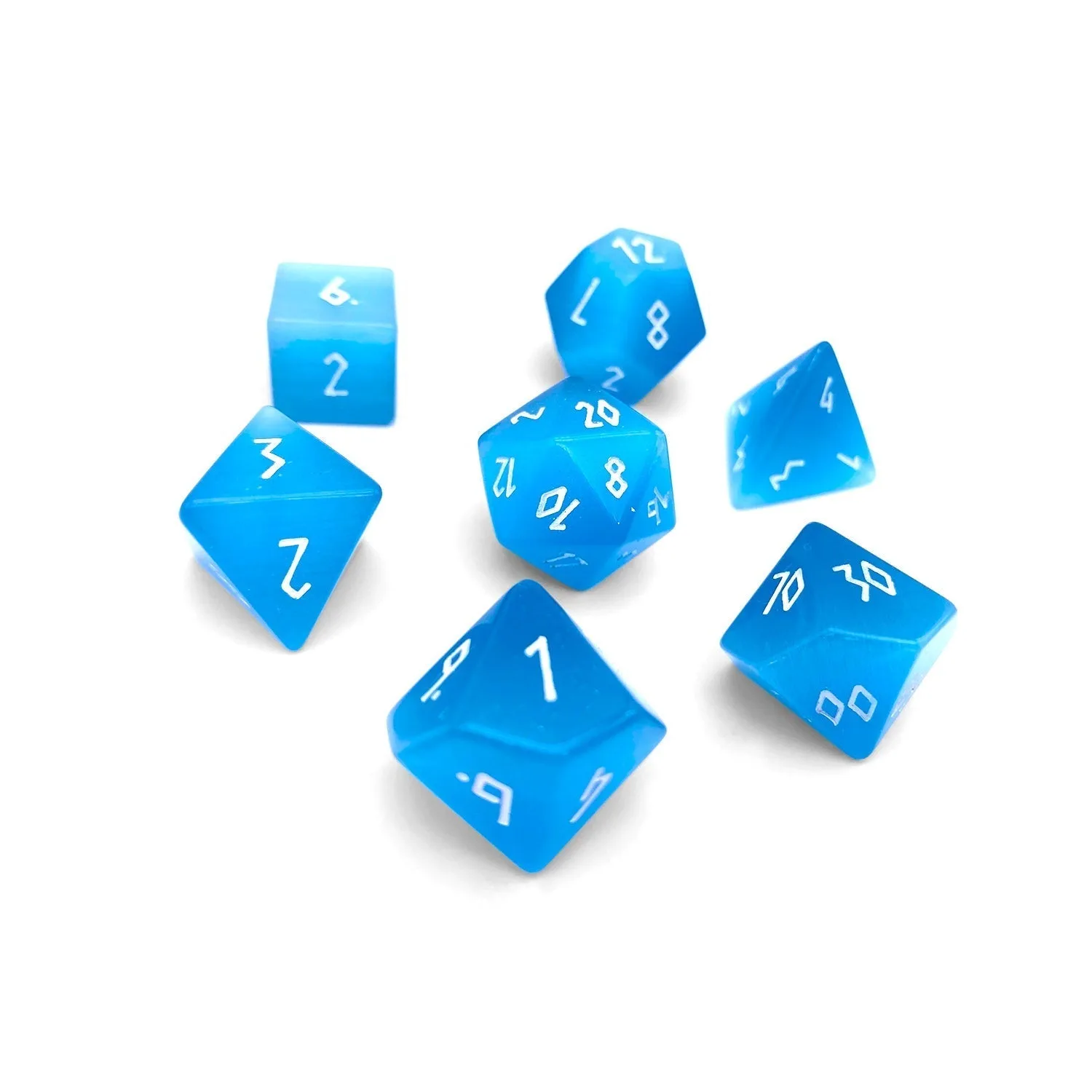
Material and finish affect how dice feel and age. Metal dice like the Single Wondrous Dice D20 in Demon's Blood are durable and have a satisfying weight, but they can dent tables—so a dice tray becomes part of the set. Glass dice such as the Pink Cats Eye 7 Piece RPG Set are made from optic fiberglass and have a smooth, cool feel with a cat's eye shimmer. TruStone dice like the Olivine Orange Imperial Jasper set are natural crystal with brass inlays, so each die is unique.
Color is the easiest trait to match, but it's also the most variable. Anodized aluminum can vary slightly between batches. Natural stone will never match exactly because of its origin. If you accept that, you can build a set that feels cohesive without being identical. The key is to keep the finish consistent: matte with matte, polished with polished, and number fill in a similar tone.
- Checkpoint: If your D20 is metal, choose metal for the rest. If it's glass, stay glass or gemstone.
- Common mistake: Mixing metal and plastic in the same set—the weight difference is noticeable when you roll.
Step 4: Fill the gaps with complementary pieces
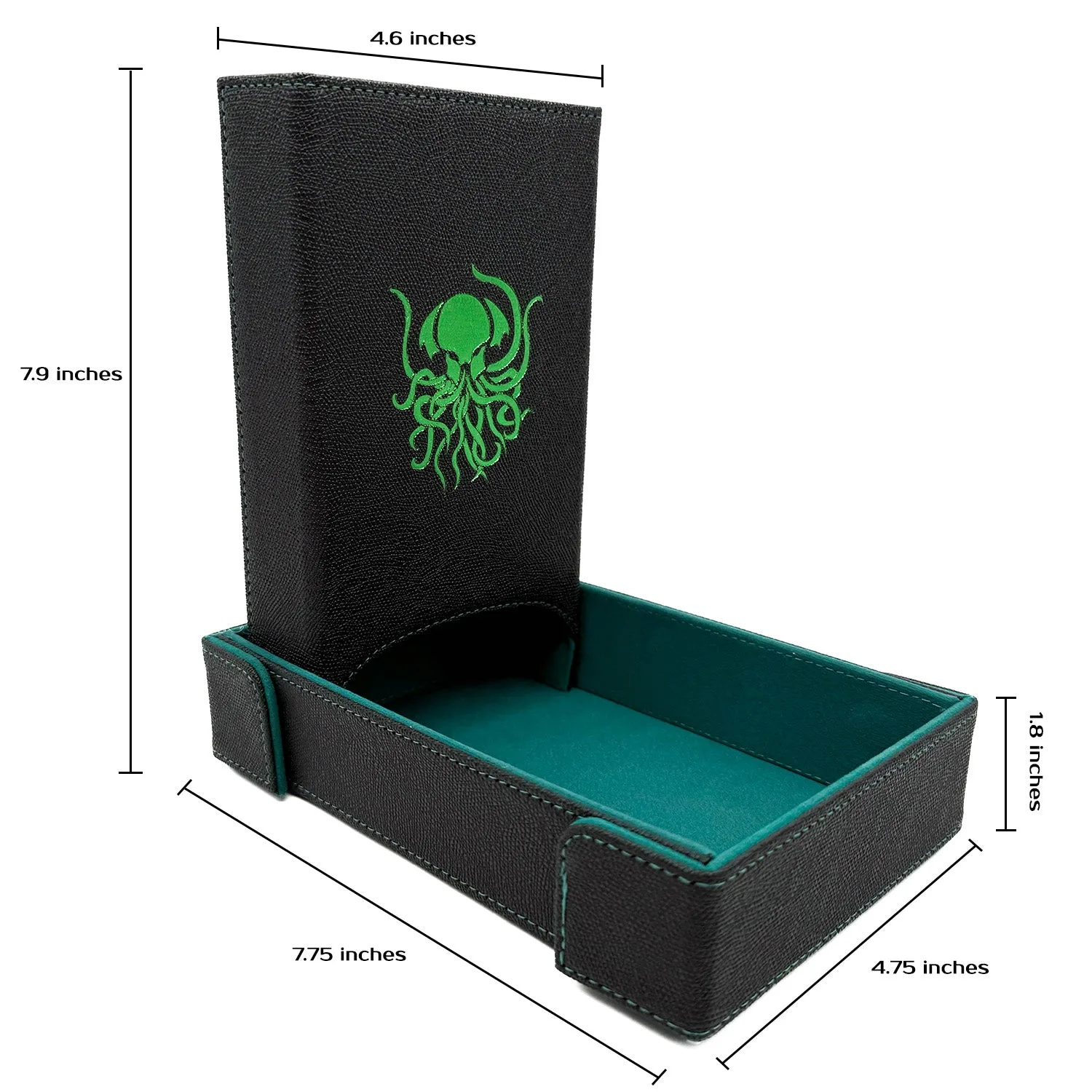
Once you have the main polyhedrals, add accessories that reinforce the theme. A dice tray protects the table from heavy metal dice and keeps rolls contained. A leather dice bag or hex chest can store the set and make it feel like a collection. If your hero die is a single D20, you might also consider a second D20 in a different color for advantage rolls—many players like having two D20s that match but are distinguishable.
For a custom dice set, you can also add a countdown D20 or a class coin that fits the color scheme. These extras aren't required, but they make the set feel intentional. Just avoid overloading the set with too many pieces—focus on the seven standard polyhedrals first, then expand.
- Checkpoint: Test the full set in a dice tray to make sure all dice fit and roll freely.
- Common mistake: Buying accessories before the core set is complete, which can lead to mismatched colors later.
Step 5: Test, adjust, and commit
Roll the set for a few sessions. Pay attention to how the dice feel in hand and how they look under different lighting. If one die feels off—too light, too heavy, or a clashing color—replace it. It's better to swap one die than to abandon the whole set. If you're building around a single D20, you might find that the D20 remains the star and the other dice support it.
Once you're happy, store the set together. A dedicated dice bag or case prevents scratches and keeps the set ready for game night. If you used metal dice, check for any signs of wear on the edges and consider a softer rolling surface. With proper care, a matching dice set can last for years.
- Checkpoint: After three sessions, if you still love the set, it's a keeper.
- Common mistake: Continuing to buy random singles that don't fit the theme—stay disciplined.
Your step-by-step matching process
- Audit your hero D20: Record material, finish, size, and number style. If it's a Single Wondrous Dice D20 in Demon's Blood, note it's 6063 aircraft grade aluminum and about 20mm. Checkpoint: You should be able to describe your D20 in one sentence.
- Pick a matching strategy: Decide between clone (same line), complement (same material, different color), or contrast (deliberately different but harmonious). Checkpoint: Complement is the most practical for most players.
- Source the core seven: Buy the D4, D6, D8, D10, D12, and D20 (and percentile D10 if needed) in your chosen material and finish. Consider full sets like the Pink Cats Eye 7 Piece RPG Set or the Olivine Orange Imperial Jasper set. Checkpoint: Avoid mixing metals and plastics in the same set.
- Add accessories that fit: Choose a dice tray, bag, or case that protects the dice and matches the theme. Metal dice benefit from a padded tray. Checkpoint: Accessories should support the set, not distract from it.
- Playtest and refine: Roll the set for at least three sessions. Replace any die that feels or looks off. Store the set together when not in use. Checkpoint: If you still enjoy the set after three sessions, it's a success.
Dice that work well as a hero D20
- Single Wondrous Dice® D20 in Demon's Blood by Norse Foundry 6063 Aircraft Grade Aluminum: This D20 is approximately 20mm and made of 6063 Aircraft Grade Aluminum. Its standard size and metal build make it a solid anchor for a metal set; you can look for other 6063 aluminum dice to match weight and feel.
- Pink Cats Eye - 7 Piece RPG Set Glass Dice: Expertly created using optic fiberglass, these Cat's Eye dice are a full 7-piece set. If your hero D20 is glass or you want a glass set, this gives you all seven polyhedrals in one purchase, with a consistent cat's eye effect.
- Olivine Orange Imperial Jasper with Brass- 7 Piece RPG Set TruStone Dice: Imperial Jasper is a natural crystal found exclusively 50 miles northwest of Guadalajara, Mexico on the east side of a steep canyon. Natural stone means each die is unique, so a perfect match to a single D20 is impossible—but the set itself is cohesive and earthy.
Building a matching dice set around a single D20 is about making deliberate choices, not chasing a perfect clone. Start with your hero die's material and finish, choose a strategy, and fill the set with dice that feel consistent. With a little patience, you'll have a custom dice set that looks intentional and rolls like a dream.