Quick answer
Wash dry hair less often than you think, condition every time you wet it, and treat co-washing as a between-wash refresh rather than a replacement for shampoo. A workable baseline is shampoo two to three times a week, conditioner on the mid-lengths and ends at every wash, and a co-wash only on the days your scalp feels oily but your ends still feel soft.
Match wash frequency to your scalp, not your hair type
Dry hair is usually a moisture problem along the length, while oiliness is a scalp problem. That split is why washing on a fixed schedule rarely works. If your scalp gets greasy by day two but your ends feel brittle, you can wash the scalp area more often than the lengths need. If your scalp is comfortable for four or five days, stretching washes is fine as long as you refresh the ends with water and conditioner rather than more shampoo.
A simple checkpoint: run a finger along your scalp near the part. If it feels slick, wash. If it feels tight or flaky, you may be over-washing rather than under-rinsing.
Choose between co-wash and shampoo by what your scalp needs
Co-washing means cleansing with a conditioner-style product instead of a surfactant-heavy shampoo. It is gentler on dry lengths, but it does not remove heavy product buildup or excess scalp oil as thoroughly. Use it on low-sweat, low-product days when your scalp is only mildly oily. Reach for a real shampoo after workouts, after heavy styling products, or when your scalp feels coated.
If you alternate, keep the co-wash on the scalp and lengths, and keep shampoo focused on the scalp with a quick pass down the lengths. That keeps the cleansing where it is needed and the moisture where it is needed.
Apply conditioner where dry hair actually is
Most dryness lives from the ears down, so that is where conditioner earns its keep. Apply from mid-lengths to ends, then use whatever is left on your hands to skim the top of your head if it needs it. Rinsing with cool or lukewarm water helps the cuticle lay flatter, which makes hair feel smoother without adding weight.
If your hair is fine and dry, a lightweight conditioner applied to soaking-wet hair and rinsed quickly is often enough. If your hair is coarse or heavily textured, leave it on for a few minutes while you finish your shower, then rinse.
Add one deep-treatment step instead of stacking products
Dry hair responds better to one consistent deep treatment than to five leave-ins layered on top of each other. A weekly or biweekly mask on the lengths, followed by your normal conditioner, is usually enough. If you use a leave-in, apply it to damp hair before styling rather than to dry hair, where it tends to sit on the surface.
Watch for the classic over-correction: heavy oils and butters on already-coated hair can seal out water instead of drawing it in. If your hair feels greasy but still rough, you likely need a clarifying wash followed by a simple conditioner, not more product.
Your dry-hair wash day, step by step
- 1. Pre-detangle before you get in the shower: Comb dry hair gently from ends to roots with a wide-tooth comb or your fingers. Wet hair stretches and breaks more easily, so removing tangles first reduces the pulling that happens under the water. Checkpoint: if you hit a snag, work it out with your fingers instead of forcing the comb through.
- 2. Wet thoroughly and check your water temperature: Let water run through your hair for at least 30 seconds so the cuticle is fully saturated. Hot water feels good but strips oils faster, so aim for lukewarm. Mistake to avoid: jumping straight to shampoo on barely-wet hair, which concentrates cleanser in one spot.
- 3. Shampoo the scalp, not the lengths: Apply shampoo at the roots and massage with your fingertips, not your nails. As you rinse, the runoff carries enough cleanser down the lengths for most dry hair. Checkpoint: if your lengths squeak when you rub them together, you have over-cleansed and should shorten the next wash.
- 4. Condition mid-lengths to ends and let it sit: Squeeze excess water out first so the conditioner is not diluted, then apply from the ears down. Give it one to three minutes while you handle other shower tasks. Mistake to avoid: piling conditioner on the scalp, which flattens roots without helping dry ends.
- 5. Rinse cool and detangle again while wet: A cooler final rinse helps smooth the cuticle. Then comb through with a wide-tooth comb while the hair is still coated in a little slip from the conditioner. Checkpoint: if the comb drags, add a small amount of leave-in before you try again.
- 6. Dry gently and skip the rough towel rub: Press water out with a soft towel or cotton T-shirt instead of scrubbing. Rough drying is one of the most common causes of the frizz that makes dry hair look drier than it is. Next step: air-dry or use low heat, and only add styling product once hair is damp rather than soaking.
From the product catalog
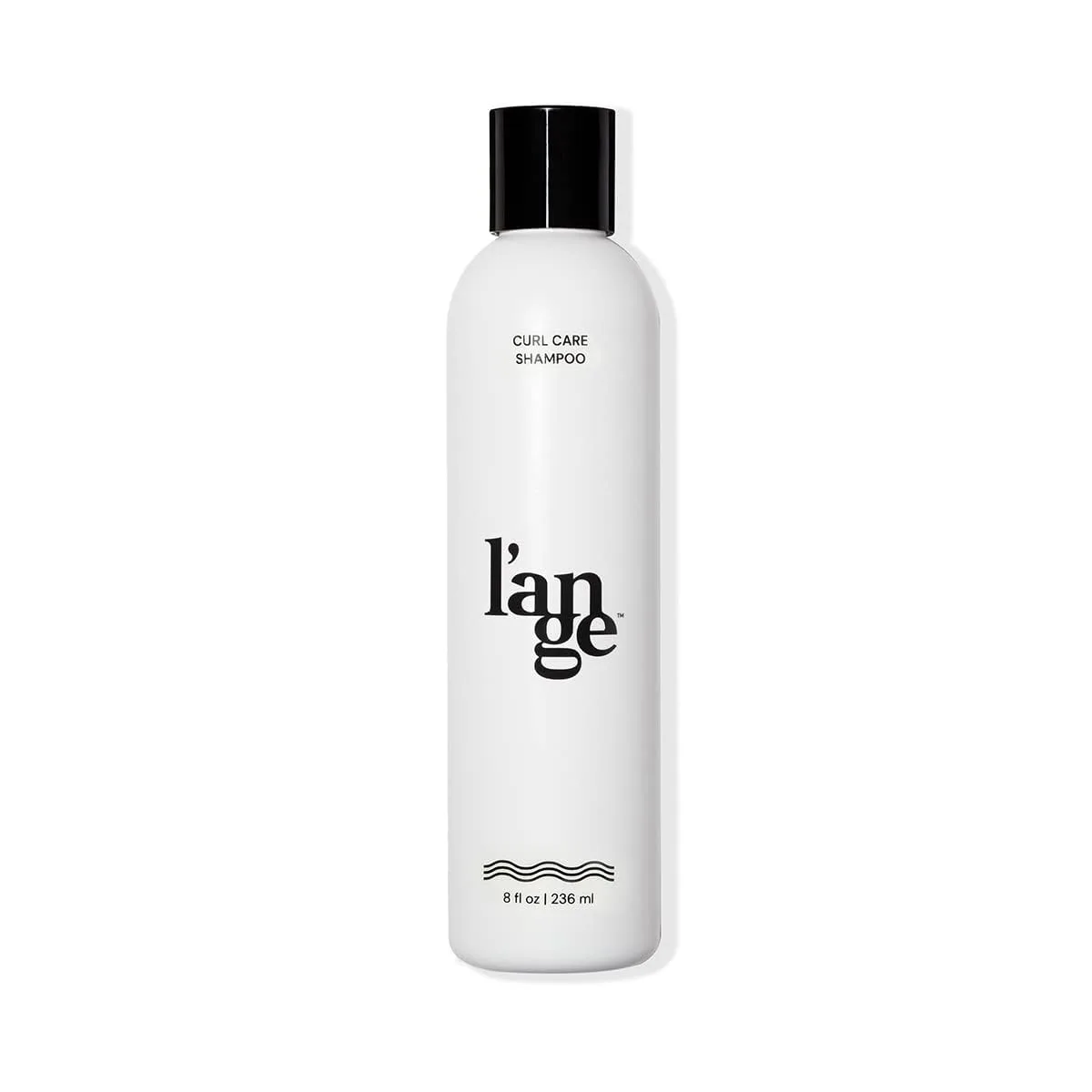
- L'ANGE HAIR Curl Care Gentle Shampoo: L'ANGE HAIR Curl Care Gentle Shampoo is a specially formulated cleanser designed to care for curly hair. This gentle shampoo helps maintain your curls' natural moisture and texture. Formulated to gently cleanse curly hair without stripping natural oils Helps preserve curl definition and reduce frizz Part of L'ANGE HAIR's dedicated curl care line Suitable for daily or regular use on curly hair types
- L'ANGE HAIR Curl Care Enhancing Conditioner: L'ANGE HAIR Curl Care Enhancing Conditioner is designed to support and define natural curls, helping to keep them soft and manageable. This conditioner is part of the curl care line, formulated to enhance your hair's natural texture. Specifically formulated for curly hair types to help define and enhance natural curl patterns. Works to condition and soften hair, reducing frizz and improving manageability. Helps…