Quick answer
Hold your baby upright against your shoulder, sit them on your lap facing away, or lay them face-down across your forearm. Pat or rub the middle of the back gently for one to two minutes, then pause. A cotton burp cloth over your shoulder or forearm catches spit-up and keeps the process calm.
Set up your burp cloth before you start feeding
Place a burp cloth over the shoulder you plan to use, or drape it across your forearm if you prefer the lap or face-down position. Doing this before feeding means you are not scrambling for cloth one-handed while holding a baby who just finished eating. Cotton burp cloths work well here because they absorb spit-up and are easy to reposition mid-burp.
- Fold the cloth lengthwise for shoulder use so it covers the seam of your shirt.
- For lap burping, lay the cloth across your thighs where baby's chin will rest.
- Keep a second cloth within arm's reach for diaper changes or unexpected spit-up.
Choose the burping position that fits your baby
There is no single best position for every baby. Try all three and note which one produces a burp fastest. Shoulder burping works well for newborns who like being upright. Lap burping gives you more control if your baby has good head control. Face-down across the forearm can be soothing for babies who arch their back during feeding.
Use the right hand motion and timing
Pat or rub with a flat hand, not fingertips. Start at the middle of the back and move upward in slow strokes. Pat for about 30 seconds, then rub for 30 seconds, then pause. If nothing comes up after two minutes, stop and try again after a short cuddle. Forcing a burp can cause more spit-up than it prevents.
Step-by-step burping routine
- Step 1: Position the cloth: Drape a cotton burp cloth over your shoulder or across your lap before you lift your baby. Common mistake: waiting until after feeding to grab a cloth, which leaves your shirt exposed to spit-up. Checkpoint: the cloth covers the area where baby's mouth will rest.
- Step 2: Lift and hold upright: Bring your baby to your shoulder so their chin rests on or just above the cloth. Support their head and neck with one hand. Common mistake: holding baby too low, which curves the spine and traps air. Checkpoint: baby's chin is above the cloth, not buried in it.
- Step 3: Pat and rub the back: Use a flat hand to pat gently between the shoulder blades, then rub upward in slow strokes. Alternate patting and rubbing for one to two minutes. Common mistake: patting too hard or too fast, which can startle the baby. Checkpoint: you feel a burp or baby relaxes.
- Step 4: Pause and reposition: If no burp comes after two minutes, switch to the lap position or face-down across your forearm. Keep the cloth under baby's chin. Common mistake: continuing the same position for five minutes or more, which frustrates both of you. Checkpoint: a position change often triggers the burp.
- Step 5: Stop and settle: If baby is comfortable and no burp comes after a position change, stop burping. Hold them upright for a few minutes before laying them down. Common mistake: burping until baby cries, which can cause more air swallowing. Checkpoint: baby is calm and you have tried at least two positions.
Product facts
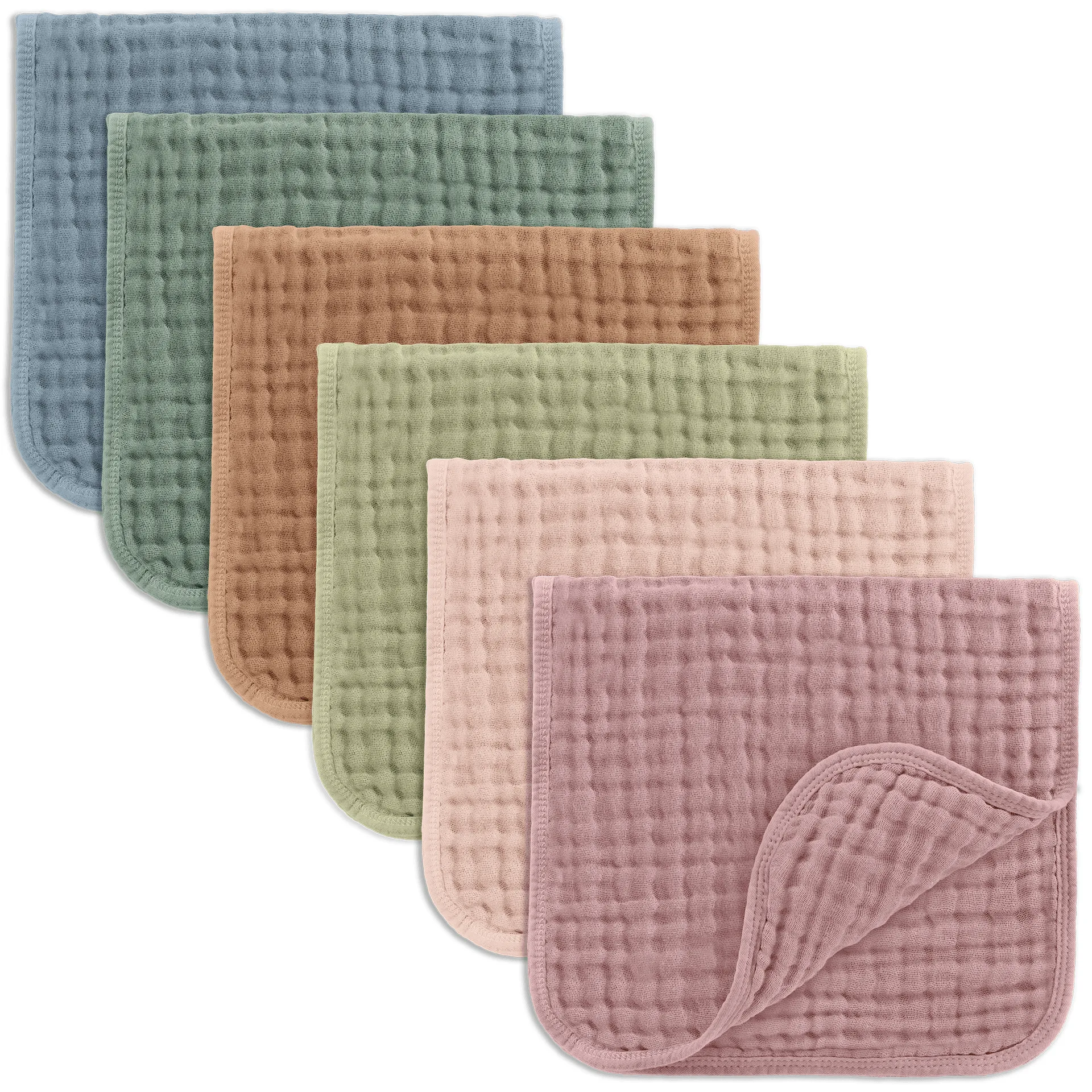
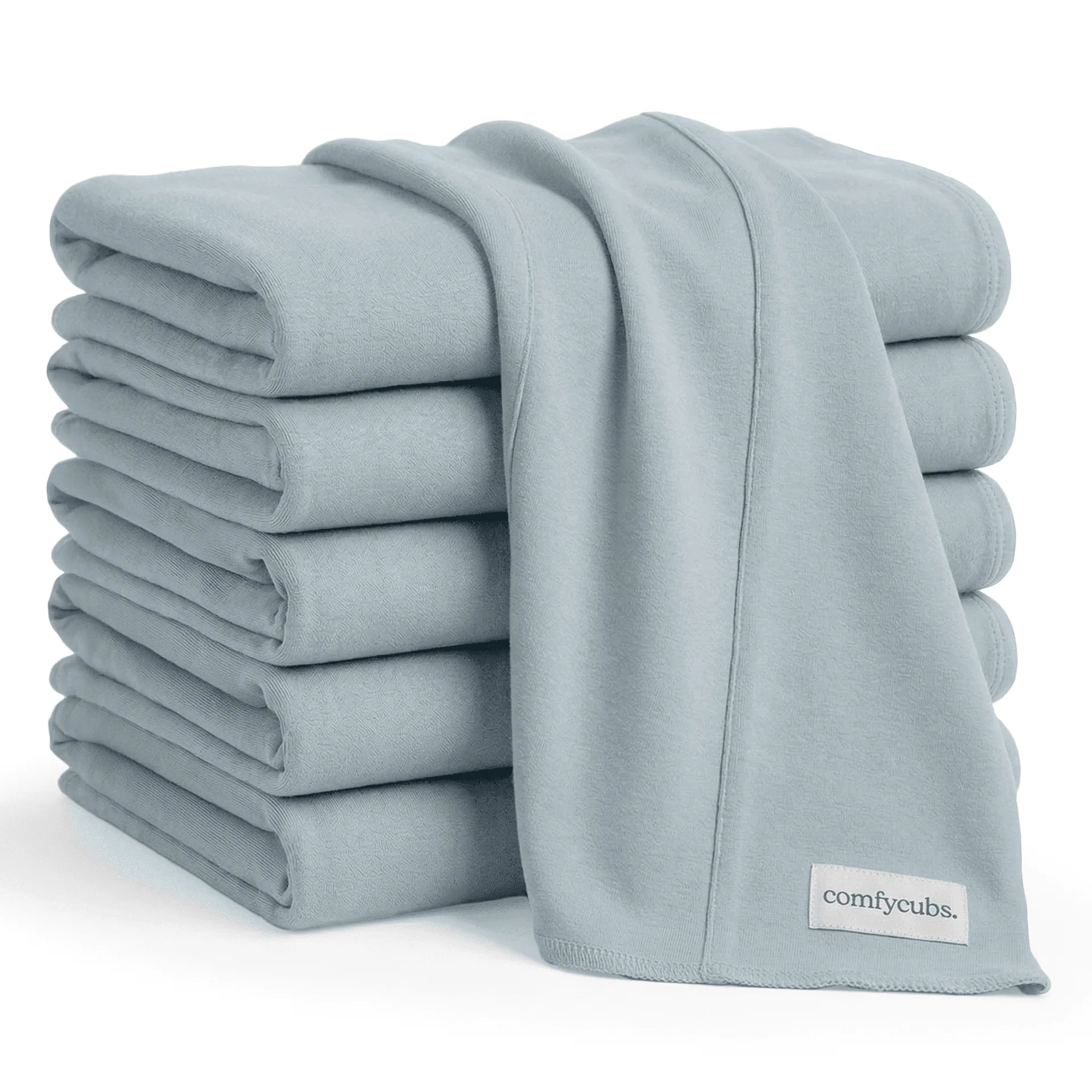
- Cotton Burp Cloths in Blush: Pure cotton burp cloths in blush, sized to fit in a handbag or changing bag and usable for feeding, changing, or cleaning baby. A cloth that stays put on your shoulder and absorbs quickly means fewer outfit changes during burping.
- Cotton Burp Cloths in Pacific Blue: Pure cotton burp cloths in Pacific Blue, described as a multi-purpose essential for protecting your clothing. Having a dedicated cloth for burping keeps spit-up off your clothes and off the feeding chair.
- Cotton Burp Cloths in Neptune: Pure cotton burp cloths in Neptune, versatile enough for feeding, changing, or cleaning baby. A cloth that works for burping and diaper changes means one less item to pack in the diaper bag.