Quick answer
Clean acrylic quilt rulers with a soft, non-abrasive cloth and mild soap or a 50/50 mix of isopropyl alcohol and water. Store them flat or upright in a dedicated case or rack, away from heat and direct sunlight. Avoid paper towels, acetone, and ammonia-based cleaners, which can scratch or cloud the acrylic.
Why acrylic rulers need gentle care
Acrylic is tough but not indestructible. It scratches when wiped with paper towels or abrasive pads, and it can cloud or craze if exposed to harsh solvents like acetone or ammonia. Heat—such as a hot iron or a sunny car dashboard—can warp the ruler and ruin its accuracy. Even the oils from your fingers and lint from fabric can build up and obscure the markings. A few simple habits will keep your rulers transparent and precise.
Daily habits that prevent scratches and wear
Before you cut, make sure your rotary blade is sharp. A dull blade requires more pressure and can slip, nicking the ruler edge. After cutting, remove fabric dust with a dry, soft brush or a microfiber cloth. If you use a rotating mat or sandpaper dots, check that they are clean and free of grit. When you set the ruler down, place it on a clean mat or a soft cloth—not directly on a gritty table or near pins.
How to store rulers so they stay flat and clear
Store rulers flat in a drawer with a non-slip liner, or upright in a rack with slots wide enough to prevent rubbing. Avoid stacking heavy items on top of them. If you keep rulers in a case, make sure it is rigid and lined with soft fabric. Keep them out of direct sunlight and away from heat sources like radiators or irons. For longarm rulers, a dedicated rack or a padded roll-up case works well.
Step-by-step acrylic ruler care routine
- Gather safe cleaning supplies: Use a microfiber cloth or a soft cotton cloth, mild dish soap, and lukewarm water. For disinfecting, mix 50% isopropyl alcohol with 50% water in a spray bottle. Avoid paper towels, abrasive sponges, acetone, ammonia, and glass cleaners. Checkpoint: If the cloth feels rough, don't use it—it will scratch.
- Remove loose dust and lint: Before any wet cleaning, wipe the ruler with a dry microfiber cloth or brush away debris. This prevents grinding particles into the surface. Mistake to avoid: skipping this step and rubbing grit into the acrylic. Checkpoint: The ruler should look free of visible dust before you proceed.
- Wipe with a damp cloth: Dampen your cloth with plain water or the alcohol-water mix. Wipe both sides and the edges. Do not soak the ruler or submerge it in water. For stubborn residue, add a drop of mild soap to the cloth, then wipe again with plain water. Checkpoint: Never use hot water—it can warp the acrylic.
- Dry immediately and inspect: Use a dry part of the cloth to dry the ruler right away. Letting water air-dry can leave spots. While drying, check for scratches or cloudiness. If you see fine scratches, you can polish them out with a plastic polish designed for acrylic. Checkpoint: Hold the ruler up to light—if markings are blurry, clean again with the alcohol mix.
- Store properly after each use: Return the ruler to its storage spot—flat in a drawer with a liner, upright in a rack, or in a padded case. Keep it away from heat, sunlight, and heavy objects. Mistake to avoid: tossing rulers loosely into a bin where they knock against each other. Checkpoint: Rulers should not be able to slide or rub against each other in storage.
- Do a monthly deep clean and check: Once a month, clean all rulers with the alcohol-water mix and inspect edges for nicks. A nick can catch fabric and affect cutting accuracy. If a ruler is warped or deeply scratched, replace it. Also check that any non-slip dots are still effective; replace them if worn. Next step: Mark your calendar for a monthly ruler check to keep your collection in top shape.
Product facts
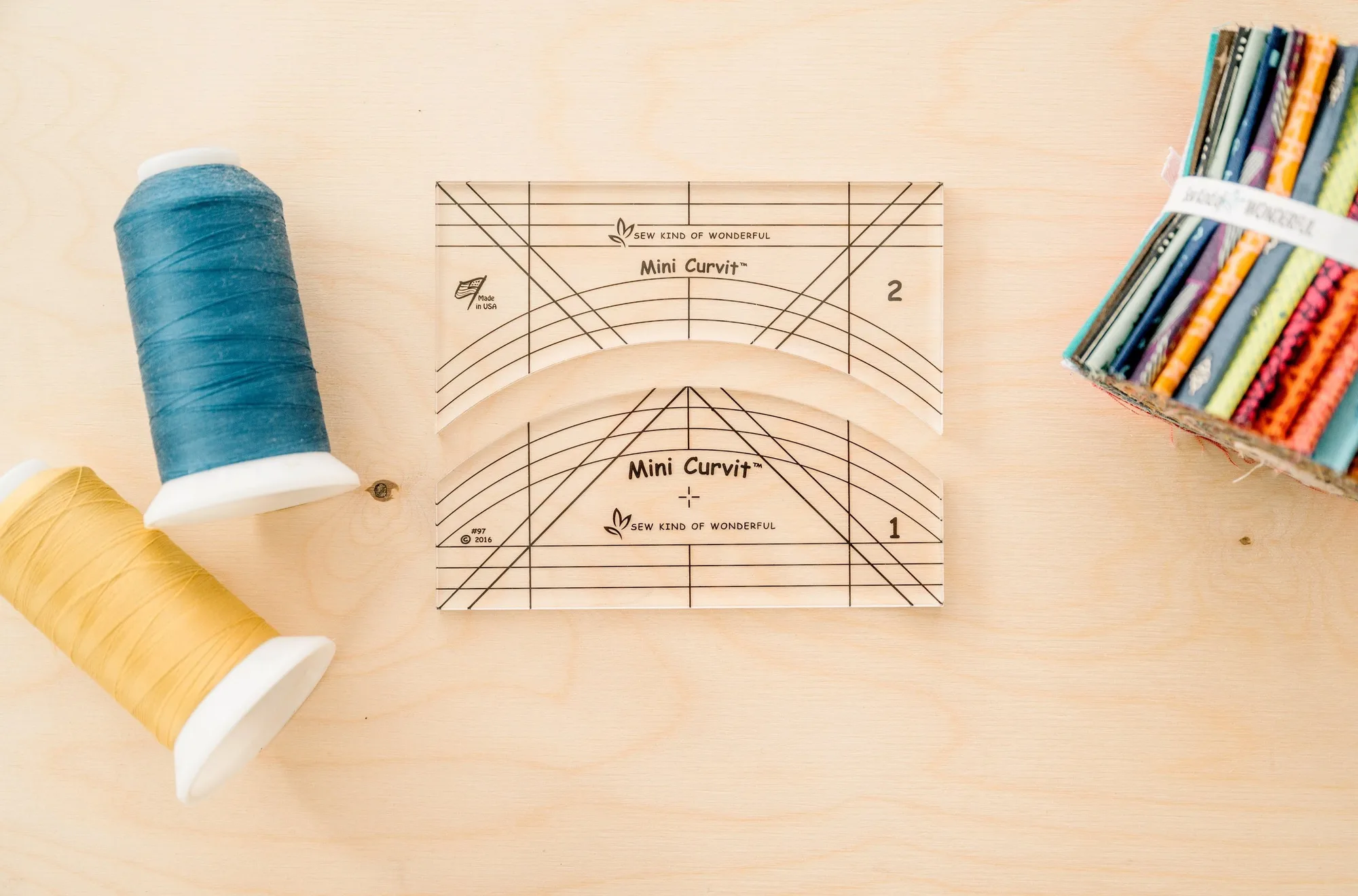
- Mini Curvit Long-arm Ruler Set (3-Pack): High quality 1/4" thick acrylic curved ruler set for longarm quilting use. The thickness provides durability, but it still needs gentle cleaning to avoid scratches that can obscure the guidelines.