Quick answer
Clean Figure-Rise clear parts with lukewarm water, a drop of mild dish soap, and your fingertips, then air-dry or blot with a microfiber cloth. Never use paper towels, acetone, or alcohol on clear runners. For light fogging, polish with a plastic-specific compound in one direction. If the part has deep crazing or stress cracks, stop and replace it rather than sanding further.
Why clear runners behave differently from colored plastic
Clear polystyrene is formulated to transmit light, so any surface change shows up immediately. Colored plastic hides fine scratches and micro-abrasions; clear plastic magnifies them. That is why a clear visor or effect part can look ruined after a single wipe with the wrong cloth, while the same wipe on an armor panel goes unnoticed.
Clear runners are also more sensitive to solvent stress. Alcohol, acetone, and many hobby thinners can pull the surface into a hazy, whitish state called crazing. Once crazing reaches below the surface, polishing only removes the top layer and the haze returns. Treat clear parts as a separate material category, not as regular plastic with a different color.
The only cleaning method you need for routine dust
Start with a soft camera lens blower or a clean, dry makeup brush to lift loose dust. If the part is still smudged, fill a bowl with lukewarm water and one drop of mild dish soap. Dip the part, rub it gently with your fingertips, and rinse under running lukewarm water. Do not use hot water; heat can warp thin clear runners.
Dry the part by air or by blotting with a clean microfiber cloth. Do not rub. If water spots remain, a second rinse with distilled water usually removes them. Avoid paper towels entirely, since wood fibers are abrasive enough to leave fine scratches on clear plastic.
Polishing out light scratches and fogging
For light surface fogging, use a plastic polish designed for clear model parts. Apply a small amount to a clean microfiber pad and work it in one direction, not in circles. Circular motion on clear plastic creates a swirl pattern that catches light and looks worse than the original fog. Wipe residue away with a clean section of the cloth and inspect under a bright lamp.
If the first pass does not clear the haze, repeat once. Two passes are usually the limit before you risk removing too much material or rounding a sharp edge. For deeper scratches, a graduated polishing stick or a fine-grit polishing cloth can help, but you must follow the direction of the scratch and stop as soon as the surface clears.
What to do when the damage is not surface-level
Crazing, stress marks, and cracks that run into the plastic are not fixable with polish. They happen when a clear part has been exposed to solvent, forced into a tight joint, or bent during assembly. Polishing a crazed part can make it look temporarily better, but the haze returns because the damage is internal.
If the part is structurally sound but cosmetically crazed, you can hide it by displaying the model with that area facing away from direct light. If the part is cracked or loose, replace it. Many Figure-Rise kits include alternate clear runners or effect parts, and a replacement runner is almost always cheaper than a ruined display piece. Stop polishing when you see white stress lines that do not fade after one pass.
Protecting clear parts during and after assembly
Handle clear runners with clean hands or nitrile gloves. Skin oils attract dust and can etch the surface over time. When you cut clear parts from the runner, use a sharp hobby nipper and leave a small nub, then trim flush with a fresh blade. Dull nippers crush clear plastic and leave white stress marks at the gate point.
Keep clear parts away from super glue and accelerators. Cyanoacrylate fumes leave a white film on nearby clear surfaces, and the effect is difficult to remove without polishing. If you must glue a clear part, use a clear-part-safe cement or a tiny amount of white glue on a hidden joint. Store finished models out of direct sunlight, since UV exposure can yellow clear plastic over months or years.
Clear part diagnosis: symptom, cause, action, stop point
- Symptom: uniform white haze after wiping: Cause: solvent or alcohol contact, or rubbing with a paper towel. Action: rinse with lukewarm water and mild soap, air-dry, then polish once with a plastic compound in one direction. If the haze fades after one pass, stop. If it remains, do not polish again; the damage is likely internal.
- Symptom: fine scratches that catch light: Cause: dry dusting with a coarse cloth or brushing debris across the surface. Action: use a plastic polish on a microfiber pad, working along the scratch direction, then wipe clean. Two polishing passes maximum. If scratches are still visible under a lamp, accept them or replace the runner.
- Symptom: white stress lines at a gate or joint: Cause: dull nippers, forcing a tight fit, or glue stress. Action: do not polish. Check whether the part is cracked. If it is only cosmetic, display that side away from light. If the part is cracked or loose, stop and order a replacement runner. Polishing will not fix structural damage.
- Symptom: yellowing over time: Cause: UV exposure and age. Action: move the model out of direct sunlight and dust regularly. Polishing does not reverse yellowing. Prevention is the only reliable fix. Once clear plastic yellows, replacement is the practical option.
Clear parts in the kits you may be building
- Kamen Rider Den-O Gun Form and Plat Form Figure-Rise Model Kit: Kamen Rider Den-O's Gun Form and Plat Form joins the Figure-rise Standard figure model kit lineup, and Den-O can be created in either Gun Form or Plat Form at approximately 5.9 inches tall. Because the kit offers two build options, you may handle the same clear runners more than once. Clean and polish before final assembly, not after, so you are not pressing on finished joints.
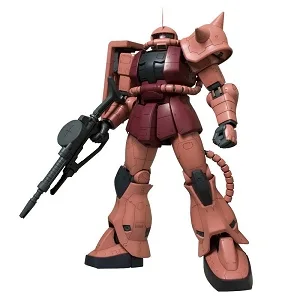
- MS-06S Char's Zaku II Mega Size: The MS-06S Char's Zaku II Mega Size model kit captures the distinctive red color scheme and commanding silhouette of the legendary mobile suit in a large display format. Large kits have more surface area to dust. Use a dry makeup brush weekly and reserve soapy water for actual smudges, so you are not polishing clear parts unnecessarily.
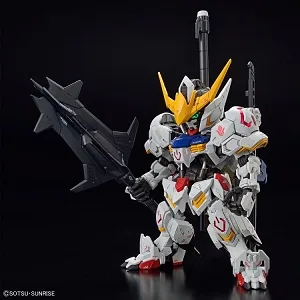
- MGSD Barbatos Gundam: The MGSD Barbatos Gundam is a standard edition model kit from The Gundam Galaxy brand, designed for display and assembly. If you display it near a window with clear effect parts, rotate the pose every few months so one side does not take all the UV exposure.