Quick answer
Wash hand-dyed batik in cold water with a gentle, pH-neutral soap, keep the load light, and dry it in the shade. Skip bleach, hot water, and direct sun. If you are unsure whether a piece will bleed, test a small corner first and use a color catcher in the first few washes.
Why hand-dyed batik fades differently from printed fabric
Hand-dyed batik holds dye differently than a surface print. The wax-resist process pushes color into the fibers, so the base hue usually stays put, but the overdyed areas and the wax-crackle lines can release extra dye for the first several washes. That is normal, not a defect. The practical consequence is that batik needs cooler water and less agitation than a standard cotton print.
Heat is the main enemy. Hot water opens the cotton fibers and lets dye escape, and a hot dryer sets up the same problem while adding friction. Sunlight is the second enemy because UV breaks down the dye molecules on the surface. If you control temperature and light, you control most fading.
What to check before the first wash
Look at the fabric's care label or the product listing. A 100% cotton batik with a stated shrinkage of 3-5% will behave predictably in cold water. If the listing does not state a shrinkage rate or dye method, treat the fabric as unknown and test first. That absence is a real limitation, not a reason to guess.
For a finished quilt or garment, test a seam allowance or an inside hem corner. Soak it in a cup of cold water for 15 minutes, then press it against a white paper towel. Any color transfer means you should wash the full piece alone or with a color catcher for the first few cycles.
Choosing soap and water temperature
Use a gentle liquid soap made for delicate fabrics or a pH-neutral quilt wash. Avoid detergent with optical brighteners, bleach, or enzymes, because those ingredients can dull the dye or leave a residue that traps dirt. Cold water is the default; lukewarm is acceptable only if the label explicitly allows it.
If you are washing a large batik quilt, fill the machine before adding the fabric so the piece is not sitting on dry detergent. For small projects, a sink or basin gives you more control and less agitation.
Drying and storing batik to protect the color
Air-dry in the shade, laid flat or hung over a padded rod. Direct sun will fade even a well-set dye, and a hot dryer will shrink cotton and abrade the surface. If you must use a dryer, choose the lowest heat setting and remove the piece while it is still slightly damp.
Store batik out of direct light. Fold quilts with acid-free tissue at the creases, and keep them in a breathable cotton bag rather than a sealed plastic bin. Plastic traps moisture, which can encourage dye migration and mildew.
Step-by-step batik washing routine
- 1. Test a hidden corner for color bleeding: Soak a seam allowance or inside hem in cold water for 15 minutes, then blot it on a white paper towel. If color transfers, plan to wash the piece alone or with a color catcher. Checkpoint: no color on the towel means you can wash with similar colors; any transfer means wash separately.
- 2. Fill the basin or machine with cold water first: Add a gentle pH-neutral soap and swish it in before you add the fabric. Never let detergent sit directly on dry batik. Common mistake: pouring soap onto the fabric, which can leave a light spot or set a stain.
- 3. Wash on a short, gentle cycle or hand-wash: Keep the load light and the agitation low. For hand-washing, press the fabric down and release; do not twist or scrub. Checkpoint: if the water turns deeply colored, that is normal for a first wash, but stop and rinse until it runs clear.
- 4. Rinse in cold water until the water runs clear: Rinse twice if the first rinse is heavily tinted. Do not use fabric softener, which coats the fibers and can trap loose dye. Common mistake: skipping the second rinse, which leaves dye residue that can transfer later.
- 5. Dry in the shade, flat or over a padded rod: Avoid direct sun and a hot dryer. If using a dryer, choose the lowest heat and remove the piece slightly damp. Checkpoint: shade drying protects both the dye and the cotton's 3-5% shrinkage range.
- 6. Store folded with acid-free tissue, away from light: Use a breathable cotton bag, not sealed plastic. Refold along different lines every few months to avoid permanent creases. Next step: label the storage bag with the wash date so you can track fading over time.
Fabric facts that affect batik care
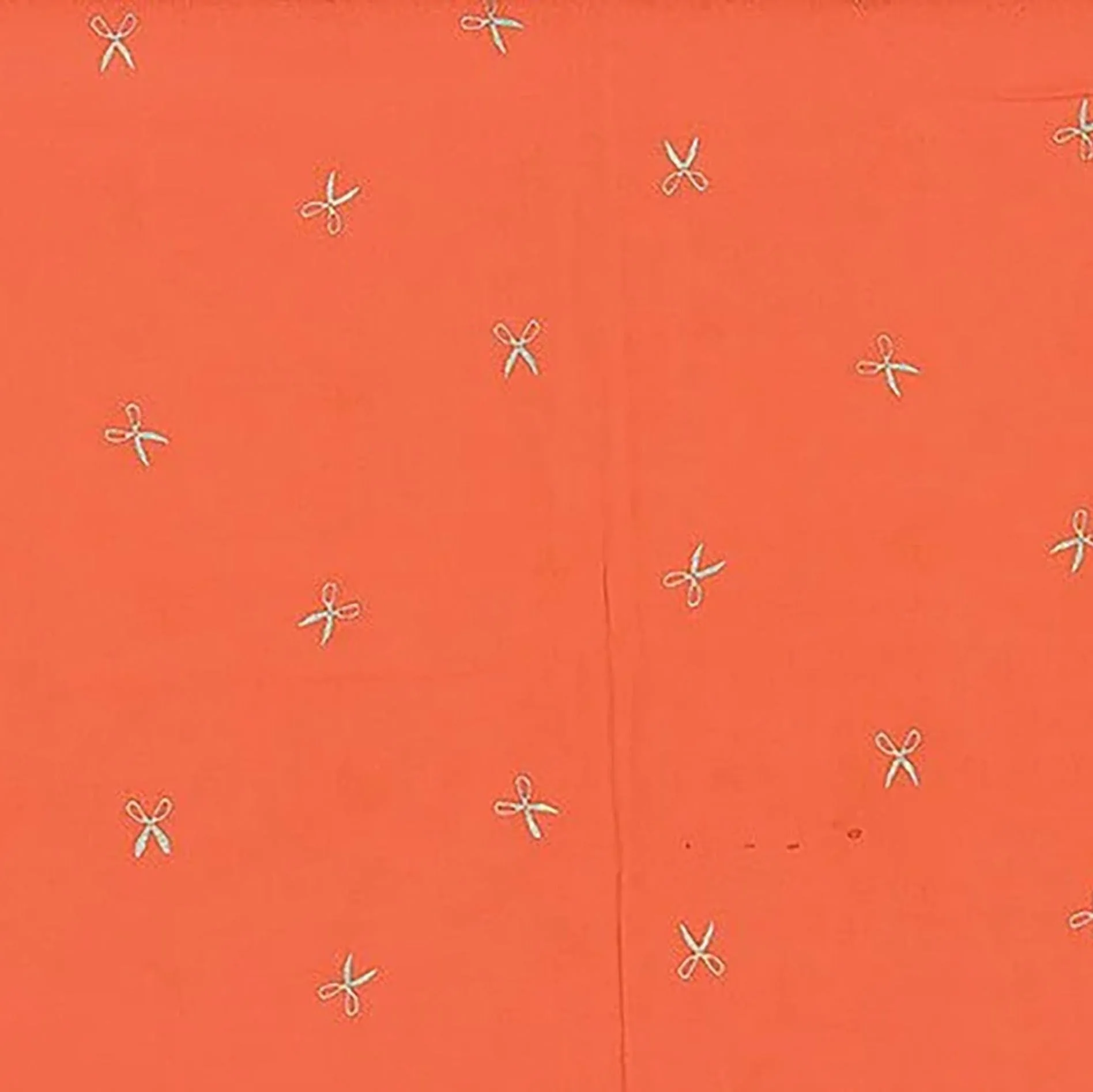
- Me+You Hand Dyed Batiks Scissors Mardi Gras/Silver: Me+You Hand Dyed Batiks Scissors Mardi Gras/Silver is 100% cotton, 44/4 width, from Hoffman. This is a hand-dyed batik, so treat it as a first-wash color-risk fabric even though the fiber content is standard cotton.
- Topaz Painter's Palette Solid from Paintbrush Studio Fabrics: Topaz Painter's Palette Solid from Paintbrush Studio Fabrics is 100% cotton, 150 GSM, 44 inches wide, 62x62 thread count, with 3-5% shrinkage and machine wash cold, delicate, tumble dry low instructions. The stated 3-5% shrinkage and cold-wash instruction give you a concrete baseline for how a comparable cotton solid should be handled.
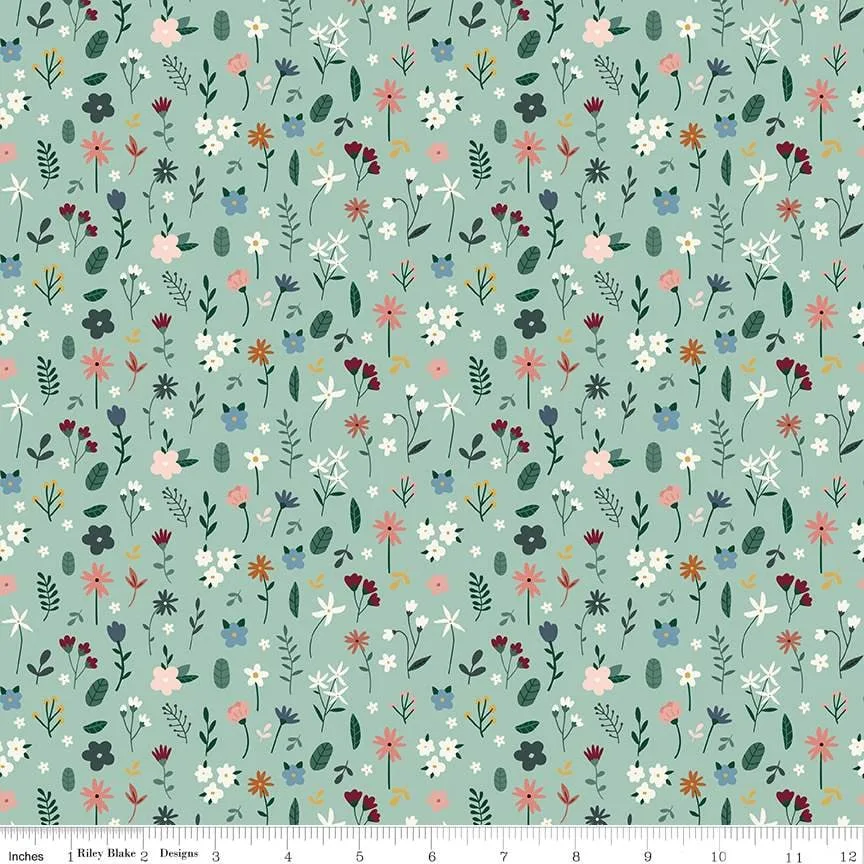
- Stems Mint from Let's Create by Echo Park Paper Co. for Riley Blake Designs: Stems Mint from Let's Create by Echo Park Paper Co. for Riley Blake Designs is 100% cotton, 43/44 inches wide, with machine wash cold and tumble dry low instructions. This print is a useful contrast: a surface print on cotton can usually follow the label, while a hand-dyed batik needs the extra cold-water and shade-drying steps above.