Quick Answer
Wash a handmade quilt only when it truly needs it, using a gentle detergent in cool water on a delicate cycle. Dry it flat or on a low-heat air setting away from direct sun. Store it folded with acid-free tissue, refolding along different lines every few months, and never in a plastic bag.
A handmade quilt can outlive the person who made it, but only if you treat it less like bedding and more like a textile that happens to live on a bed. The fibers, the batting, and the quilting stitches all respond to heat, agitation, and moisture differently than a store-bought comforter.
These quilt care instructions walk through washing, drying, and storing in the order you will actually do them. Each step includes the mistake that causes the most damage, so you can catch it before it becomes permanent.
Before You Wash: Check the Quilt and the Fiber
Not every quilt should go in a machine. New quilts made from 100% quilting-weight cotton like the prints from Tula Pink or QT Fabrics are generally machine-washable on a gentle cycle, but vintage quilts, hand-tied quilts, and anything with wool batting or embellishments need hand washing or spot cleaning only.
Test colorfastness on a hidden corner first. Dampen a white cloth with cool water, rub it on a dark or saturated fabric, and check whether dye transfers. If it does, wash the quilt alone in cold water and accept that some bleeding may still occur.
- Mistake to avoid: assuming all cotton quilts are machine-safe. Check the batting and any appliqué or embroidery first.
- Checkpoint: if the quilt has loose seams, frayed binding, or a torn label, repair it before washing so the damage does not spread.
How to Wash a Quilt Without Damaging the Stitches
Use a front-loading machine if you have one, because it agitates less than a top-loader with a central agitator. Choose the delicate or hand-wash cycle, cool water, and a low-suds detergent made for quilts or fine fabrics. Skip fabric softener entirely, since it leaves a residue that can attract dirt and dull the fabric.
If the quilt is larger than your machine can handle comfortably, take it to a laundromat with a big front-loader or hand wash it in a clean bathtub. Fill with cool water, add a small amount of detergent, press the quilt down gently, and let it soak for ten minutes. Drain, refill with clean water, and repeat until the water runs clear.
- Mistake to avoid: overloading the machine. A quilt needs room to move freely, so wash it alone or with one small item.
- Quilt washing tips: for light refreshment between full washes, air the quilt outdoors in the shade for a few hours instead of washing it.
How to Dry a Quilt Safely
The safest way to dry a quilt is flat on a clean sheet or drying rack, out of direct sunlight. If you must use a dryer, choose the lowest heat setting or an air-fluff cycle with no heat, and remove the quilt while it is still slightly damp. High heat is the single biggest cause of shrinkage, batting distortion, and faded colors.
Never hang a wet quilt by one edge or over a clothesline. The weight of the water pulls the fabric and batting out of shape. If you need to hang it, drape it over two or three parallel lines so the weight is distributed.
- Mistake to avoid: drying in full sun. Ultraviolet light fades dye faster than almost anything else.
- How to dry a quilt in humid weather: run a fan or dehumidifier nearby and rotate the quilt every few hours so it dries evenly.
Storing Quilts Properly Between Uses
Fold the quilt along different lines each time you store it, because permanent creases weaken fibers over years. Place acid-free tissue paper in the folds to cushion the fabric, and wrap the whole quilt in a clean cotton pillowcase or a breathable storage bag. Avoid plastic bins and vacuum bags, which trap moisture and can cause mildew or yellowing.
Store quilts in a cool, dry, dark place. A cedar chest is traditional but can leave an oily residue on fabric, so line it with washed cotton first. If you display a quilt on a bed, rotate it every few months so the same areas are not exposed to light and body oils.
- Mistake to avoid: storing a quilt while it is still damp. Even slightly damp fabric can grow mildew in a closed space.
- Checkpoint: inspect stored quilts once a year for pests, musty smells, or new creases, and refold them along fresh lines.
Quilt Care Steps at a Glance
- Step 1: Inspect and repair: Check seams, binding, and colorfastness before any water touches the quilt. Fix loose stitches and test a hidden corner for dye bleed. If the quilt is vintage or hand-tied, stop here and hand wash or spot clean only.
- Step 2: Wash gently: Use a front-loader on delicate with cool water and a low-suds detergent. Wash alone, skip fabric softener, and rinse until the water runs clear. Never wring or twist a wet quilt; press the water out instead.
- Step 3: Dry flat or on low: Lay the quilt flat out of direct sun, or use a no-heat air cycle and remove it slightly damp. Redistribute the weight if you hang it. High heat causes shrinkage and batting distortion that cannot be reversed.
- Step 4: Store with breathable materials: Fold along different lines, cushion with acid-free tissue, and wrap in cotton. Keep the quilt in a cool, dark, dry place. Refold and inspect once a year so creases and pests do not settle in.
Tools and Fabrics That Help You Care for Quilts
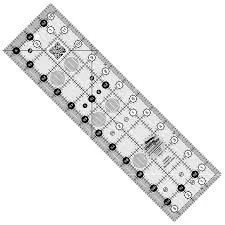
- Creative Grids Quilt Ruler 3-1/2in x 12-1/2in Rectangle – CGR312: Non-slip surface keeps fabric firmly in place while cutting, with clearly marked grid lines for fast, accurate measurements. If you repair a torn seam or replace a worn binding before washing, an accurate ruler helps you cut matching replacement strips without measuring twice.
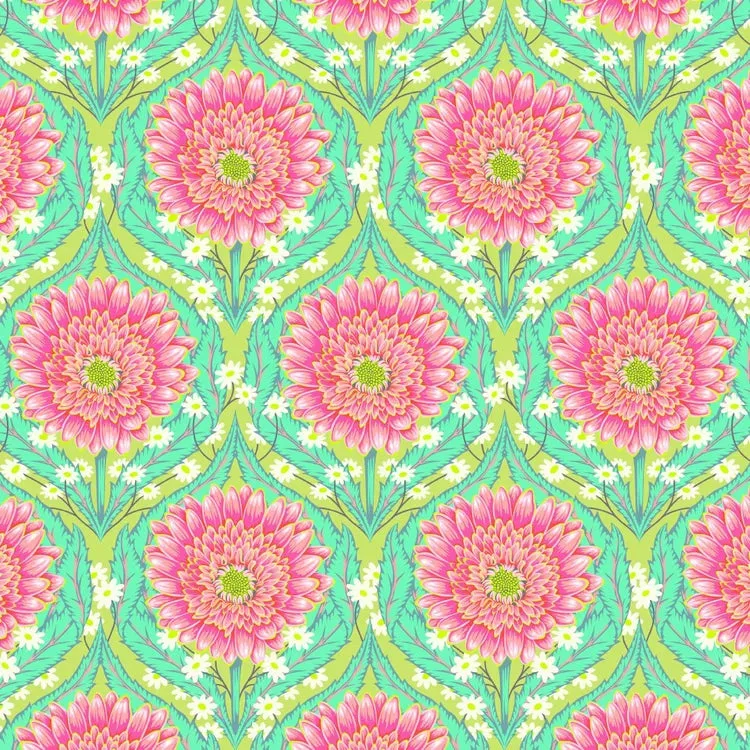
- Tula Pink Untamed Daisy and Confused - Moonbeam 1/2 yd: 100% quilting-weight cotton, 44/45 inches wide, sold by the 1/2 yard. Quilting-weight cotton like this is the fiber most likely to tolerate gentle machine washing, so knowing what your quilt is made of tells you which care method to choose.
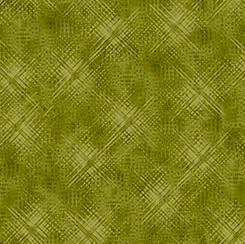
- Vertex – Olive (29513-GA) 1/2 Yard: 100% cotton, quilting weight, from QT Fabrics Studio, in a warm olive colorway. A solid blender fabric is useful for patching a worn area or adding a hanging sleeve before storage, and its cotton content follows the same cool-water care rules as the rest of the quilt.
Handmade quilts do not need frequent washing, but they do need thoughtful handling. Wash only when necessary, dry with patience, and store with breathable materials, and the quilt will stay soft, square, and colorful for the next generation.