Quick Answer
To extend the life of your handmade oat soap, keep it on a draining soap dish or drying rack in a dry area, allow it to dry completely between uses, and cut larger bars into smaller pieces. Avoid leaving it in standing water or in a humid shower, as moisture softens and dissolves the soap faster.
Handmade soaps are a treat for the skin, but they can be softer than commercial bars because they retain natural glycerin and use gentle oils. Without proper care, they can turn to mush in days. The good news: a few simple habits can double or triple the life of your oat soap.
Oat soap, known for its soothing properties, deserves a little extra attention. By learning how to store handmade soap correctly, you'll enjoy every last bit of its creamy lather and nourishing benefits.
Why Handmade Soap Needs Different Care
Unlike mass-produced bars that contain hardeners and synthetic detergents, handmade soap is made through saponification, which leaves natural glycerin intact. Glycerin is a humectant that draws moisture from the air, making the bar softer and more prone to dissolving. This is why your oat soap may feel softer than commercial alternatives.
The oils used in handmade soap—like shea butter and coconut oil—also affect hardness. While these ingredients are excellent for skin, they require you to store the soap properly to prevent it from becoming a slimy mess. Understanding this tradeoff helps you appreciate why care routines matter.
- Keep soap away from direct water spray.
- Use a soap dish with drainage, not a flat dish.
- Rotate between two bars so each dries fully.
Step-by-Step Care for Your Handmade Soap
- Choose the Right Drying Rack: Place your soap on a rack or dish with slats or ridges that allow air to circulate underneath. Avoid solid dishes that trap water. A bamboo or wooden soap saver works well, but any well-draining surface is fine. Check that water doesn't pool under the bar after each use.
- Keep It Dry Between Uses: After washing, let the soap air-dry completely before storing it. If you use the soap in the shower, take it out afterward and place it in a dry area. Humidity and standing water are the biggest enemies of handmade soap. If the bar feels soft or slimy, it's not drying enough—relocate it.
- Cut Large Bars into Smaller Pieces: If you have a big bar, slice it into two or three pieces using a clean knife. Use one piece at a time and store the rest in a cool, dry place wrapped in parchment paper. Smaller pieces dry faster and last longer because less surface is exposed to water. This also helps you try different scents without wasting soap.
Products That Complement Your Soap Care Routine
- Premium Luffa Lavender Soap: Artisan-handcrafted premium soap with a French lavender smell, made with saponified oils, coconut oil, extra virgin shea butter, and essential oils. This bar's shea butter and coconut oil make it rich but softer; proper drying and storage help maintain its shape and fragrance longer.
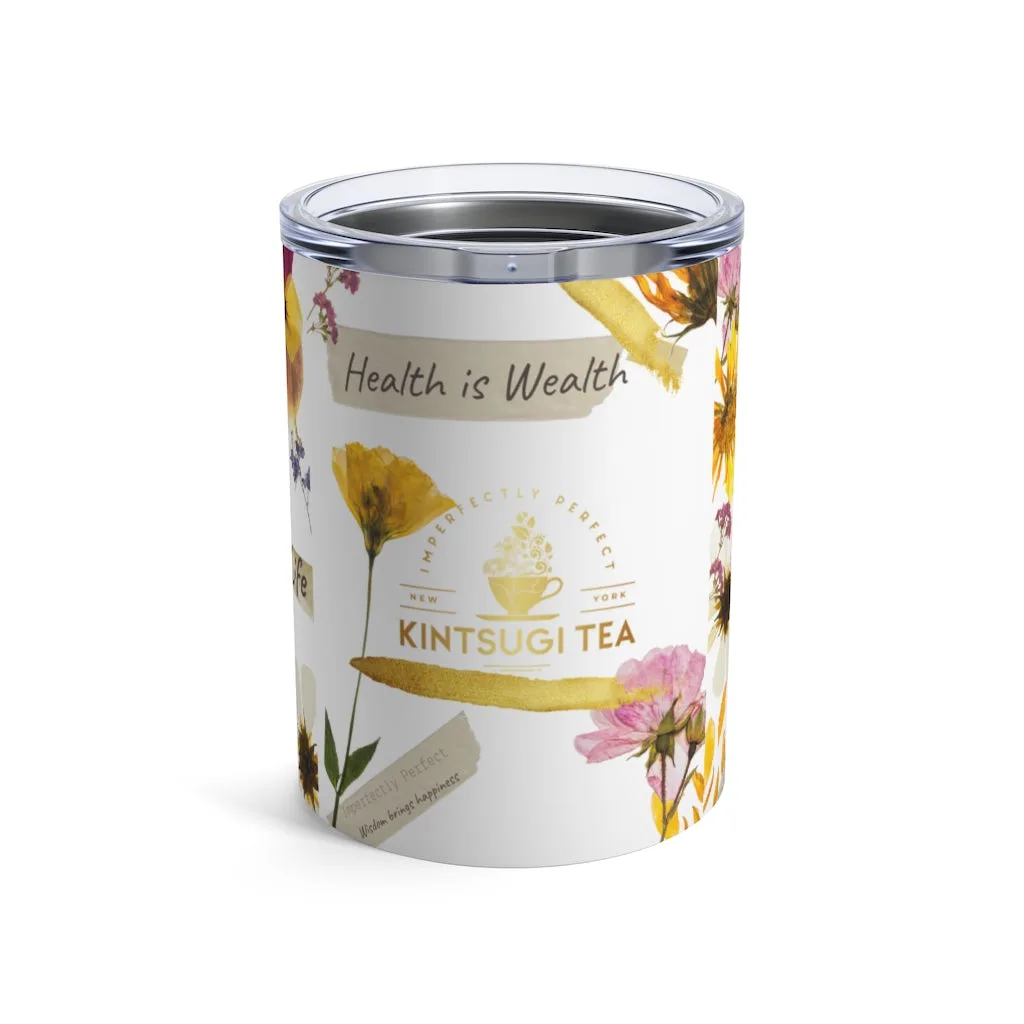
- Tumbler: This stainless, small-size tumbler is vacuum-insulated and built to last. It's perfect for showing off your style on the road, at the office, or in the countryside. While not a soap, this durable tumbler is ideal for steeping herbal teas that complement your self-care ritual. Its insulation keeps drinks hot or cold, enhancing your relaxation time after a bath.
Caring for handmade soap is simple once you know the basics: keep it dry, let it breathe, and don't let it sit in water. By following these steps, your oat soap will stay firm, fragrant, and effective for weeks longer. Enjoy the gentle lather and the peace of mind that comes from making your purchase last.