Quick answer
Clean latex after every wear with lukewarm water and a mild, silicone-free soap, then pat it dry and dust it with talc or cornstarch before storing it flat or hanging on a padded hanger away from heat and sunlight. Shine it with a dedicated silicone-based polish or a light coat of silicone oil before wearing. That four-step routine — wash, dry, powder, store — is what keeps latex supple and glossy instead of sticky, cloudy, or cracked.
Latex is one of the most rewarding fabrics to wear and one of the easiest to ruin by accident. It doesn't behave like cotton or spandex: it hates heat, sunlight, oils, and metal, and it will happily fuse to itself if you fold it away damp. The good news is that latex garment maintenance is not complicated once you know the order of operations — and most damage happens in the first 24 hours after a wear, not over years.
This guide walks through the full routine in the order you'll actually do it: washing, drying, shining, wearing, and storing. Each step includes the mistake that catches most people out, so you can check your own habits as you go. Whether you're new to latex or replacing a piece that went tacky, these habits apply to any latex garment, from a simple top to a full playsuit.
Why latex needs its own care routine
Latex is natural rubber. It's elastic, skin-tight, and naturally matte until it's polished, but it's also porous and reactive. Body oils, sweat, sunscreen, perfume, and even the oils in your hair will degrade the surface over time if they're left on the garment. That's why cleaning latex clothes promptly matters more than cleaning them aggressively — a gentle wash right after wearing does more good than a harsh scrub a week later.
Heat and UV are the other enemies. Latex left on a radiator, in a hot car, or on a sunny windowsill will oxidize and become brittle or discolored. Metal can leave dark marks, and silicone-based lubricants or lotions can cause swelling or sticky patches. None of this means latex is fragile — it just means the care routine is specific. Follow it and a well-made piece can stay glossy and wearable for years.
- Keep latex away from oil-based products, including some lotions, sunscreens, and massage oils.
- Store latex separately from metal hardware and dark fabrics that can transfer dye.
- If a garment feels tacky rather than smooth, it usually needs cleaning or re-powdering, not replacing.
Step 1: Wash with lukewarm water and mild soap
Fill a basin or sink with lukewarm water — not hot — and add a small amount of mild, silicone-free soap. A few drops of gentle dish soap or a dedicated latex wash works; avoid anything with moisturizers, fragrances, or exfoliating beads. Turn the garment inside out and wipe it down with your hands or a soft cloth. Don't scrub, wring, or stretch it, and don't leave it to soak.
Rinse thoroughly in clean lukewarm water until no suds remain. Soap residue is one of the most common reasons latex looks dull or feels sticky after a wash, so rinse one more time than you think you need to. If your garment has metal hardware, like the O rings on a harness or suspender clips, keep the wash quick and dry those areas promptly afterward.
- Common mistake: using hot water or leaving the garment to soak, which can weaken the latex and dull the finish.
- Checkpoint: the rinse water should run completely clear before you move on.
Step 2: Dry flat, away from heat and sun
Lay the garment flat on a clean towel and pat it dry. You can also hang it on a plastic or padded hanger, but avoid metal hangers and direct sunlight. Never use a hairdryer, radiator, or tumble dryer — heat will make latex brittle and can cause it to lose its shape. Most pieces air-dry within an hour or two.
If you're short on space, hang the garment in a well-ventilated room away from windows. Turn it inside out halfway through drying so both surfaces get air. The goal is to remove all moisture before storage; even a slightly damp fold can cause latex to stick to itself, and that stuck-together patch is hard to fix without risking a tear.
- Common mistake: drying on a radiator or in a hot car, which accelerates oxidation and cracking.
- Checkpoint: the garment should feel dry and cool to the touch, with no damp patches at seams or thicker areas.
Step 3: Shine with silicone polish, not oil-based products
To get that signature latex gloss, apply a dedicated silicone-based polish or a light coat of silicone oil with a soft cloth or your hands. Work in thin layers and buff gently; a little goes a long way. Silicone products nourish the surface and reduce friction, which makes the garment easier to put on and less likely to catch or tear. For latex shine tips, the key is thin and even rather than thick and greasy.
Avoid oil-based polishes, baby oil, and petroleum jelly — they can degrade latex over time and leave a sticky residue. If you're shining a garment with metal hardware, like the adjustable O rings on a harness or belt, keep the polish off the metal and wipe it clean afterward. Shine before wearing, not after, so the polish has time to settle.
- Common mistake: using too much polish, which attracts lint and can feel greasy against the skin.
- Checkpoint: the surface should look glossy but not wet, and should not feel slippery to the point of losing grip.
Step 4: Store flat or hanging, dusted and separated
Once the garment is clean, dry, and lightly polished, dust it with talc or cornstarch to stop surfaces from sticking. Store it flat in a breathable bag or box, or hang it on a padded hanger. Keep it away from direct sunlight, heat sources, and metal hardware that could leave marks. If you're storing multiple pieces, separate them with tissue paper or individual bags.
For latex storage, avoid airtight plastic bags for long periods — latex needs a little airflow. A cotton pillowcase or a dedicated latex storage bag works well. If you're storing a piece with detachable straps, like a belt with suspender clips, remove the straps and store them separately so the clips don't press into the latex. Check stored pieces every few months and re-powder if they start to feel tacky.
- Common mistake: folding latex tightly or storing it against itself, which causes permanent creases and sticking.
- Checkpoint: stored latex should feel smooth and slightly powdery, not sticky or fused.
Wearing and aftercare: the habits that prevent damage
What you do before and after wearing matters as much as the wash itself. Shower and moisturize well before you put latex on, and let any lotion absorb fully — residual lotion is a common cause of sticky patches. Use a silicone-based lubricant or talc to help the garment slide on, and never yank or stretch it aggressively. Take it off slowly, turning it inside out as you go.
Latex aftercare is mostly about timing. Clean the garment the same day you wear it if you can; if you can't, at least wipe it down and hang it to air. Sweat and body oils left overnight are what cause the surface to dull and degrade. A five-minute wash after a night out is the single best thing you can do for the lifespan of the piece.
- Common mistake: putting latex on over lotion, sunscreen, or perfume that hasn't fully absorbed.
- Checkpoint: if the garment feels sticky when you take it off, clean it before storing — don't wait.
Your latex care routine at a glance
- Wash: Use lukewarm water and a mild, silicone-free soap. Wipe gently, don't soak, and rinse until the water runs clear. Checkpoint: no suds left behind.
- Dry: Lay flat or hang on a padded hanger away from heat and sun. Never use a dryer or radiator. Checkpoint: completely dry, including seams.
- Shine: Apply a thin layer of silicone-based polish with a soft cloth. Avoid oil-based products and keep polish off metal hardware. Checkpoint: glossy, not greasy.
- Store: Dust with talc or cornstarch, then store flat or hanging in a breathable bag, away from light, heat, and metal. Checkpoint: smooth and powdery, not sticky.
Product care notes from our catalog
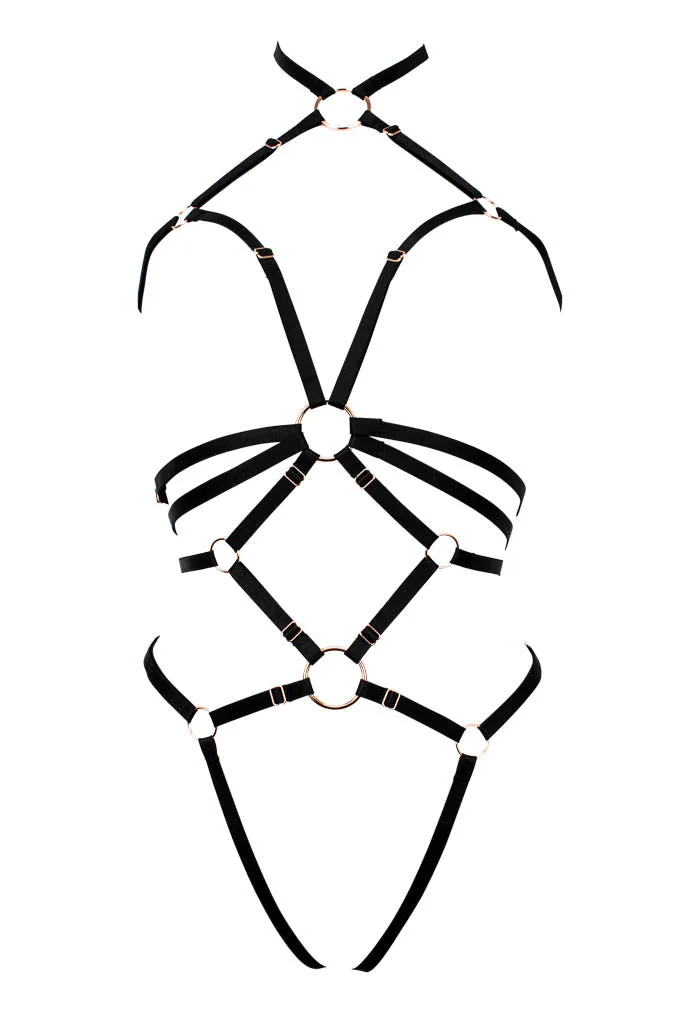
- Impel Playsuit: Shibari inspired, our Impel Playsuit is the ultimate sexy lingerie piece. Wrapping the body with ultra flattering, adjustable straps, this open style playsuit is divine alone or layered with your favourite lingerie set. The adjustable straps and open design mean more edges and contact points to clean carefully; pay attention to where straps cross and where the garment touches skin most.
- Venom Modify Belt: Detachable suspender straps designed to modify your skirt, take it asymmetric or ruche the front and we'll see you at the ren faire! Straps are easily attached to O rings with suspender clips, and come in two lengths as standard. Because the straps detach, you can remove them before washing and store them separately, which prevents the clips from pressing into the latex and causing marks.
Latex rewards a little consistency. Wash it the same day, dry it away from heat, shine it thin, and store it dusted and separated — that's the whole routine. Do those four things and your latex will stay glossy, supple, and ready to wear for years, not months.