Quick answer
Clean your MOLLE webbing and nylon gear with a soft brush and mild soap, rinse thoroughly, and air-dry away from direct heat. Inspect straps and stitching every few months, and replace worn connecting straps before they fail. This simple routine prevents most fabric and hardware damage.
Why nylon and MOLLE webbing wear out
Nylon and laminate fabrics break down from abrasion, UV light, and repeated flexing. Dust and sand act like sandpaper inside webbing channels, while salt and sweat can corrode metal hardware. Even the best gear eventually shows wear, but consistent care slows the process significantly.
Gather the right cleaning supplies
You do not need specialized cleaners. A soft-bristle brush, mild dish soap, lukewarm water, and a clean towel cover most situations. Avoid bleach, fabric softener, and harsh solvents, which can weaken nylon fibers and damage coatings. For heavy mud, a plastic scraper helps remove caked-on dirt before washing.
How to spot damage before it becomes a failure
Check high-stress points: strap attachment points, pouch corners, zipper edges, and any place where webbing rubs against a hard surface. Look for fraying, loose stitching, or stretched-out loops. Catching these early lets you repair or replace a small component instead of the whole pouch.
Step-by-step MOLLE and nylon care routine
- Empty and shake out loose debris: Remove all items from pouches and turn them upside down. Gently shake or use a soft brush to dislodge sand, dirt, and grit from webbing and seams. Common mistake: skipping this step and grinding debris deeper into the fabric during washing.
- Pre-treat stains with mild soap: Mix a few drops of mild dish soap with lukewarm water. Apply to stained areas with a soft brush, working gently in circles. Let it sit for 2–3 minutes. Checkpoint: never use bleach or fabric softener—they break down nylon fibers and water-resistant coatings.
- Hand wash in lukewarm water: Submerge gear in a basin of lukewarm water and mild soap. Agitate gently by hand. For stubborn dirt, use a soft brush on webbing and fabric surfaces. Common mistake: using hot water, which can shrink or warp nylon and damage laminates.
- Rinse thoroughly until water runs clear: Rinse with cool water to remove all soap residue. Soap left in webbing can attract dirt and cause stiffness. Checkpoint: if you see suds, keep rinsing—residue shortens gear life.
- Air-dry away from direct heat: Hang gear in a well-ventilated area out of direct sunlight. Avoid dryers, radiators, and open flames. Most nylon gear dries within a few hours. Common mistake: tumble drying on high heat, which can melt coatings and weaken stitching.
- Inspect and lubricate hardware: Once dry, check zippers, buckles, and snaps. Apply a small amount of silicone spray or dry lubricant to zippers if they feel stiff. Wipe off excess. Checkpoint: replace any strap or buckle that shows cracks or deep wear—do not wait for failure.
- Store clean and dry: Store gear in a cool, dry place away from direct sunlight. Avoid compressing pouches for long periods, which can create permanent creases in webbing. Next step: set a calendar reminder to repeat this routine every 3–6 months, or after heavy use.
Gear that simplifies maintenance
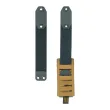
- 3" MOLLE Strap - Black: The 3" MOLLE Strap is made from laser-cut Squadron and CURV® thermoplastic composite, making it weather-resistant and reusable. Unlike traditional nylon straps that absorb water and degrade, these composite straps resist moisture and can be wiped clean, reducing long-term care needs.
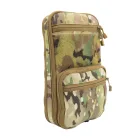
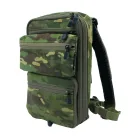
- FlatPack Shoulder Pads and Straps: FlatPack Shoulder Pads and Straps are designed for single-person access to a FlatPack or FlatPack+ when used with a plate carrier. These straps are built for quick access and heavy use, so regular inspection of attachment points is especially important to maintain reliability.