Quick answer
Wash nonstick bakeware by hand in warm water with a soft sponge and mild dish soap, then dry it completely before storing. Skip metal utensils, abrasive scrubbers, and the dishwasher, and stack pans with a soft liner between them. That routine handles most nonstick pan care, and it is what keeps the coating slick for years instead of months.
Nonstick bakeware rarely fails because you baked the wrong thing in it. It fails because of what happens after the cookies come off the sheet: the scouring pad, the dishwasher cycle, the knife used to loosen a stuck corner, the bare stack in the drawer.
The good news is that nonstick baking sheet care takes about two extra minutes per bake. This guide walks through the full routine in order, from the moment you pull the pan out of the oven to the way you store it, with the common mistake to watch for at each step.
Why nonstick coatings wear out
A nonstick coating is a thin surface layer, not a solid block of material. It survives heat well, but it does not survive sharp edges, abrasive cleaners, or repeated thermal shock. Every scratch removes coating, and once the layer is broken, food starts sticking in exactly those spots.
Most early failures come from four habits: cutting in the pan, scrubbing with steel wool or abrasive powder, running pans through the dishwasher, and stacking them bare so the rims grind against each other. Fix those four and the coating usually outlasts your interest in the pan.
- Heat matters too: keep within the manufacturer's stated maximum temperature, and never put an empty nonstick pan under a broiler.
- A dark, discolored pan is not automatically ruined, but a visibly scratched or flaking surface is done for baking.
Everyday care between bakes
Let the pan cool on a wire rack before it goes anywhere near water. Dropping a hot sheet into a sink of cold water can warp the metal and stress the coating, and warped sheets bake unevenly from then on.
Use silicone, wood, or plastic tools for lifting food, and line the pan when you are baking anything sticky or sugary. Parchment or a silicone mat takes most of the abuse so the coating does not have to.
- Never use the pan as a cutting surface, even for a quick slice of lemon pound cake.
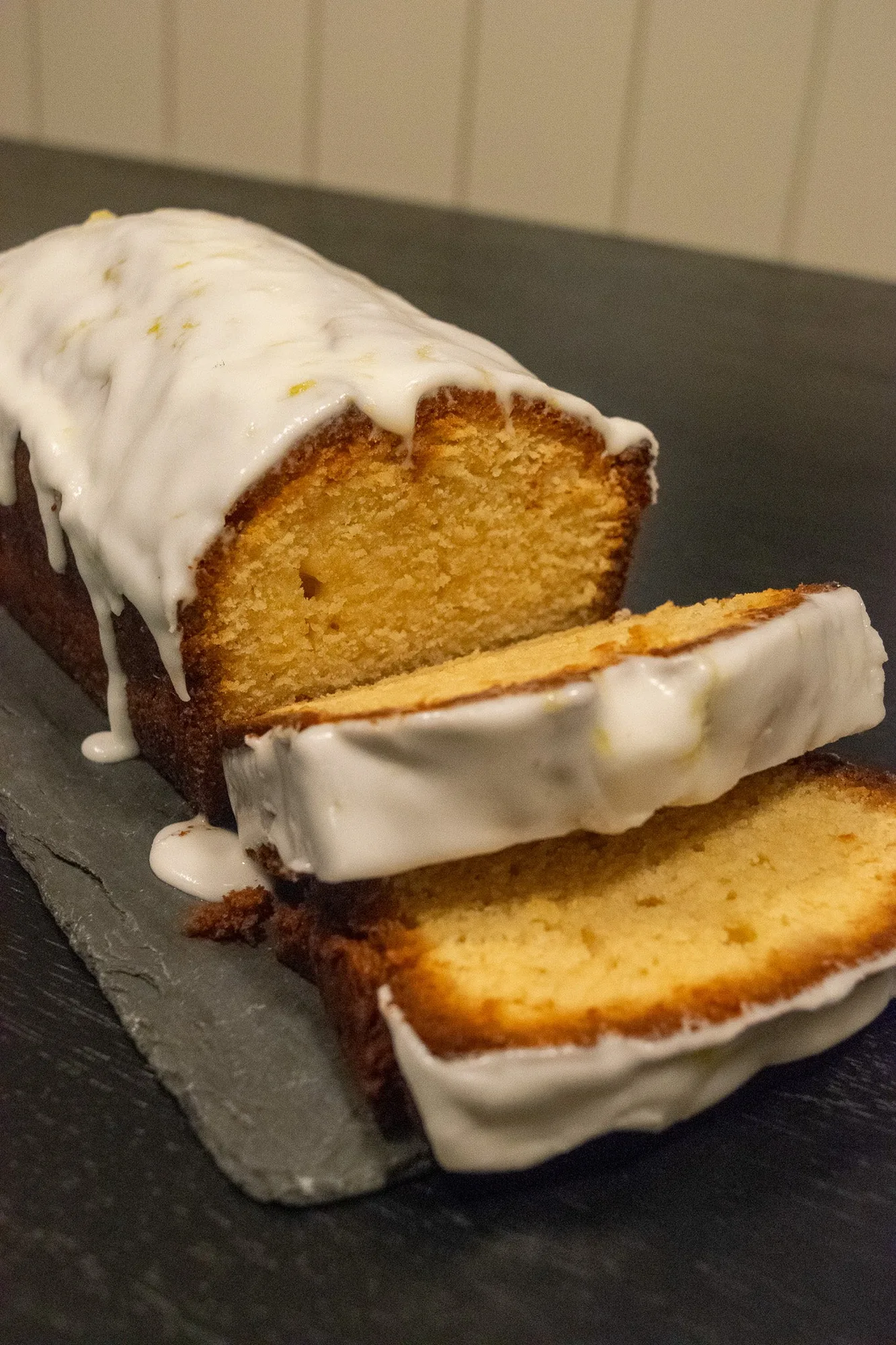
lemon pound cake
- If grease pools during roasting, tilt it off into a heatproof container rather than wiping with a paper towel that can snag on the rim.
What to do when food sticks anyway
Stuck-on residue is a cleaning problem, not a reason to scrub harder. Fill the pan with warm water and a drop of mild dish soap, let it sit for 10 to 15 minutes, then lift the softened food with a silicone spatula.
For baked-on sugar or cheese, simmer a little water in the pan on the stovetop if the manufacturer allows stovetop use, then wipe. If a stain remains after that, accept it. A cosmetic stain is far better than a scratched coating.
- Do not reach for oven cleaner, bleach, or abrasive powders on a nonstick surface.
- Repeat the soak rather than increasing the pressure.
Storage and long-term habits
Store nonstick pans flat or upright with felt protectors, paper towels, or the original cardboard between them. If you hang them, hang by the handle so the baking surface never touches a hook or another pan.
Replace a pan when the coating flakes, peels, or sticks across the whole surface, not just one corner. A pan that sticks everywhere costs you more in ruined bakes than a replacement costs outright.
- Keep a dedicated nonstick set for delicate bakes and use bare aluminum or steel for high-heat roasting.
- Write the purchase date on the pan bottom with a marker if you want to track how long your routine actually lasts.
The nonstick bakeware care routine, step by step
- 1. Cool the pan completely: Set the pan on a wire rack and wait until it is warm to the touch, not hot. Common mistake: running a hot sheet under cold water, which can warp the metal and stress the coating. Checkpoint: if you can hold the rim comfortably, it is ready to wash.
- 2. Scrape, don't scrub: Lift loose crumbs and residue with a silicone spatula or soft sponge. Common mistake: grabbing a metal spatula or steel wool, which cuts the coating in one pass. Checkpoint: no visible scratches after scraping.
- 3. Wash by hand in warm, soapy water: Use mild dish soap and a soft sponge or cloth, and wash both sides. Common mistake: putting nonstick bakeware in the dishwasher, where heat and detergent shorten the coating's life. Checkpoint: the dishwasher stays off-limits for these pans.
- 4. Rinse and dry immediately: Rinse with warm water and towel dry, then air dry fully before storing. Common mistake: letting pans drip-dry in the rack, which leaves water spots and can encourage rim rust on some pans. Checkpoint: completely dry, no standing water in the corners.
- 5. Store with protection between pans: Stack flat or stand upright with felt protectors, paper towels, or original packaging between surfaces. Common mistake: nesting bare pans so rims grind against the coating every time you open the drawer. Checkpoint: no metal-on-coating contact in storage.
- 6. Review the pan once a season: Look for flaking, deep scratches, or widespread sticking. Common mistake: continuing to bake on a worn pan and blaming the recipe when bakes tear or burn. Replace when the coating fails across the surface, not just in one spot.
Bakes that reward good pan care
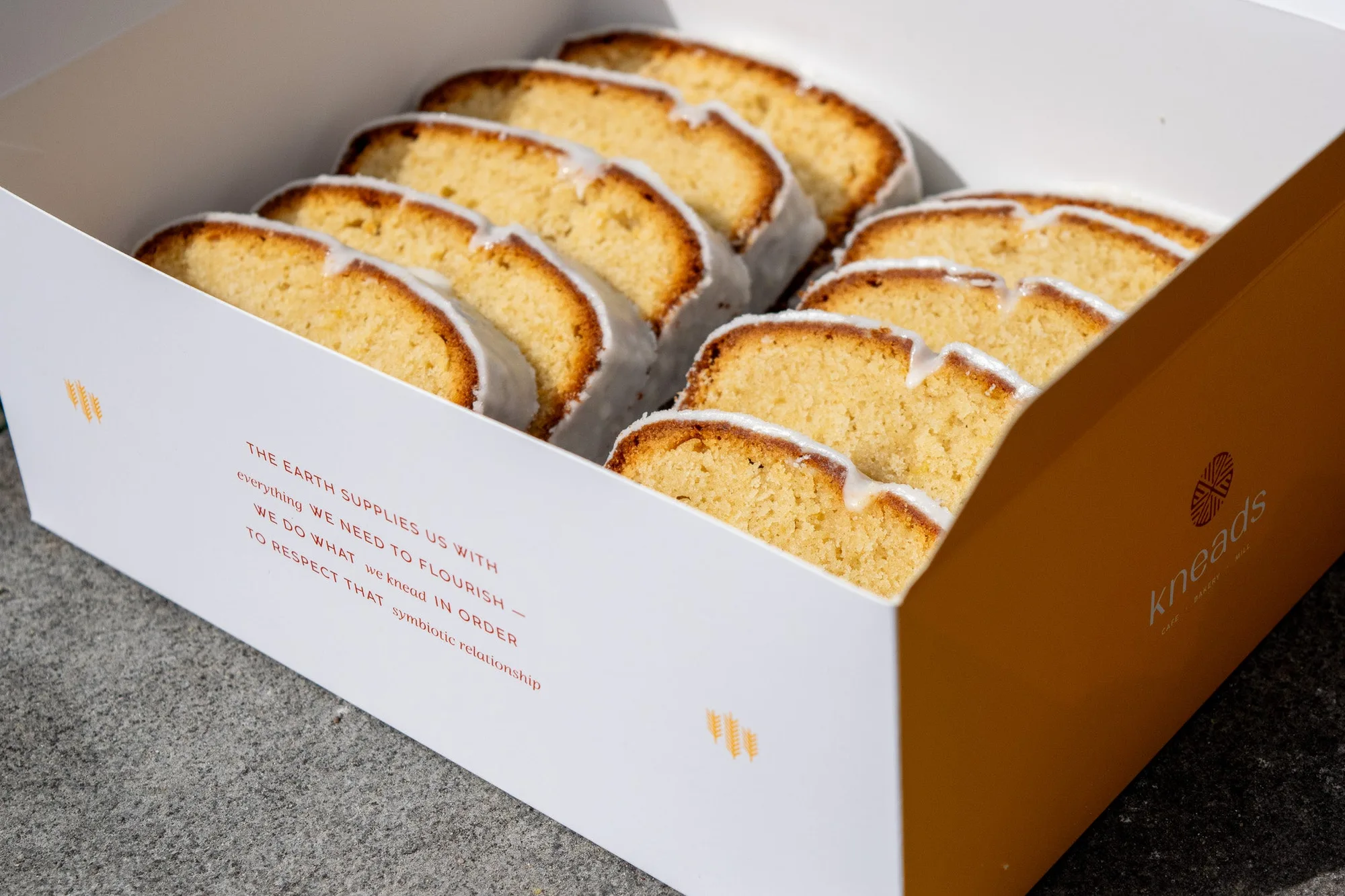
- Lemon Pound Cake Sliced: Sliced loaf cake offered in a 10-slice format, ready to serve from the package. A useful reference point for what a well-cared-for loaf pan should produce: an even, release-friendly crumb rather than a torn one.
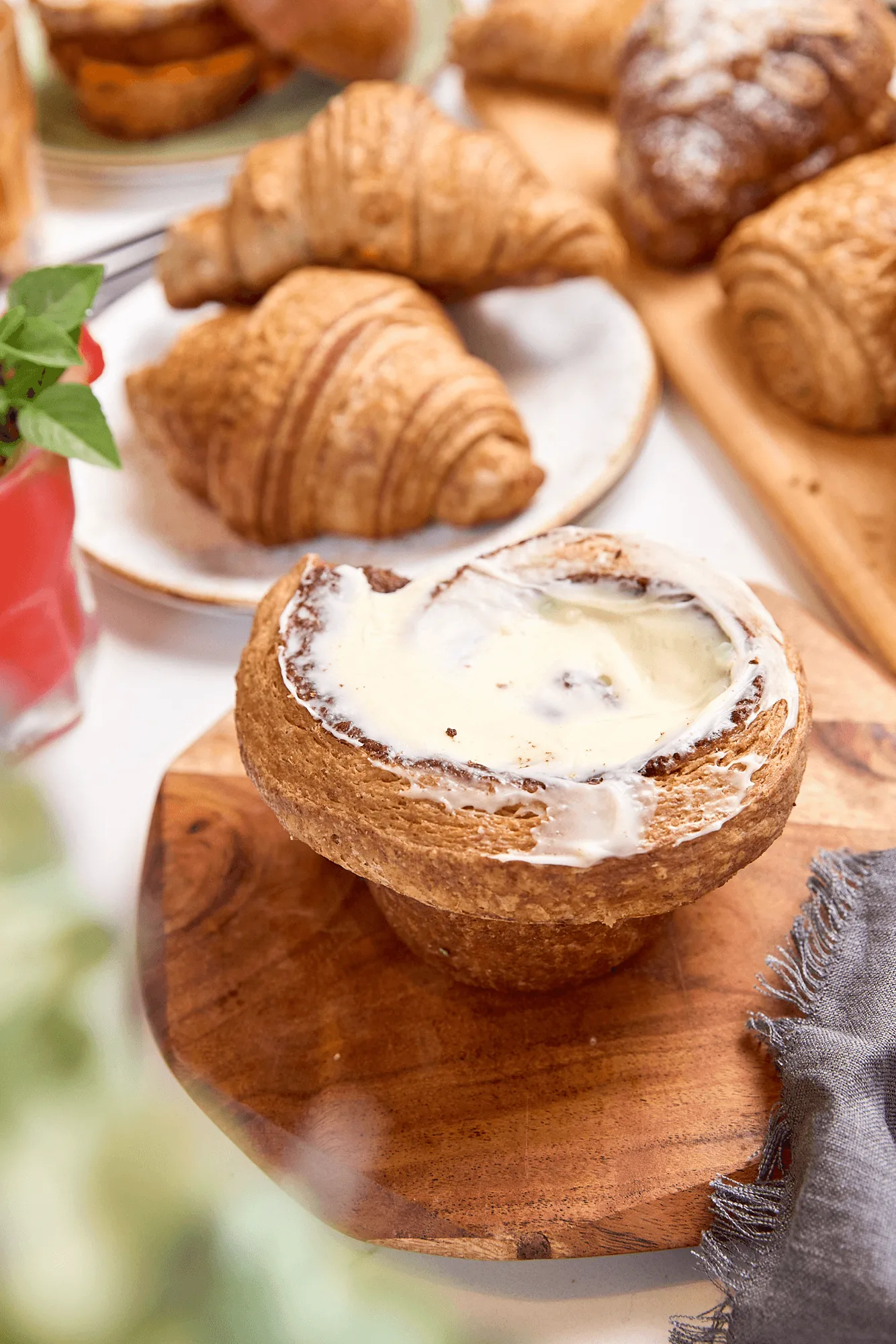
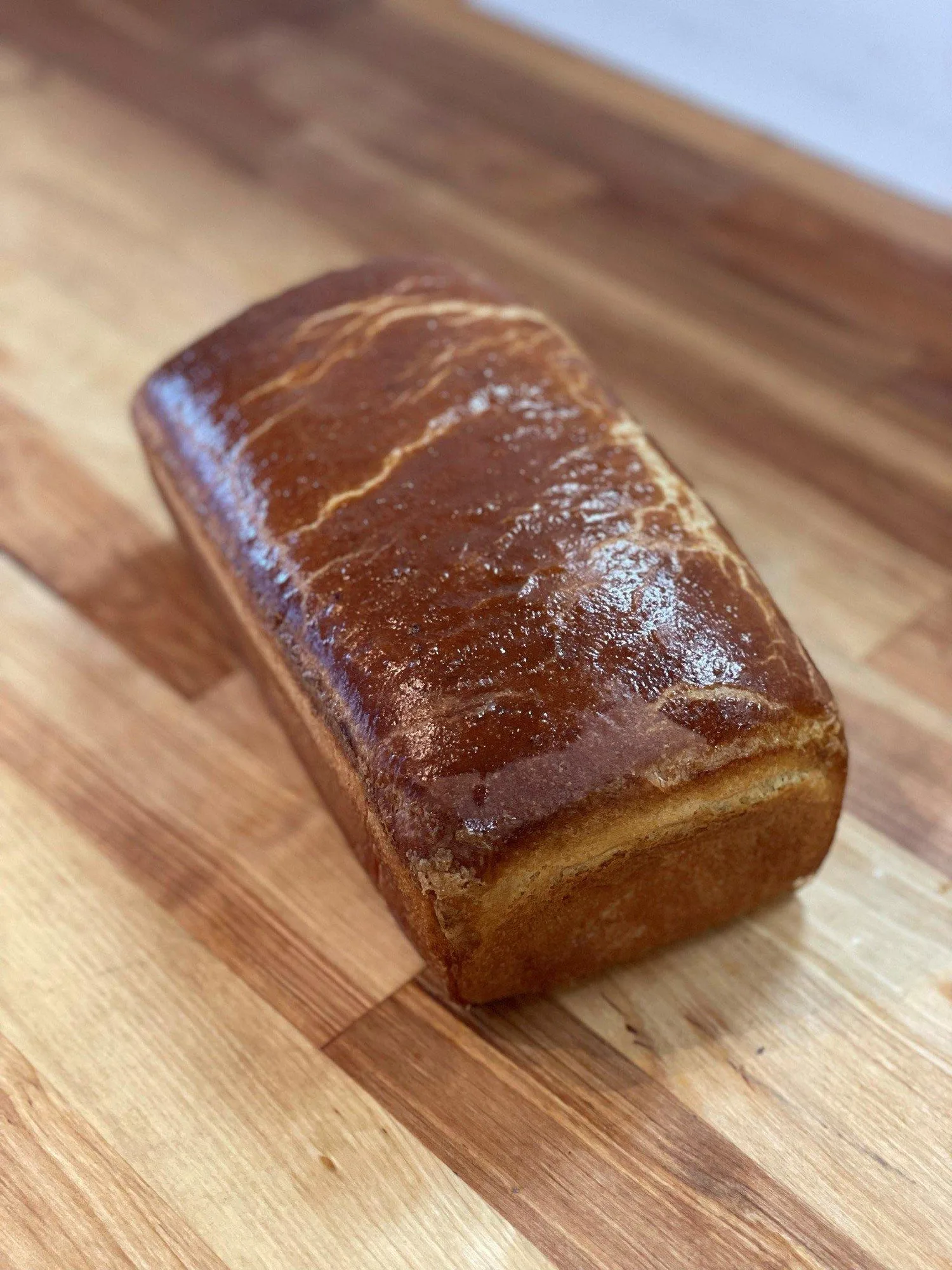
- Cinnamon Bun: Bakery pastry made with brioche-buns-f882d83fe233fb82bf69a979-1645741">brioche buns and finished with cream cheese frosting. Sticky, frosted bakes are exactly the kind that benefit from lining the pan, which protects the coating from sugar and glaze.
- Apple Tart: Made with Woodland Farm Mutsu apples and a wholegrain crust. Tarts with juicy fruit fillings are prone to bubbling over, so a lined pan and a prompt soak afterward keep cleanup gentle.
Nonstick bakeware lasts longer when the routine is boring: cool it, wash it by hand, dry it fully, and store it with something soft between the pans. Do that and the coating stays slick through years of cookies, tarts, and Sunday loaves.