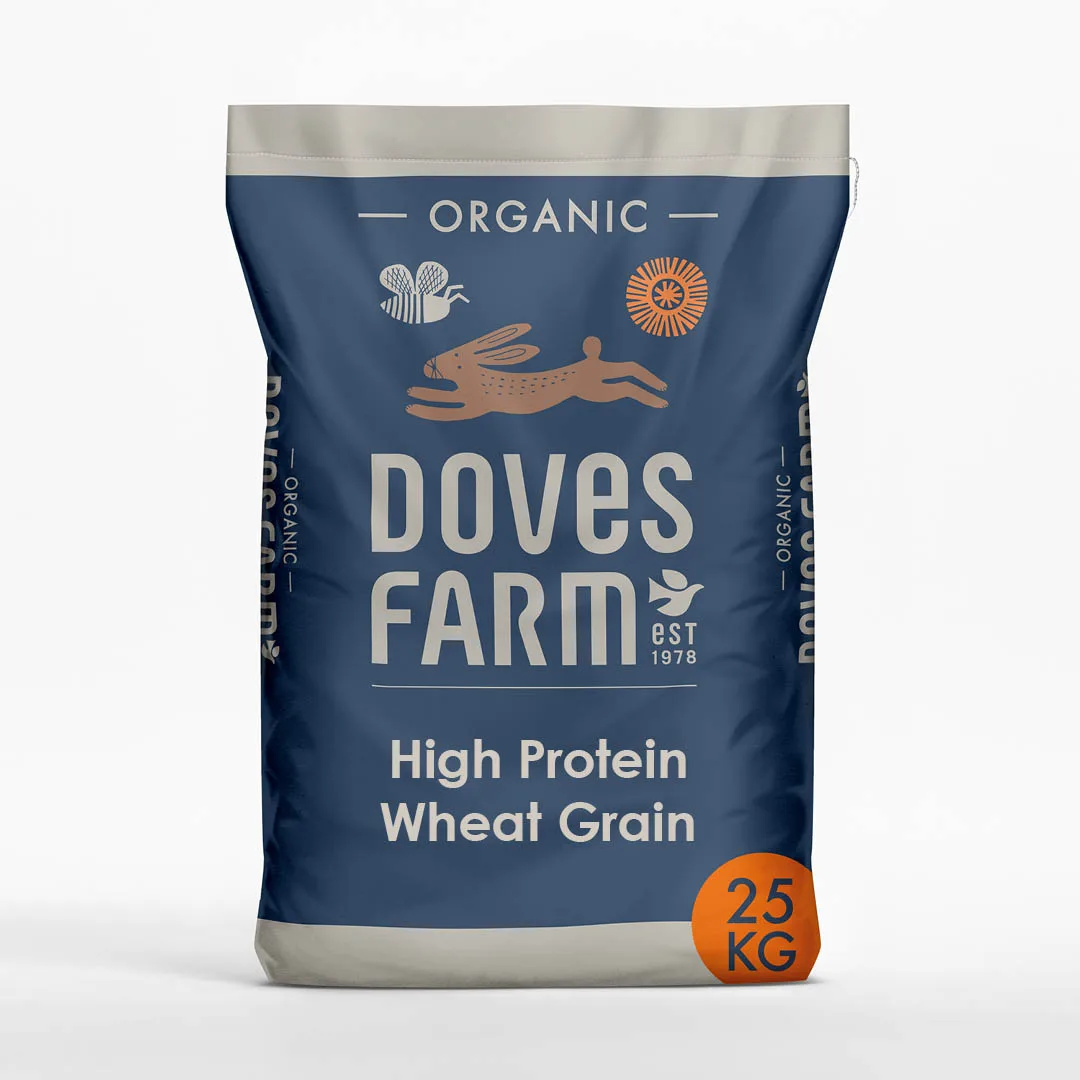
When you buy flour in bulk, the sack it comes in is more than just packaging—it's your first line of defense against moisture, pests, and staleness. Organic grain sacks, like those used for our stoneground flours, are designed to protect the flour while allowing it to breathe. But to get the most out of your sack and keep your flour in peak condition, proper care is essential.
In this guide, we'll walk you through the best practices for cleaning, storing, and maintaining your organic grain sacks. Whether you've just purchased a 25kg sack of organic strong white bread flour or you're a seasoned bulk buyer, these tips will help you extend the life of your sack and keep your flour fresh for months.
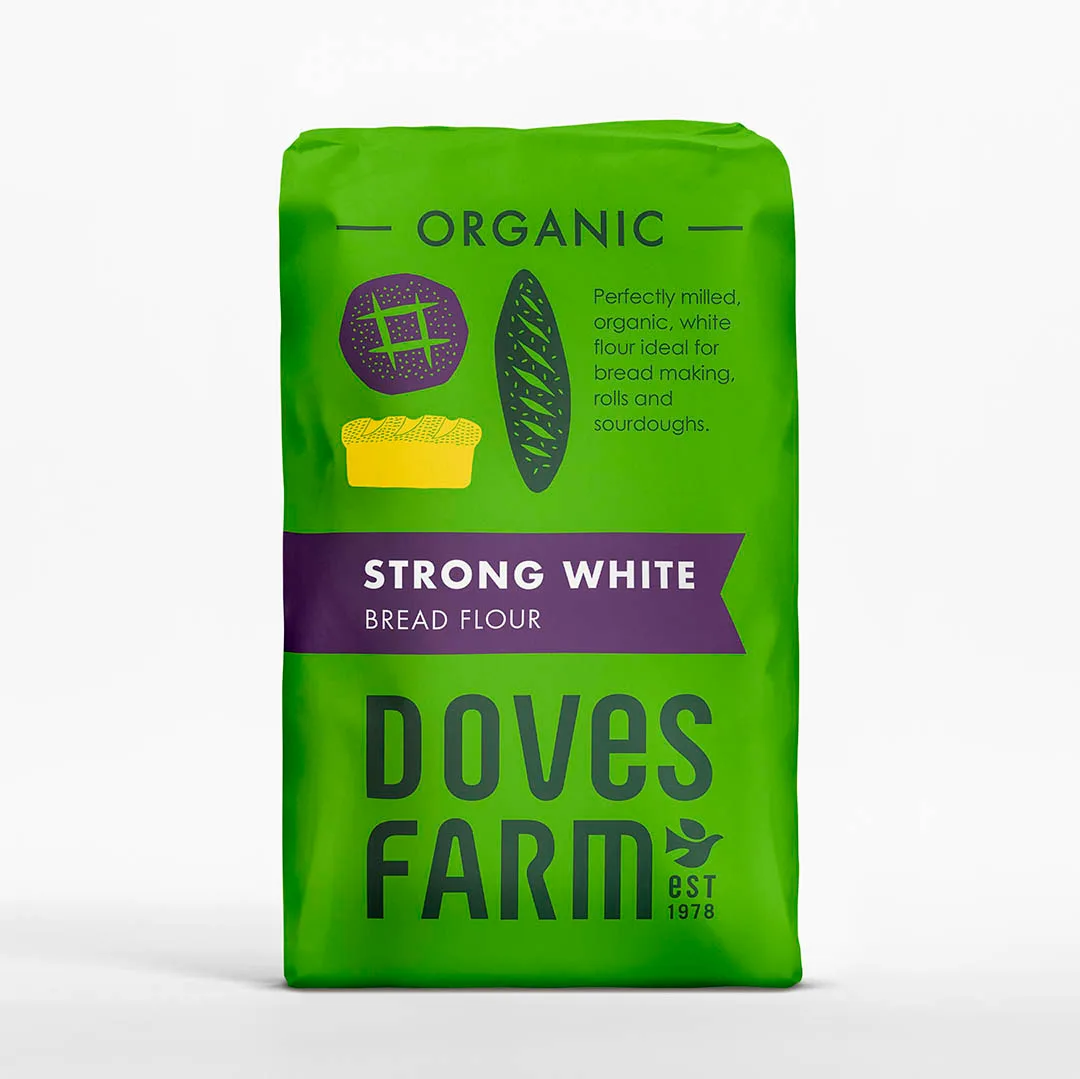
organic strong white bread flour
Why Proper Grain Sack Care Matters
Organic flour is a living product. It contains natural oils and enzymes that can degrade if exposed to air, light, or moisture. The sack is your barrier against these elements, but only if it's in good condition. A well-maintained sack keeps your flour dry, free from contaminants, and ready for baking.
Moreover, grain sacks are often reusable. By caring for them properly, you reduce waste and save money. Many of our customers use our sacks for storage long after the flour is gone—for grains, legumes, or even as tote bags. With the right maintenance, your sack can serve you for years.
- Prevents moisture absorption that can lead to mold and clumping.
- Keeps out pantry pests like weevils and moths.
- Preserves the flavor and nutritional quality of the flour.
Cleaning Your Grain Sacks: Step-by-Step
Cleaning your grain sack is crucial, especially if you plan to reuse it. Flour dust can harbor bacteria and attract pests if left to sit. Here's how to clean your sack effectively without damaging the fabric.
First, empty the sack completely and shake out any remaining flour. Use a dry brush to remove dust from the seams and corners. For deeper cleaning, you can hand wash the sack in cold water with a mild, unscented detergent. Avoid harsh chemicals or bleach, as they can leave residues that might contaminate your next batch of flour.
After washing, rinse thoroughly and hang the sack to dry completely. Never store a damp sack—it can develop mildew and ruin any flour you put in it later. If your sack is made of a delicate material like linen, consider air drying it flat to maintain its shape.
- Always dry sacks completely before storing or refilling.
- For stubborn stains, use a paste of baking soda and water, then rinse.
- Avoid machine washing unless the sack is specifically labeled as machine washable.
Storing Your Grain Sacks: Best Practices
When not in use, store your grain sacks in a cool, dry place away from direct sunlight. A pantry or cupboard is ideal. If you have multiple sacks, stack them loosely to allow air circulation, which prevents moisture buildup.
If you're storing flour in the sack itself, make sure the top is folded or tied securely. Use a clip or a twist tie to seal the opening, but ensure it's not airtight—flour needs to breathe to prevent condensation. For long-term storage, consider placing the sack inside a larger airtight container for extra protection against pests.
Our 25kg sacks, like the Organic Stoneground Wholemeal Rye Flour 25kg Sack, are designed for durability, but even they benefit from proper storage. Keep them off the floor on a shelf or pallet to avoid moisture wicking from concrete.
- Use a bread clip or clothespin to seal the sack after each use.
- Label your sacks with the type of flour and date of purchase.
- Rotate your stock—use older flour first to ensure freshness.
Maintenance Tips for Long-Lasting Sacks
Regular maintenance can extend the life of your grain sacks significantly. Inspect your sacks periodically for signs of wear, such as holes, frayed seams, or thinning fabric. If you spot a small tear, patch it with a piece of sturdy fabric and fabric glue to prevent it from growing.
If you notice any signs of pests, such as small holes or webbing, empty the sack immediately and wash it thoroughly. Discard any flour that may have been contaminated. To prevent future infestations, consider freezing your flour for 48 hours after purchase to kill any insect eggs.
When using your sack for other storage purposes, like holding grains or dried beans, make sure the contents are completely dry before sealing. This prevents moisture from damaging the sack and its contents.
- Keep a sewing kit handy for quick repairs.
- Use natural pest deterrents like bay leaves in your pantry.
- If a sack is beyond repair, repurpose it as a garden mulch barrier or cleaning rag.
Choosing the Right Sack for Your Needs
Not all grain sacks are created equal. The material and size can affect how well they protect your flour and how easy they are to maintain. Our range includes sturdy 25kg sacks for bulk buyers and smaller 1kg bags for everyday use. For example, the Organic Stoneground Wholemeal Einkorn Flour 25kg Sack is perfect for those who bake frequently or run a small bakery.
If you're new to bulk buying, consider starting with a 25kg sack of a versatile flour like Organic Strong White Bread Flour - 25kg Sack. It's a workhorse for bread baking and the sack is designed to withstand repeated use. Whichever you choose, remember that proper care will ensure your sack serves you well.
- Consider how much flour you use in a month to decide on sack size.
- Look for sacks with a lining or thicker weave for extra protection.
- If you plan to reuse the sack for other purposes, choose a neutral design.
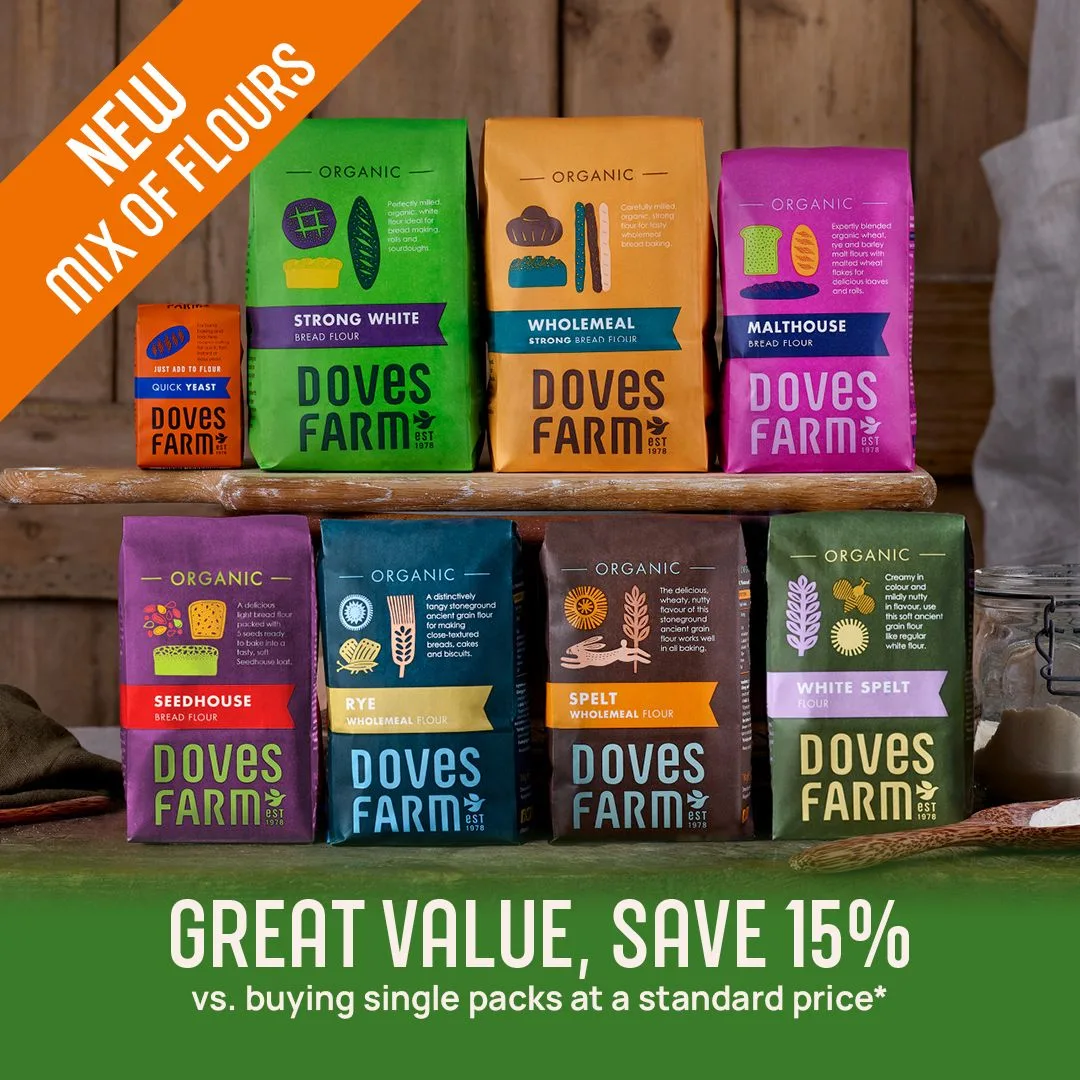
Caring for your organic grain sacks is a simple yet essential part of bulk flour storage. By following these cleaning, storage, and maintenance tips, you'll keep your flour fresh and your sacks in top condition for years. Ready to stock up? Explore our range of organic flours and find the perfect sack for your baking needs.