Quick answer
Treat the label as part of the item, not an afterthought: wash inside out or in a mesh bag on a gentle cycle with cool water, skip chlorine bleach and high heat, and dry flat or on low. Check the label after the first wash, then every few washes, so a loose corner or fading print gets fixed before it becomes permanent.
Know what your label can handle before the first wash
Manufacturers rarely print a care symbol on a sew-in label, so the safest starting point is the care instruction for the fabric it is sewn into. A cotton quilt and a garment with stretchy knits tolerate different agitation levels, and the label inherits those limits once it is stitched in.
If the label is a gift message or a maker's mark on a sold item, test one spare label first. Sew it to a scrap of the same fabric, run it through your normal wash routine, and inspect the print and edges. That single test tells you more than any general rule.
Set up the wash so the label is not the weakest point
Turn the item inside out so the label faces the drum's smooth side rather than zippers, buttons, or hook-and-loop closures. For small items like pouches, totes, or baby clothes, a mesh laundry bag adds a second layer of protection and keeps the label from snagging.
Use cool water and a gentle or delicate cycle, and measure detergent rather than pouring freely. Chlorine bleach and oxygen bleaches are the fastest way to dull printed text, so choose a color-safe detergent when the label matters.
Dry and press with heat in mind
High dryer heat is the most common cause of curled edges and faded print. Air-dry flat or hang the item when you can, or use the lowest dryer setting with the item still inside out. If you must press the area, iron the fabric side, not directly over the label, and keep the iron moving.
For quilts, drying flat on a clean sheet preserves both the quilting and the label. Tossing a heavy wet quilt can stress the stitching that holds the label in place.
Store and rotate so labels are not crushed
Fold quilts along different lines each time you store them, and keep them out of direct sunlight, which fades both fabric and print over months. For garments, hang or fold so the label is not pressed under a heavy stack.
If you display or sell items, avoid leaving labeled pieces in a hot car or a damp basement. Heat and moisture are the two conditions that quietly undo good stitching.
Your label care routine, step by step
- Step 1: Read the fabric, not just the label: Check the care instruction for the item the label is sewn into, then test one spare label on a scrap of the same fabric before trusting the routine on a finished piece. Checkpoint: if the test label curls or fades, adjust water temperature or drying method before washing the real item.
- Step 2: Wash inside out or in a mesh bag: Turn the item inside out, use cool water on a gentle cycle, and add a mesh bag for small pieces. Skip chlorine bleach and use a color-safe detergent. Common mistake: washing with heavy items like jeans or towels, which abrades the label edge.
- Step 3: Dry low or air-dry flat: Air-dry flat or hang when possible. If using a dryer, choose the lowest heat setting and keep the item inside out. Checkpoint: high heat is the main cause of curled edges and faded print, so when in doubt, air-dry.
- Step 4: Press from the fabric side only: If ironing is needed, iron the back of the fabric, not directly over the label, and keep the iron moving. Common mistake: pressing a hot iron directly on the label, which can melt or shine the print.
- Step 5: Store folded and out of direct sun: Fold quilts along different lines each time, keep labeled items out of direct sunlight, and avoid hot cars or damp basements. Checkpoint: after the first wash and every few washes, inspect the label for loose corners or fading and repair early.
Label facts worth knowing
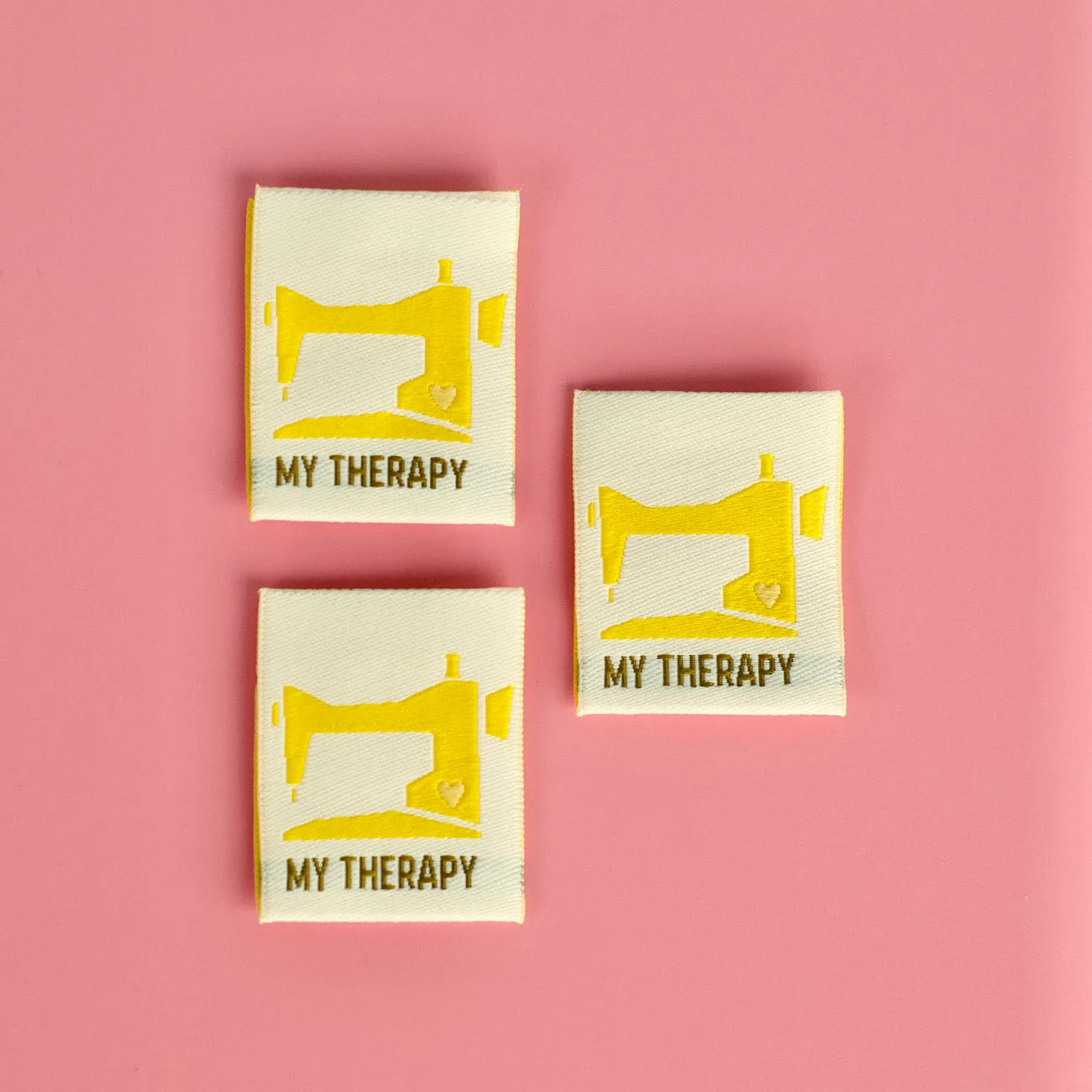
- My Therapy - Sewing Labels: Premium designer sew-in labels made for quilters, sewists, and makers, suitable for handmade garments, quilts, bags, and accessories. Because these labels are designed to be sewn into washable projects, the wash and dry routine above applies directly to them.
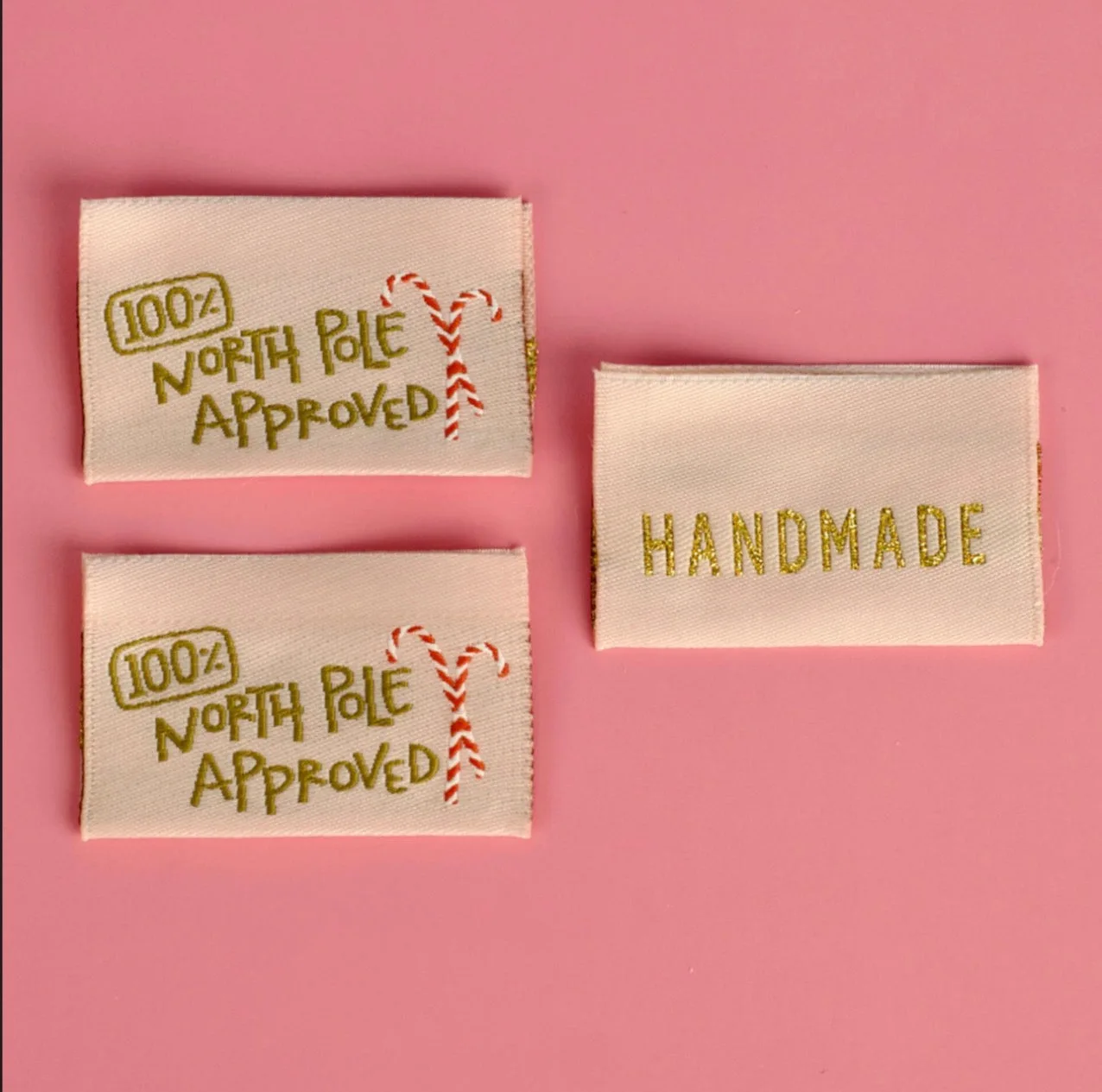
- North Pole- Sewing Labels: Each label is designed to reflect your unique style, whether you are gifting a cherished quilt, selling your creations, or adding a heartfelt message. If the label carries a gift message or your maker's mark, a gentle wash routine protects the message as well as the stitching.
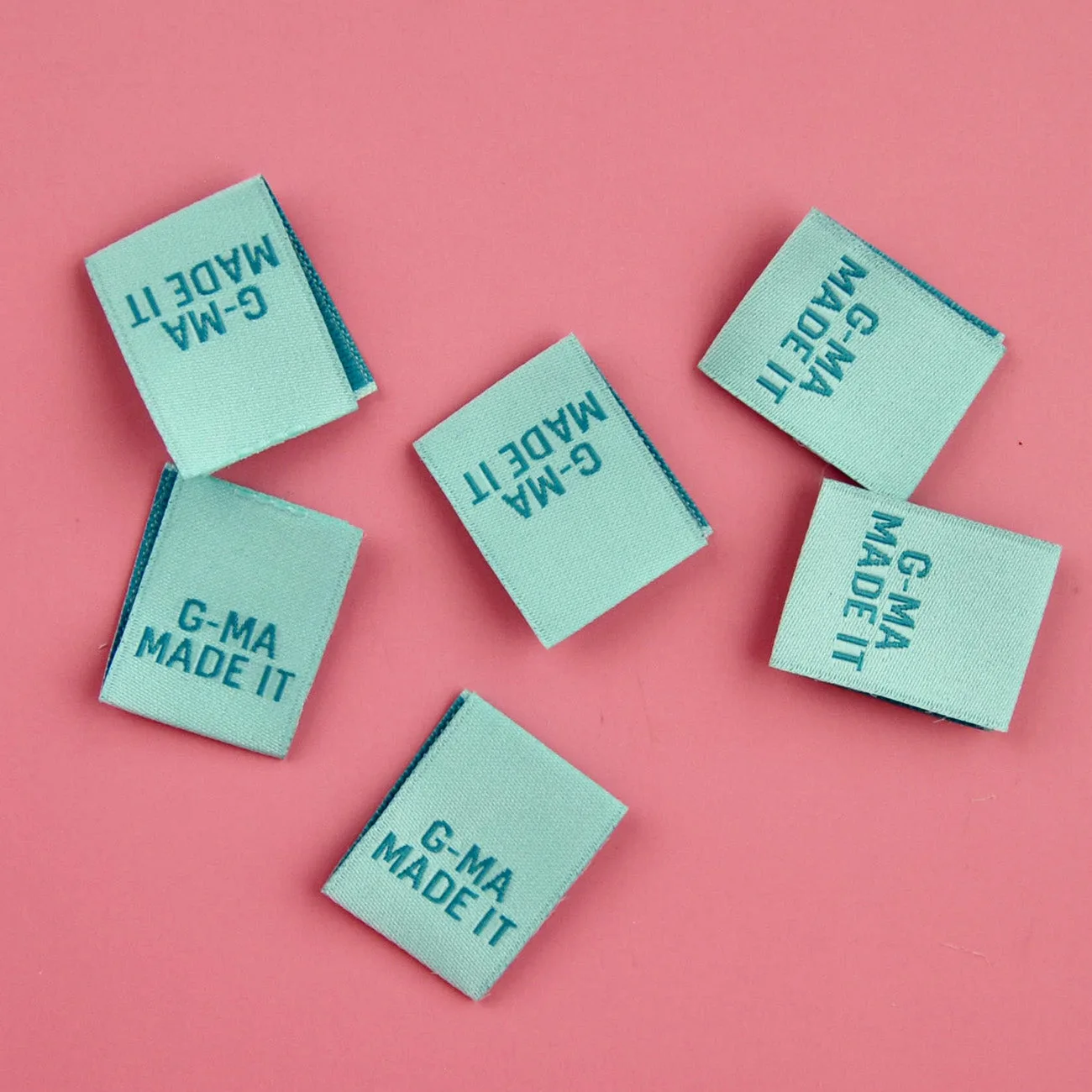
- G-Ma Made It - Sew in Labels: Easy to sew into handmade garments, quilts, bags, and accessories. Easy sewing does not mean the label is indestructible, so the care steps still matter after the item leaves your sewing room.