Quick answer
Wipe wooden toys with a barely damp cloth and mild soap, then dry them immediately. Never soak, boil, or put wooden toys in a dishwasher, because water swells the grain and cracks the finish. Re-oil unpainted wood once or twice a year, and check for splinters, loose parts, and chipped paint as part of the same routine.
Wooden toys earn their reputation honestly: they feel good in small hands, survive being dropped, and often get handed down. But wood is a living material even after it becomes a toy, which is why it reacts badly to the two things parents reach for first, water and heat.
The routine below takes about ten minutes a month. It covers how to clean wooden toys without wrecking the finish, how to keep wooden blocks and train sets in playable condition, and what to check so wooden toy safety stays intact as the years pass.
Start with the right cleaning supplies
You need very little: two soft microfiber cloths, a mild dish soap or castile soap, warm water, and a small bowl. Skip abrasive scrubbing pads, bleach sprays, and furniture polish, all of which can dull paint or leave residue that ends up in a child's mouth.
If a toy is unfinished or oiled rather than painted, keep soap off it when you can and rely on a dry wipe. For everything else, a drop of mild soap in a cup of warm water is enough for everyday grime.
- Keep one cloth for washing and one dry cloth for immediate drying
- Never mix cleaning products; one mild soap is plenty
- Set aside toys with chipped paint or cracks before you start cleaning
Wipe, don't soak
Wring the wash cloth until it is barely damp, then wipe each surface. Wood absorbs water through exposed grain and along seams, and that absorbed moisture is what causes swelling, raised fibers, and cracked paint. A damp wipe lifts sticky fingerprints without driving water into the wood.
Dry each piece right away with the second cloth, paying attention to joints, wheels, and any recessed details where water collects. Let toys air dry completely before they go back in the bin, especially if they were stored near a humid bathroom or kitchen.
- One wipe, one dry, then move on to the next piece
- Never submerge wooden toys in a sink or bucket
- Dishwashers and boiling water are never safe for wood
Handle stains, odors, and germs sensibly
For sticky residue, a paste of baking soda and a few drops of water lifted with a cloth works well on sealed wood. Wipe it away completely and dry the surface. For odors, air the toy outdoors in shade for a few hours rather than spraying it with fragrance.
When a toy has been in a sick child's mouth, washing with mild soap and water and letting it dry fully is the practical approach. Harsh disinfectants can leave residue on a surface that goes straight back into a mouth, so rinse and dry thoroughly if you use one at all.
- Test any new cleaning method on the underside first
- Avoid vinegar on painted or oiled finishes; it can dull them
- Sunlight fades paint, so dry in shade, not direct sun
Protect the finish and keep wood from drying out
Unpainted or oiled wooden toys benefit from a light coat of food-safe oil, such as mineral oil or a toy-safe finishing oil, once or twice a year. Apply a few drops to a cloth, rub it in with the grain, let it sit briefly, then buff off the excess. This is the single biggest lever for wooden toy longevity.
Painted and sealed toys do not need oiling. For those, the goal is simply to avoid the things that break down finishes: prolonged moisture, extreme heat near radiators or car trunks, and abrasive cleaners.
- Oil only bare or oiled wood, never painted surfaces
- A little oil goes far; excess leaves a tacky film
- Keep wooden toys out of hot cars and direct radiator heat
Store wooden toys so they last
Store wooden toys indoors in a dry spot, ideally in a breathable cotton bag or an open bin rather than a sealed plastic container that traps dampness. If you live in a humid climate, a small silica packet in the storage bin helps.
For sets with many small pieces, keep parts together so nothing gets lost or stepped on. This matters for wooden blocks care in particular, since a single missing connector can sideline an entire building set.
- Avoid damp basements and garages for long-term storage
- Use breathable bags or open bins instead of sealed plastic
- Rotate toys rather than leaving everything out to be stepped on
Your monthly wooden toy care routine
- 1. Sort and inspect: Spread the toys out and check each one for splinters, cracks, loose wheels, and chipped paint. Set damaged pieces aside before cleaning so you do not spread grime into cracks. Checkpoint: anything with a raised splinter should be sanded smooth or retired, not handed back to a child.
- 2. Wipe with a barely damp cloth: Add one drop of mild soap to a cup of warm water, wring the cloth until it is nearly dry, and wipe each surface. Do not soak, submerge, or spray the toy directly. Common mistake: leaving the cloth too wet, which is the top cause of swollen joints and lifted paint.
- 3. Dry immediately and completely: Buff each piece with a dry cloth, working around wheels, joints, and recessed details. Let everything air dry fully before it goes back into storage. Checkpoint: if you can feel any coolness or dampness, it is not dry yet.
- 4. Oil bare wood once or twice a year: Apply a few drops of food-safe oil to a cloth, rub it in with the grain on unpainted or oiled surfaces, let it sit briefly, then buff off the excess. Skip painted and sealed toys. Common mistake: oiling painted toys, which can soften the finish instead of protecting it.
- 5. Store dry and breathable: Return toys to a dry indoor spot in a cotton bag or open bin. Keep sets with many small parts together so nothing gets lost or crushed. Next step: put a recurring reminder on your calendar so care happens before problems appear.
Wooden toys worth caring for
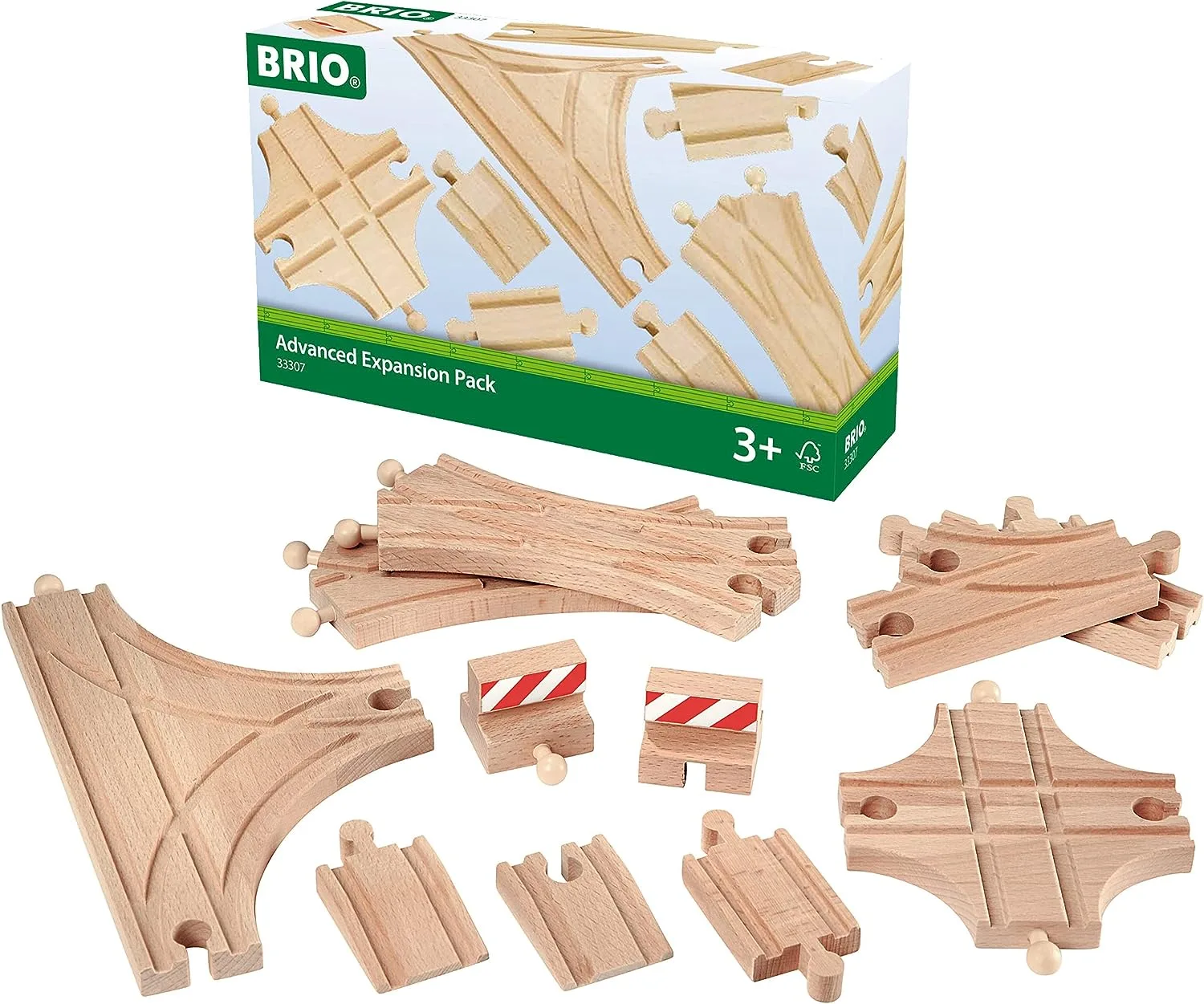
- Expansion Pack Beginner: This multi-functional pack contains 11 track pieces, including a t-switch, short curve switches, cross-track, and other switches and ramps, and is designed as an add-on for Brio wooden railway sets. Track connectors and switches are the parts most likely to swell or crack if they get wet, so wiping and drying each piece after play keeps the whole railway running smoothly.
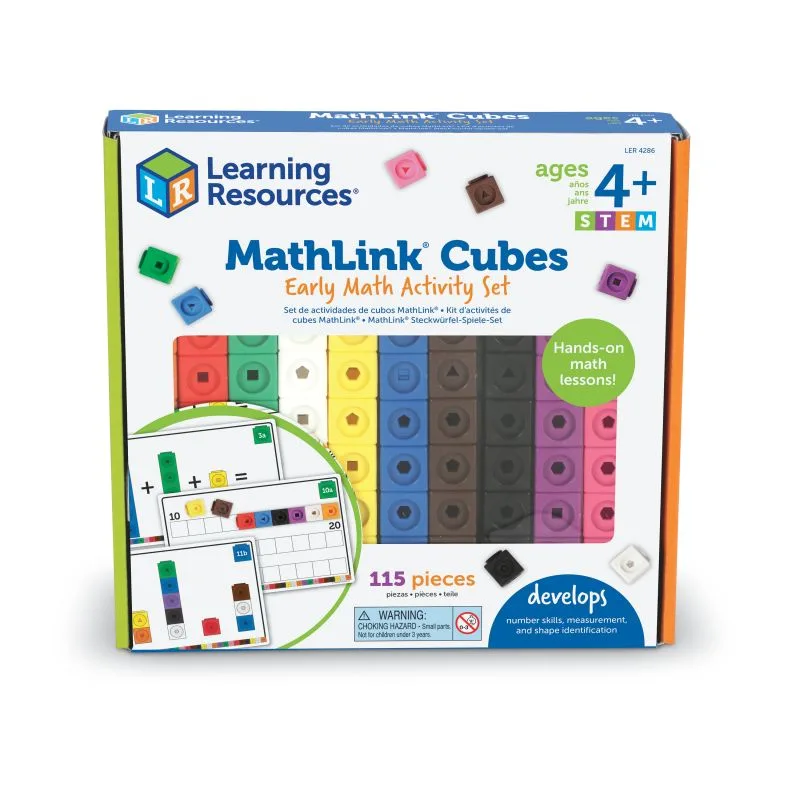
- MathLink Cubes Early Math Starter Set: The set includes 100 MathLink cubes and 15 double-sided activity cards with 30 total math activities. A hundred small pieces is a lot to clean one by one, which is exactly why a quick monthly wipe-and-dry routine beats waiting until grime builds up.
Wooden toys reward a little attention. Wipe them damp, dry them right away, oil bare wood occasionally, and store them somewhere dry, and a good set can stay in play for years and then get handed down. If a toy is cracked, splintered, or shedding paint, that is your signal to repair it or let it go.